Sign in
 Newsletters


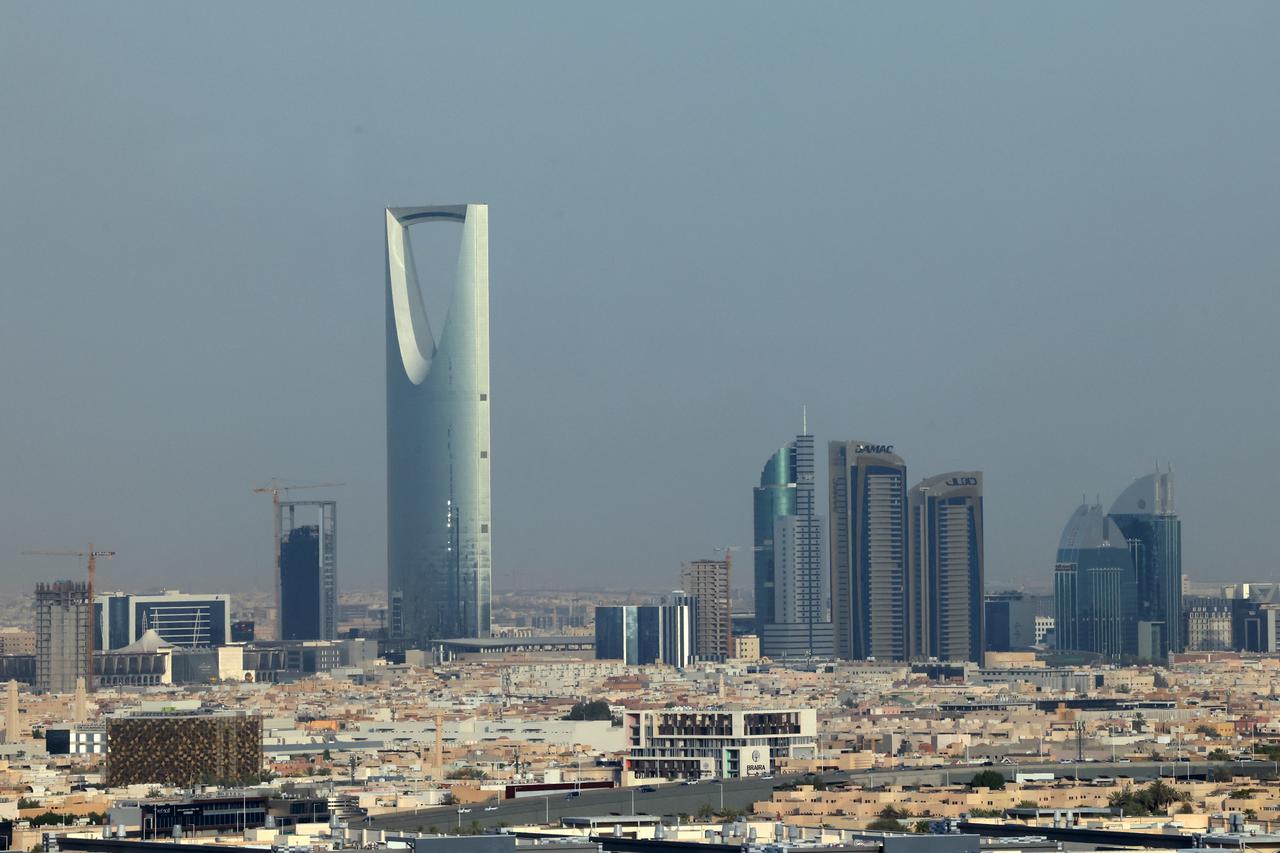


A powerful explosion was heard across Saudi Arabia's capital Riyadh on Wednesday, with residents reporting smoke near the city's airport, AFP reported, as the kingdom faced a renewed wave of attacks by Yemen's Iran-backed Houthis.
The cause and exact location of the explosion were not immediately clear, although residents told AFP they had seen smoke near King Khalid International Airport in northeastern Riyadh.
Witnesses said they received no emergency alerts on their phones before the blast, which one resident in northern Riyadh described as "extremely loud."
An AFP journalist reported that doors throughout her home swung open and the lights briefly went out.
"Hearing a blast without receiving a warning is very frightening," a resident in northern Riyadh told AFP.

Earlier Wednesday, the Saudi-led military coalition fighting Yemen's Houthis said it had intercepted a cruise missile launched by the group toward the Riyadh area.
There was no immediate confirmation that the reported interception was connected to the explosion heard in the capital.
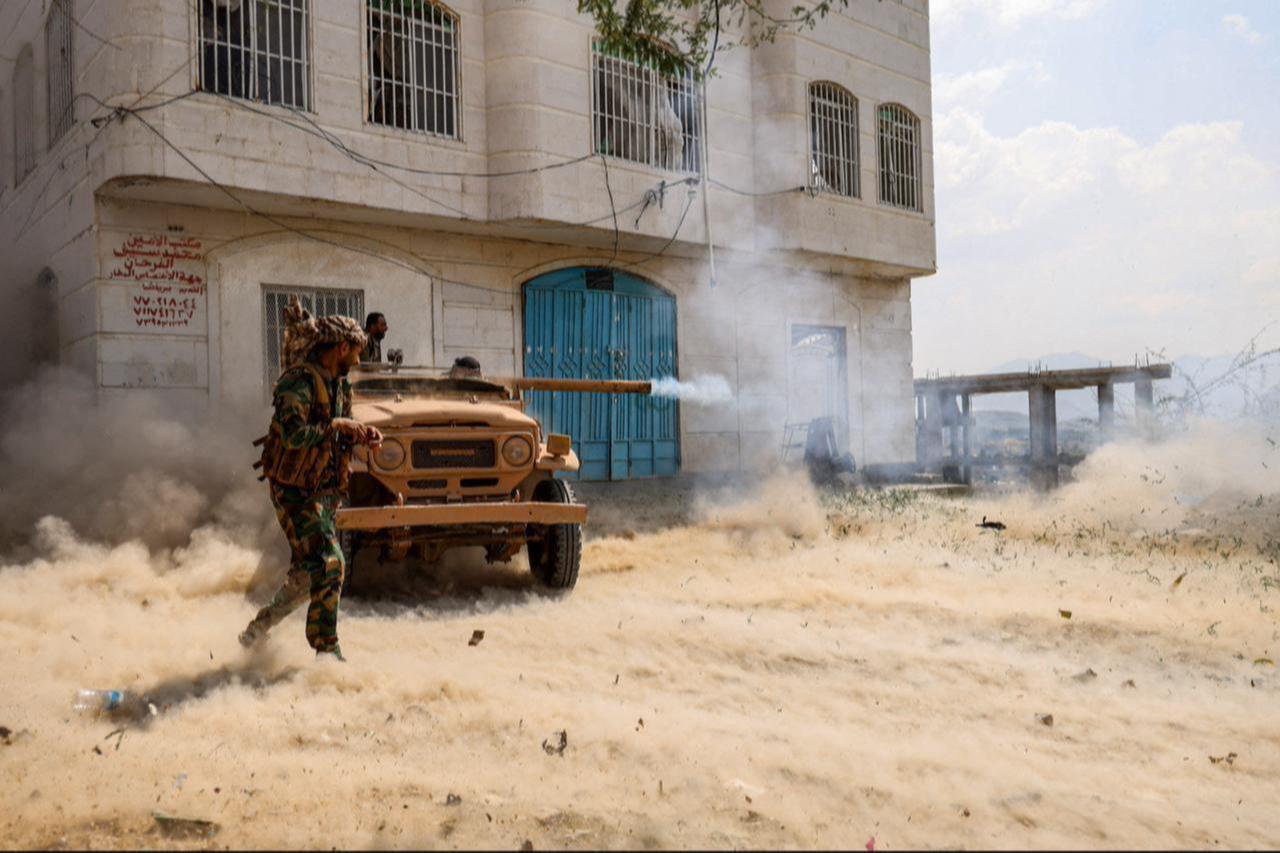
The incident comes amid intensified Houthi attacks on Saudi territory since July, involving ballistic missiles, cruise missiles and drones targeting airports, oil facilities, military installations and other sites.
In recent weeks, the group has also targeted Riyadh's financial district.
An attack on King Khalid International Airport in October killed 14 people and injured hundreds, forcing authorities to suspend flights for two weeks.
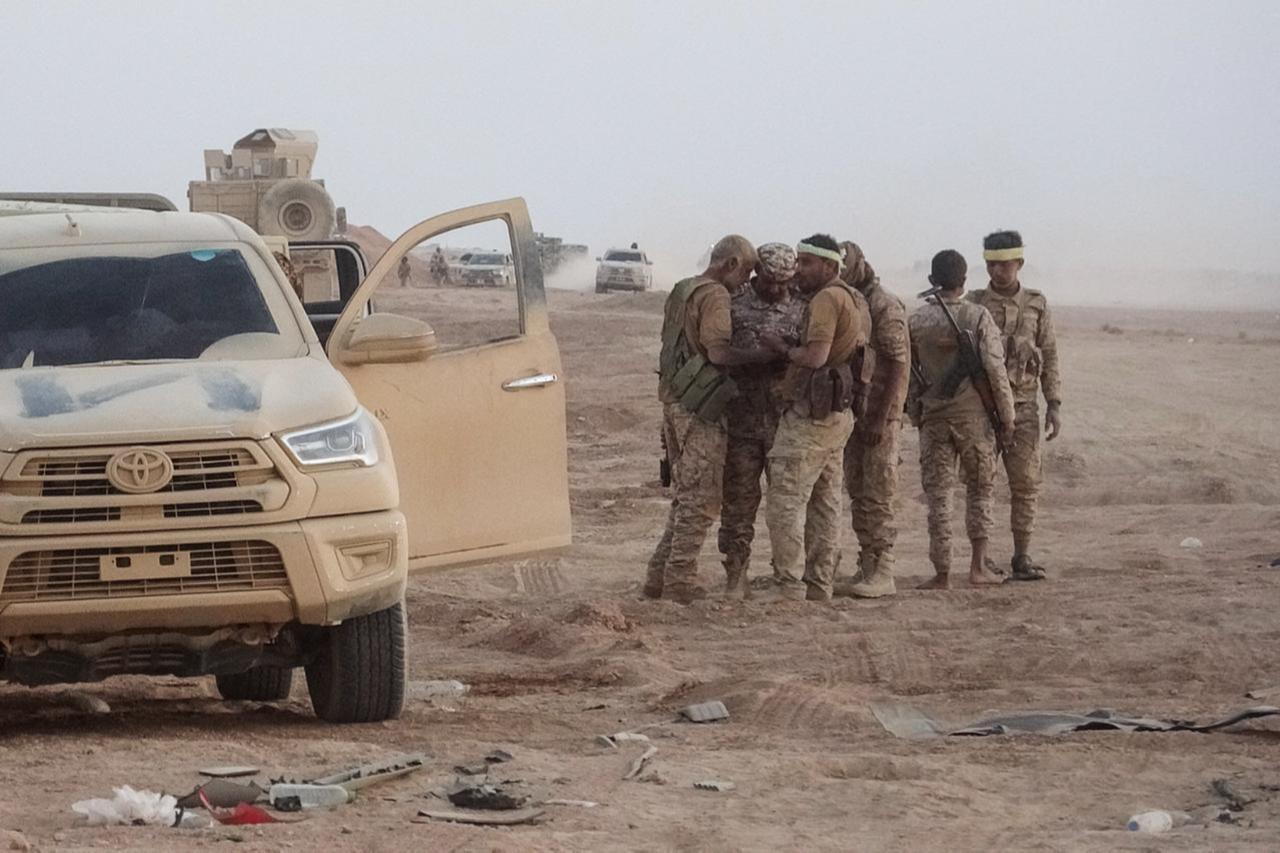
Saudi Arabia has led a military coalition supporting Yemen's internationally recognized government since March 2015, after the Houthis seized the capital, Sanaa, and other provinces in September 2014.
Yemen's long-running civil war had largely subsided following a ceasefire in 2022, but fighting resumed in July.
The Houthis have since made significant territorial gains and are approaching Aden, the interim capital of Yemen's internationally recognized government.
More than 1,600 people have been killed and over 300,000 displaced since fighting intensified this summer, according to the United Nations.


 Set as preferred source
 Set as preferred source


 1 min read
 1 min read