Newsletters


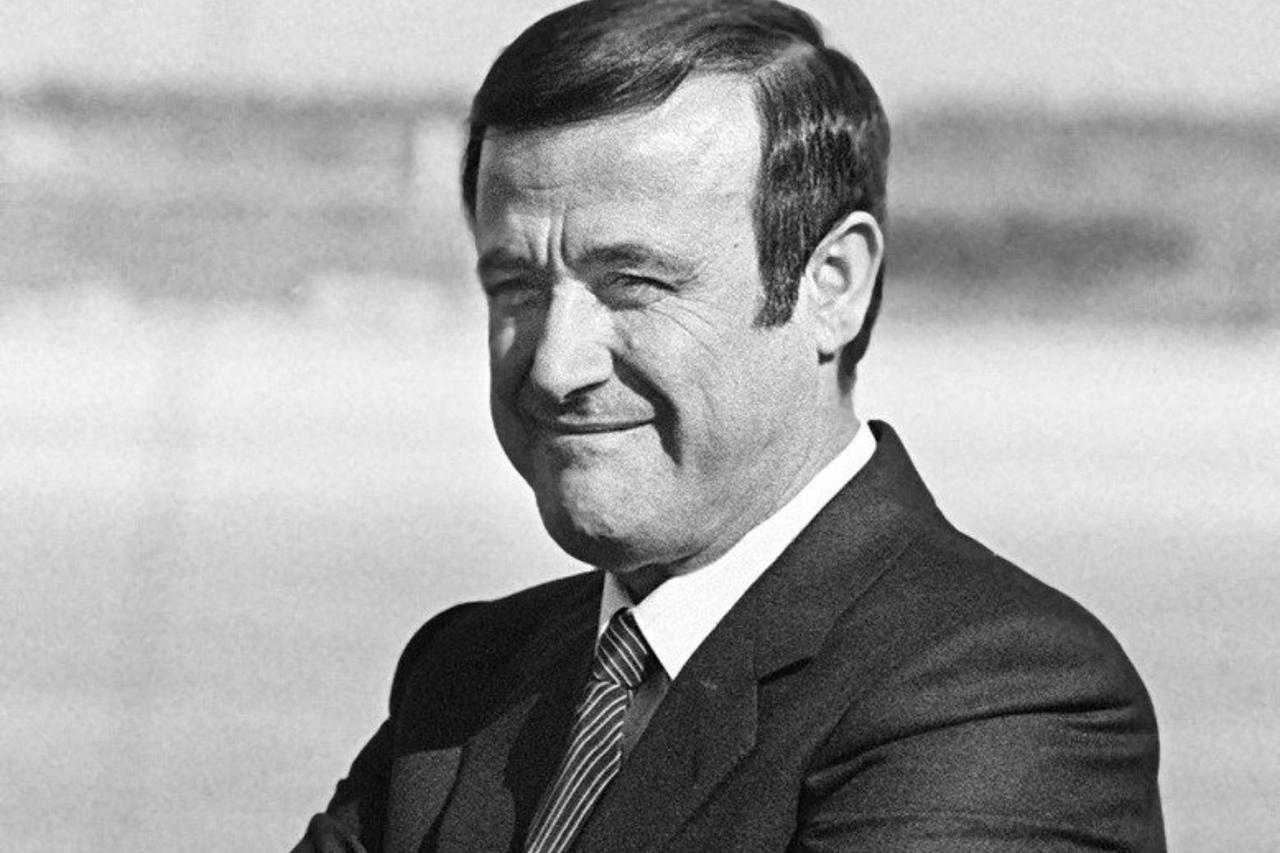


The new investigative film reported that Rifaat al-Assad demanded more than $200 million in 1984 to leave Syria after an armed power struggle with his brother, the late President Hafez al-Assad.
The investigative film “Rifaat’s Empire” on Al Jazeera 360 revealed details of how Rifaat al-Assad built a vast fortune in the heart of Europe.
The film said the empire, whose assets in France alone were estimated at around €90 million, was linked to what it described as the largest embezzlement of Syrian public funds in the 20th century, carried out with international complicity and direct Libyan financing.
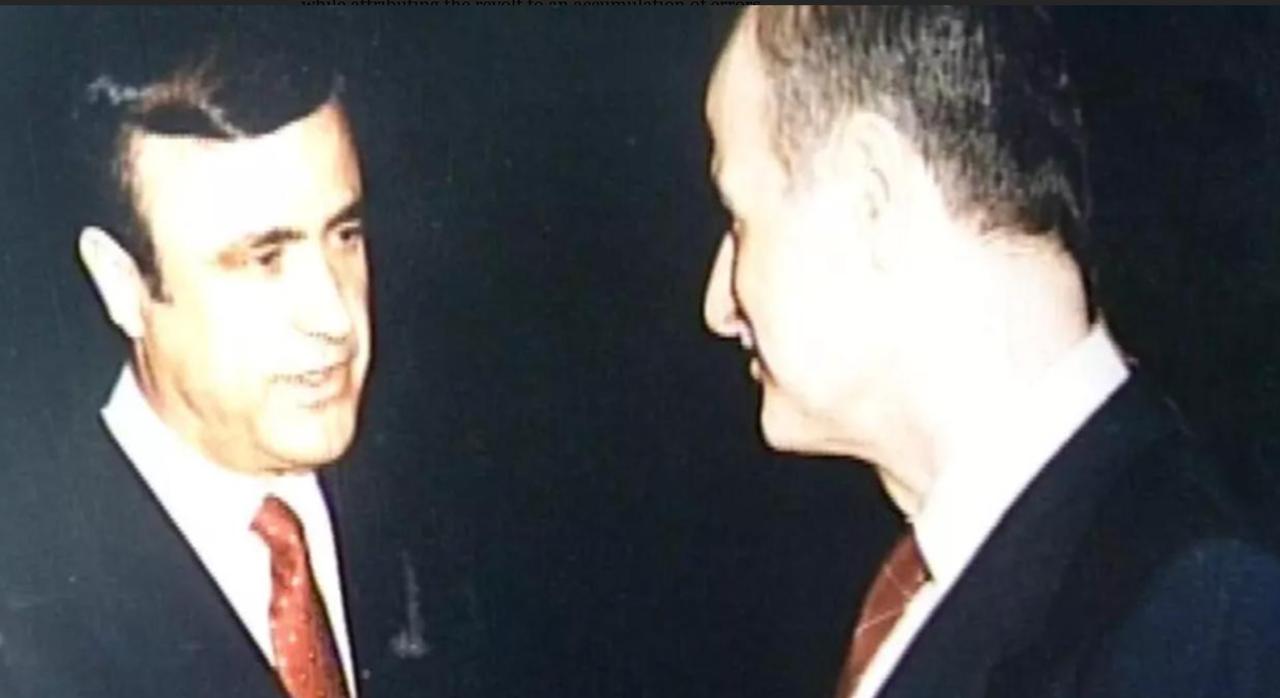
According to documents shown in the film, the story began in 1984, when Rifaat reportedly demanded more than $200 million in exchange for leaving Syria after an armed power struggle with his brother Hafez.
The documentary said the Soviet Union, now Russia, mediated to avert a clash between the brothers and secure Rifaat’s exit, while Libya’s Moammar Gadhafi stepped in to fund the deal after Syria’s central bank lacked foreign currency.
The French prosecution’s case, according to the film, relied on a financial analysis that showed a “huge leap” in Syria’s presidential budget in 1984, when large sums allegedly disappeared in a timeframe that matched Rifaat’s exit and his receipt of Libyan funds.
The film stated that Rifaat’s wealth in France includes a lavish mansion, several luxury apartments, two hotels, and hundreds of properties in Spain.
The investigation noted that these assets were central to his conviction by the French judiciary, which sentenced him to four years in prison on charges including money laundering, embezzlement of Syrian public funds, and tax evasion.
Commenting on the scale of these funds, Laura Rizzo from Sherpa, an organization that combats financial corruption, said Rifaat’s assets in France are estimated at around €90 million.
She said they took the form of “strategic” real estate holdings, including a mansion, several high-end hotel apartments, and two hotels, in some of the most upscale neighborhoods of Paris and Lyon.
For his part, French prosecutor Vincent Bringard said Rifaat al-Assad, known as the “Butcher of Hama,” relied on a meticulous “blackout” strategy, using dozens of shell companies registered in the names of family members and close associates to hide his identity as the true economic beneficiary.
He added that the investigations demonstrated “widespread corruption,” and that there was no logical justification or legitimate income that could explain ownership of such luxury properties other than the embezzlement of the Syrian people’s money.
The film described a dark side to Rifaat’s relationship with the French police.
Despite a prison sentence and an order to seize his assets, Rifaat was able to leave France in 2021 in official limousine cars, escorted by the Interior Ministry to the aircraft door.
Former French intelligence officers attributed this “safe exit” to the intelligence services Rifaat allegedly provided to Paris for 30 years.
These included acting as an intermediary in arms deals and serving as a secret channel of communication with regional capitals.
The film said France’s “deep state” ultimately preferred a “deal of silence” over imprisoning him and exposing the secrets of mutual cooperation.
The film also said Rifaat returned to Damascus in 2021.
He recently died in the UAE at the age of 88, leaving behind what it described as a legacy of bloodshed and a looted financial empire that remained the subject of international legal controversy for decades.


 Set as preferred source
 Set as preferred source


 3 min read