Newsletters




Iranian and Lebanese analysts say the continuation of the U.S.-Israel war against Iran would put the United States "in a difficult position," with both sides trapped in a prestige deadlock that makes compromise increasingly hard.
The analysts speaking to Türkiye's state-run Anadolu Agency (AA) warned that Israel is deliberately keeping the Lebanon ceasefire fragile and that if the war reaches November, it will have severe consequences for Trump and the Republicans.
Iranian journalist and international relations expert Reza Talebi said Washington's negotiating posture effectively demanded Iran's "complete surrender" while Iran was unwilling to step back from conditions it considered vital.
"Ultimately, both sides want negotiations and peace, but neither is backing down from conditions they see as vital. For both sides, the concept of 'victory' has now become more of a prestige issue, and finding common ground looks very difficult," Talebi added.
He said the most likely ideal scenario for the U.S. was probably a deal similar to the 2015 nuclear agreement, but that Trump was now in a "position of no return" and had to emerge from this crisis as a winner.
He noted that a state of "neither war nor peace" was partly acceptable to the U.S. side.
"The key question is: Is America ready to step back from some of its conditions in negotiations? Issues like uranium enrichment and ballistic missile range that were nearly resolved before the war have now been complicated further by the Strait of Hormuz issue, which was not a problem before," he added.
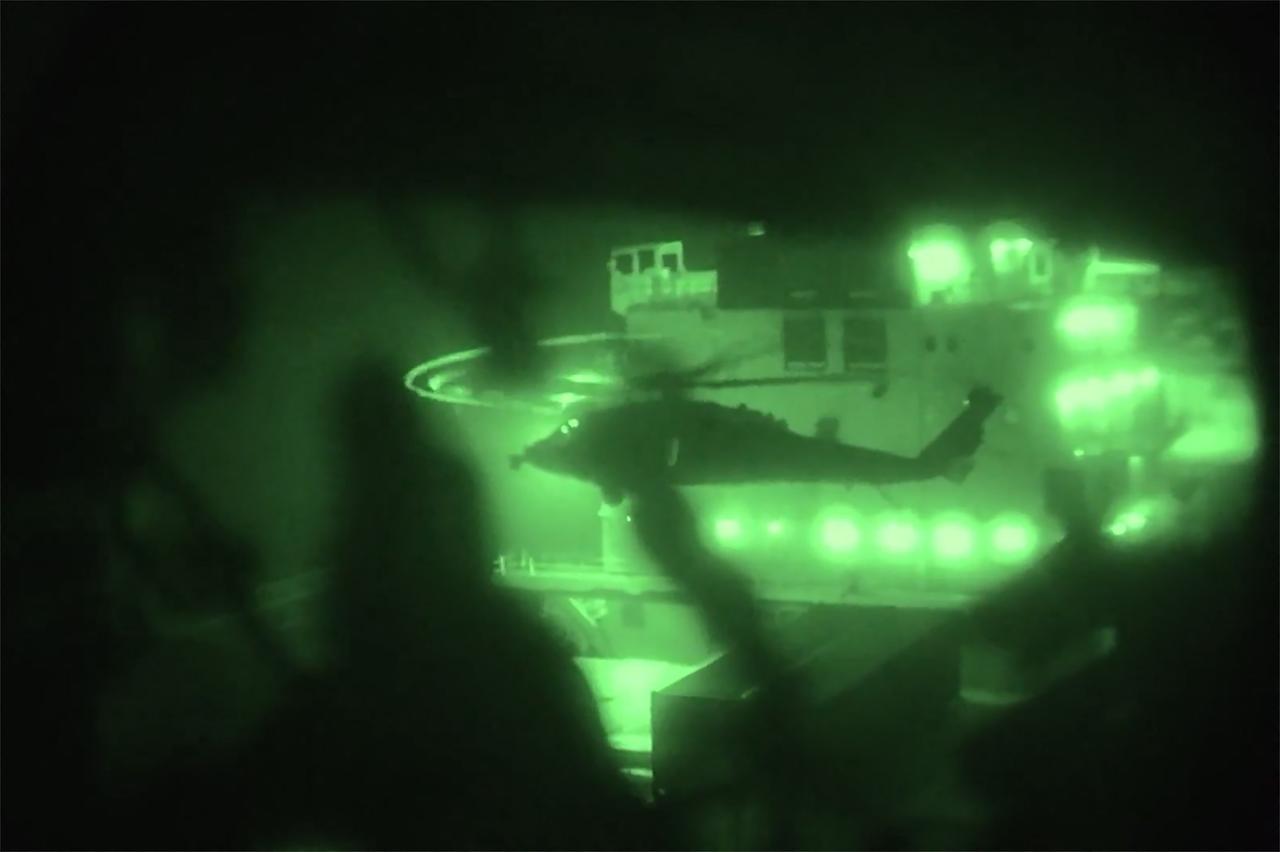

Talebi accused Israel of deliberately maintaining instability in Lebanon and using it as leverage.
"Israel, by keeping the Lebanon ceasefire fragile and by bringing the American navy close to the Strait of Hormuz, is trying to find a pretext to continue the war in the event of any retaliatory strike from Iran," he said.
He warned that maximum pressure and economic blockade could, over the long term, push Iran toward a Lebanon-type scenario of state fragility.
"Israel, unlike Washington, cares more about turning Iran into a Lebanon-style field state, and little else matters to it. This approach is very dangerous on its own, because it could push Iran into civil war," he said.
On Iran's internal politics, Talebi said policies were already being shaped by Islamic Revolutionary Guard Corps (IRGC) commanders and that the new post-war process was moving toward militarization rather than moderation, with the IRGC playing an effective intermediary role between the supreme leader and the government.
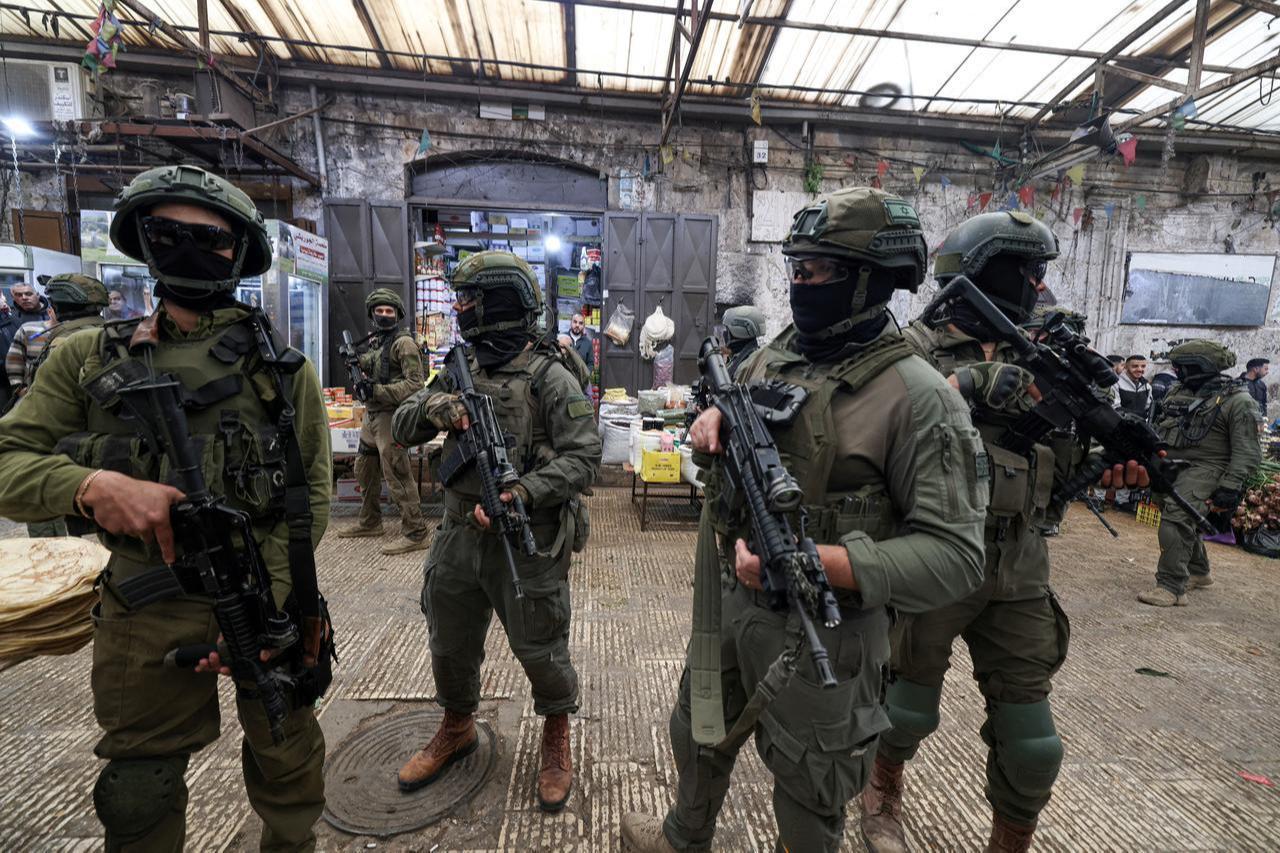
Dania Koleilat Khatib, founder of the Center for Cooperation and Peace Building in Lebanon, argued that time was working in Iran's favor and that the U.S. was now more eager for a ceasefire than Tehran.
"The war unites Iranians while dividing Americans. More and more people are opposed to the war. There are midterm elections in the U.S. in November. If the war continues until November, this will have a very bad effect on Trump and the Republicans," she said.
She said Trump had already shown flexibility under domestic political pressure, stepping back from red lines and extending ceasefire periods.
She noted that internal U.S. political dynamics were becoming a decisive factor in the trajectory of the negotiations.
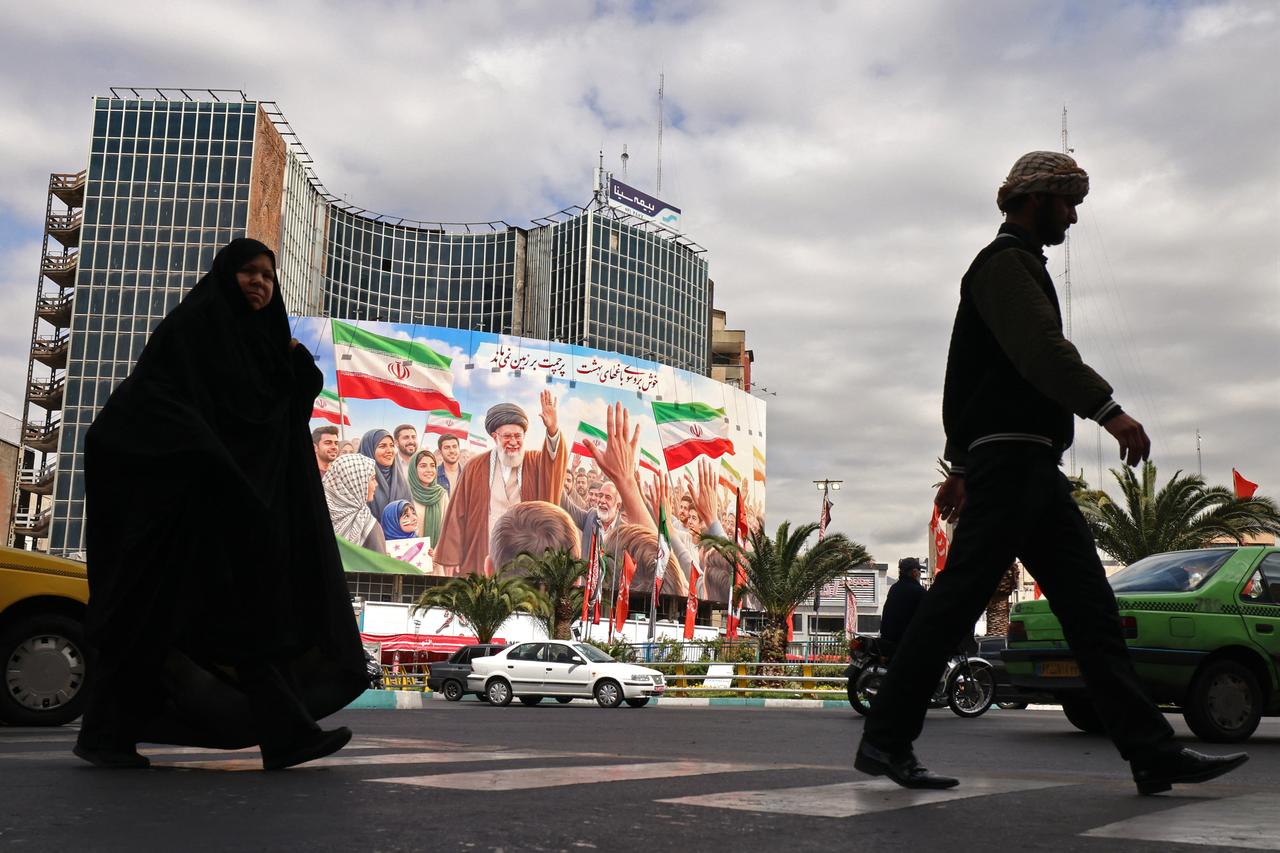
Khatib argued that the path to regional peace ran through an Iran-Gulf Arab deal but that the two sides were caught in a structural dilemma.
"Gulf Arab states say they need the U.S. presence to be protected from Iran. Iran says American presence is a threat to them," she said.
Her proposed solution: "The best path is for U.S. forces to be gradually and incrementally replaced by friendly forces from Muslim countries, countries that stand on both sides of the Gulf, on both the Iranian and Arab Gulf state sides."


 Set as preferred source
 Set as preferred source


 4 min read