Newsletters


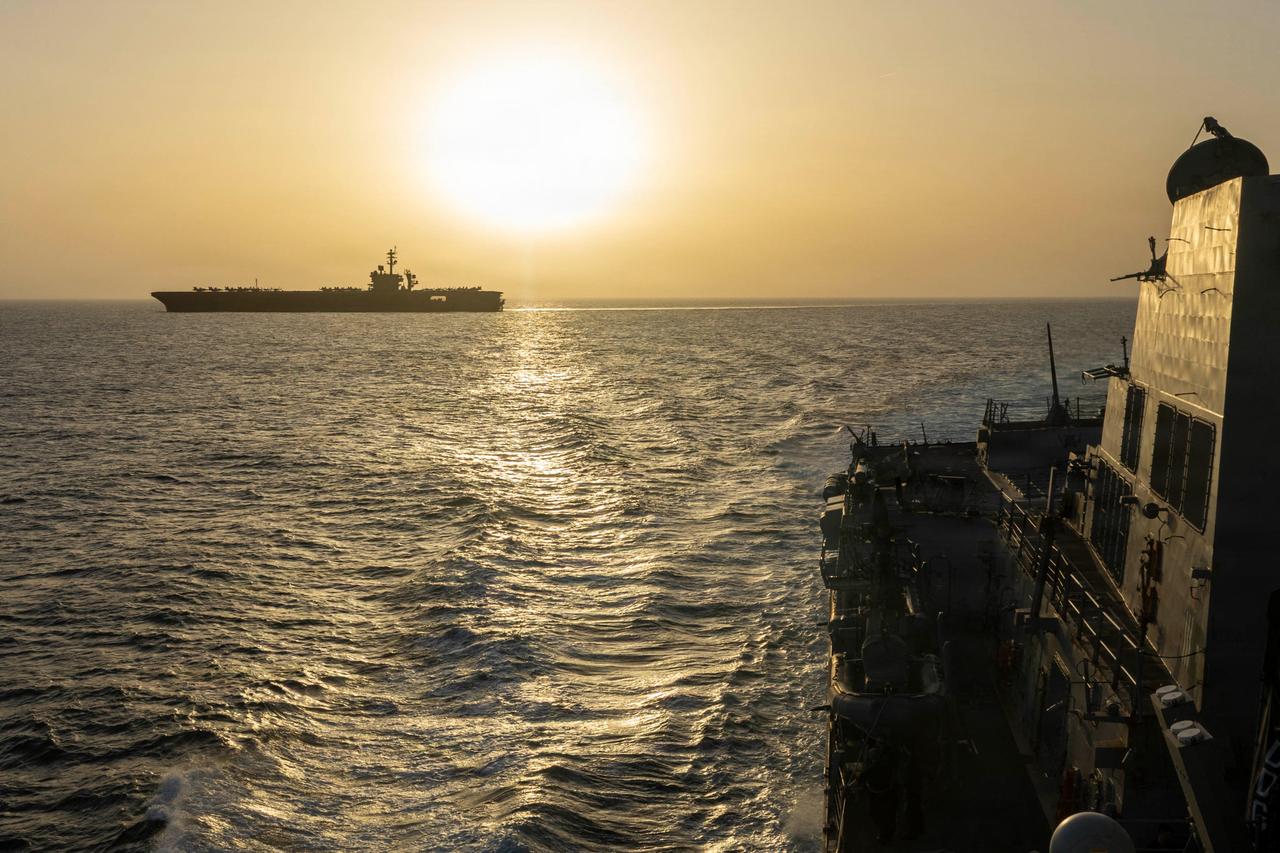


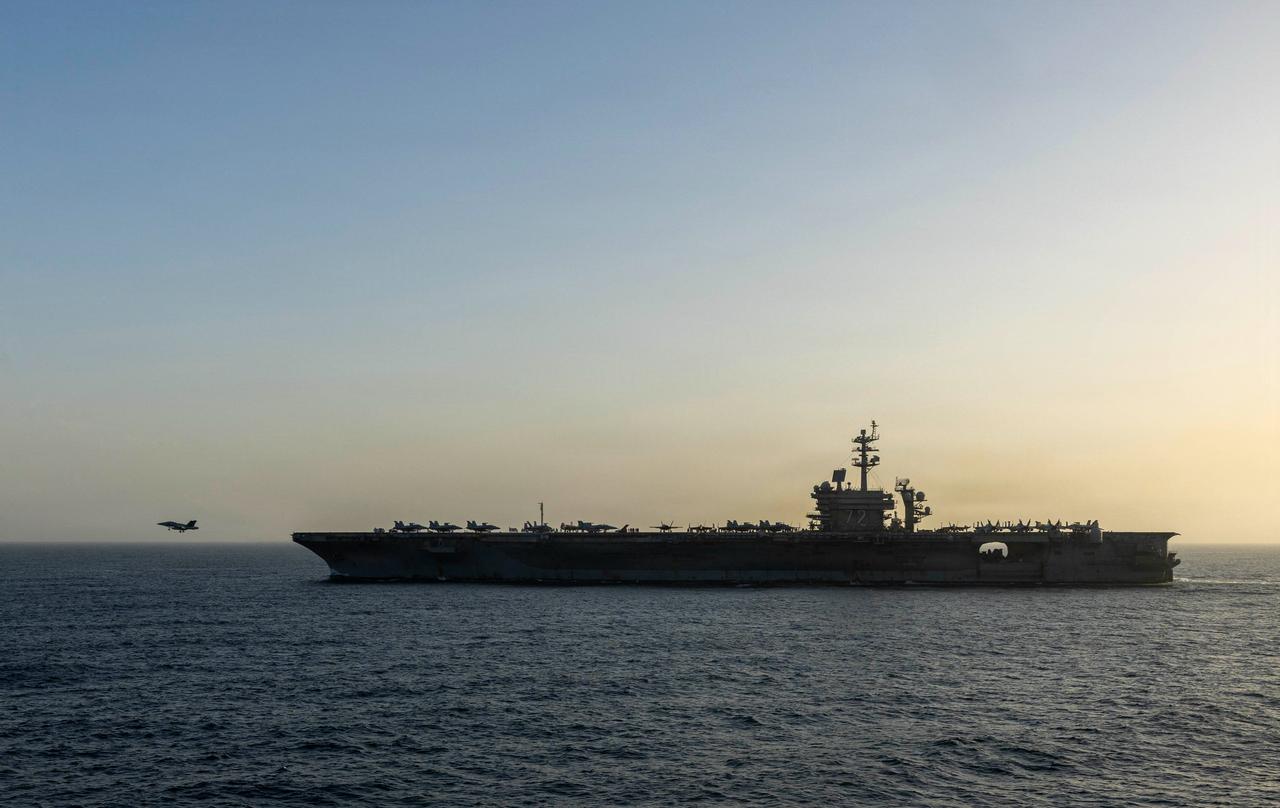
Pakistan's army chief, Field Marshal Asim Munir, told U.S. President Donald Trump that the U.S. naval blockade of Iranian ports is a hurdle to resuming peace talks between Washington and Tehran, according to a Pakistani security source, Reuters reported.
Islamabad has been stepping up efforts to bring both sides back to the negotiating table for a second round of talks expected in Pakistan this week.
The source said Munir conveyed that message during a phone call with Trump and that Trump told him he would consider the advice.
Pakistani Prime Minister Shehbaz Sharif reportedly urged Iranian President Masoud Pezeshkian to send a delegation to talks in Pakistan. However, Pezeshkian declined, stating that Iran would not participate until the blockade is lifted.
Reuters reported that Munir, who has played a central role in mediation efforts, told Trump the naval blockade was a hurdle to peace talks at the moment.
The call came after Iran rejected a U.S. proposal for new peace talks and after both sides clashed over mutual blockades in the Strait of Hormuz, a key route for global oil exports.

The Pakistani security source said Prime Minister Shehbaz Sharif also spoke with Iranian President Masoud Pezeshkian.
According to the source, Sharif asked Pezeshkian to send a delegation to talks in Pakistan.
The source said Pezeshkian replied that Iran would not do so until the blockade was lifted.
Pakistan has been pressing for a second round of U.S.-Iran peace talks in Islamabad after an initial round on April 11 did not produce an agreement.
That first round nevertheless led to the highest-level face-to-face negotiations between the United States and Iran in decades, and communication channels remained open through Pakistan.
Security was being stepped up across Islamabad on Sunday in anticipation of a second round of talks expected this week.
 1 min read
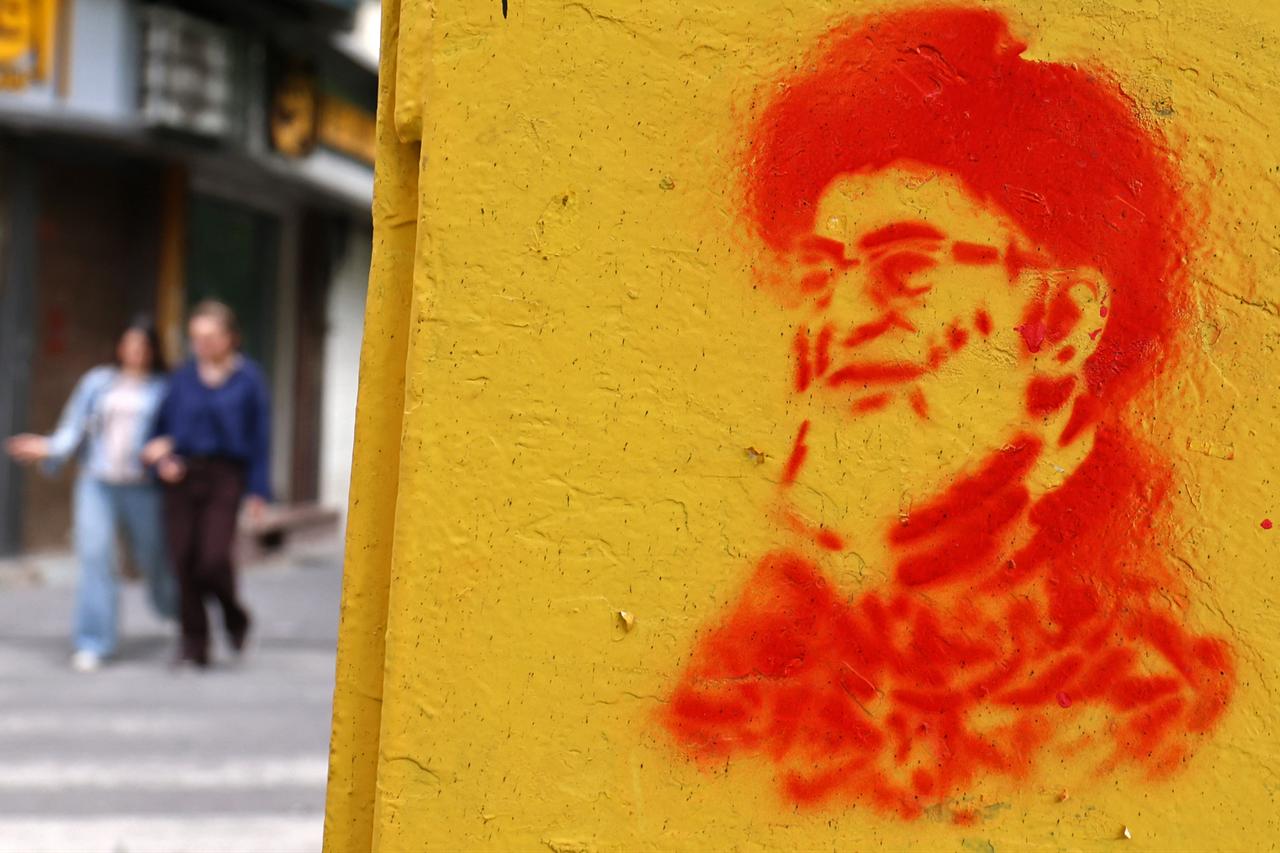
Munir traveled to Tehran on Wednesday for a three-day visit during which Iranian leaders said he carried U.S. proposals for a second round of peace talks.
At the same time, Sharif and his foreign minister visited regional allies, including Saudi Arabia, Qatar and Türkiye as part of a broader diplomatic effort.
Munir was one of two Pakistani mediators present during face-to-face talks between the United States and Iran in Islamabad on April 11.
A Pakistani official speaking on condition of anonymity described Munir's visit to Iran as important in bringing both sides back to the negotiating table.
"The deal is almost done. He is the only person who can convince Iranians for a deal -- that's because of the trust level," the official said.
A Pakistani official said that in such situations, it is not the political leadership but the military leadership that makes the decisions.
Analysts and officials cited in the report said Munir's role reflects the coordination between civilian and military leadership in Pakistan's current system.
Sheharyar Khan, executive director of the Islamabad-based National Dialogue Forum, said the current synergy between both sides was producing results and would be needed to keep the momentum going.
He said Munir was the figure with the authority to drive the process forward.
"Who is the person who can give the results? Who is the strong man? Who is controlling? Who is in the lead? That is obviously Mr. Field Marshal," Khan said.
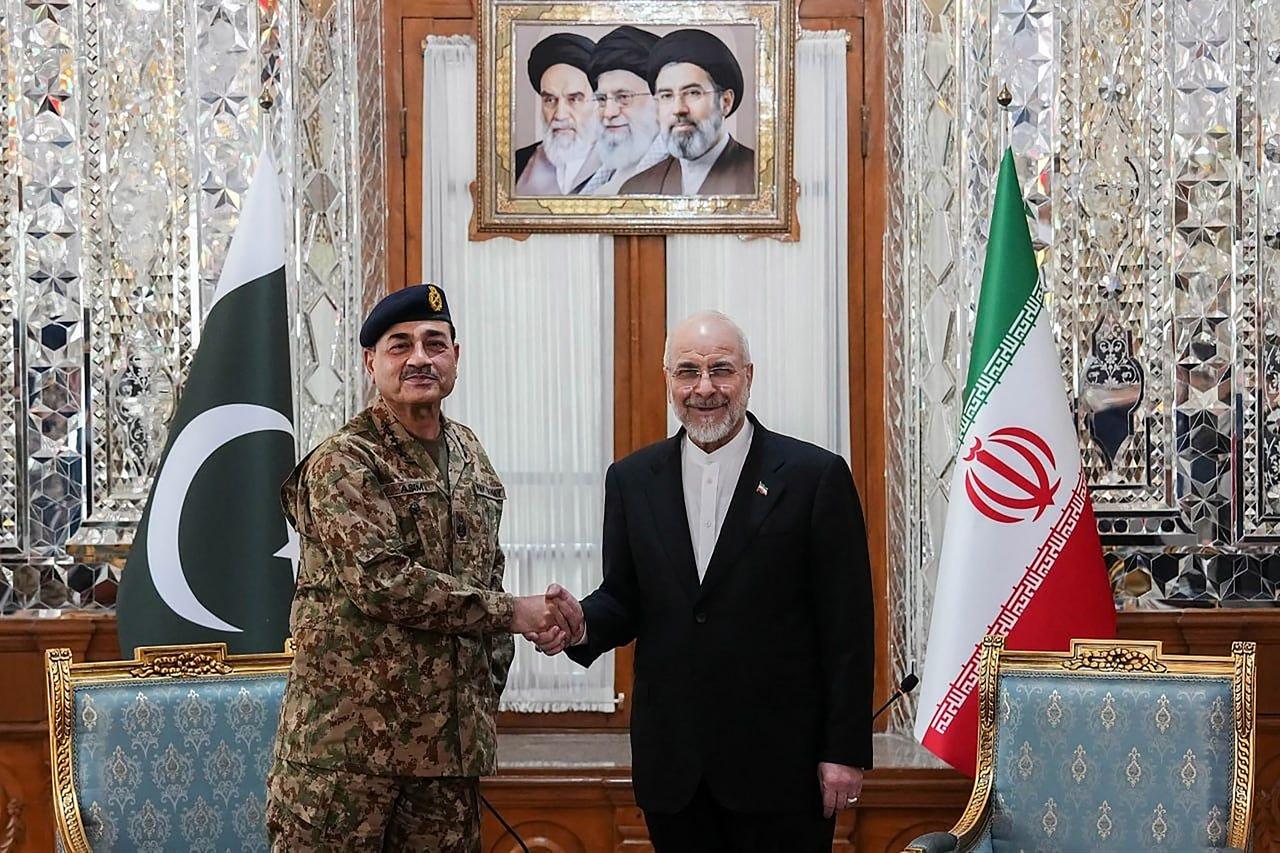
Munir has also developed a close relationship with Trump, who often refers to him as his "favourite field marshal," according to the report.
Adam Weinstein, deputy director of the Middle East program at the Quincy Institute in Washington, said that the relationship was important because Munir was seen as having the closest ties with Trump.
Weinstein said Munir focused on Iran, which he described as the key stakeholder, while the prime minister focused on regional states whose support matters but is less critical.
Muhammad Saeed, a retired Pakistani general, said Munir was in direct communication with the U.S. leadership to work through sticking points in the dialogue with Iran.
"His presence is bringing both the sides to a middle ground," Saeed said.


 Set as preferred source
 Set as preferred source



 1 min read