Newsletters


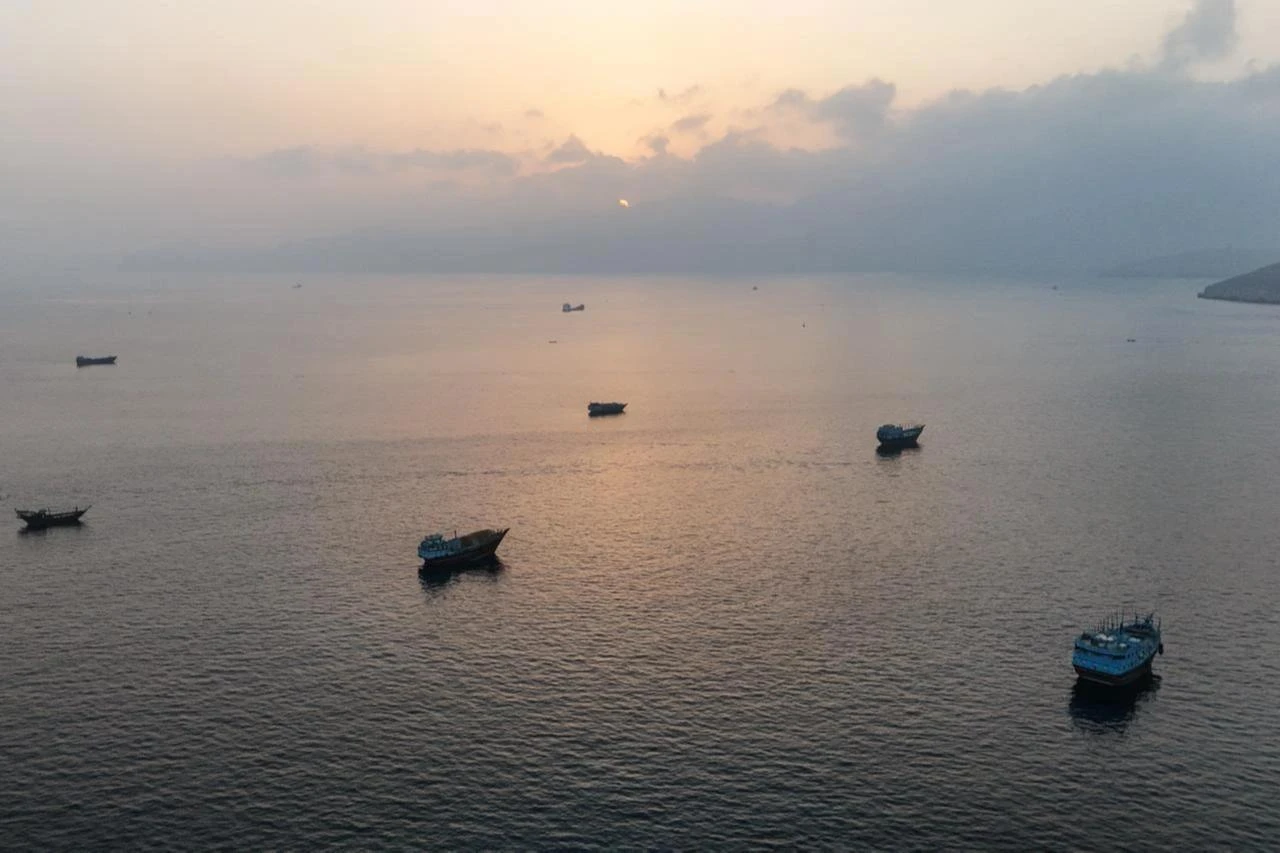


A proposed agreement between Iran and Oman would give Tehran control over ships entering the Gulf through the Strait of Hormuz, a senior Iranian source and two regional officials reportedly told Reuters on Wednesday.
The arrangement would represent one of the biggest concessions made to Iran during negotiations over the strategic waterway. However, the sources disputed U.S. President Donald Trump’s assertion that a deal to reopen the strait was imminent, saying important details remained unresolved.
“The concession has already been made regarding some form of control over Hormuz,” one regional source told Reuters.
Another regional source said negotiators had yet to determine how Iran’s “control” would be defined.
Gulf countries are insisting that regional states supervise inspections of ships and that any transit fees be voluntary, the source said.
The senior Iranian source said the draft agreement already under consideration would give Iran control over ships traveling into the Gulf through the strait.
A major sticking point remained what authority Iran would have over vessels traveling in the opposite direction, the source said.
Washington did not immediately respond to the disclosures about the proposed agreement.
U.S. officials have repeatedly said they would not accept an arrangement allowing Iran to control access to the world’s most important trade route for energy supplies.
Trump and senior members of his administration, however, have said in recent days that an agreement was close to ending the war launched in February, which polls show most U.S. voters oppose.
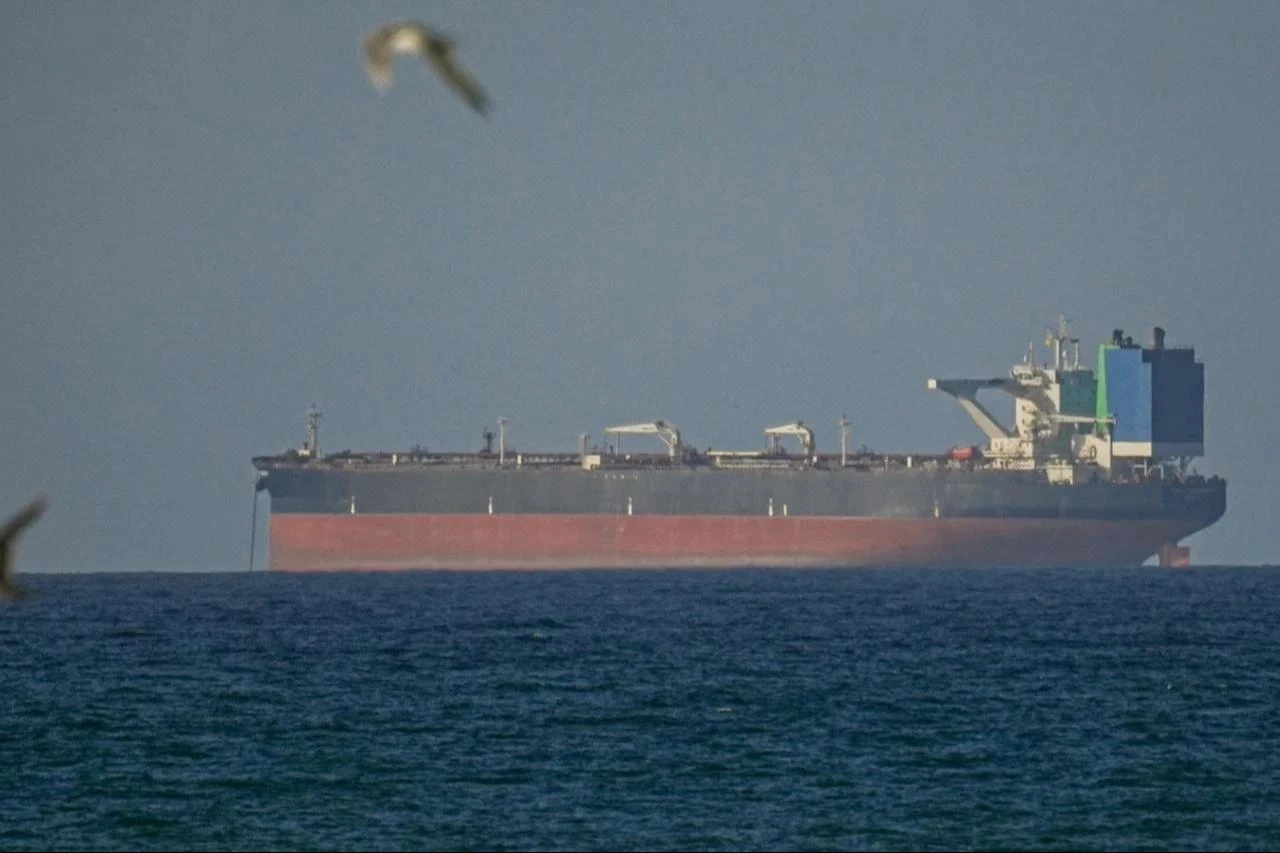

Tehran and Washington are not holding direct negotiations. Iran has instead been negotiating with Oman, which controls the opposite shore of the Strait of Hormuz.
Iran rejected an earlier Omani proposal last week, saying it gave Tehran too little influence over shipping arrangements.
Trump told Fox News overnight that the talks were “moving along nicely” and said an “all-day negotiation” had taken place Tuesday.
The Strait of Hormuz “is going to be open very soon,” Trump said. “If they back out again, they are going to get hit really hard.”
Trump cited the negotiations over the weekend when he canceled plans for what he called “massive attacks” on Iran, a pattern he has repeated several times during the war.
The senior Iranian source played down the possibility of a quick agreement, noting that Iranian Foreign Minister Abbas Araqchi was on holiday.
“Talks are continuing, but it is too early to say that a deal with Oman has been finalised,” the source said.
Another Iranian source said the negotiations remained fragile.
“The devil is in the details. A single tweet from Trump could cause the whole thing to collapse,” the source said.
Before the war, the Strait of Hormuz was open to all ships without transit fees.
The senior Iranian official said Tehran was seeking payments equal to between 5% and 7% of the value of cargoes carried through the waterway.
Oman was discussing lower fees of about 3%, while Washington wanted no fees at all.
Making the payments voluntary, at least officially, could offer a possible way out of the dispute. However, the implied threat of Iranian attacks could discourage shipping companies from attempting to transit without paying.
An agreement granting Iran any authority over access to the strait would mean the war launched by the U.S. and Israel had produced a major shift in the regional balance of power in Tehran’s favor.
Trump initially said “Operation Epic Fury” would end with Iran’s “unconditional surrender” and with him approving the choice of its leader.
He has since faced pressure to find a way out of a conflict that U.S. voters now oppose by a two-to-one margin.
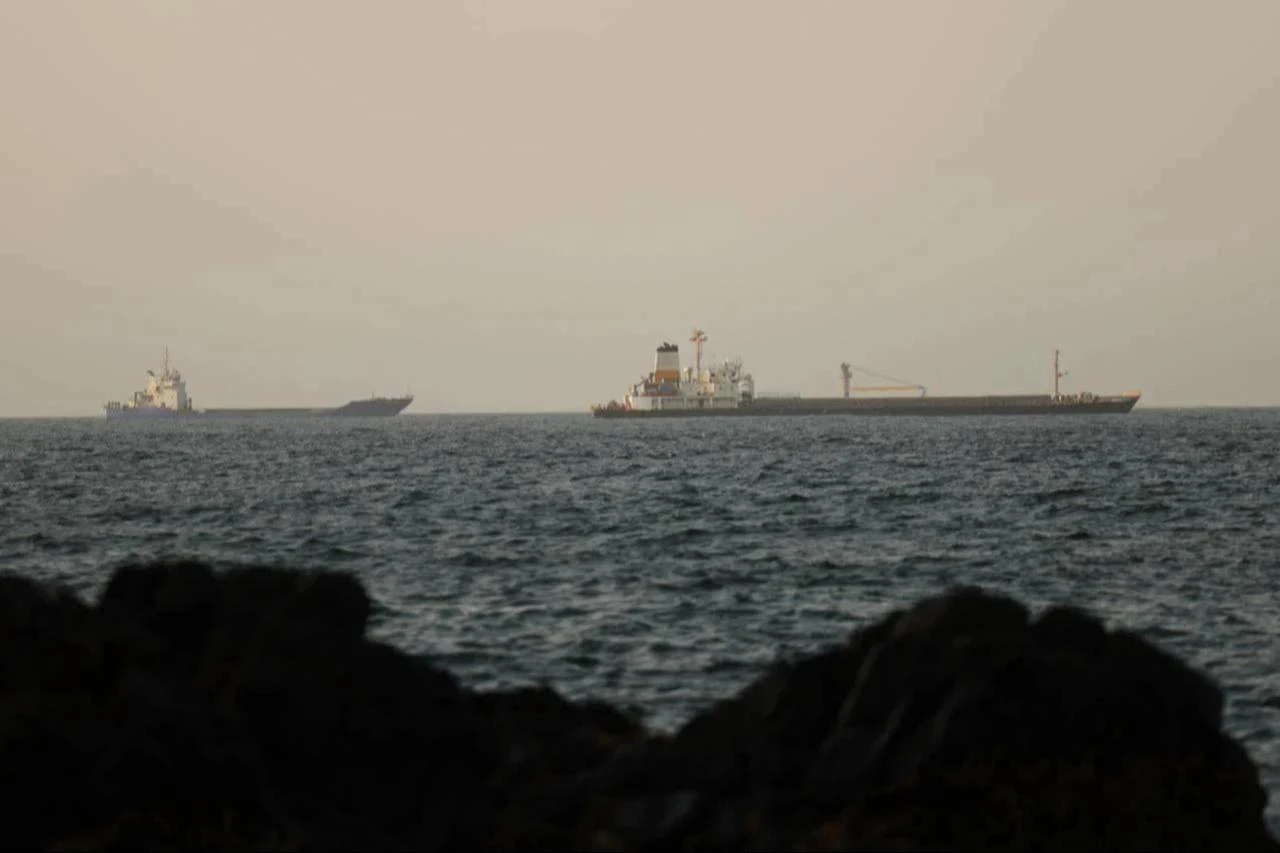
Months of U.S. military operations, including a two-week campaign of strikes in July, have not broken Iran’s grip on the strait.
U.S. commanders advised Trump in July that supplies of some munitions were running low. Reuters reported Tuesday that the U.S. Army had used nearly all of its long-range precision missiles.
Periodic U.S. military escalations have been met by stronger responses from Iran and its regional allies, including the Iran-aligned Houthi movement.
The Houthis control much of Yemen and another major regional shipping chokepoint at the entrance to the Red Sea.
Oil prices rose Wednesday after the Houthis said they had fired on a Saudi-flagged tanker in the Red Sea, the latest attack on Middle Eastern shipping to disrupt global energy supplies.
Global crude prices nevertheless remained close to their lowest levels since early July after falling sharply over the previous two days.
The decline followed Trump’s decision to cancel additional attacks on Iran because of negotiations he said could end the conflict.
The Houthis said Wednesday that they had again struck a Saudi tanker to enforce what they describe as a blockade of Saudi oil shipments using the main route that bypasses the Strait of Hormuz.
A projectile sank an Indian-flagged vessel near Yemen on Tuesday, Indian officials said.
All 14 crew members, including 13 Indians, were rescued.


 Set as preferred source
 Set as preferred source


 1 min read
 1 min read