Newsletters


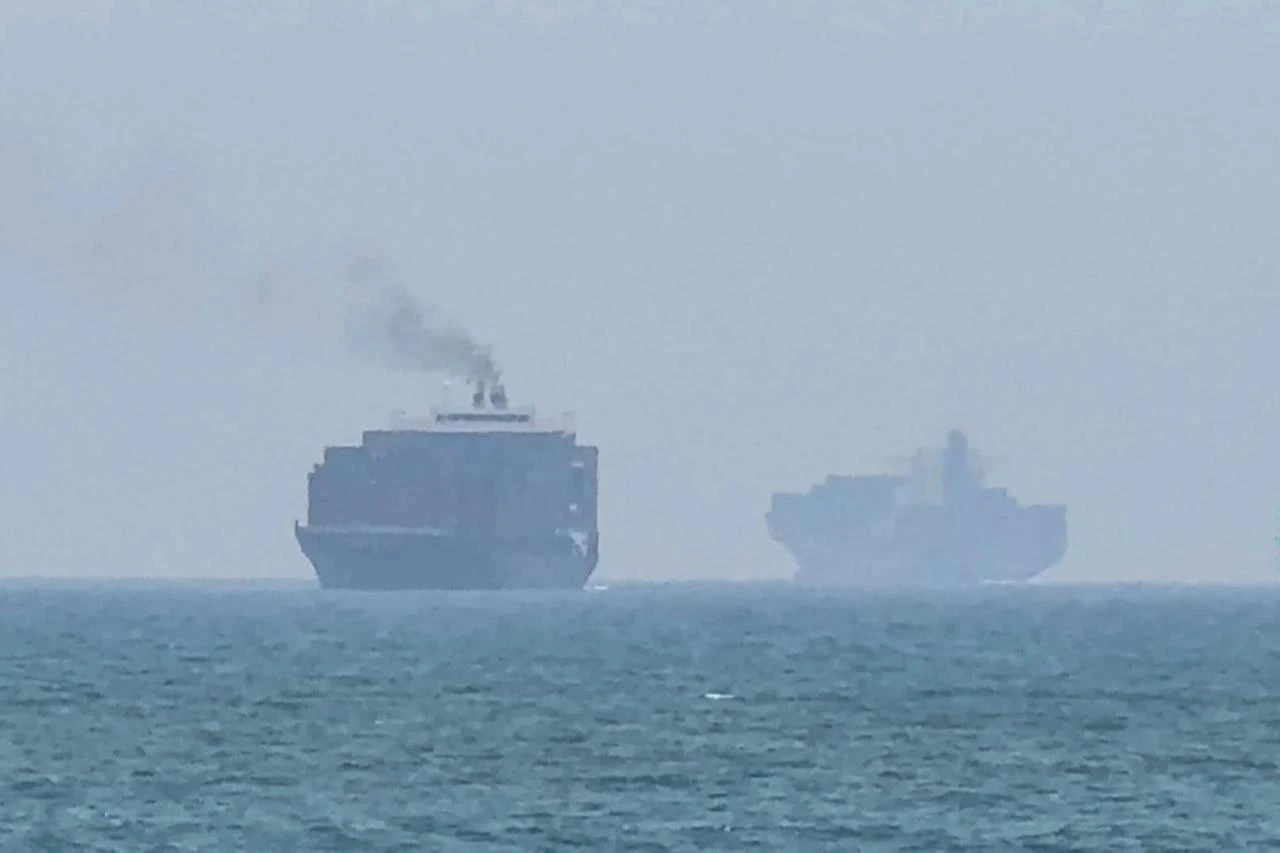


Tehran and Muscat are close to agreeing on a new maritime corridor through the Strait of Hormuz that would differ from the existing northern and southern shipping lanes, Iran's foreign ministry said Sunday, signaling a potential breakthrough in months of negotiations over the world's most consequential oil chokepoint.
Foreign Ministry spokesman Esmaeil Baqaei, speaking in an interview with state television, said the two sides were converging on an arrangement that neither nation had formally proposed before.
"We are now going to reach an understanding on a route acceptable to both sides, neither the northern route nor the southern route, but one that respects the sovereign rights of both sides and safeguards our national interests and security," he said.
The announcement came as Foreign Minister Abbas Araghchi separately told the IRNA state news agency that negotiations with Oman, which shares the strait's southern shore with Iran, were in their final stages, though he offered no further detail. Muscat did not immediately comment on either statement.
The Strait of Hormuz is the narrow passage connecting the Persian Gulf to the Gulf of Oman and the wider Arabian Sea. Before the outbreak of war on February 28, roughly 20 percent of global oil consumption passed through it on a typical day, making it the single most critical energy chokepoint in the world. Iran has maintained effective control over the waterway since hostilities began.
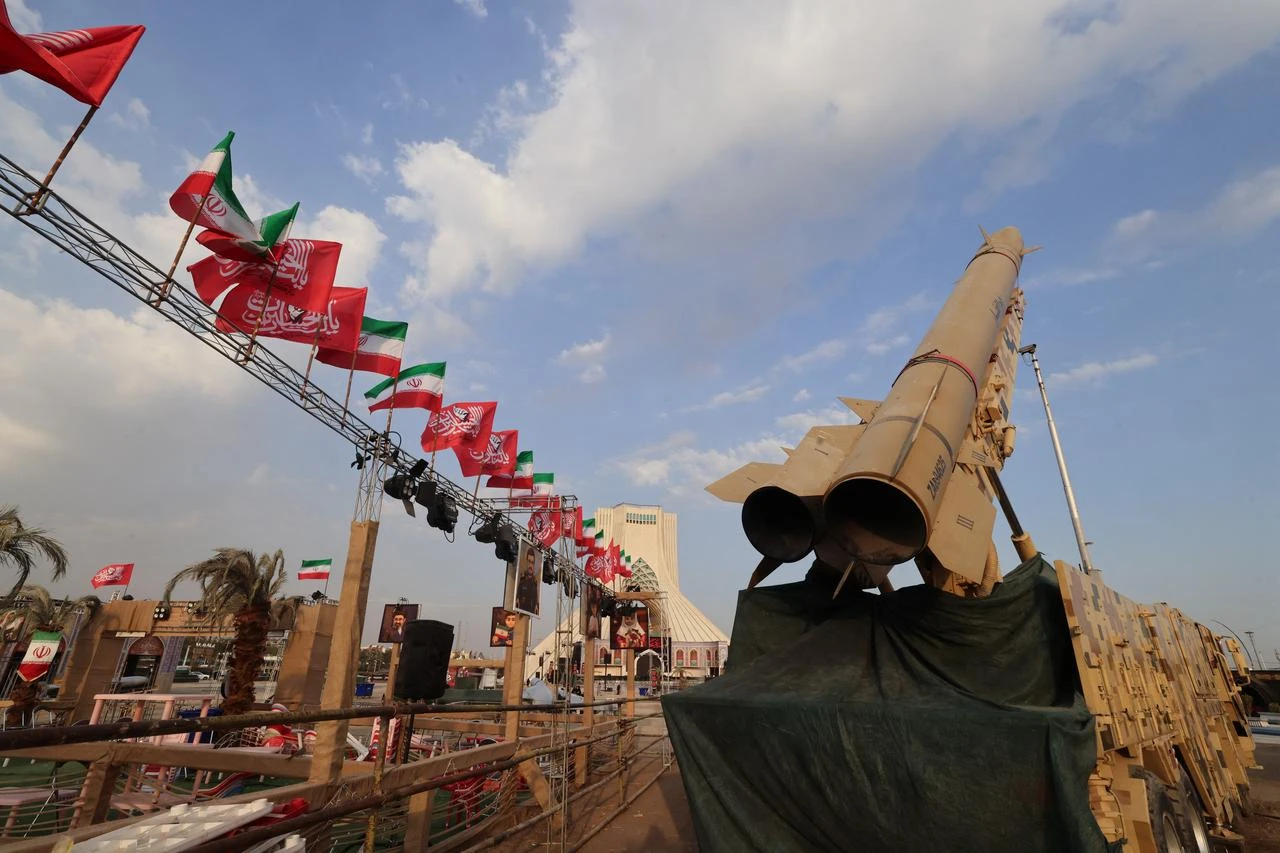

Baqaei was careful to separate the question of a new route from the broader issue of whether the strait itself might reopen, saying that any Iran-Oman understanding "has nothing to do with whether the Strait of Hormuz is reopened or remains closed."
He placed responsibility for the closure squarely on the United States, citing what he described as a naval blockade and a series of hostile measures against the Islamic Republic.
"The Strait was closed because of the United States' breach of its commitments, its naval blockade of Iran, and all the hostile measures that the United States has taken against the Islamic Republic of Iran during this period," he said.
The negotiations take place against the backdrop of a failed diplomatic agreement between Tehran and Washington.
The two governments reached a deal in mid-June that ended months of hostilities and included provisions addressing both the Strait of Hormuz and a resumption of diplomacy. That accord subsequently collapsed after each side accused the other of violating its terms, leading to US strikes on Iran and Iranian retaliatory attacks across the region.
The strait is shared between the territorial waters of Iran to the north and Oman to the south, a geographic reality that has long given Muscat a mediating role in disputes involving its larger neighbor. Oman has maintained diplomatic relations with both Tehran and Washington throughout the conflict, and has served as a key back-channel throughout the crisis.


 Set as preferred source
 Set as preferred source


 2 min read
 1 min read