Newsletters




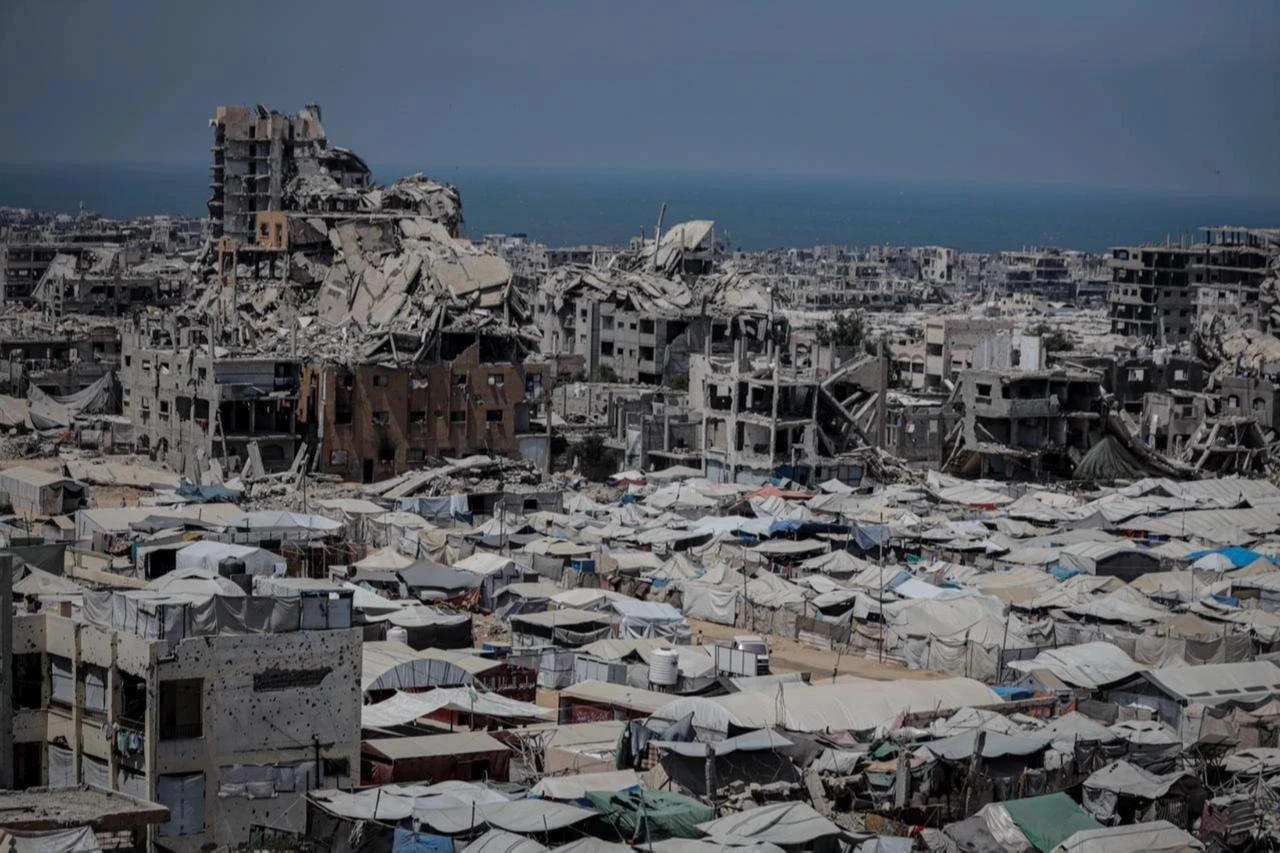
Qatar has announced the launch of a project to support the voluntary return of Syrian refugees in Lebanon, in cooperation with the International Organization for Migration (IOM), under a program targeting around 100,000 people.
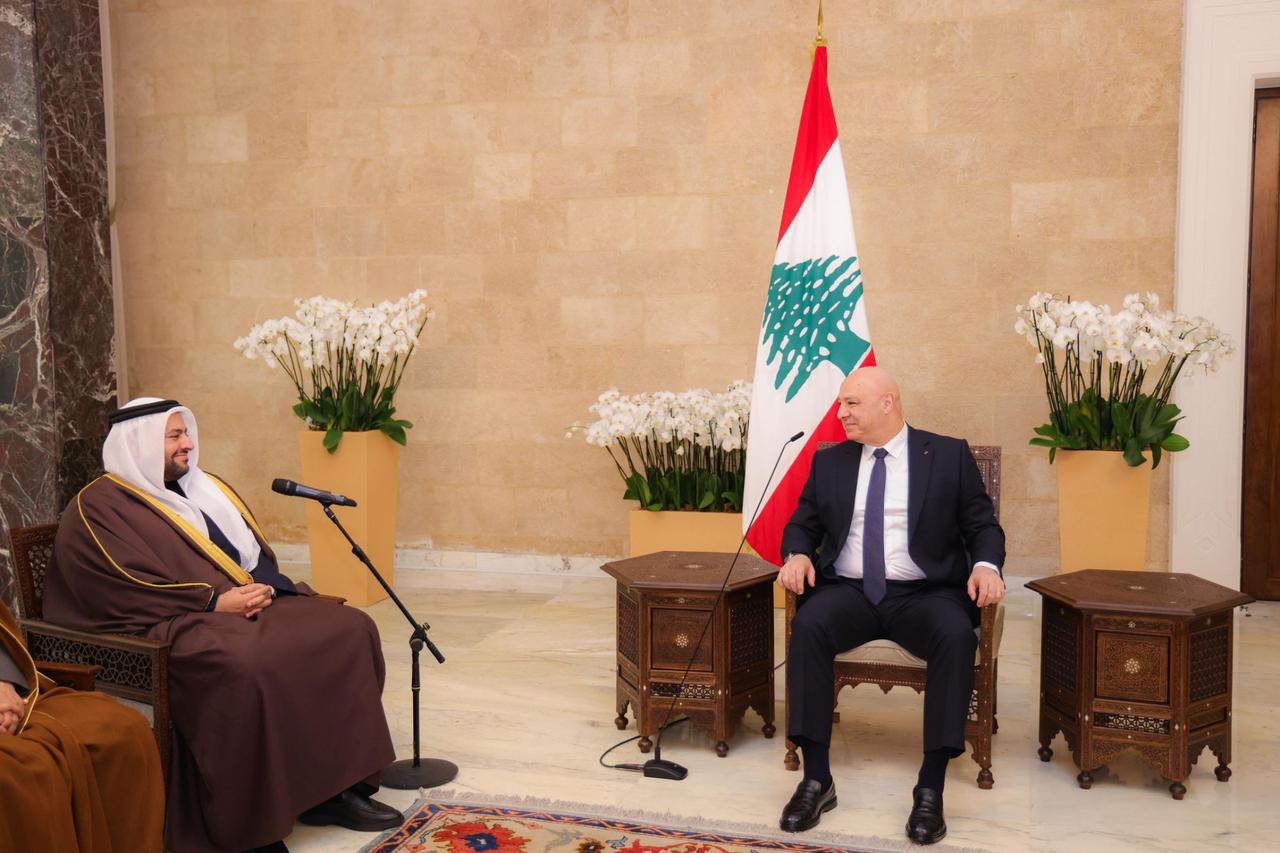
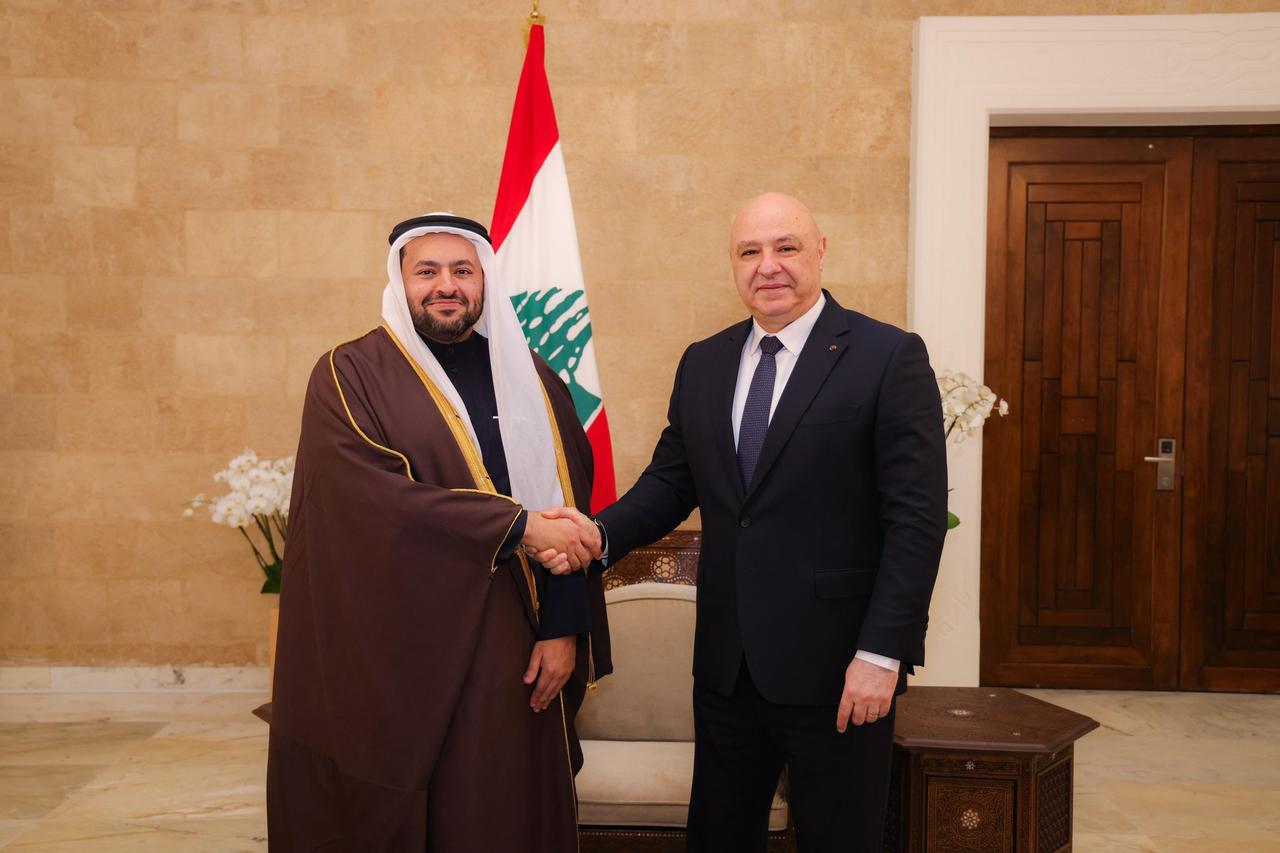
The announcement was made by Qatar’s Minister of State at the Ministry of Foreign Affairs Mohammed bin Abdulaziz al-Khulaifi during a press conference with Lebanese Deputy Prime Minister Tarek Mitri in Beirut.
Qatar also announced Monday a package of assistance to Lebanon, including the allocation of $360 million for economic projects and $40 million for the electricity sector.

In a statement issued Wednesday, Captain Maroun al-Khouli, the general coordinator of the National Campaign for the Return of Syrian Displaced Persons, thanked Qatar, its leadership, government, and people for what he described as a distinctive and responsible initiative.
He said the initiative involves allocating direct support to facilitate the return of 100,000 Syrian displaced persons from Lebanon to their country, within an integrated humanitarian approach and in cooperation with the International Organization for Migration (IOM). Khouli added that the campaign had formally approached the Arab League, calling on it to assume its pan-Arab responsibilities toward Lebanon, based on the principle of burden-sharing.
He rejected the idea of leaving a single country to face alone what he described as one of the region’s most serious displacement crises. He said the Qatari initiative offers a model to be emulated and a message to both Arab and international actors to move from “denial” to action.
In 2025, Lebanon saw notable developments in the Syrian refugee file, with the Lebanese government announcing that more than half a million Syrian refugees had returned to Syria over the past year through what it described as “safe and organized” channels, marking the first major return since the outbreak of the Syrian war in 2011.
However, around 1 million Syrians are still living in Lebanon and face major economic and humanitarian challenges, particularly as international support has declined and living pressures have intensified, making the decision to stay or return extremely difficult for many.
In June 2025, the Lebanese government announced a new multi-phase plan for Syrians’ return to their country, including both organized and unorganized returns.


 Set as preferred source
 Set as preferred source


 4 min read