Newsletters


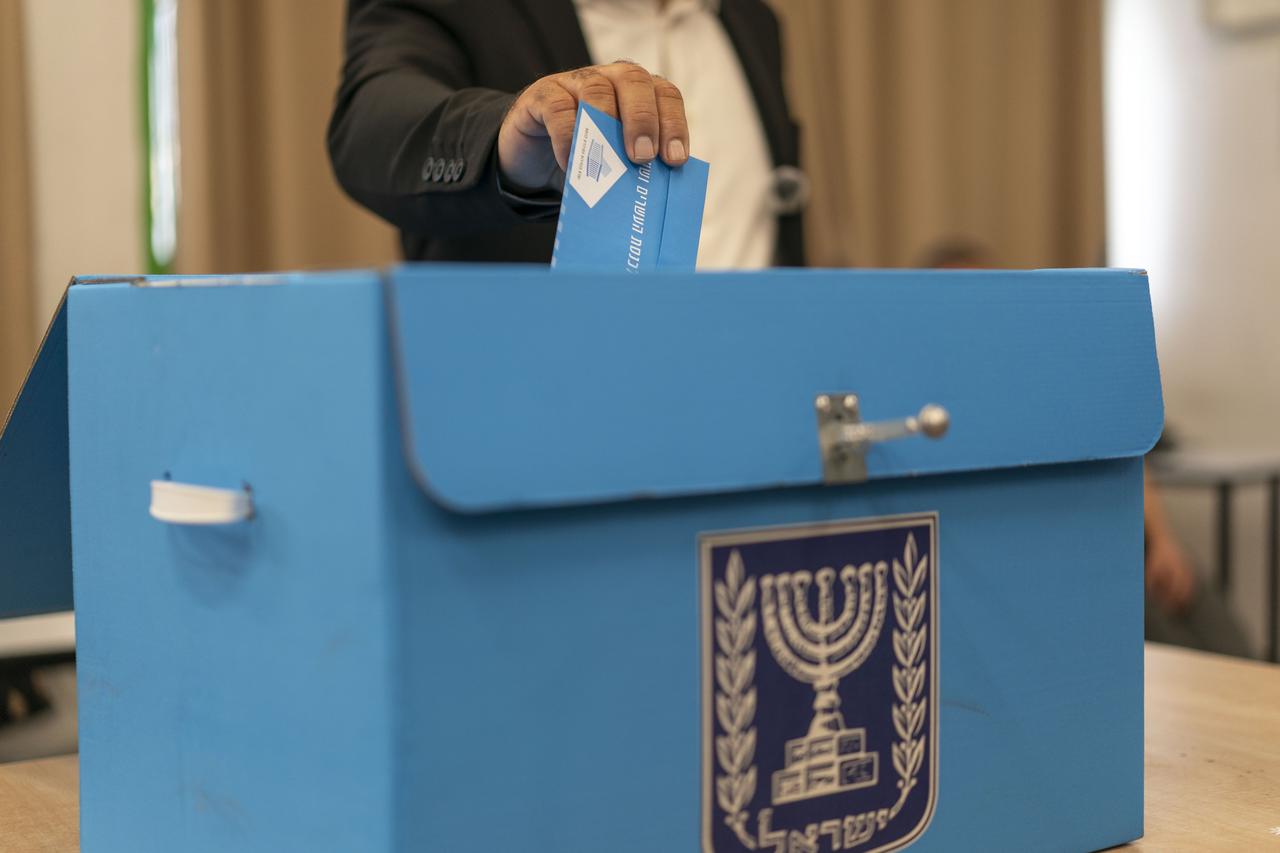


Qatar on Thursday categorically denied interfering in Israel’s election or funding efforts to influence its outcome, calling accusations by Israeli politicians "ridiculous and dangerous in equal measure."
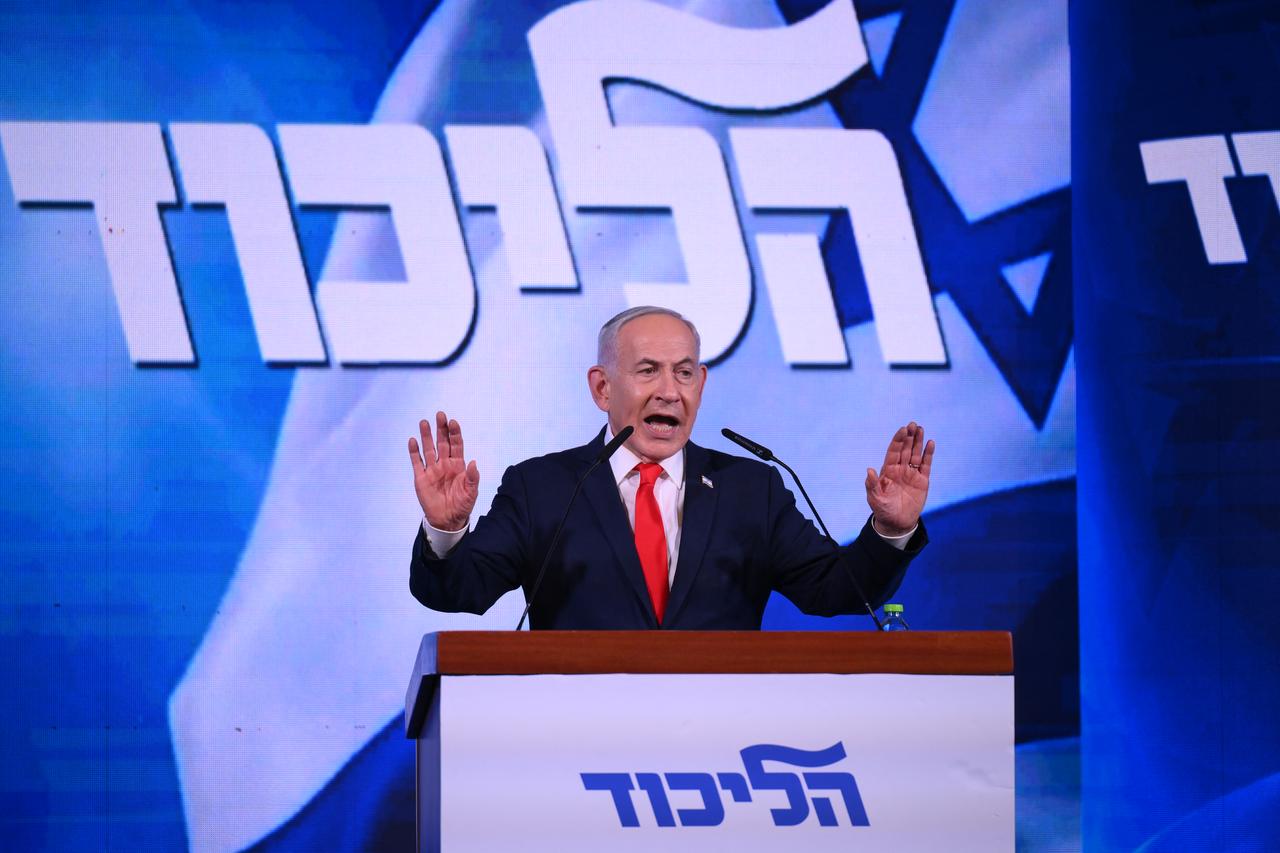
The denial came after Israel’s Central Elections Committee chairman asked the Shin Bet to investigate suspected foreign funding to boost Arab turnout, and Prime Minister Benjamin Netanyahu’s camp, without evidence, accused Arab parties of receiving Qatari money.
"We categorically deny allegations that Qatar has interfered in Israeli elections or funded any activities intended to influence their outcome," Foreign Ministry spokesperson Majed al-Ansari wrote on X.
"They accuse Qatar of buying off Benjamin Netanyahu, the Israeli political left and now, in this latest campaign, the Arab vote. These accusations are ridiculous and dangerous in equal measure," he said.
"Qatar should not be used as a scapegoat for the political failures of certain Israeli politicians," Ansari said, noting, "None of this will distract us from our important role as a mediator."
"If these claims were to be believed, Qatar would apparently own all of Israel," he wrote.
The Qatari statement said it would be better for those politicians, "instead of trying to divert attention toward us, to respond to their voters’ hopes and address the consequences of their destructive policies on the region."
Qatar is a key mediator between Israel and the Palestinians and is leading mediation between Washington and Tehran to end the regional war.

United Arab List (Ra’am) leader Mansour Abbas also rejected the allegations and welcomed the investigation.
"Ra’am has no connection whatsoever to the affair in question or to any other affairs, and we declare that we will fully cooperate with all law enforcement authorities to uncover the truth," Abbas said.
Abbas accused Netanyahu of a campaign of incitement against Arab citizens, saying he was the one "whose office employs Qatari agents."
The Joint List said the accusations exposed Netanyahu’s "fear of its political strength." Arab lawmaker Ahmad Tibi, responding to Netanyahu on X, wrote: "In Doha, I told Al Jazeera that we very much wanted to shake your throne. Those with a guilty conscience get defensive, you corrupt man!"
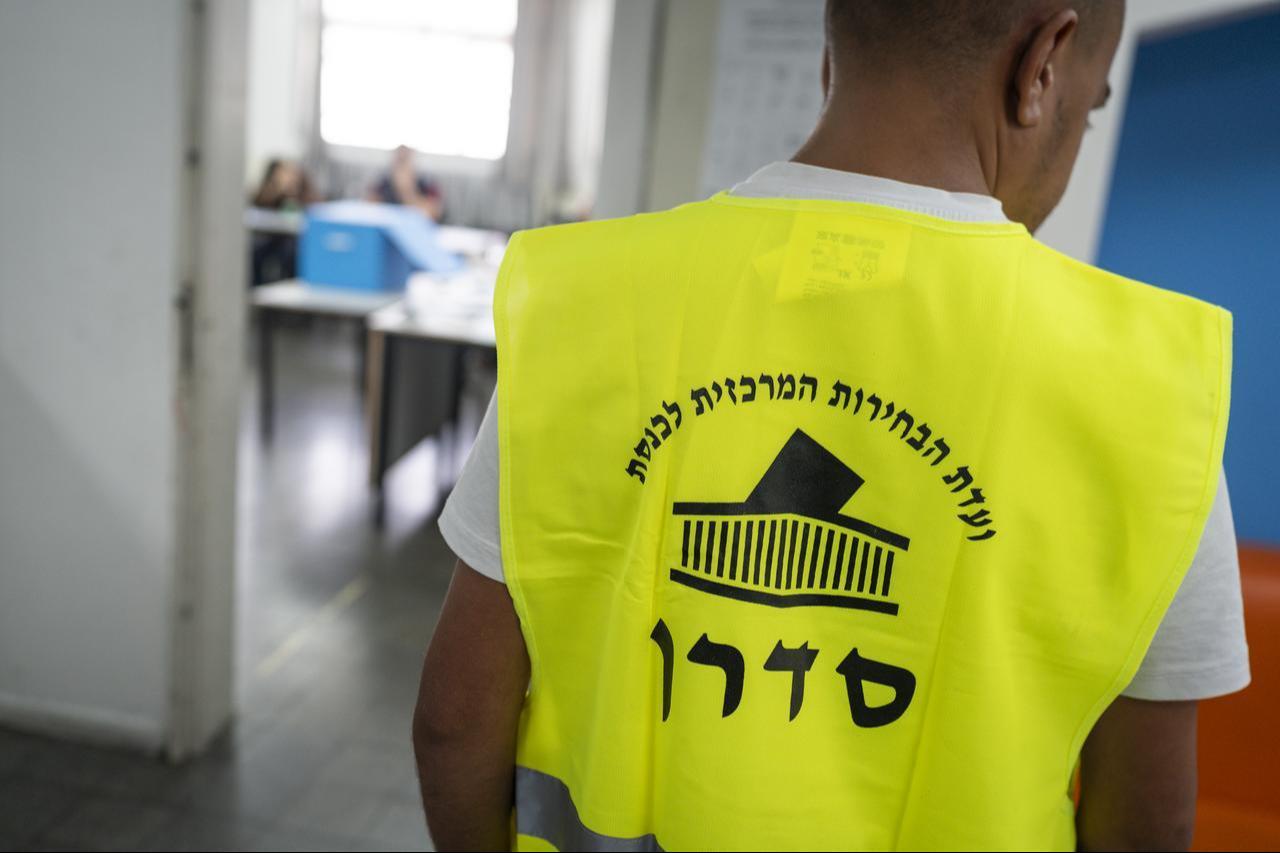
"The elections were conducted lawfully, and there is no basis to claims of systematic harm to the integrity of the elections at polling stations," acting election committee director-general Dean Livne wrote. "The many publications in the media have no basis."
He said "classified and sensitive information" had raised suspicions requiring deeper examination to check whether evidence supports them.
Likud plans to seek the annulment of results at some polling stations in Arab areas, senior party officials told Yedioth Ahronoth.
Opposition leader Gadi Eisenkot called foreign interference “unacceptable and extremely serious," particularly involving a country that "funds and supports Hamas."
He accused Netanyahu of using the allegations to delay results and undermine the incoming Knesset.
Doha has repeatedly said its aid goes to Palestinians in Gaza with the knowledge of Israel and the U.N.
Together party leader Naftali Bennett said he had repeatedly urged Netanyahu to declare Qatar an enemy state and noted Netanyahu still employs advisers "who have already been shown to have received hundreds of thousands of dollars from Qatar."
Two of Netanyahu’s aides were arrested last year over alleged payments from Qatar.
Far-right figures escalated. Zehut leader Moshe Feiglin called for annulling the results and stationing Border Police at Arab polling stations, while Otzma Yehudit lawmaker Yitzhak Kroizer urged supporters to "arm yourself."
With 97.3% of votes counted, Netanyahu’s bloc held 53 seats, the opposition 48 and Arab parties 19. The new Knesset is expected to be sworn in on Nov. 10.


 Set as preferred source
 Set as preferred source


 3 min read