Newsletters




Qatar's Foreign Ministry wrote on X Wednesday evening that it had declared the military and security attaches of the Iranian Embassy, as well as the staff in their offices, persona non grata. The ministry said it had requested they leave the country within 24 hours. The decision came after repeated Iranian targeting and acts of aggression toward Qatar, the ministry's statement said.
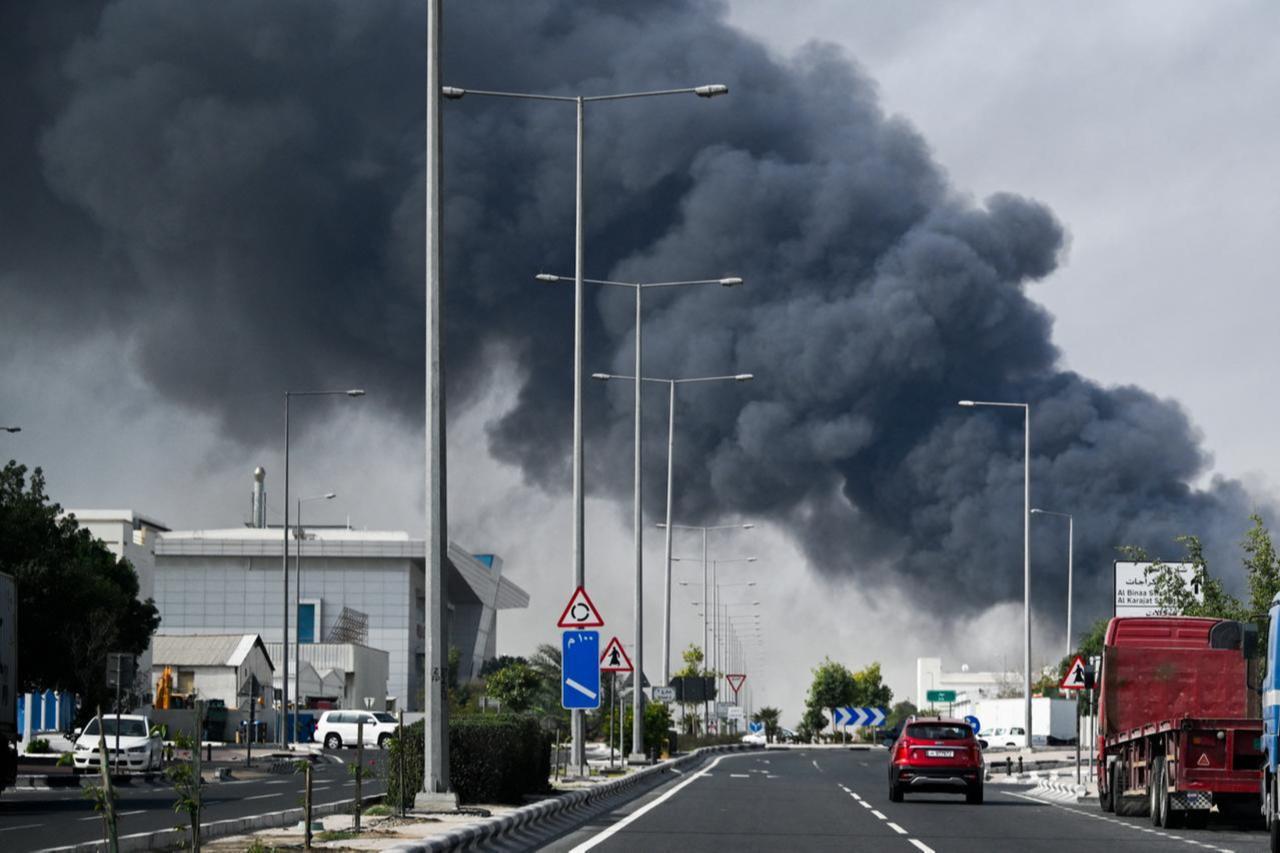
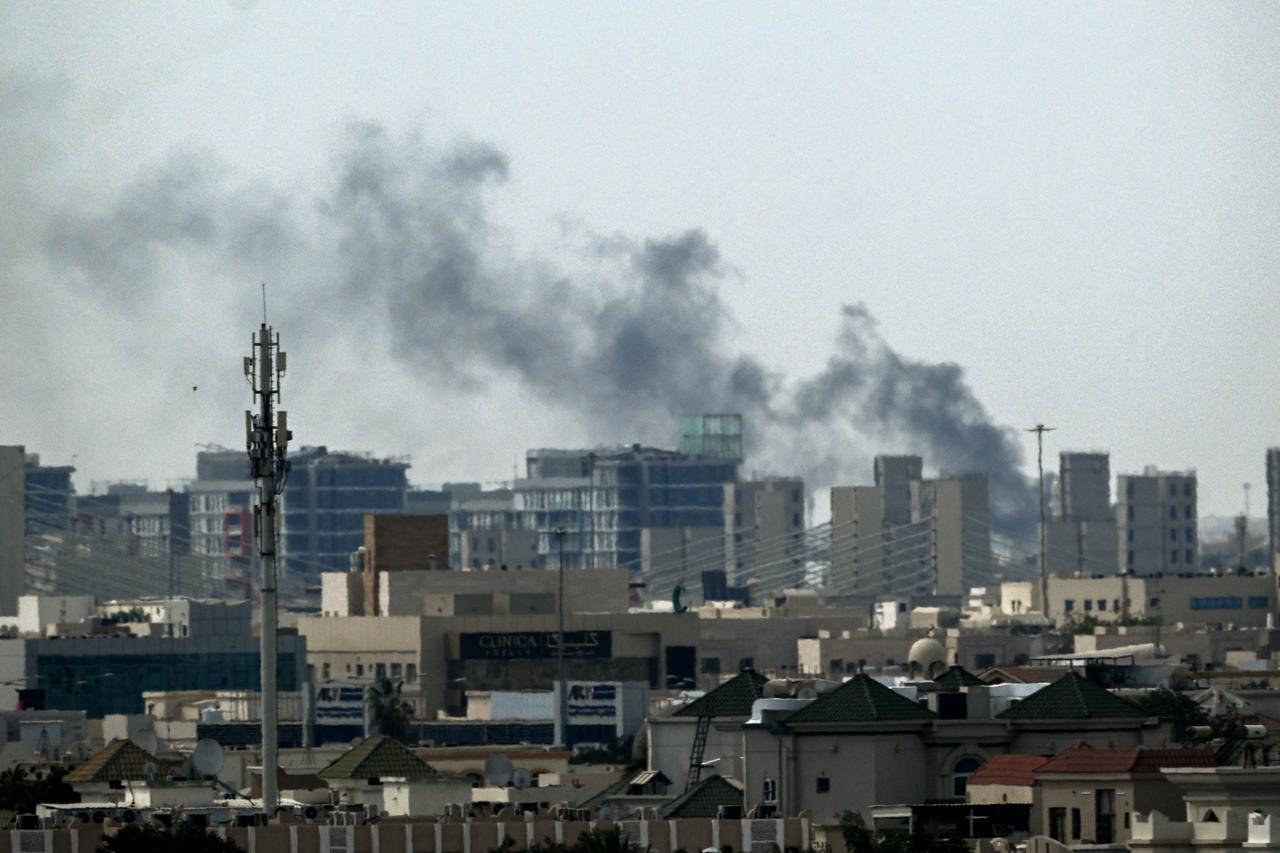
The expulsion order followed a day of dramatic escalation that saw an Iranian missile slam into Ras Laffan Industrial City, the sprawling complex northeast of Doha that houses the world's largest liquefied natural gas production facility.
QatarEnergy confirmed the strike had caused "extensive damage," though all personnel were accounted for and no casualties were reported. Civil defense teams were deployed to contain fires at the facility, which typically produces about 20 percent of global LNG supply.
The twin developments, one diplomatic and one kinetic, represent the sharpest rupture yet between two nations that for decades maintained one of the Gulf's most durable partnerships, bound together by the massive gas field they share beneath the waters between them.
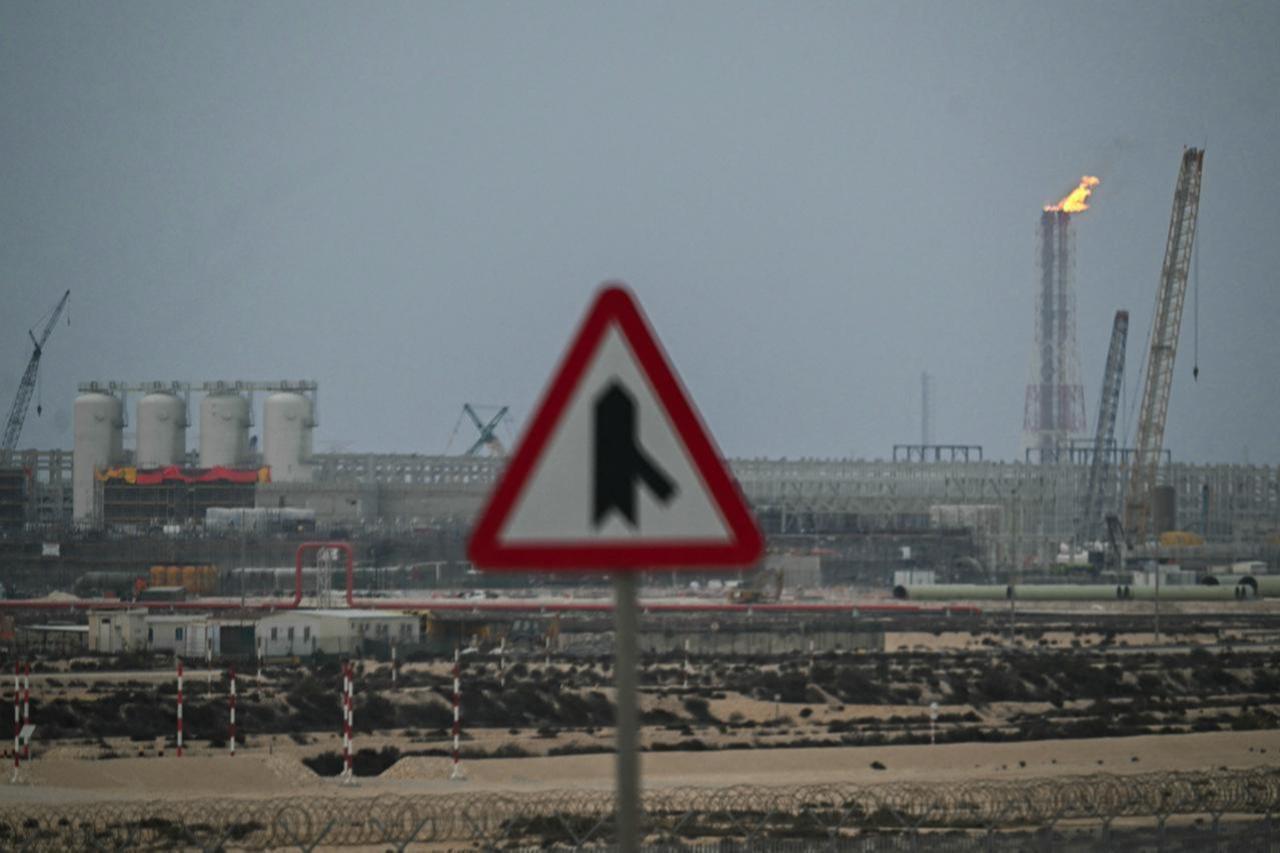

Hours before the missile hit Ras Laffan, Iran's semiofficial Tasnim news agency published an explicit warning naming five energy facilities across Saudi Arabia, the UAE, and Qatar that Tehran said would be attacked "in the coming hours."
The Qatari targets listed were the Ras Laffan Refinery and the Mesaieed Petrochemical Complex and Holding Company. The warning called on all citizens, residents, and employees to evacuate immediately.
Qatar's Ministry of Defense said five ballistic missiles were launched at the country. Armed forces intercepted four of them, but one struck Ras Laffan Industrial City, igniting a fire at the complex located 80 kilometers northeast of Doha.
The facility had already been evacuated earlier in the day following Iran's threat, according to Reuters.
Qatar's Foreign Ministry condemned what it called "the brutal" Iranian targeting of Ras Laffan, describing the assault as "a dangerous escalation, a flagrant violation of its sovereignty, and a direct threat to its national security."
The ministry said Qatar "will not hesitate to take all necessary measures to protect its sovereignty and security" and urged the UN Security Council to enforce Resolution 2817, which denounced Iranian attacks on Gulf Cooperation Council countries.
The strike came on a day when energy infrastructure across the Gulf was under threat. An Israeli attack earlier Wednesday hit Iran's South Pars gas field, the Iranian side of the same massive reservoir that Qatar exploits as its North Field.
Qatar's foreign ministry spokesman Majed al-Ansari condemned the Israeli strike as well, calling it "a dangerous and irresponsible step" and warning that targeting energy infrastructure constitutes a threat to global energy security.
Brent crude climbed 3.8 percent to settle at $107.38 a barrel on Wednesday, while Europe's gas benchmark jumped 6 percent, according to Bloomberg.
The collapse between Doha and Tehran has unfolded at a pace that would have seemed unthinkable just months ago. As recently as September 2025, Iranian Foreign Minister Abbas Araghchi visited Qatar and declared that there were no differences between the two countries.
Qatar had long served as one of Iran's most important diplomatic interlocutors in the Gulf, facilitating communication between Tehran and Washington and helping broker a prisoner exchange in 2023.
The two countries share the world's largest gas field, known as the North Field on the Qatari side and South Pars on the Iranian side, a shared interest that accounts for roughly 80 percent of Qatari government revenues and long gave Doha powerful incentive to keep channels with Tehran open.
That role ended abruptly when the United States and Israel launched strikes on Iran on February 28, and Tehran retaliated by hitting targets across the Gulf. Unlike a limited Iranian strike on Al Udeid Air Base during the June 2025 conflict, when Iran reportedly gave Qatar advance notice, this time attacks came without warning and were not confined to military sites.
On February 28, Qatari air defenses intercepted a barrage of 66 missiles, though falling shrapnel injured 16 people across the country. By March 2, Qatari F-15s had shot down two Iranian Su-24 bombers approaching Al Udeid Air Base and Ras Laffan, the first air-to-air engagement in Qatar's history.
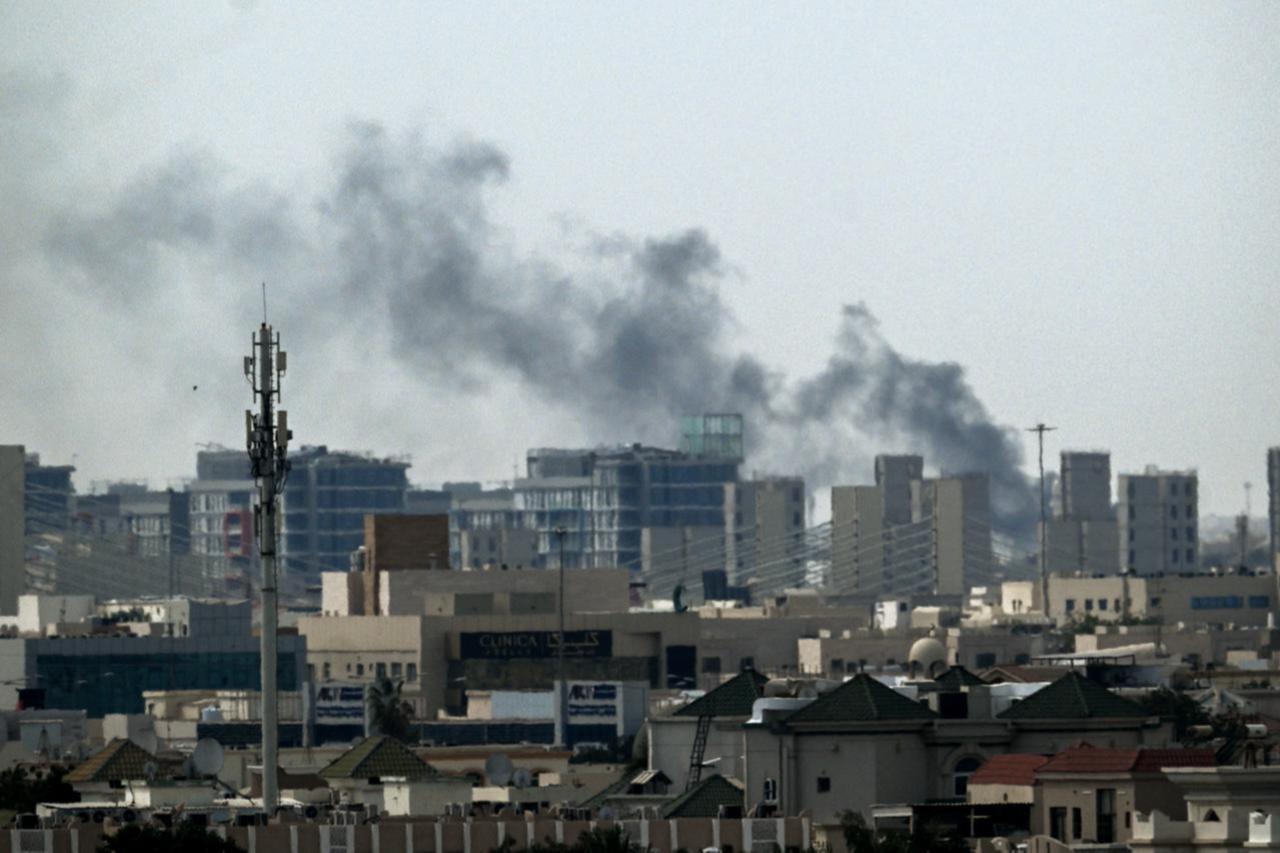
That same day, drones struck Ras Laffan and Mesaieed Industrial City, prompting QatarEnergy to cease all LNG production and declare force majeure on its contracts, a move that sent global gas prices surging by nearly 50 percent.
On March 3, an Iranian ballistic missile struck Al Udeid Air Base directly. Emir Tamim bin Hamad Al Thani responded by suspending all diplomatic mediation efforts between Iran and the West.


 Set as preferred source
 Set as preferred source


 1 min read
 1 min read