Newsletters


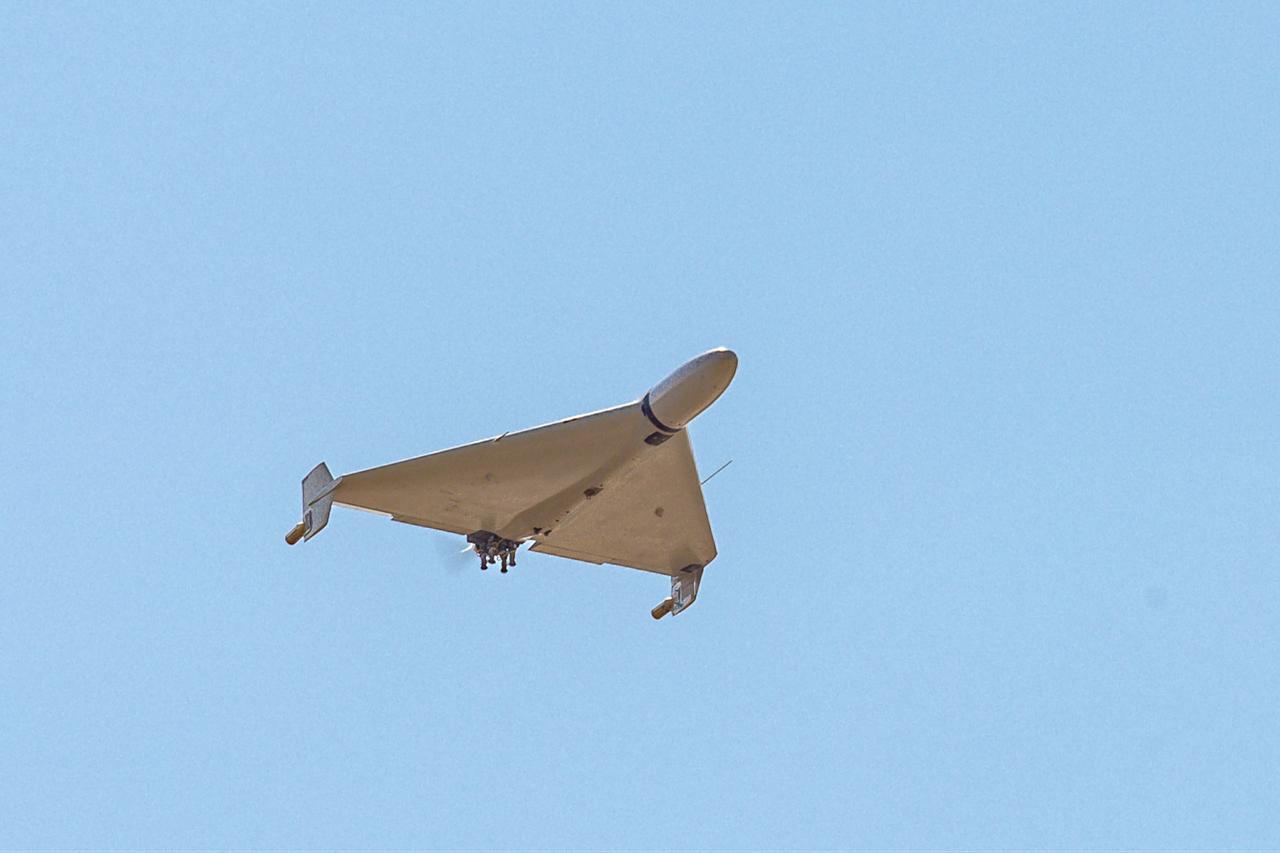


Britain's Royal Air Force (RAF) base at Akrotiri in Greek Cyprus was hit by a suspected Shahed drone strike overnight, causing limited damage and no casualties, as British forces responded to what the Ministry of Defense called a "live situation."
"Our armed forces are responding to a suspected drone strike at RAF Akrotiri in Cyprus at midnight local time. Our force protection in the region is at the highest level and the base has responded to defend our people," a Ministry of Defense (MoD) spokesperson stated.
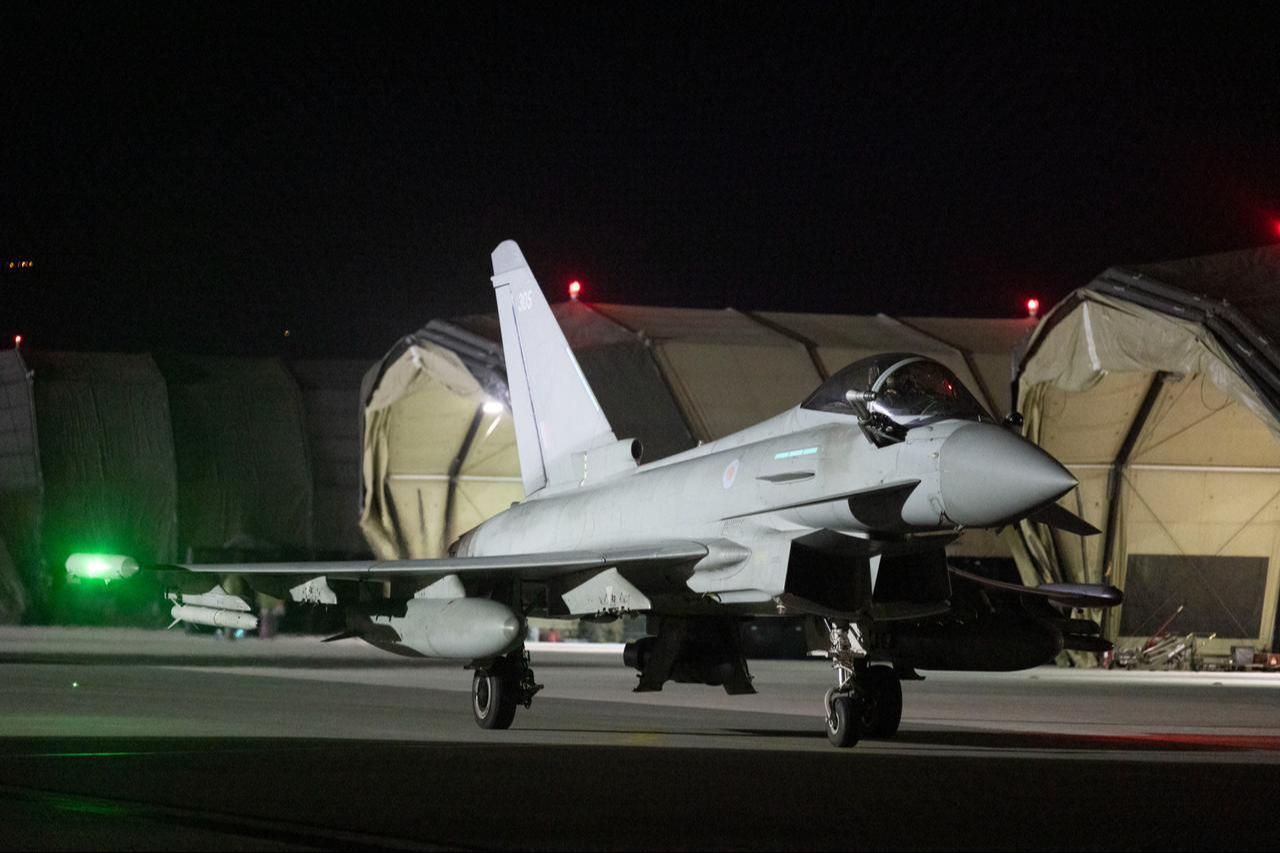

The strike hit the RAF Akrotiri base at midnight, the ministry said.
The Greek Cypriot leader Nikos Christodoulides confirmed the incident, saying Britain's RAF Akrotiri base in Greek Cyprus was hit overnight by an unmanned Shahed drone, which caused minor material damage.
"I want to be clear: Our country does not participate in any way and does not intend to be part of any military operation," Christodoulides stated.
Greek Cyprus government spokesperson Konstantinos Letymbiotis said, "information received through various channels indicates that it involved an unmanned drone, which caused limited damage."
He added that authorities immediately activated security protocols and maintained continuous coordination with the United Kingdom government and British base administration.
Officials at the Akrotiri base said they plan to temporarily relocate some non-essential personnel as a precautionary measure following the incident.
A security alert issued to residents near Akrotiri advised them to shelter in place until further notice, move away from windows, take cover behind or beneath substantial solid furniture, and await further instructions.
A security threat was declared on both British bases on the island, RAF Akrotiri and Dhekelia, according to the Cyprus Mail.
The last time RAF Akrotiri was directly attacked was by Libyan militants in the mid-1980s.
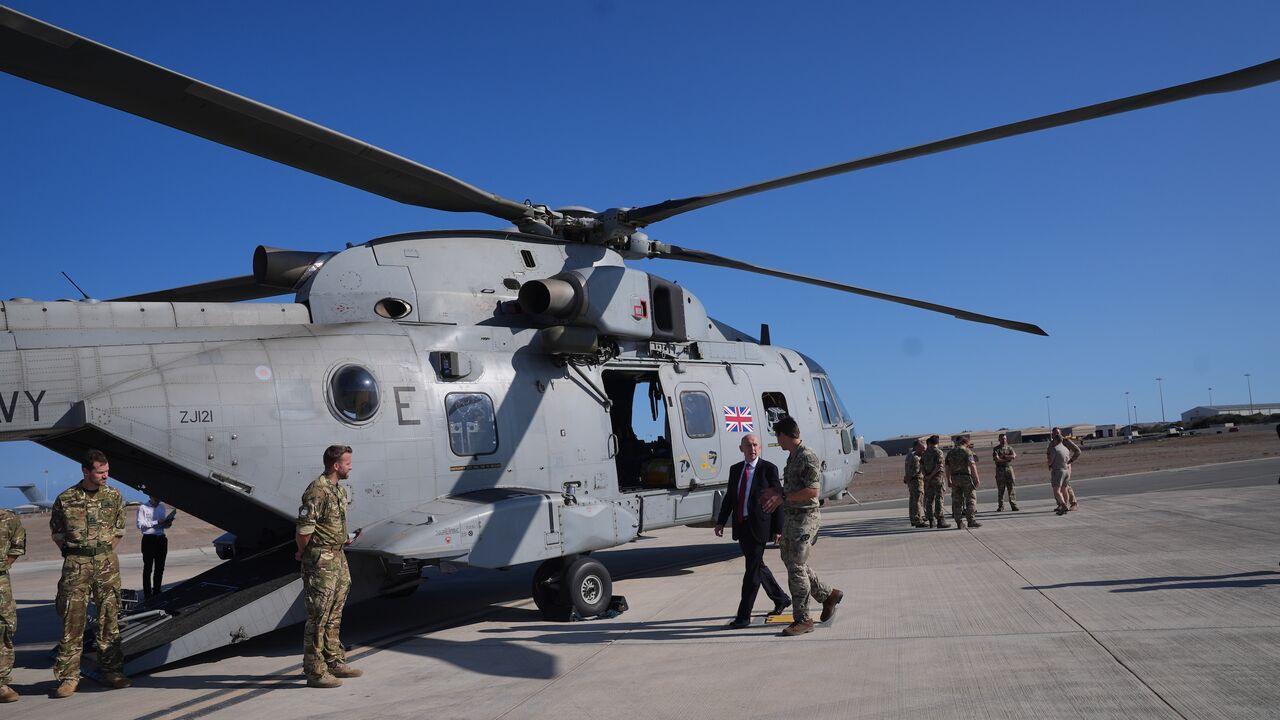
UK Defense Secretary John Healey said two missiles were fired toward the British base in Greek Cyprus, though he did not believe they were specifically targeting Greek Cyprus.
"Yesterday, we had two missiles fired in the direction of Cyprus," Healey said, speaking to both Sky News and the BBC on Sunday.
"Nevertheless, it's an example of how there is a very real and rising threat from a regime that is lashing out widely across the region, and that requires us to act," he added, referring to Iran.
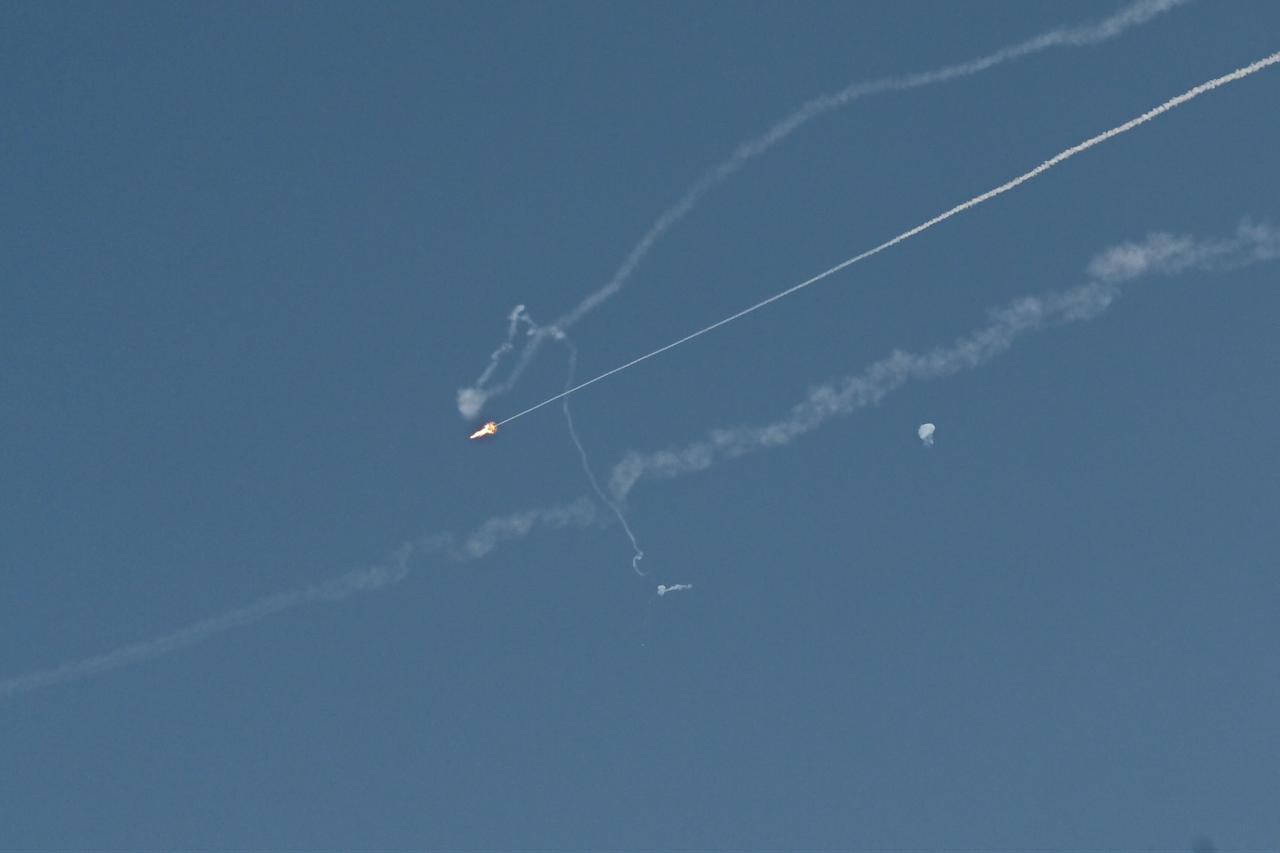
The missiles were intercepted by Israel as they crossed its airspace, local media reported.
A local resident told Türkiye's state-run Anadolu Agency (AA): "Two missiles were fired at British bases but were intercepted by air defense systems. There is a continuous drone attack, but I believe there have been no hits."
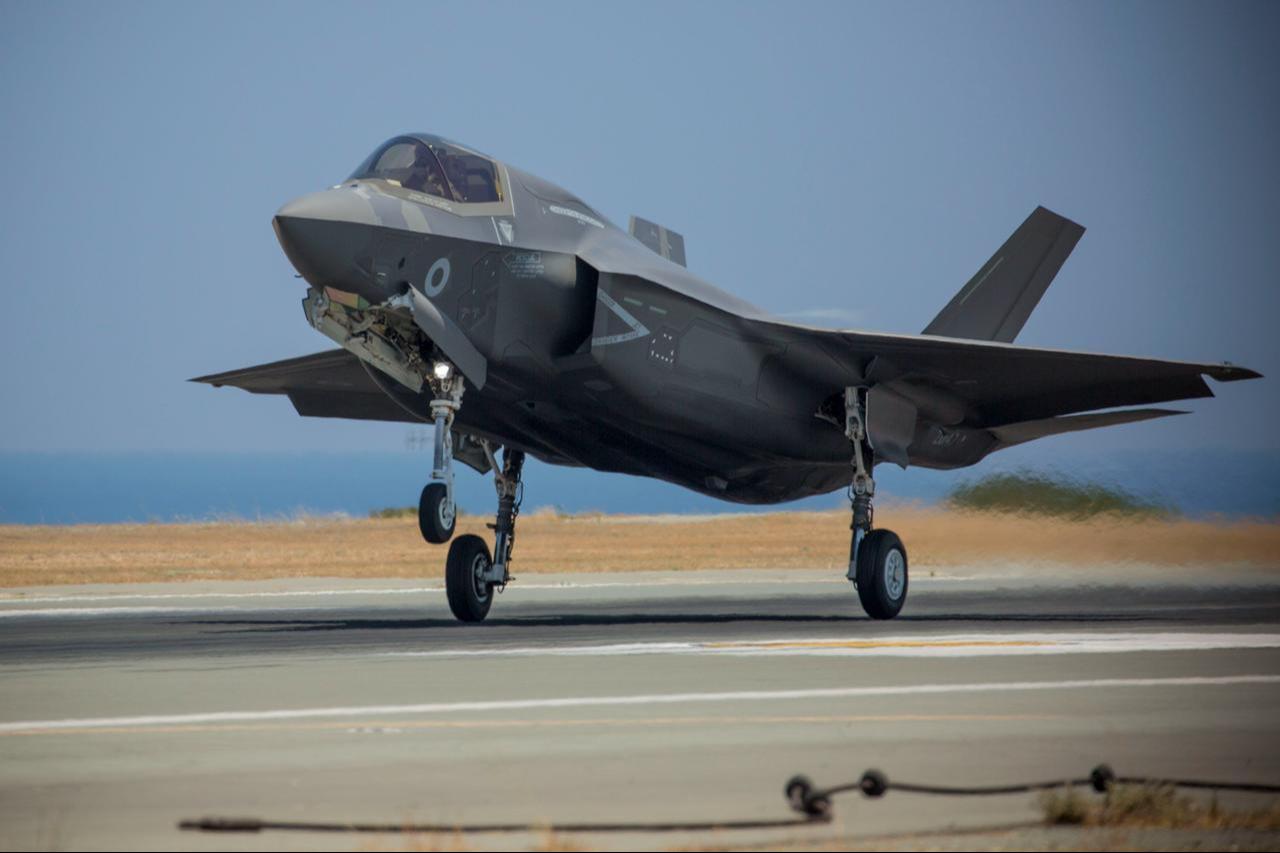
The incident came as Britain agreed on Sunday to allow the United States to use British military bases to fire "defensive" strikes aimed at destroying Iranian missiles and their launchers.
London recently deployed additional assets to RAF Akrotiri as defensive measures, including air and drone defense systems, radars and F-35 aircraft.
While announcing that British bases can be used by U.S. forces for defensive strikes, Prime Minister Keir Starmer stressed that Britain was "not involved in the initial strikes on Iran, and we will not join offensive action now."
"But Iran is pursuing a scorched-earth strategy, so we are supporting the collective self-defense of our allies and our people in the region," Starmer said in a post on X.
The Greek Cypriot Administration (GCA), a member of the European Union, hosts two British military bases, one near Limassol and another near Larnaca on the island's southern coast.
They are considered U.K. territory, retained by London.
Israel and the United States launched military strikes against Iran on Feb. 28. Iran retaliated with strikes against targets in Israel, Qatar, the United Arab Emirates, Bahrain, and other countries where U.S. bases are located.


 Set as preferred source
 Set as preferred source


 1 min read
 1 min read