Newsletters


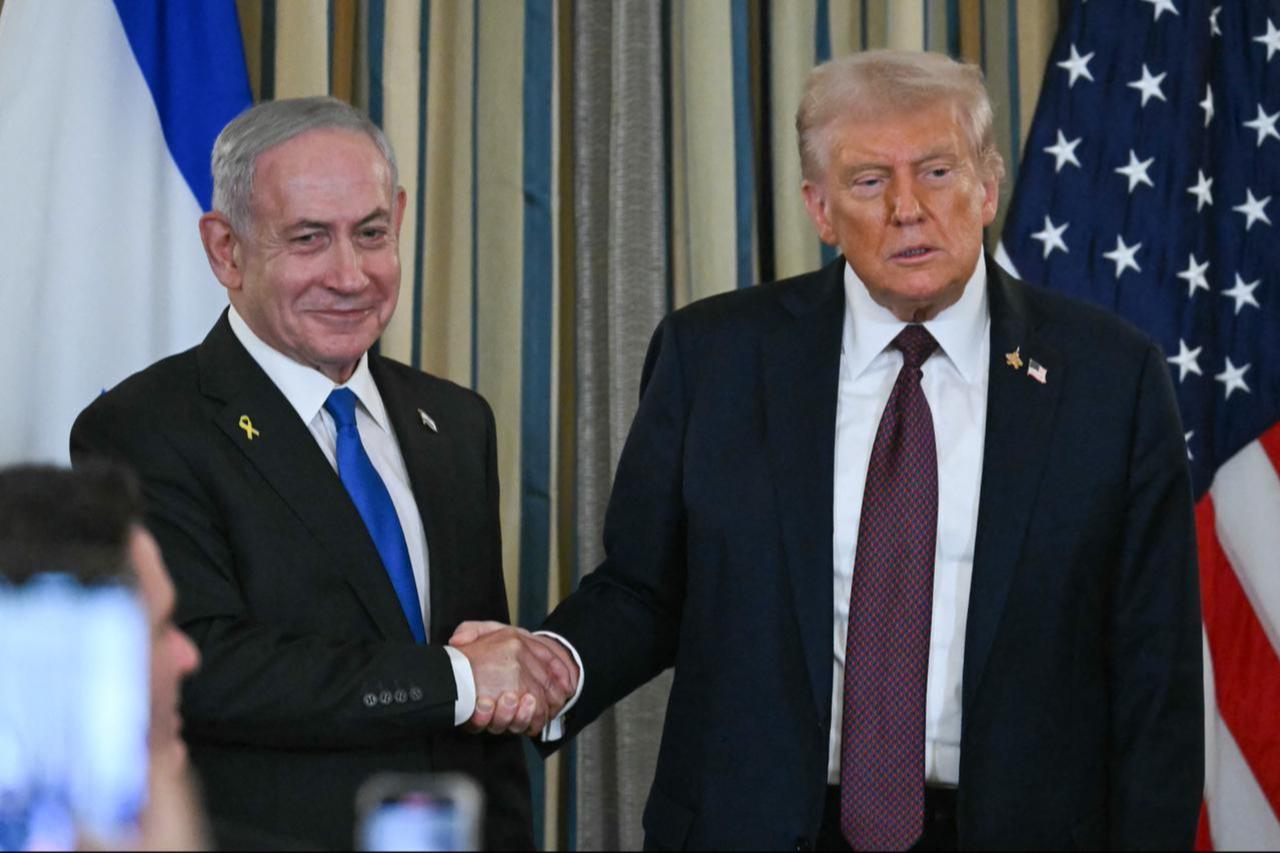


Israel’s public broadcaster reported a dispute between the United States and Israel over whether reconstruction or disarmament should come first in the second phase of the Gaza ceasefire agreement.
As anticipation grows over a move to the second phase of the ceasefire agreement, Israel’s public broadcaster reported Friday that a dispute has emerged between the United States and Israel over the sequencing of steps in this phase, whether to begin with reconstruction efforts or move first toward disarmament.
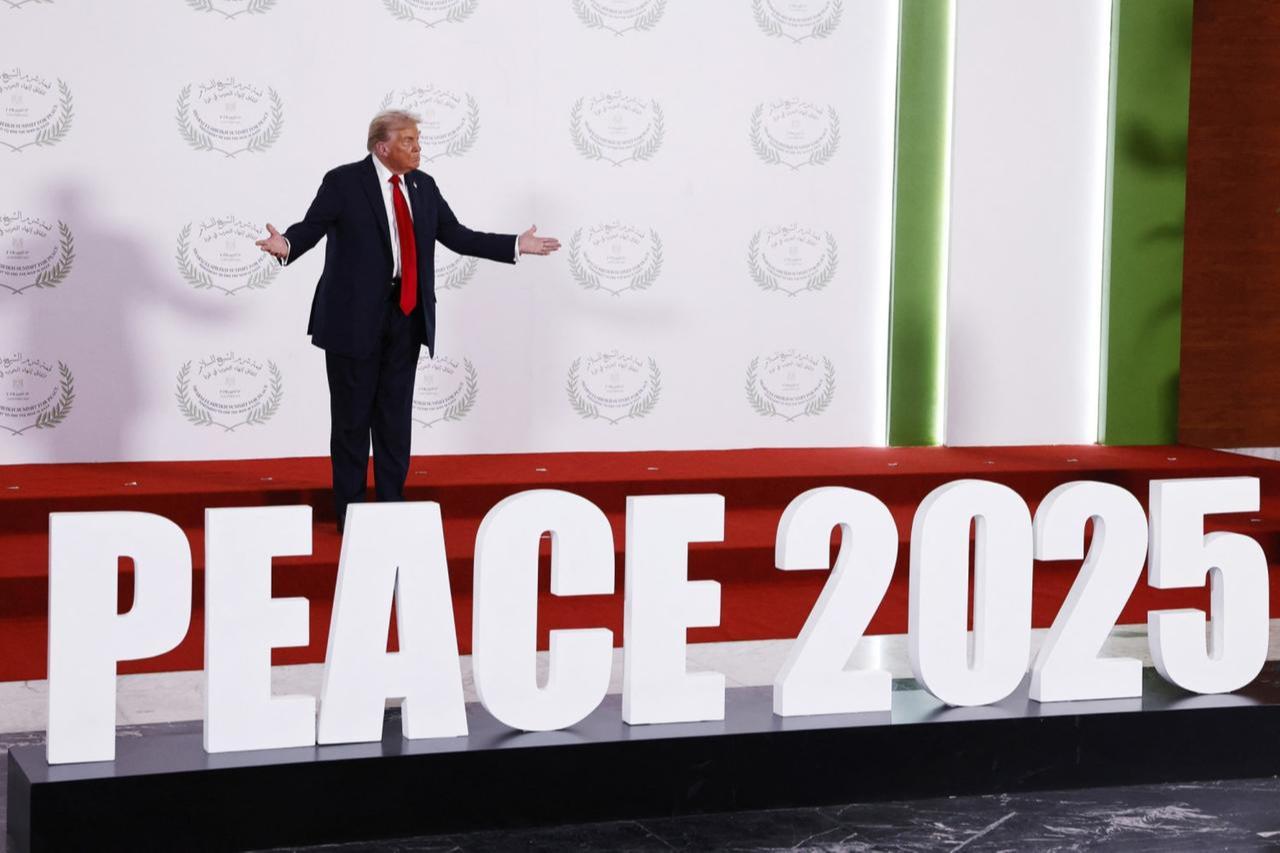

Citing unnamed Israeli sources, the broadcaster said the U.S. administration is “seeking to move to the second phase of President Donald Trump’s plan to end the war within about two weeks,” and is pushing to launch Gaza’s reconstruction in parallel with its disarmament.
Israel, however, is said to insist on dismantling Hamas and disarming the enclave before taking any steps related to reconstruction.
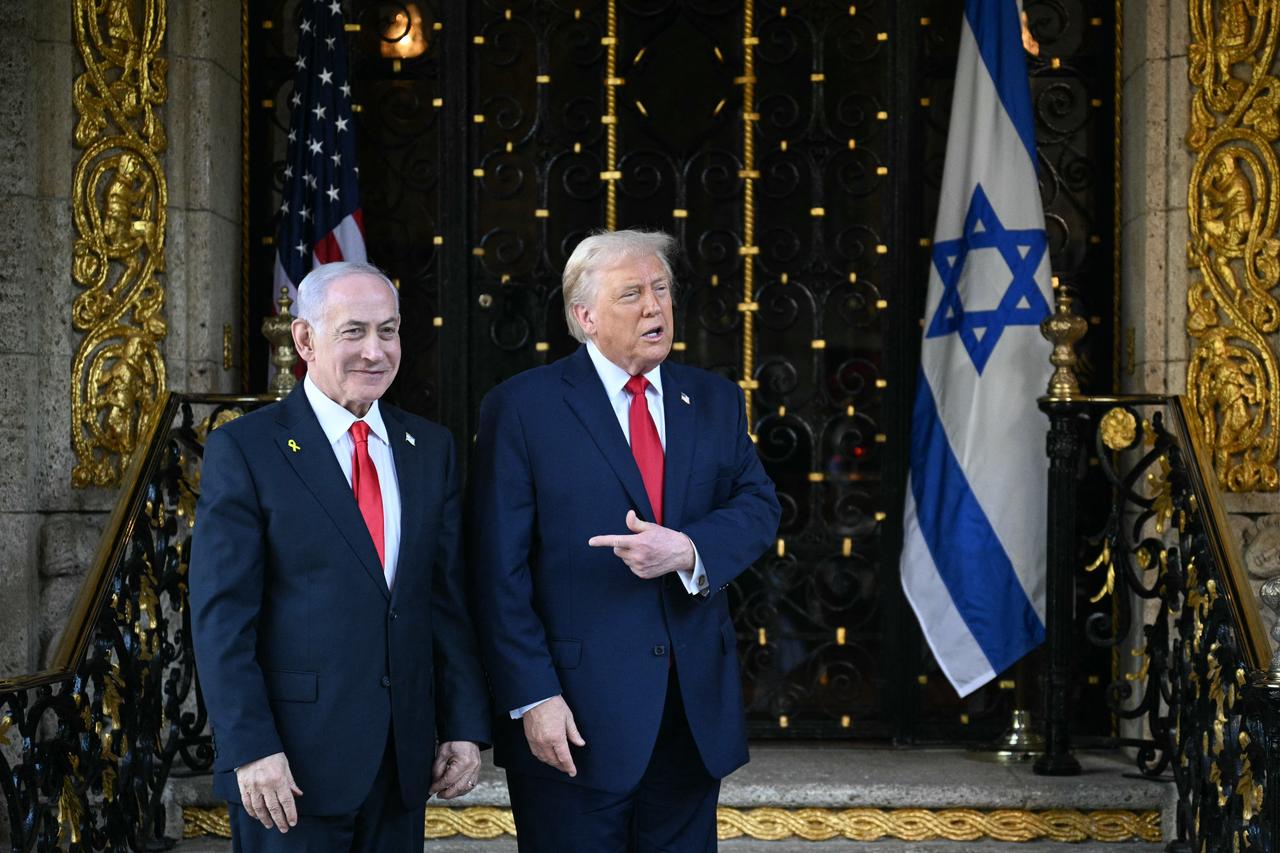
The Hebrew daily Israel Hayom reported Thursday that a planned meeting between Netanyahu and U.S. President Donald Trump on Dec. 29 will conclude with a statement on the progress made toward the second phase of the Gaza ceasefire agreement.
The second phase of the agreement includes key provisions such as the reconstruction of Gaza, expanded Israeli withdrawal, the formation of a technocratic committee to administer the enclave, and Hamas disarmament.
Israel has failed to fully meet commitments under the first phase of the agreement, particularly a halt to hostilities, as Israeli forces have continued to launch attacks that killed at least 411 Palestinians and wounded 1,118 since the ceasefire.
The U.N. estimates the cost of reconstructing Gaza at about $70 billion as a result of the Israeli war, which has killed nearly 71,000 Palestinians and wounded more than 171,000 since October 2023.
Egypt has rejected any Israeli plan to separate the West Bank and Gaza Strip or divide the Palestinian enclave, calling any such move “a red line.”
“There are two red lines in Gaza. The first is separating the West Bank and the Gaza Strip, as both territories form a single, indivisible unit of the future Palestinian state,” Foreign Minister Badr Abdelatty said in an interview with Egypt’s Channel 1 that aired Friday.
Abdelatty stressed that “the idle talk about the possibility of splitting the enclave into red and green zones, or designating areas for reconstruction while leaving others under the pretext that Hamas is present there, is all nonsense and will not be agreed to.”
At the same time, international organizations are warning of an imminent collapse of the health system due to restrictions on the entry of fuel and medical supplies, worsening civilians’ suffering and undermining hospitals’ ability to keep operating.
Meanwhile, Al-Awda Hospital in Nuseirat, in central Gaza, announced it was “temporarily” suspending most of its services due to fuel shortages, while maintaining only essential operations such as the emergency department.
It later said it had resumed some services after receiving a quantity of fuel, but stressed that the supply would be sufficient for only two days.


 Set as preferred source
 Set as preferred source


 3 min read