

 Newsletters


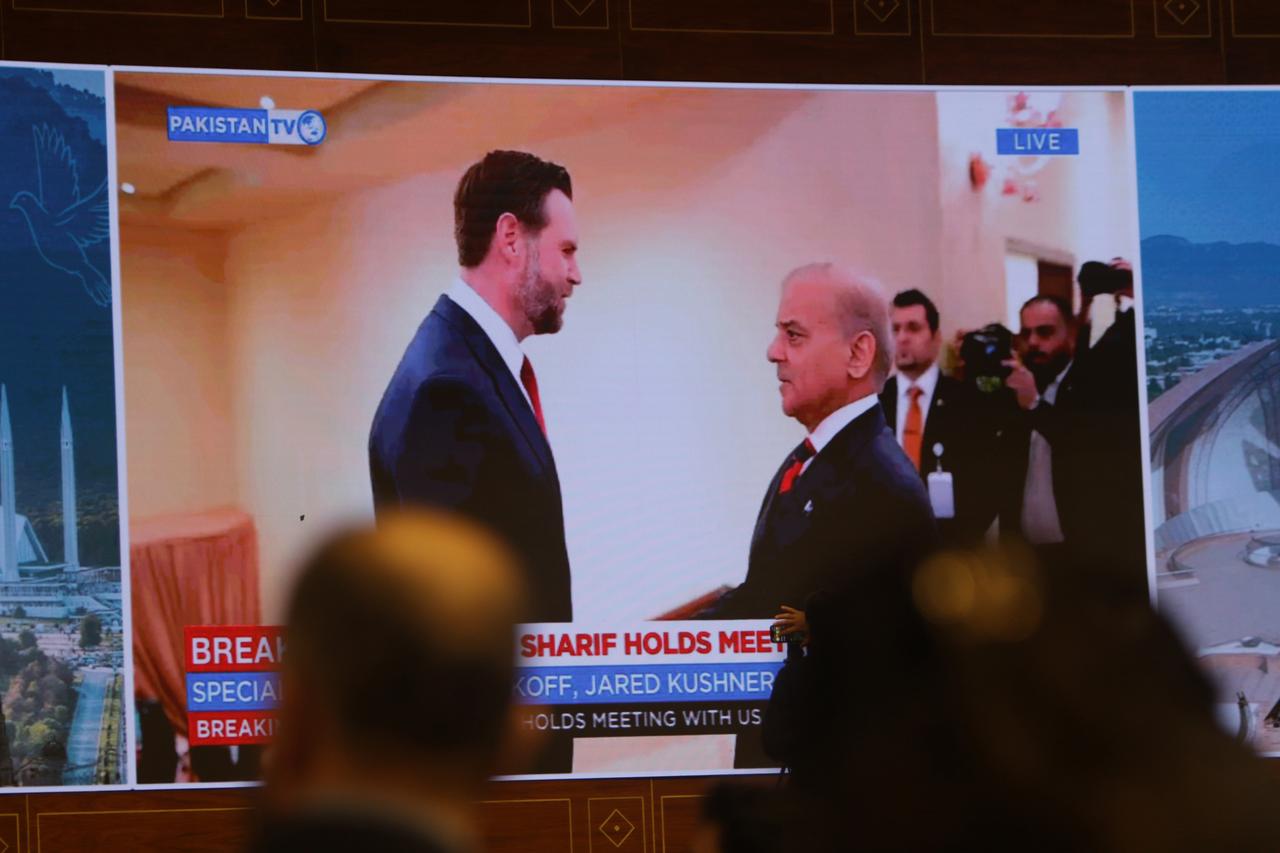


Regional countries are working to bring the United States and Iran back to the negotiating table after high-level peace talks in Pakistan ended without an agreement, officials familiar with the discussions told The Wall Street Journal on Sunday.
The Islamabad summit marked the highest-level direct engagement between U.S. and Iranian officials in years but failed to bridge major differences between the two sides.
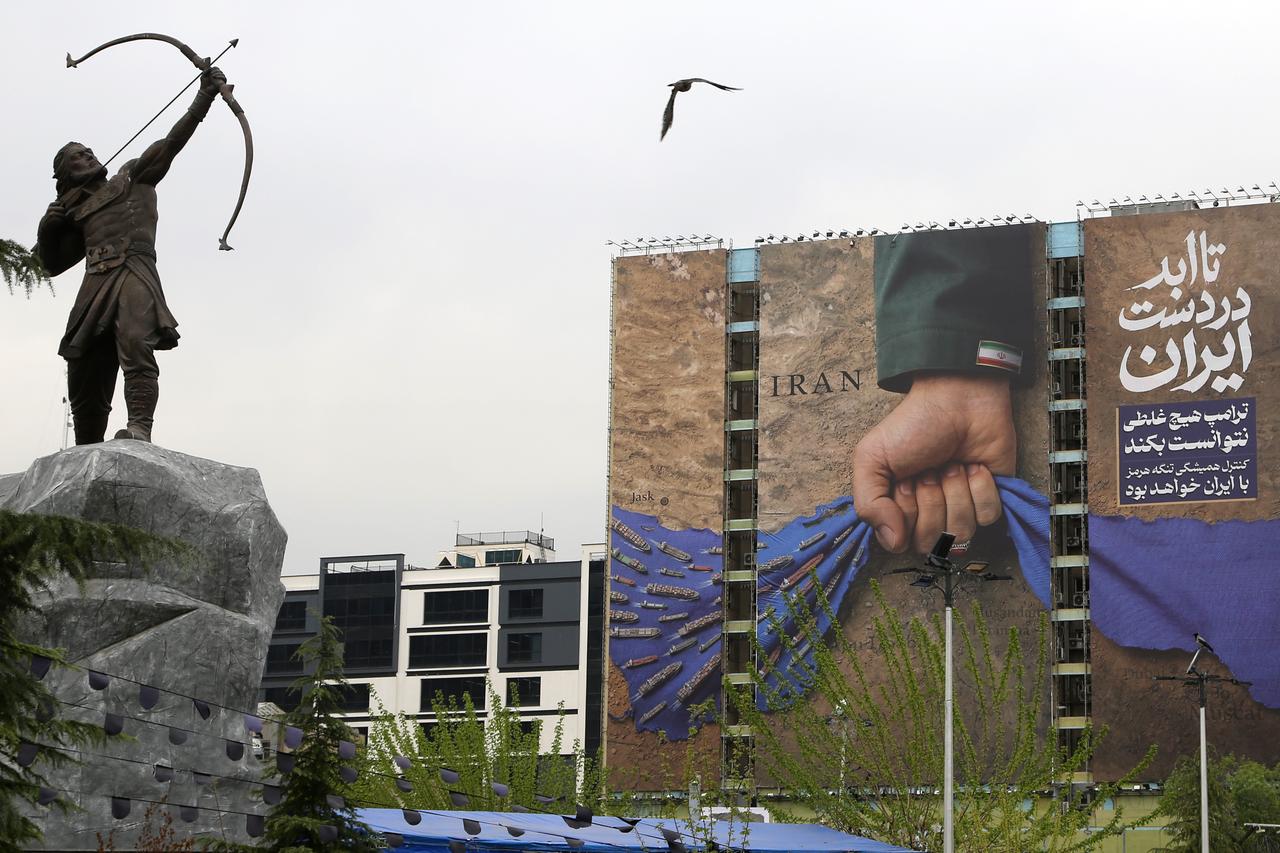
According to officials cited in the report, the main disputes centered on the future of Iran’s enriched uranium stockpile, Tehran’s demand for the release of roughly $27 billion in frozen overseas assets, and conditions tied to reopening the Strait of Hormuz.
Iran proposed alternative arrangements, including limiting its uranium enrichment activities or reducing its current stockpile, but neither side could agree on acceptable terms, the report said.
Despite tough public rhetoric from both capitals, officials said a second round of negotiations could take place within days.
The report added that regional governments are urging Washington to extend the fragile two-week ceasefire announced last week to preserve diplomatic momentum.


 Set as preferred source
 Set as preferred source


 1 min read
 1 min read



