Newsletters


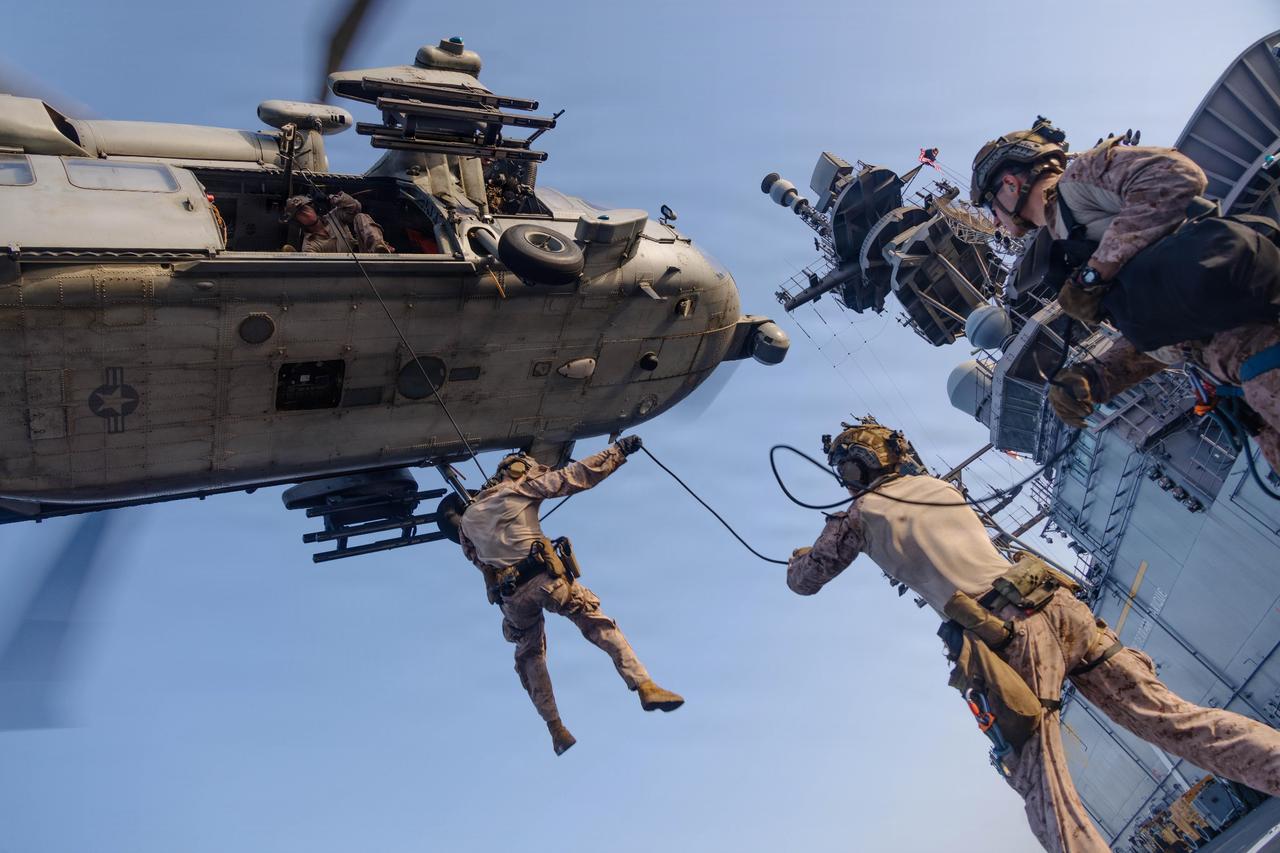


At least 42 U.S. military aircraft have been lost or damaged since the start of Operation Epic Fury, according to a Congressional Research Service (CRS) report updated on May 13, as acting Pentagon Comptroller Jules W. Hurst III told Congress the department's cost estimate for the Iran war has risen to $29 billion.
"A lot of that increase comes from having a refined estimate on repair or replacement costs for equipment," Hurst told Congress during a May 12 hearing, explaining the rise in the Pentagon's cost estimate from $25 billion to $29 billion.
The CRS report lists the following aircraft losses and damages, drawn from the U.S. Central Command (CENTCOM) statements and news reports.
Seven KC-135 Stratotanker aerial refueling aircraft were also lost or damaged.
On March 12, CENTCOM reported that two KC-135s were involved in an incident over friendly airspace. One crashed in Iraq, killing all six aircrew, while the second made an emergency landing at an undisclosed location in the region.
Five additional KC-135s were damaged on the ground at the Prince Sultan Air Base in Saudi Arabia during an Iranian missile and drone attack on March 14.
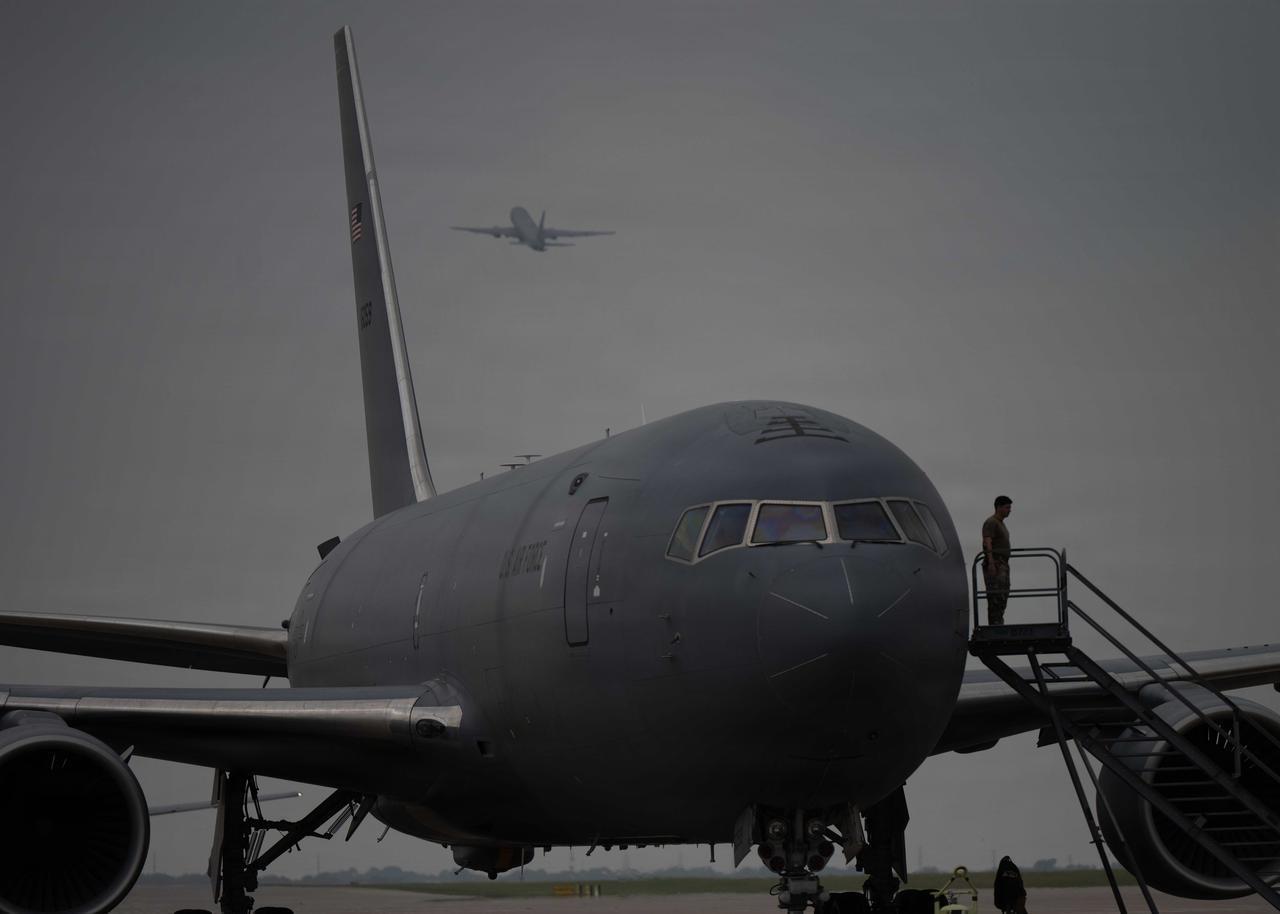

One E-3 Sentry airborne warning-and-control aircraft, an aging, limited-inventory platform, was struck and damaged on the ground at the Prince Sultan Air Base during an Iranian missile and drone attack on March 28.
A May 7 report noted the E-3 had been parked on an unprotected taxiway.
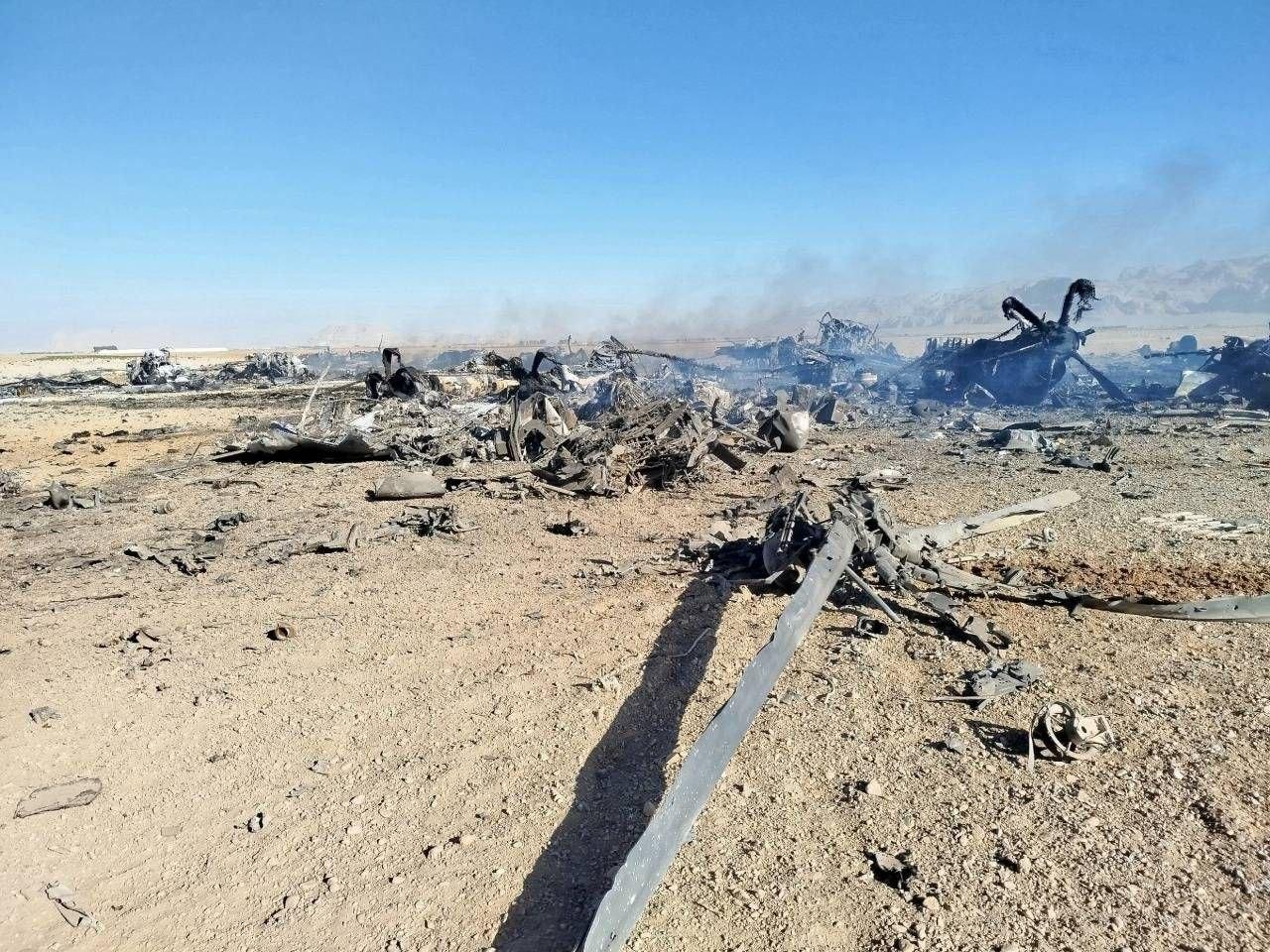
Two MC-130J Commando II special operations aircraft were intentionally destroyed on the ground in Iran on April 5 after they were rendered unable to depart while supporting search-and-rescue operations for the downed F-15E. All aircrew were safely evacuated in the mission.
One HH-60W Jolly Green II combat search-and-rescue helicopter sustained damage from small-arms fire on April 5, also during the F-15E rescue effort, General Caine confirmed.
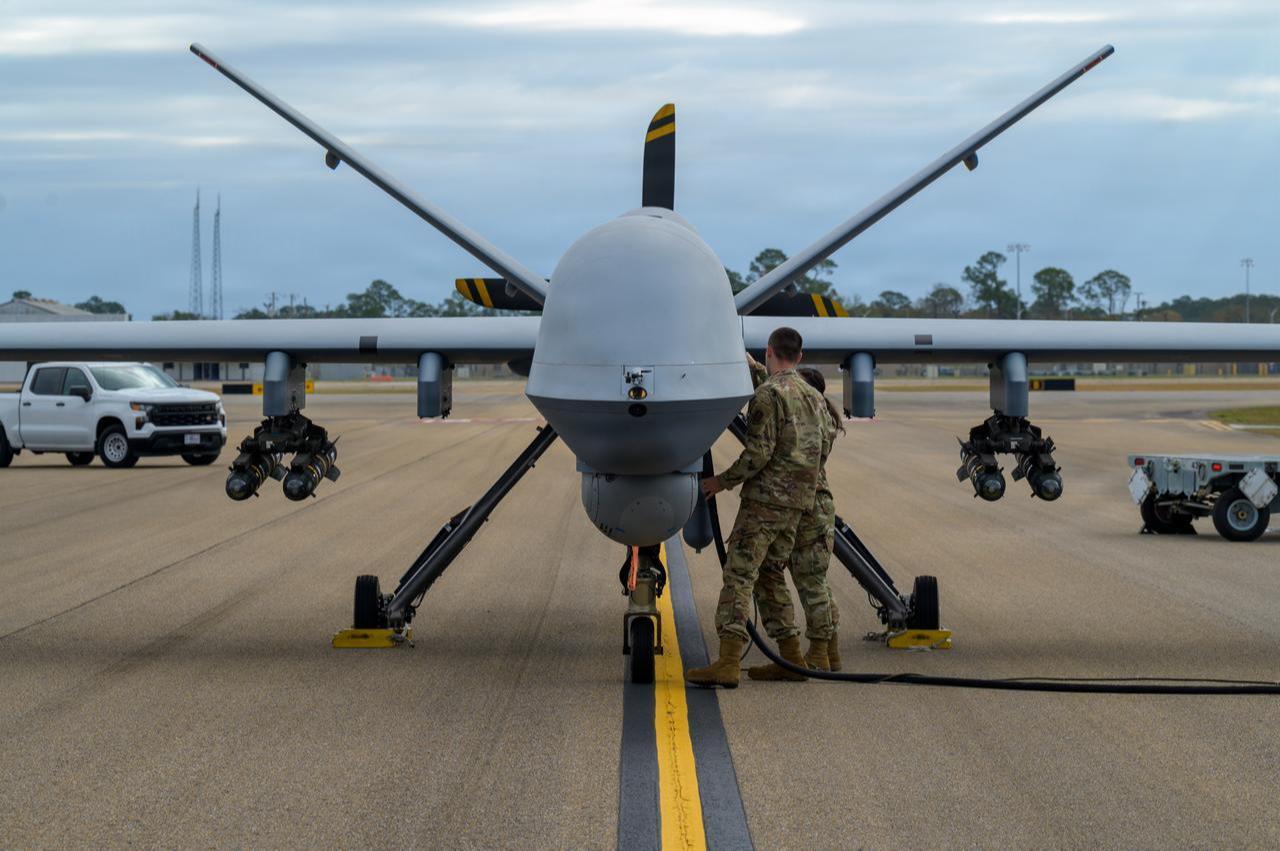
Twenty-four MQ-9 Reaper medium-altitude drones were lost since the start of operations, a figure reported on April 9.
One MQ-4C Triton high-altitude surveillance drone crashed in a mishap, according to a U.S. Navy document cited in an April 14 report.
The Reaper losses alone represent a significant strategic liability.
The aircraft cost approximately $30 million each and are no longer manufactured for U.S. forces, making the total loss worth nearly $1 billion, or roughly 20% of the Pentagon's prewar Reaper inventory.
"MQ-9s may be attritable as they are uncrewed, but they are too expensive and too few with no active production line to be considered expendable," Becca Wasser, defense lead at Bloomberg Economics, told Bloomberg.
The actual Reaper loss total may be higher. A source with direct knowledge of the matter told Bloomberg the figure could reach 30 when drones damaged and subsequently written off are included.
Only around 10 follow-on jet-powered Avenger strike drones were ever built, making replacement of the Reaper fleet a major long-term challenge.
Variants of the Reaper continue to be produced for foreign customers.
Regarding information access, the report noted that it remains unclear whether the Pentagon has provided Congress with a full accounting of aircraft lost in Operation Epic Fury. On budgetary impact, aircraft losses could generate unplanned replacement, repair, and sustainment costs requiring supplemental appropriations.
On force sufficiency, the report flagged aging and limited-inventory platforms, such as the E-3 Sentry, as potential capability gaps that could affect operations in other theaters.
Regarding industrial base capacity, it questioned whether current production lines and supply chains could replace lost aircraft within operationally necessary timescales, noting competing demands from foreign military sales and production constraints.
On operational risk, the report said the losses may signal changes in the threat environment or adversary capabilities that could require adjustments to U.S. tactics, basing posture and operational concepts.
The estimated replacement cost for all 42 aircraft is approximately $7 billion, though valuations vary widely, given that several platforms are out of production, the Independent reported. The F-35A alone costs around $110 million; each F-15E is valued at between $65 million and $70 million in inflation-adjusted terms. Replacing the seven KC-135s could cost around $1.8 billion based on U.S. Air Force budget estimates for previous replacement purchases.
The U.S. and Israel launched Operation Epic Fury against Iran on Feb. 28. A ceasefire brokered by Pakistan took effect on April 8, though some strikes have since resumed.
The total war cost is now estimated at $29 billion.


 Set as preferred source
 Set as preferred source


 2 min read