Newsletters




The Republican chairmen of the House and Senate Armed Services committees said they are “very concerned” by the Pentagon’s decision to withdraw about 5,000 U.S. troops from Germany and cancel a planned deployment of a Long-Range Fires Battalion there.
U.S. Sen. Roger Wicker of Mississippi, chairman of the Senate Armed Services Committee, and U.S. Rep. Mike Rogers of Alabama, chairman of the House Armed Services Committee, issued the statement Friday in response to the Pentagon’s decision.
The statement came after the Pentagon said Friday that the U.S. would withdraw roughly 5,000 troops from Germany over the next year.
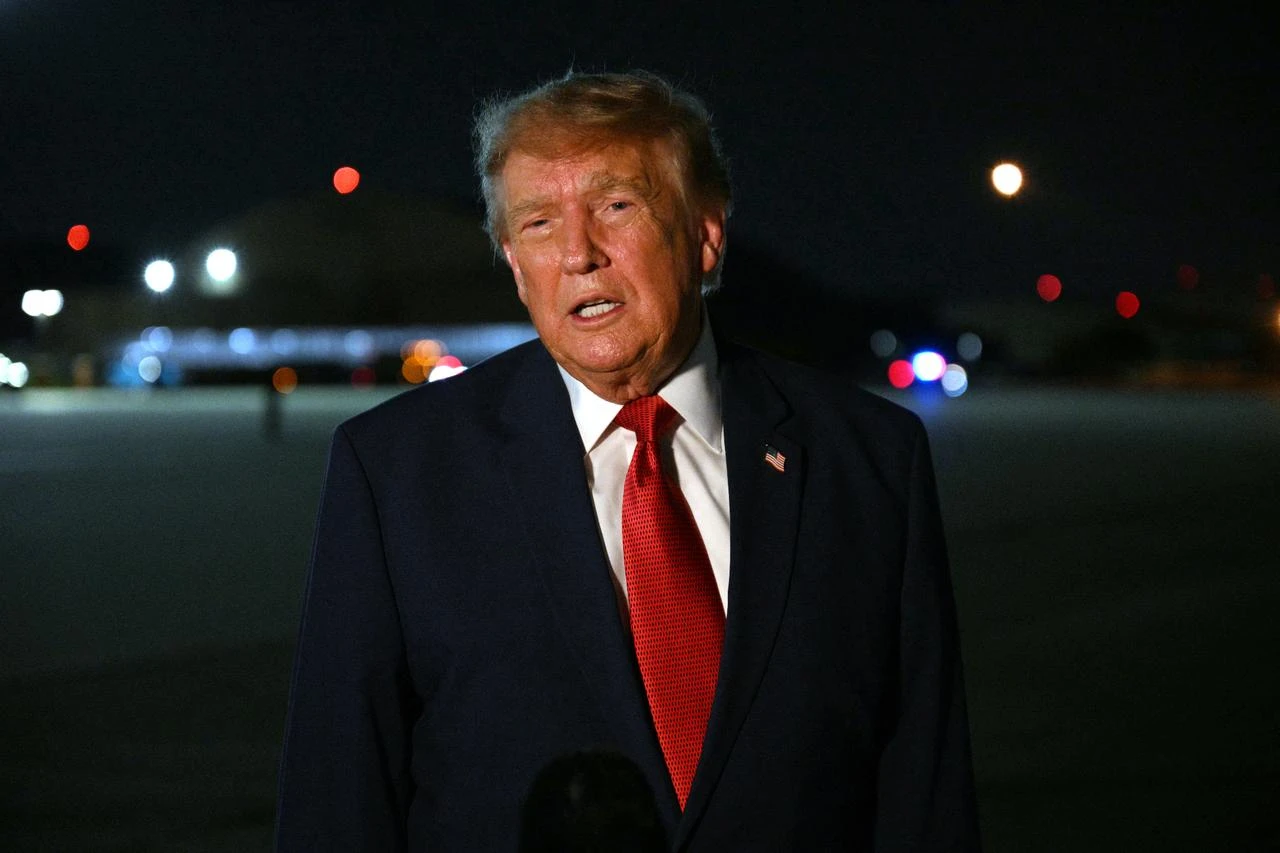
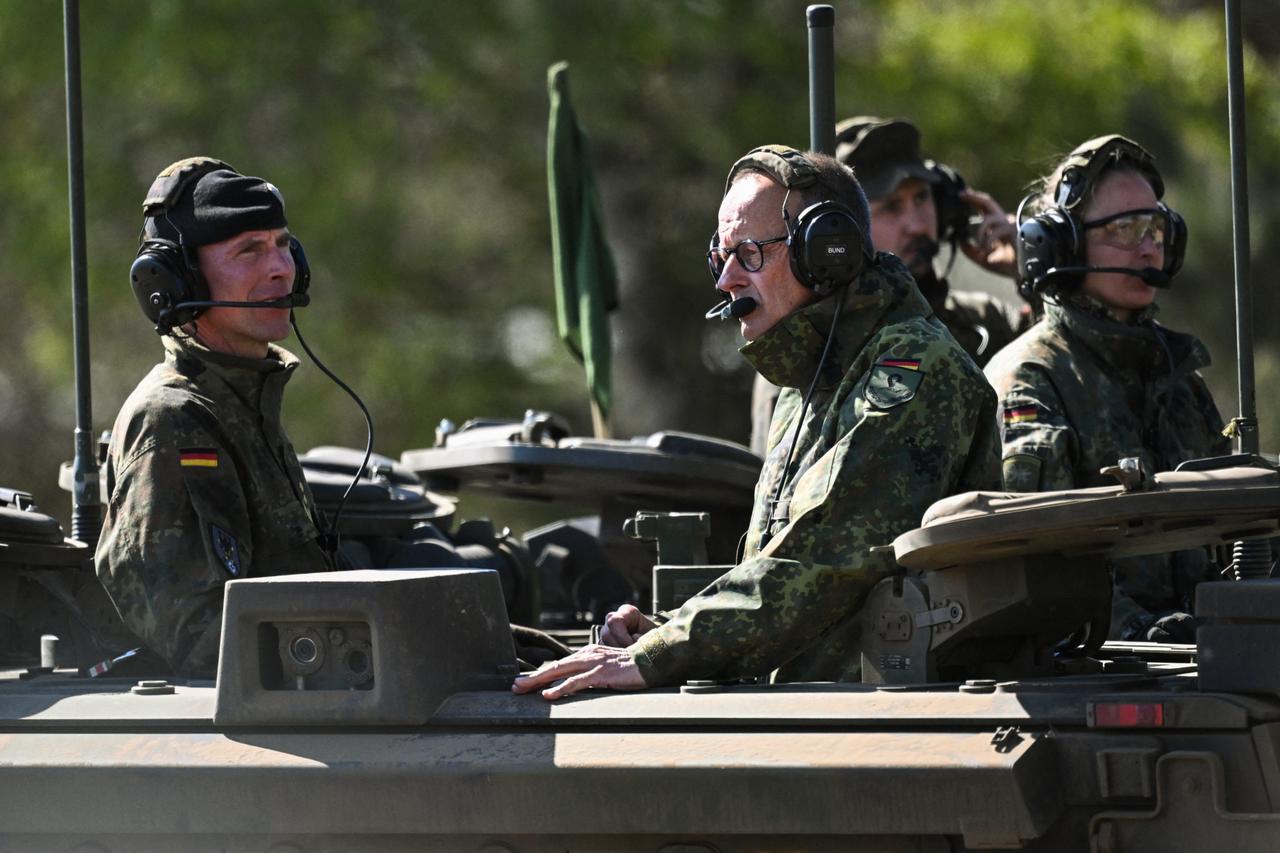
The decision followed U.S. President Donald Trump’s criticism of the German chancellor over his remarks about the U.S. war with Iran.
“We are very concerned by the decision to withdraw a U.S. brigade from Germany,” Wicker and Rogers said.
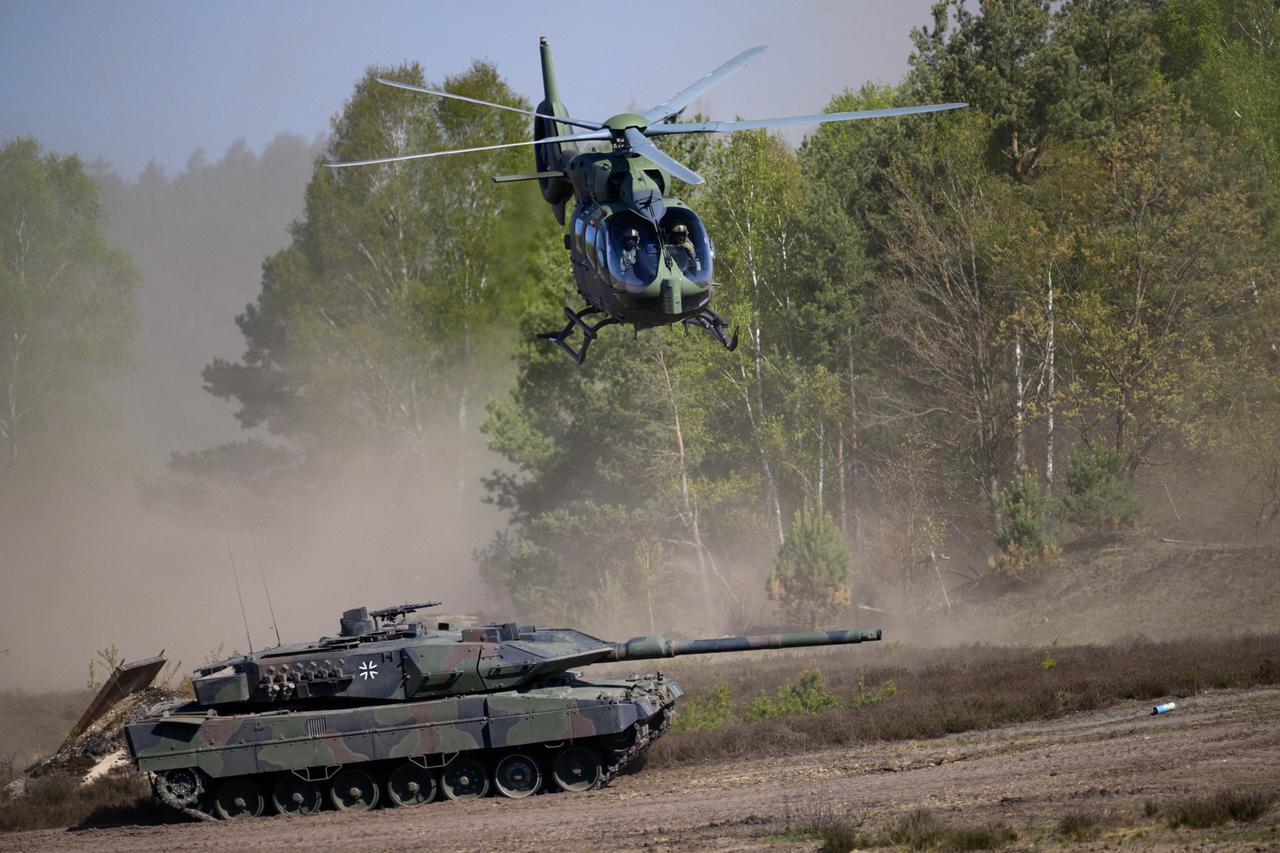

The two Republican lawmakers said Germany had responded to Trump’s calls for greater burden sharing.
“Germany has stepped up in response to President Trump’s call for greater burden sharing, significantly increasing defense spending and providing seamless access, basing, and overflight for U.S. forces in support of Operation Epic Fury,” they said.
They said allies moving toward spending 5% of gross domestic product on defense would still need time to turn that spending into the military capability required to assume primary responsibility for conventional deterrence.
Wicker and Rogers warned that reducing the U.S. forward presence in Europe too early could undermine deterrence.
“Prematurely reducing America’s forward presence in Europe before those capabilities are fully realized risks undermining deterrence and sending the wrong signal to Vladimir Putin,” they said.
They said maintaining a strong U.S. deterrent in Europe remains in America’s interest.
 1 min read
The chairmen urged the Pentagon not to withdraw the forces from Europe altogether.
Instead, they said the 5,000 U.S. troops should be moved to eastern Europe.
“Rather than withdrawing forces from the continent altogether, it is in America's interest to maintain a strong deterrent in Europe by moving these 5,000 U.S. forces to the east,” they said.
They said allies in the east had made substantial investments to host U.S. troops, reducing costs for U.S. taxpayers while strengthening NATO’s front line.
They said such a move would help deter “a far more costly conflict from ever beginning.”
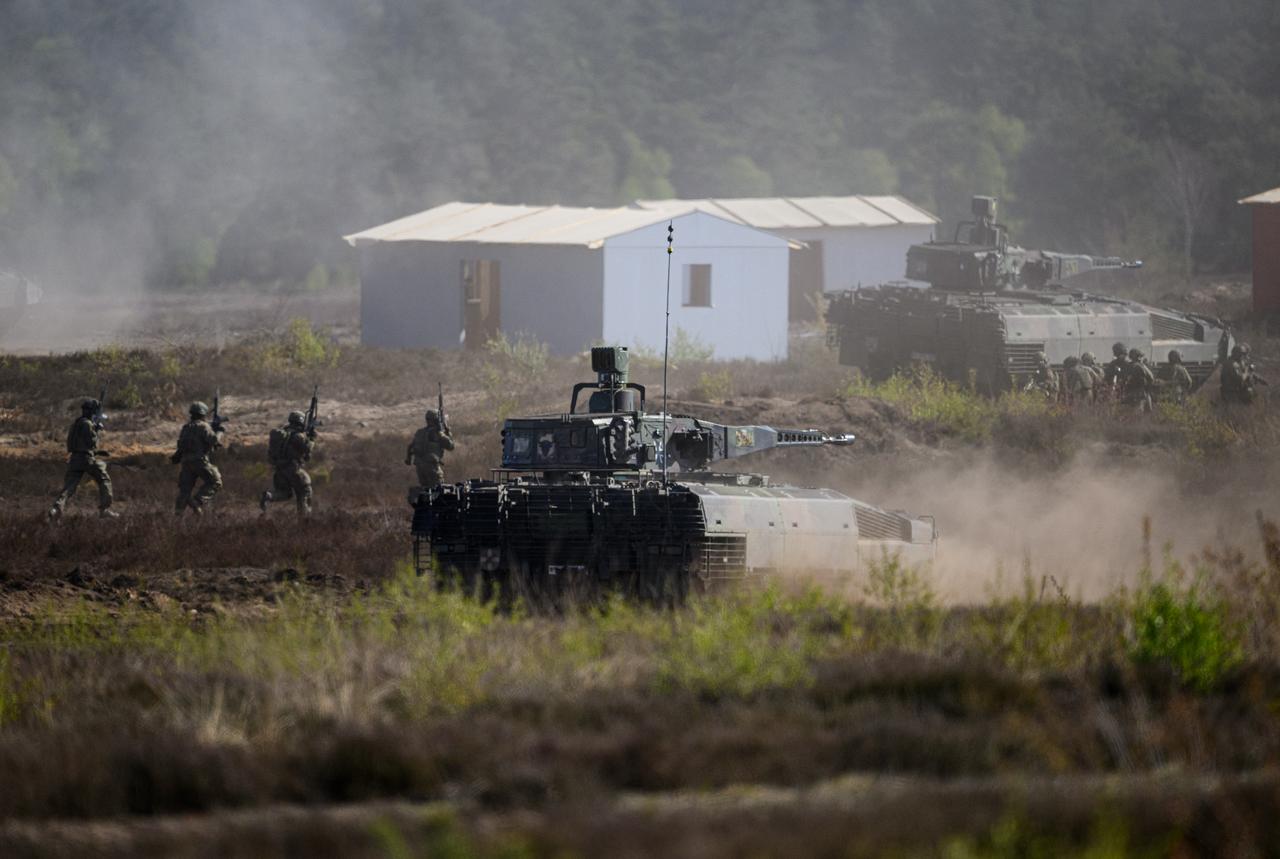
Wicker and Rogers said any major change to U.S. force posture in Europe should involve a careful review and coordination with Congress and allies.
“Any significant change to the U.S. force posture in Europe warrants a deliberate review process and close coordination with Congress and our allies,” they said.
They added that they expect the Department of Defense to engage with oversight committees in the coming days and weeks on the decision and its implications for U.S. deterrence and transatlantic security.


 Set as preferred source
 Set as preferred source


 1 min read