Newsletters


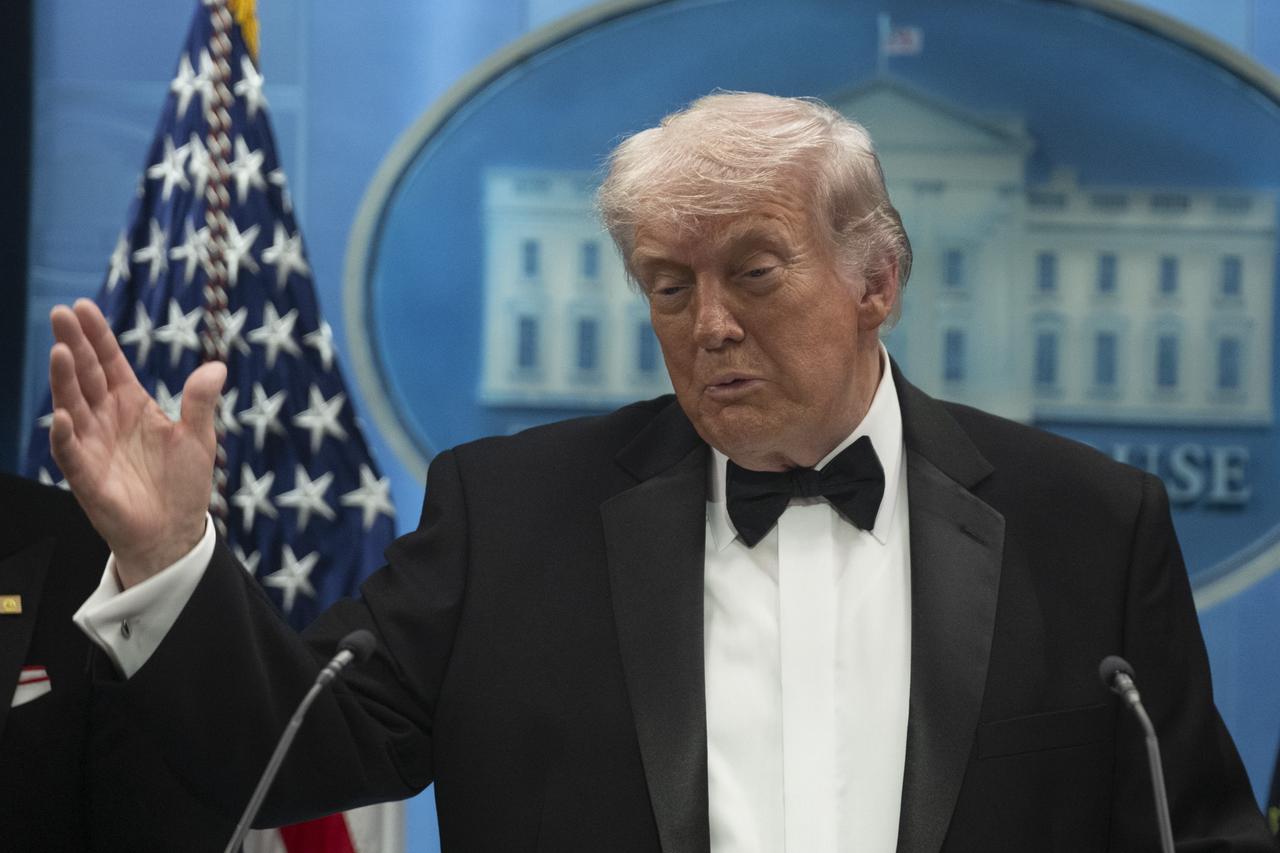


U.S. President Donald Trump’s statement that he was considering pulling some American troops out of Germany surprised Pentagon officials, who were not expecting or planning a drawdown, according to defense officials cited in a Politico report.
Trump’s social media post Wednesday was the first time many defense officials had heard of a possible new effort to remove hundreds, if not thousands, of U.S. troops from Germany, the report said, citing three defense officials.
Trump’s remarks stood in contrast to a recently completed months-long Pentagon review of the U.S. global troop presence, which did not call for major pullbacks from Europe.
The Pentagon “was not expecting it and has not been planning any kind of drawdown,” a congressional aide familiar with the situation said.
“But we have to take him seriously because he was serious about it during his first administration,” the aide said, referring to Trump’s July 2020 order to withdraw 12,000 U.S. troops from Germany. That order was never implemented.
Pentagon spokesperson Sean Parnell said the department “plans for every scenario, and we are fully prepared to execute the orders of the commander-in-chief at the time and place of his choosing.”
The White House did not respond to a request for comment, according to the report.
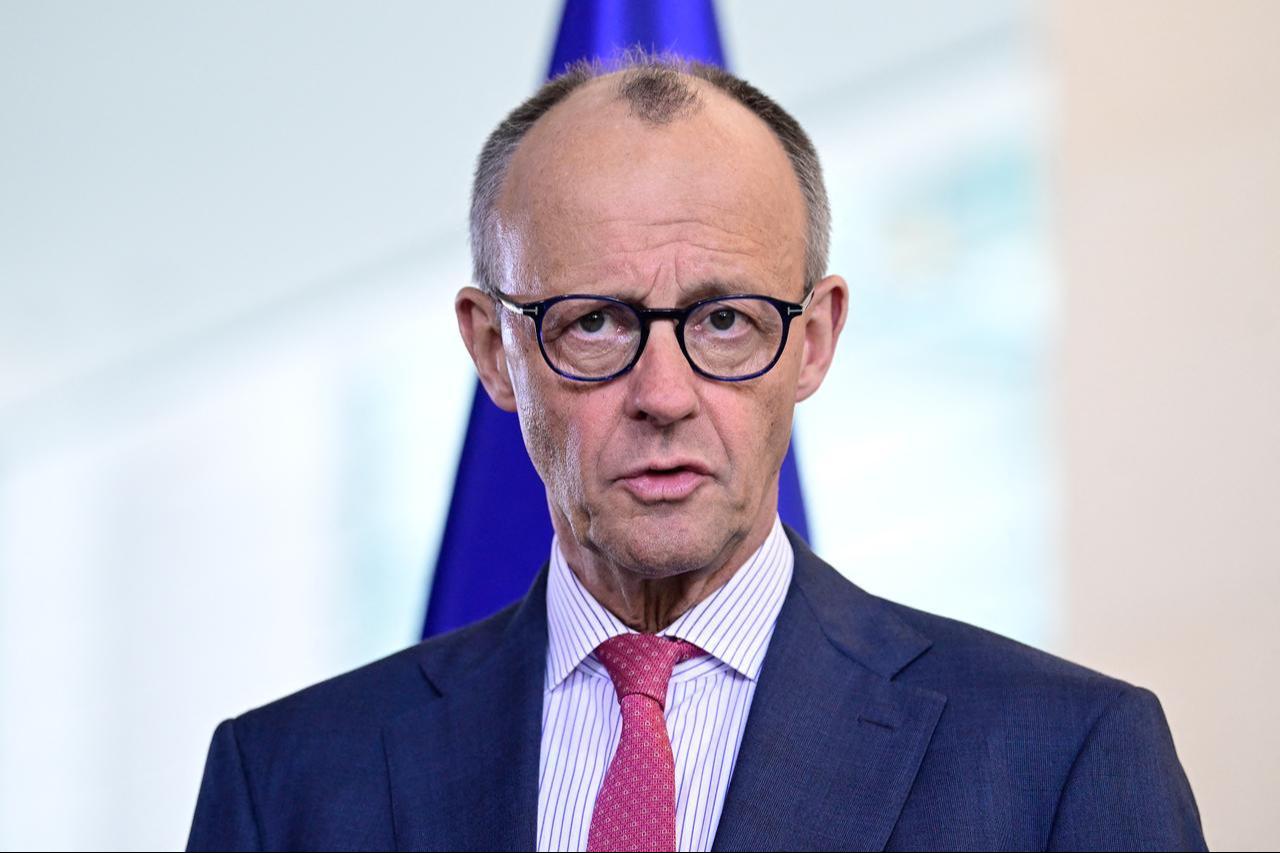

Trump’s latest comments came amid heightened tensions with European allies during his second term.
He has threatened to pull the U.S. out of NATO over allies’ failure to join the Iran war and has warned that he might seize Greenland.
His latest threat to the transatlantic alliance came days after German Chancellor Friedrich Merz said the U.S. was being “humiliated” by Iran at the negotiating table.
Trump continued criticizing Merz on Thursday, saying the German leader should “spend more time” working to end Russia’s war in Ukraine and solving European energy and immigration problems, and “less time on interfering with those that are getting rid of the Iran Nuclear threat.”
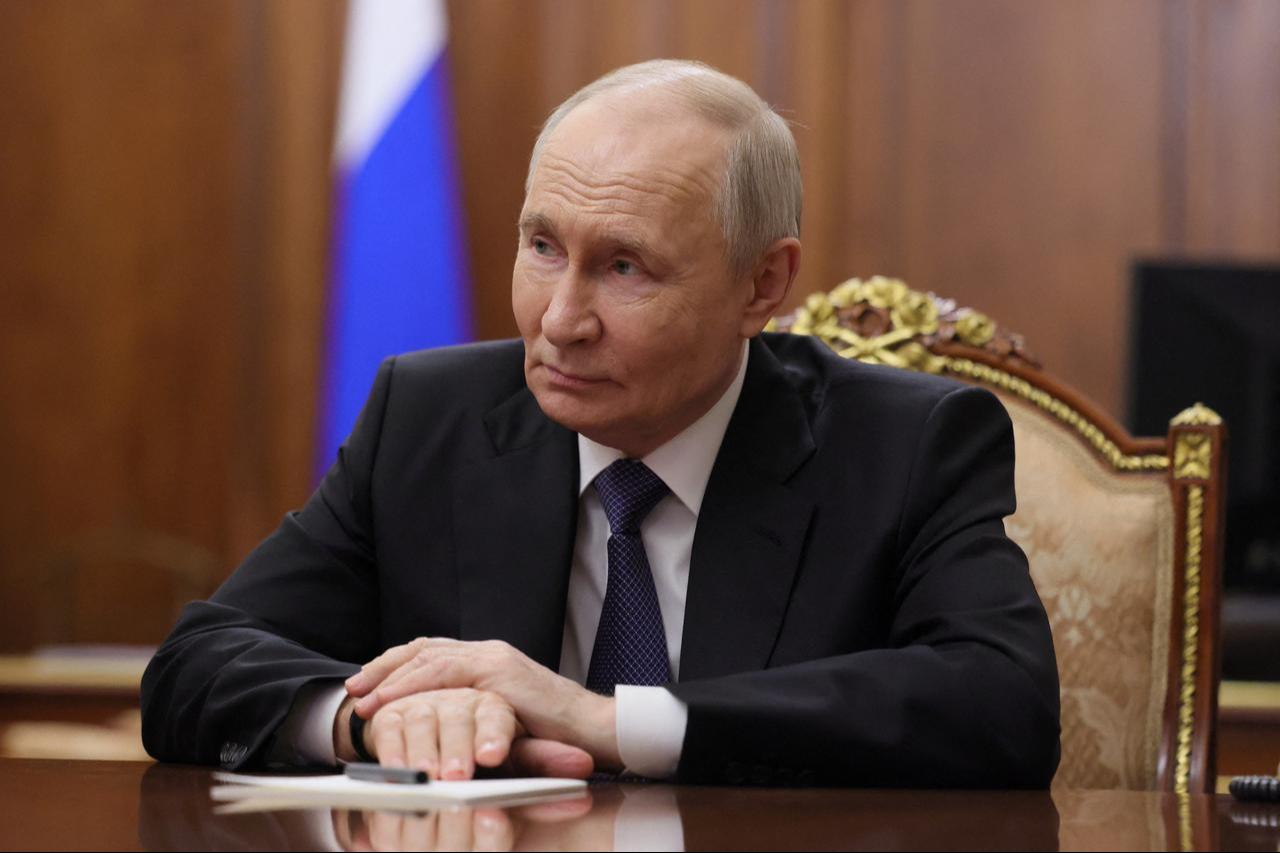
Trump’s initial post came hours after he spoke by phone with Russian President Vladimir Putin, who has long sought a reduction in the number of NATO troops in Europe.
It also came as Germany’s Chief of Defence, Gen. Carsten Breuer, finished a day of meetings with U.S. officials in Washington to discuss Berlin’s new defense strategy.
German officials were surprised by Trump’s posts after what they described as productive talks with U.S. counterparts, according to a senior German official cited in the report.
“As Europe’s largest economy, Germany has the ambition to take on a greater leadership role within NATO,” Breuer told reporters after the meetings. “It’s clear for Germany to take over more responsibility” for its own defense.
Trump’s comments also came as Army Secretary Dan Driscoll concluded a two-day trip to German training ranges intended to underline the U.S. military presence in the country.
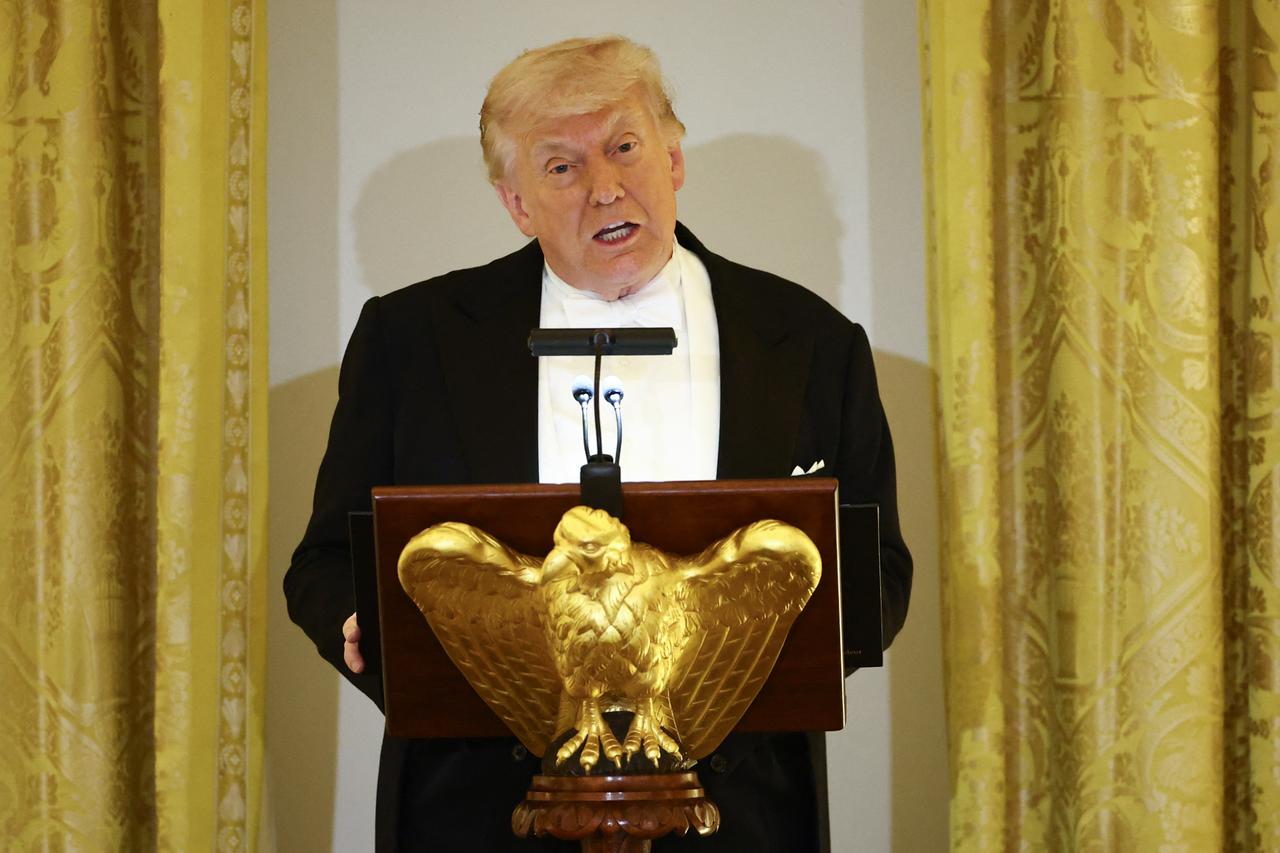
On Thursday, Trump also raised the possibility of pulling U.S. troops out of Spain and Italy.
“Why shouldn’t I?” he told reporters. “Italy has not been of any help to us. And Spain has been horrible. Absolutely horrible.”
The comments added to concerns among European officials already frustrated by U.S. pressure tactics, according to the report.
A German official said a review of U.S. troops in Germany could further increase tensions in the alliance after several NATO members denied the Pentagon access to their bases for the Iran war.
“Trump’s policy of crude threats has reached its limits,” the German official said. “His rhetoric has worn thin. Withdrawing U.S. troops from Germany would severely weaken the U.S. itself, and we wonder when the adults in D.C. plan to step back into the spotlight.”
Germany hosts between 35,000 and 40,000 U.S. troops and provides land for bases free of charge, along with a local workforce that supports American forces.
The Pentagon also operates two of its main military hubs from Germany: U.S. European Command and U.S. Africa Command. Germany also hosts the largest Pentagon hospital outside U.S. territory.
U.S. forces in Germany are considered critical to Washington’s global military posture and nuclear deterrence. American air bases in the country can route troops through the Middle East and Africa, while U.S. military hospitals and large training ranges support exercises for U.S. and NATO forces.
 1 min read
Carrying out a rapid withdrawal from Germany would be difficult for a Pentagon already involved in the ongoing war in Iran, the report said.
Todd Harrison, a defense budget analyst at the American Enterprise Institute, said moving U.S. forces would involve major expenses.
“There’s a moving cost, and then depending on where you’re moving them to, there could be construction costs that are substantial,” Harrison said.
“We’re not going to have facilities to house them in Poland, so that would be a very long-term construction cost” to move them, he said.
The report said moving troops, families and equipment back to the U.S. would also be expensive, especially because housing may not be available.
Previous threats to withdraw U.S. forces from Europe drew criticism from congressional Republicans. On Thursday, senior GOP lawmakers responded cautiously to Trump’s latest remarks.
“We need to hear more about the strategy behind this,” said Sen. Kevin Cramer of North Dakota.
“Ramstein is a strategic, important base, so I’d have to hear more about pulling troops out of there. Maybe we need to redistribute some personnel,” he said.
Defense legislation that became law in December bars the Pentagon from reducing total troop levels in Europe below 76,000 until it assesses the risks and certifies that such a move is in U.S. security interests.
A second congressional aide said Germany had appeared “pretty safe” from Trump’s threats to punish NATO countries because it was “stepping up on a bunch of things” related to European defense.
As recently as last week, Pentagon officials praised Germany’s efforts to strengthen its defense capabilities.
Germany plans to increase defense spending to 3.7% of gross domestic product by 2030. It will also host the first European manufacturing plants for Patriot air defense systems and plans to increase production of Stinger missiles and 155 mm artillery.
The country has also embedded a senior U.S. military official deep inside its own command structures.
Sen. Mike Rounds of South Dakota, a member of the Senate Armed Services Committee, said he did not think U.S. policy in Europe had changed.
The president “was responding back to some comments made, I suspect, by some German officials,” Rounds said. “I’m looking more at his actual actions, as opposed to the comments he’s making in the public.”


 Set as preferred source
 Set as preferred source


 1 min read