Newsletters





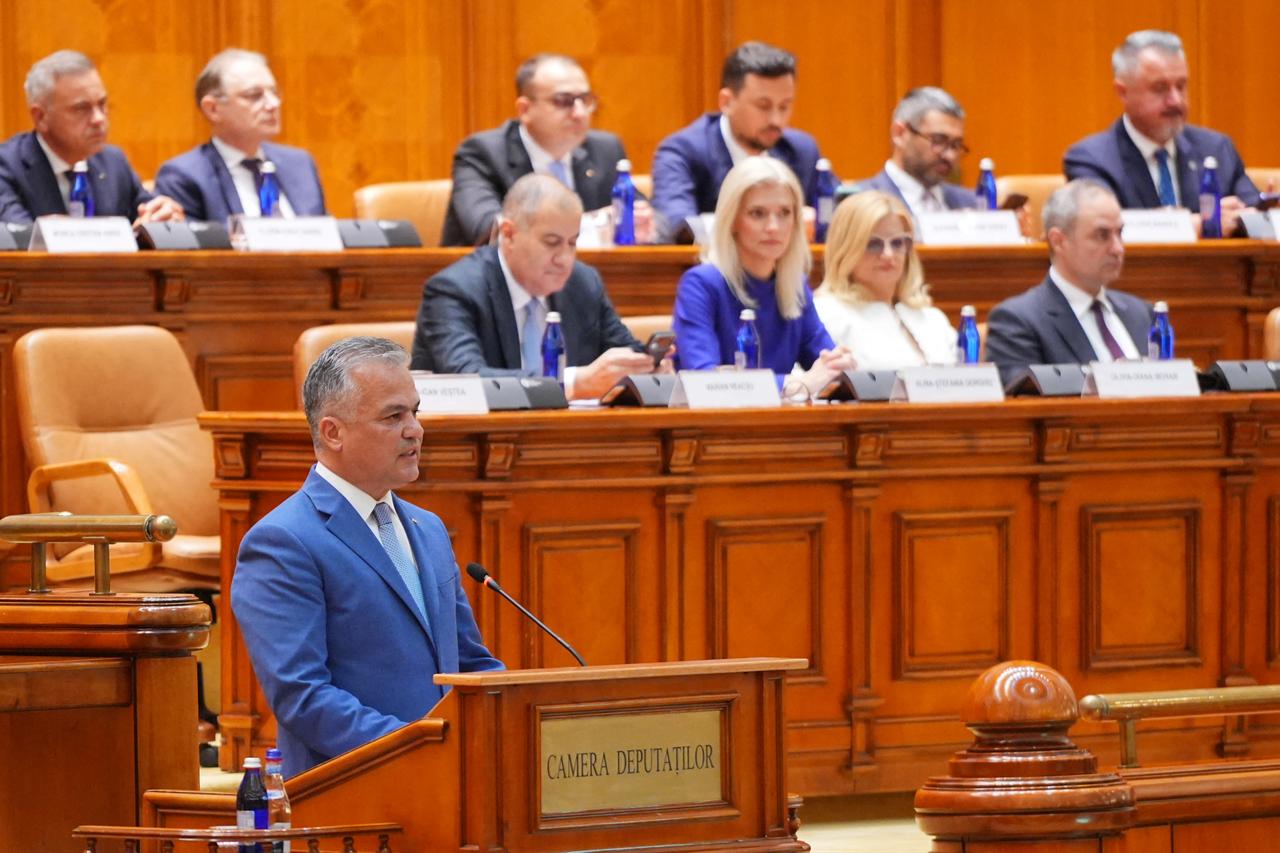
Romania's Prime Minister-designate Siegfried Muresan failed to win a confidence vote in parliament on Wednesday, falling well short of the support needed to form a government, according to broadcaster Digi24.
The proposed Muresan government received 182 votes in favor, against a threshold of 233 needed for approval, with 15 lawmakers voting against. The shortfall leaves Romania without a confirmed government and triggers a constitutional mechanism that could lead to early elections.
Following the failed vote, the conditions set out in Romania's Constitution for dissolving parliament and calling early elections have been met, giving President Nicusor Dan the authority to do so. Dan has repeatedly signaled he does not want to take that step, according to reports.
Dan formally designated Muresan as prime ministerial candidate in a decree signed on Sept. 17, starting a 10-day window for Muresan to present a governing program and proposed Cabinet to parliament for approval.
Muresan built his bid for the premiership around the National Liberal Party (PNL), the Save Romania Union (USR) and the ethnic Hungarian UDMR, the parties he consulted with from the outset.
He had said he would not negotiate with the nationalist Alliance for the Union of Romanians (AUR), citing what he described as the party's lack of commitment to European values.
Both AUR and the Social Democratic Party (PSD) announced ahead of the vote that they would not support the Muresan government's inauguration, positioning that ultimately proved decisive in Wednesday's result.
Muresan had pledged to build a competent, stable and unequivocally pro-European government, with priorities that included reducing inflation, promoting economic growth and improving living standards. Those commitments were not enough to secure the parliamentary majority required, leaving Romania's political leadership to determine its next steps.


 Set as preferred source
 Set as preferred source


 1 min read


 1 min read