Newsletters


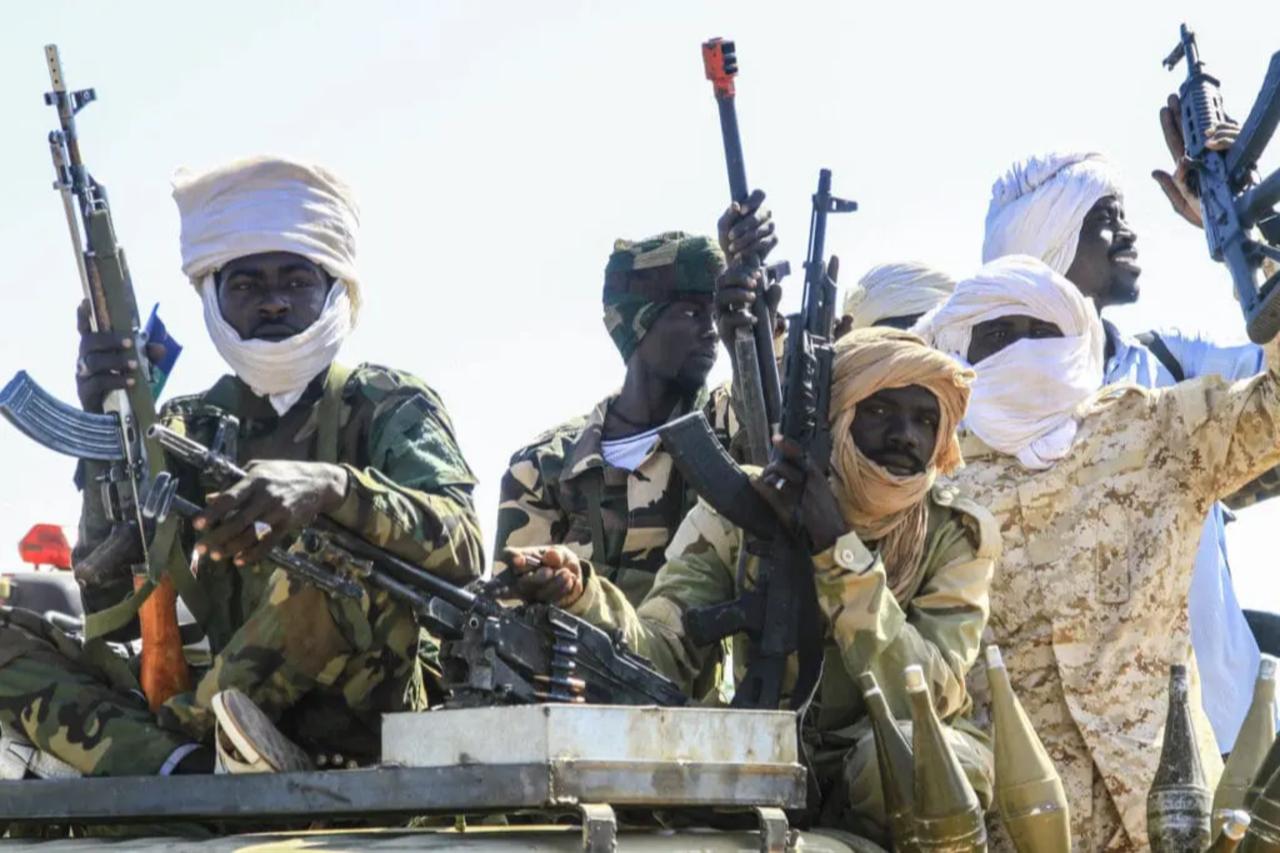


The Sudan Doctors Network reported on Wednesday that the Rapid Support Forces (RSF) are holding more than 19,000 people in prisons in South Darfur state in western Sudan, where deteriorating health conditions are causing deaths.
The network, citing sources in Nyala, the capital of South Darfur, said the detainees include members of the regular security forces as well as thousands of civilians, among them doctors, activists and journalists.
The statement detailed the composition of the detainees as follows: 4,270 police officers, 3,795 armed forces personnel and 544 members of the Security and Intelligence Service.
It also listed 5,000 prisoners captured during the battles of el-Fasher and 5,434 civilians from various professions and backgrounds, including 73 medical workers.
The statement added that Dagris and Kober prisons, along with several informal detention sites, are being used to hold these vast numbers of detainees in conditions that “lack the most basic human standards,” amid outbreaks of cholera and other infectious diseases caused by severe overcrowding and the absence of sanitation and clean water.
It noted that more than four deaths are being recorded each week among the detainees due to complete medical neglect and the refusal to transfer critical cases to hospitals.
The network urged the United Nations and human rights organizations to intervene urgently to pressure the Rapid Support Forces to release civilian detainees, publish the lists of those held, halt arbitrary arrests and immediately improve health conditions inside the prisons.
The conflict between the Sudanese army and the RSF erupted in April 2023, leading to famine, ethnically targeted killings and mass displacement.
While the RSF controls all five state capitals in the Darfur region in western Sudan, the army holds most areas of the remaining 13 states across the south, north, east and central parts of the country, including the capital, Khartoum.
The Darfur region makes up about one-fifth of Sudan's total area, which exceeds 1.8 million square kilometers, yet the majority of Sudan's 50 million people live in areas under army control.


 Set as preferred source
 Set as preferred source


 3 min read