Newsletters


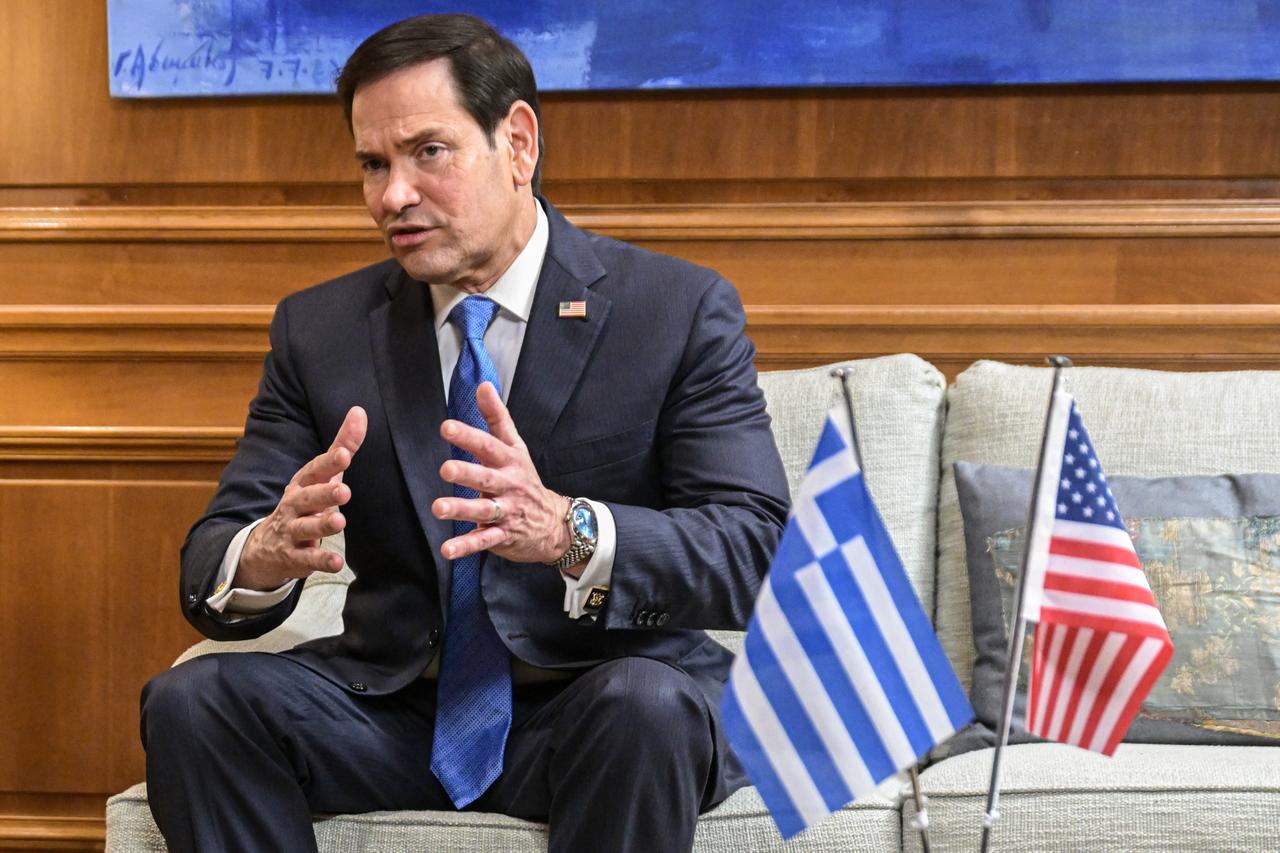


U.S. Secretary of State Marco Rubio said a Greece-Türkiye conflict would be "unthinkable" and something Washington could never allow, in an interview with Greek newspaper Kathimerini published Thursday after his visit to Athens.
Asked whether the U.S. would step in if tensions with Türkiye turned dangerous in the Aegean or over Cyprus, Rubio said: "For me, it would be unthinkable for something like that to happen. They are two allies and partners in NATO, so it simply cannot happen."
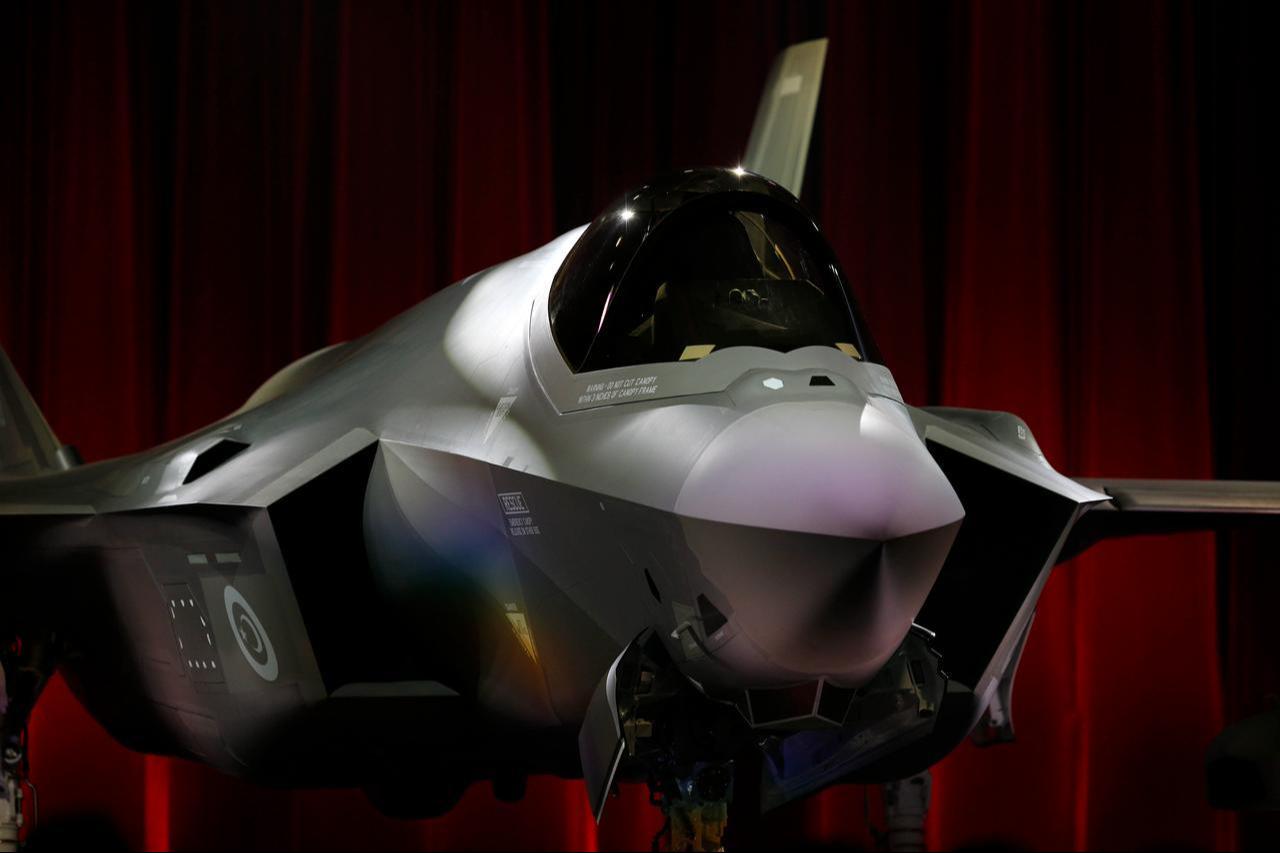
Rubio's remarks came as Ankara and Athens remain at odds over the Greece-Greek Cyprus power cable, known as the Great Sea Interconnector, and as Türkiye seeks a path back to the F-35 fighter jet program.
"It would not be good for anyone, not for Türkiye, not for Greece, and not for the United States either," Rubio told Kathimerini.
"I would say it is something unthinkable for me, something we could never allow to happen and that I do not believe will happen," he said.
Asked about possible U.S. mediation, given U.S. President Donald Trump's personal ties with President Recep Tayyip Erdogan, Rubio said Washington is in constant contact with Türkiye.
"Our relationship with Türkiye is one we have invested in, and perhaps that investment will help us with regard to these discussions," he said.

Rubio, who, as a senator, backed the Countering America's Adversaries Through Sanctions Act (CAATSA) sanctions law, said Trump has expressed a wish for deliveries to go ahead, "if feasible," since Türkiye has already paid for some of the jets.
"However, there is a law passed by the U.S. Congress. There is also a provision in the NDAA that sets very strict conditions; therefore, until those conditions are met, the sale cannot take place," he said.
"This has been communicated to the Turkish side. They know it, and I think they are trying to find solutions. The issue revolves around the S-400 system," Rubio added.
He added that the issue "may eventually be resolved, and there are various options for how that could be done, but at this moment, it has not yet been resolved."
Türkiye was removed from the F-35 program in 2019 after buying Russia's S-400 air defense system, which also triggered U.S. sanctions under CAATSA. Türkiye has consistently argued the two systems could coexist without security risks and has proposed a joint technical commission to examine the issue.
The dispute left six Turkish-funded F-35s stranded in the U.S. and Ankara seeking either reinstatement in the program or reimbursement of the roughly $1.45 billion it had already invested.
Momentum toward a resolution built following the NATO summit hosted in Ankara in July, when Trump signaled he was open to lifting CAATSA sanctions and reconsidering F-35 sales to Türkiye, with Turkish Foreign Minister Hakan Fidan saying the following month that the decision to lift CAATSA had "effectively already been made."
On the cable linking Greece and Greek Cyprus, Rubio said Washington understands there are "some potential obstacles" and will use diplomacy "to remind all parties how important this is for us and why it is important."
Speaking at a press conference in Athens on Wednesday, he said the matter involved "a very delicate situation involving other countries, I won't say who," adding such issues are "probably best addressed through private diplomacy outside the realm of press conferences."
Türkiye's Defense Ministry has repeatedly said cable, or pipeline-laying and scientific research on Türkiye's continental shelf must be coordinated with Ankara in advance.
 1 min read
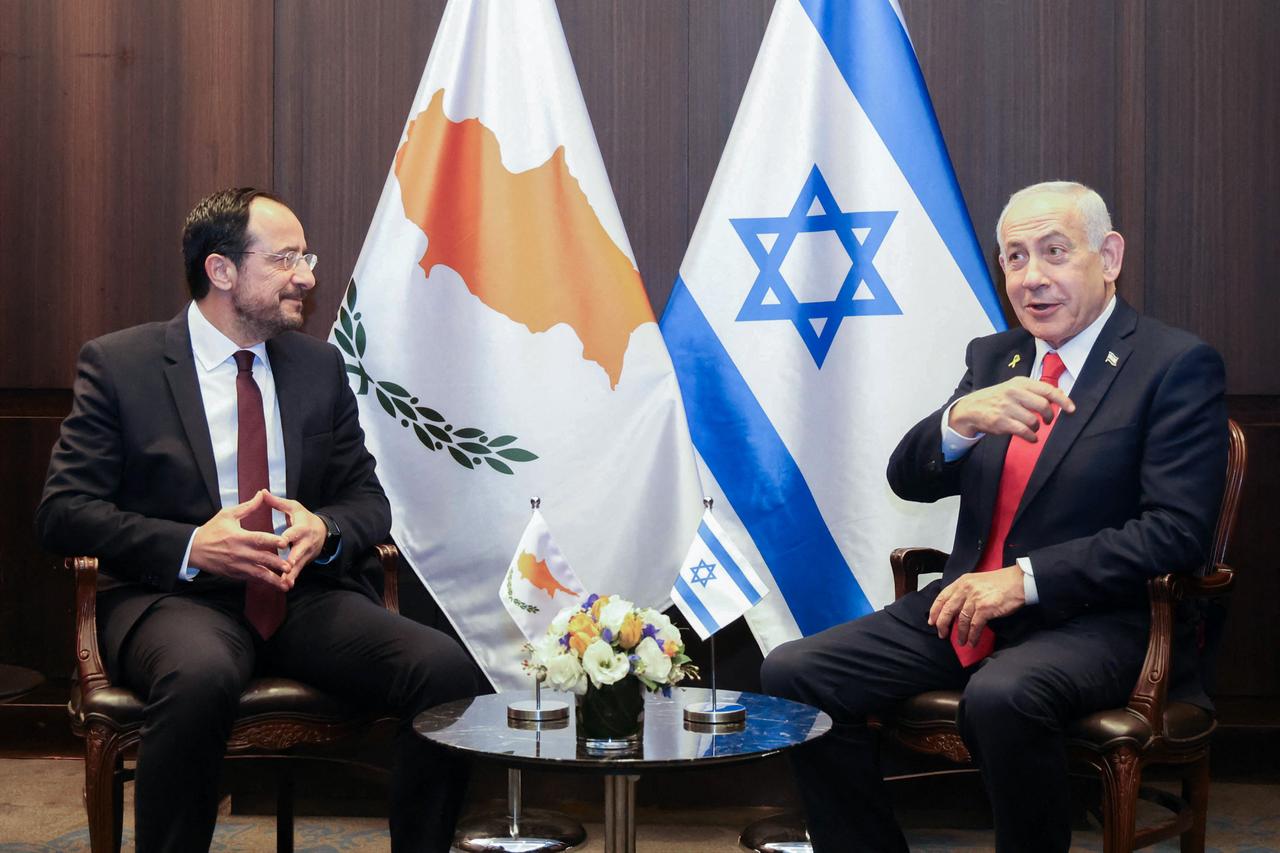
Rubio and Greek Foreign Minister George Gerapetritis presided over the sixth U.S.-Greece Strategic Dialogue on Wednesday, where the two sides announced $4 billion in Foreign Military Sales for Greece and a counterterrorism information-sharing deal.
On Greece's request for advanced weapons for its own F-35s, similar to those Israel has received, Rubio said there was "no official answer," adding the decision ultimately rests with Trump.
He said Washington views Greece's defense ties with Israel "positively."


 Set as preferred source
 Set as preferred source


 1 min read