Newsletters


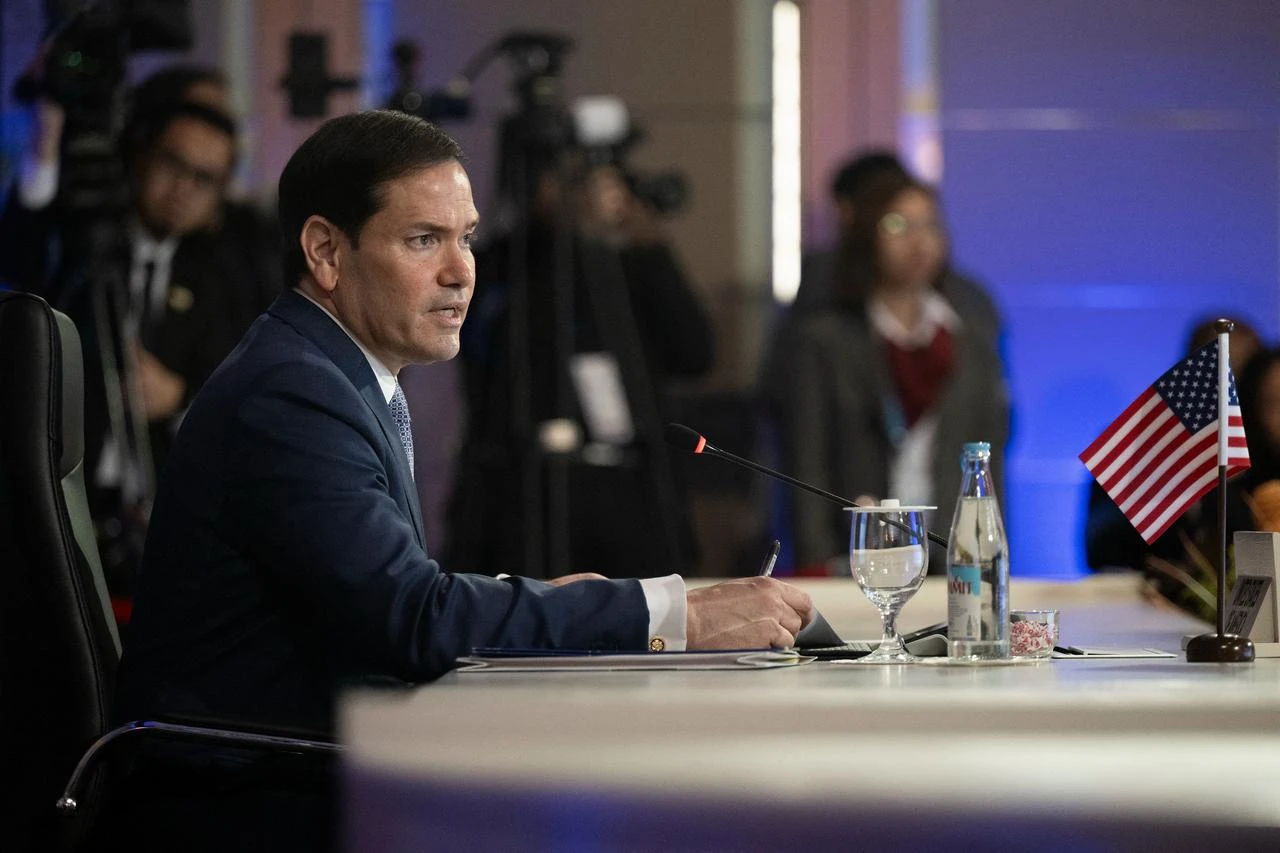


U.S. Secretary of State Marco Rubio said Wednesday that Washington remains willing to pursue diplomatic solutions with Iran but warned that Tehran cannot be allowed to control transit through the Strait of Hormuz.
"The United States is always committed to diplomacy. We are open-minded and always willing to engage in negotiated settlements of differences, and that remains true in the case of Iran," Rubio said at a meeting of the Association of Southeast Asian Nations (ASEAN) in Manila.
He said Iran had been communicating with Washington both "directly and indirectly" about possible talks aimed at resolving ongoing tensions.
"The problem we're having right now is that they're not serious about talks," Rubio said.
"If they're serious, we're serious. If they're not, then we will do what is necessary to protect our interests and also the interests of our allies," he added.

Rubio said Iran could not be allowed to control traffic through the Strait of Hormuz.
"If we create a precedent in the Middle East where a nation-state can decide that they are going to control an international waterway, charge a toll, and if you don't pay them, blow up your ships, we have created a very dangerous precedent that will repeat itself in other parts of the world, including in this region," he said.
"At its core, it's very simple. Iran demands the right—which they do not have under any existing legal mechanism—to control the transit of traffic through the Strait of Hormuz," Rubio said.
"There is a fundamental principle about freedom of navigation that is threatened," he added. "That cannot be allowed to happen."
His remarks came as Southeast Asia faces overlapping claims in the South China Sea by China and ASEAN member states, another crucial maritime route for global trade.
Rubio reiterated that Washington's preference remains constructive engagement, provided that commitments reached through diplomacy are respected.
"The United States remains open and willing to engage in positive, constructive negotiations and talks, so long as the commitments that are made are kept," he said.
"When those commitments are not kept, which is what's happened in this particular case, then there will be consequences, and that has to happen," he added.
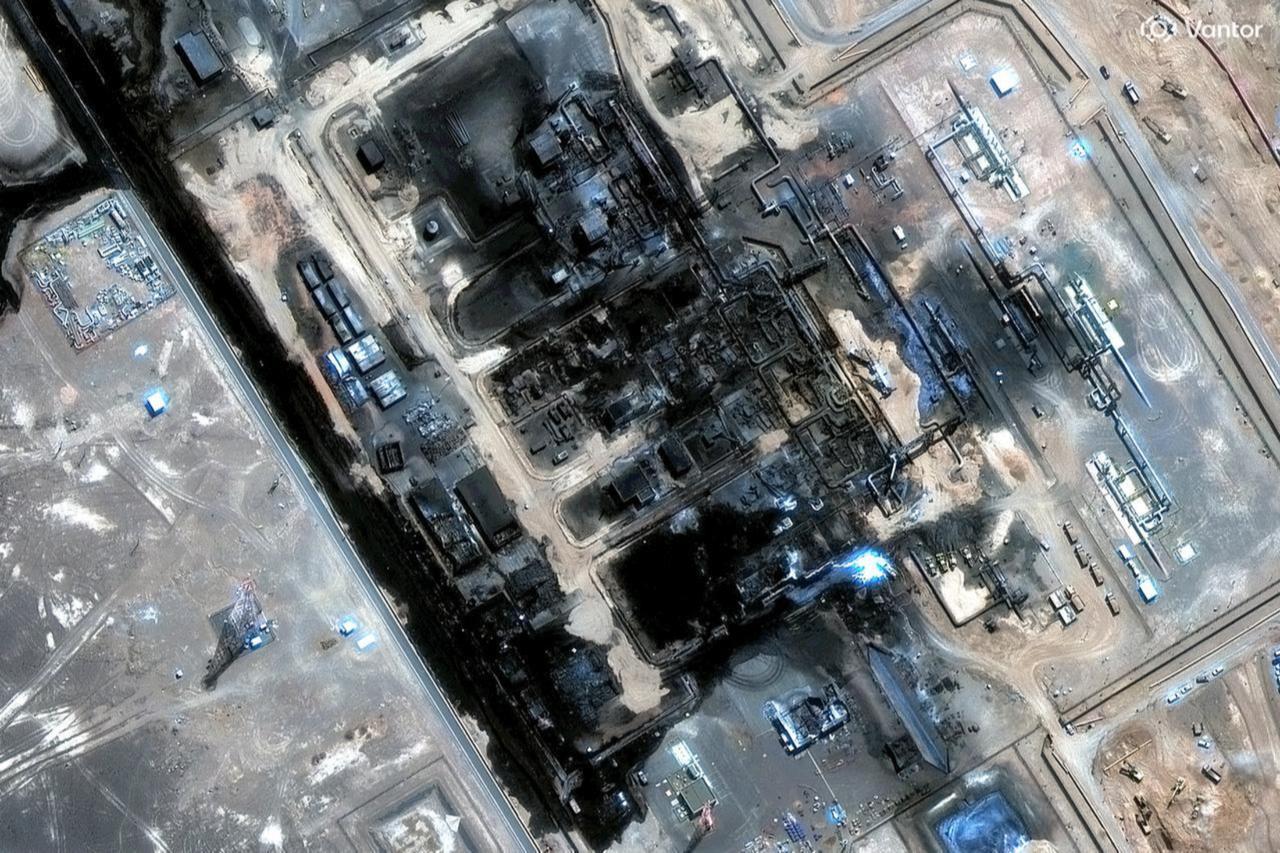
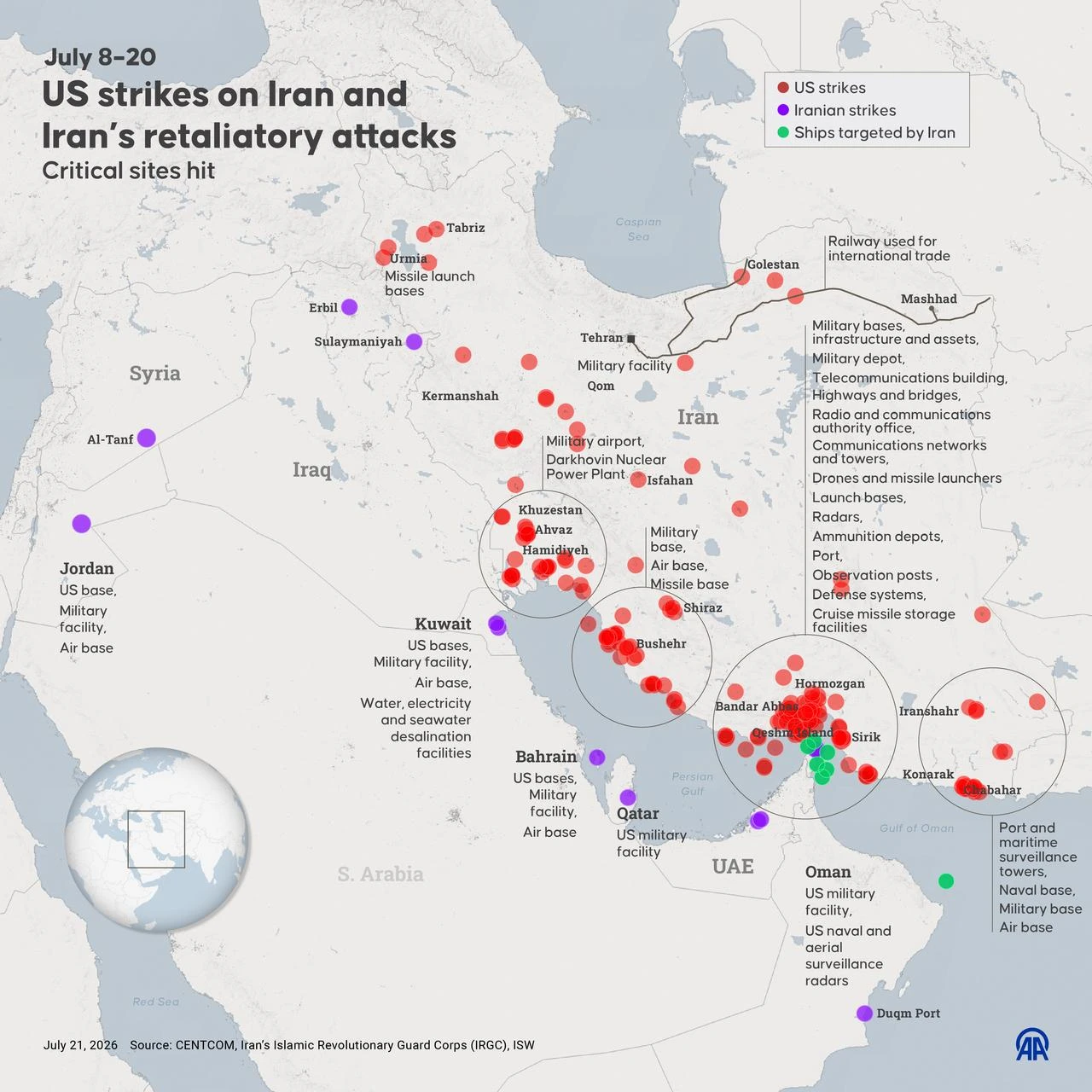
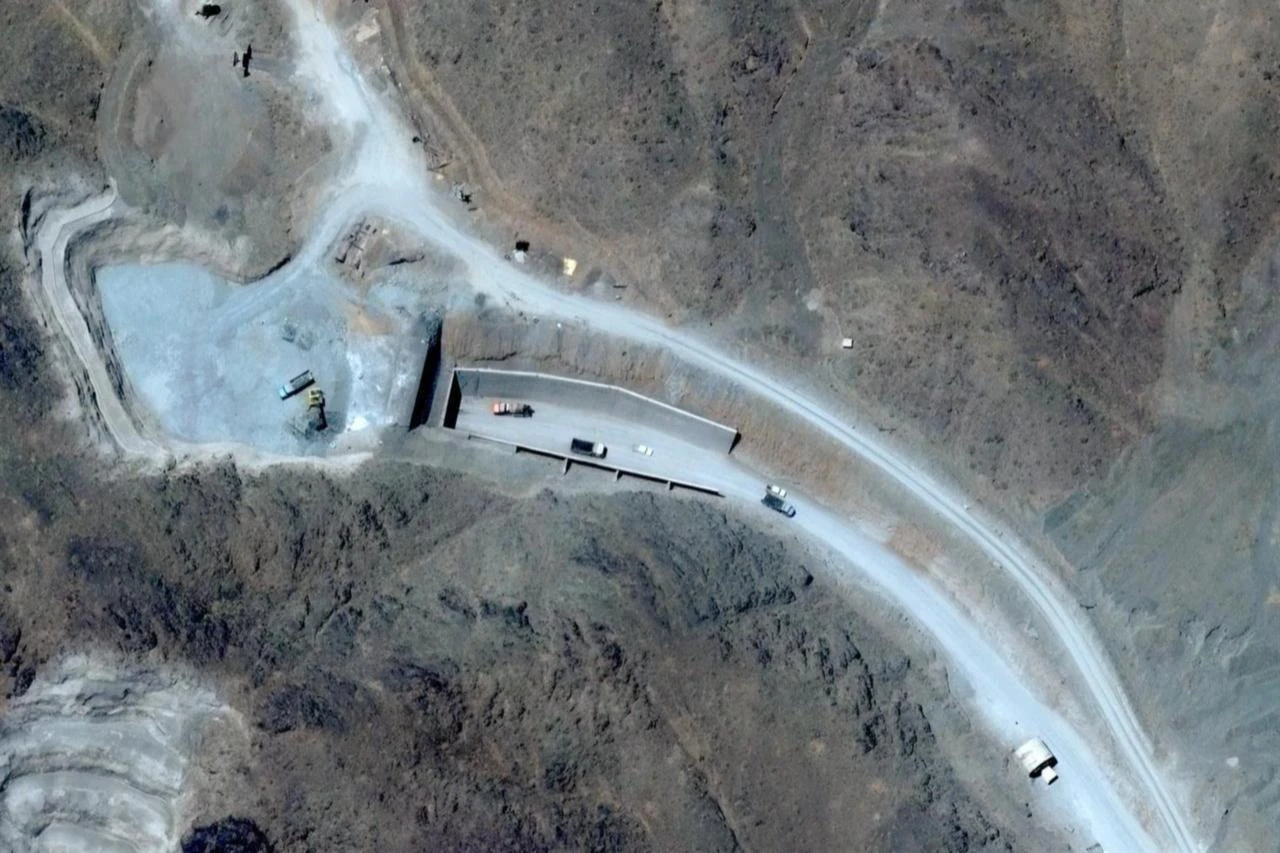
U.S. Central Command (CENTCOM) said Tuesday that it had carried out its 11th consecutive night of strikes against Iran.
CENTCOM said the strikes were aimed at degrading Iran's ability to threaten commercial shipping in the Strait of Hormuz.
Regional tensions have escalated since the United States and Israel launched a joint offensive against Iran on Feb. 28.
Iran retaliated with drone and missile strikes targeting Gulf countries hosting U.S. military assets.
The United States and Iran signed a Pakistani-mediated memorandum of understanding last month to end their conflict and reach a lasting peace agreement. Still, tensions escalated again last week over the Strait of Hormuz, with the two sides exchanging attacks.
Since the U.S.-Israeli strikes began Feb. 28, 18 U.S. service members have been killed and 447 others injured, according to Defense Department figures.
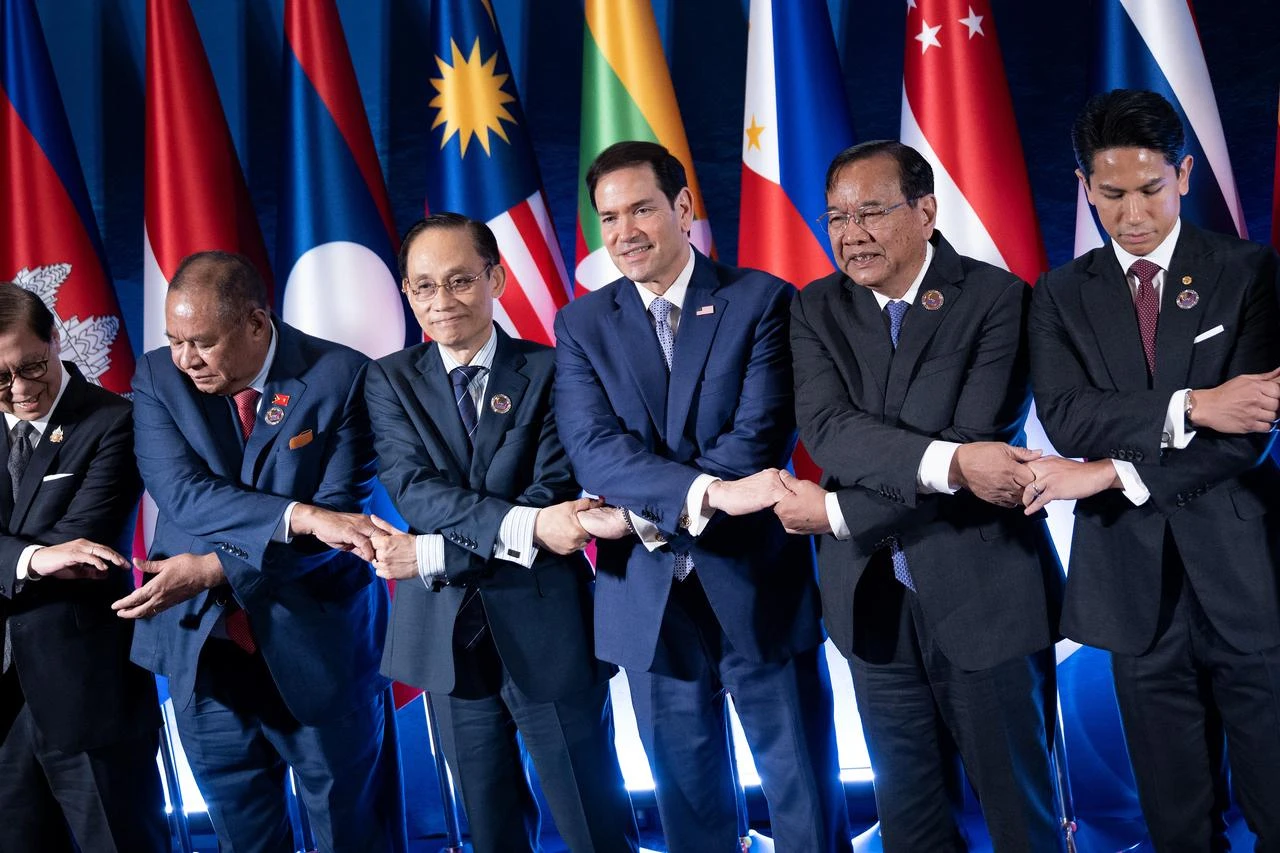
Rubio arrived in the Philippines on Tuesday, the same day Washington condemned a recent clash between Chinese and Philippine sailors in the disputed South China Sea.
He is expected to meet Chinese Foreign Minister Wang Yi on the sidelines of the ASEAN summit.
Rubio is also set to hold talks with counterparts from Quad members India, Australia and Japan, as well as other regional partners.


 Set as preferred source
 Set as preferred source


 1 min read

 1 min read