Newsletters


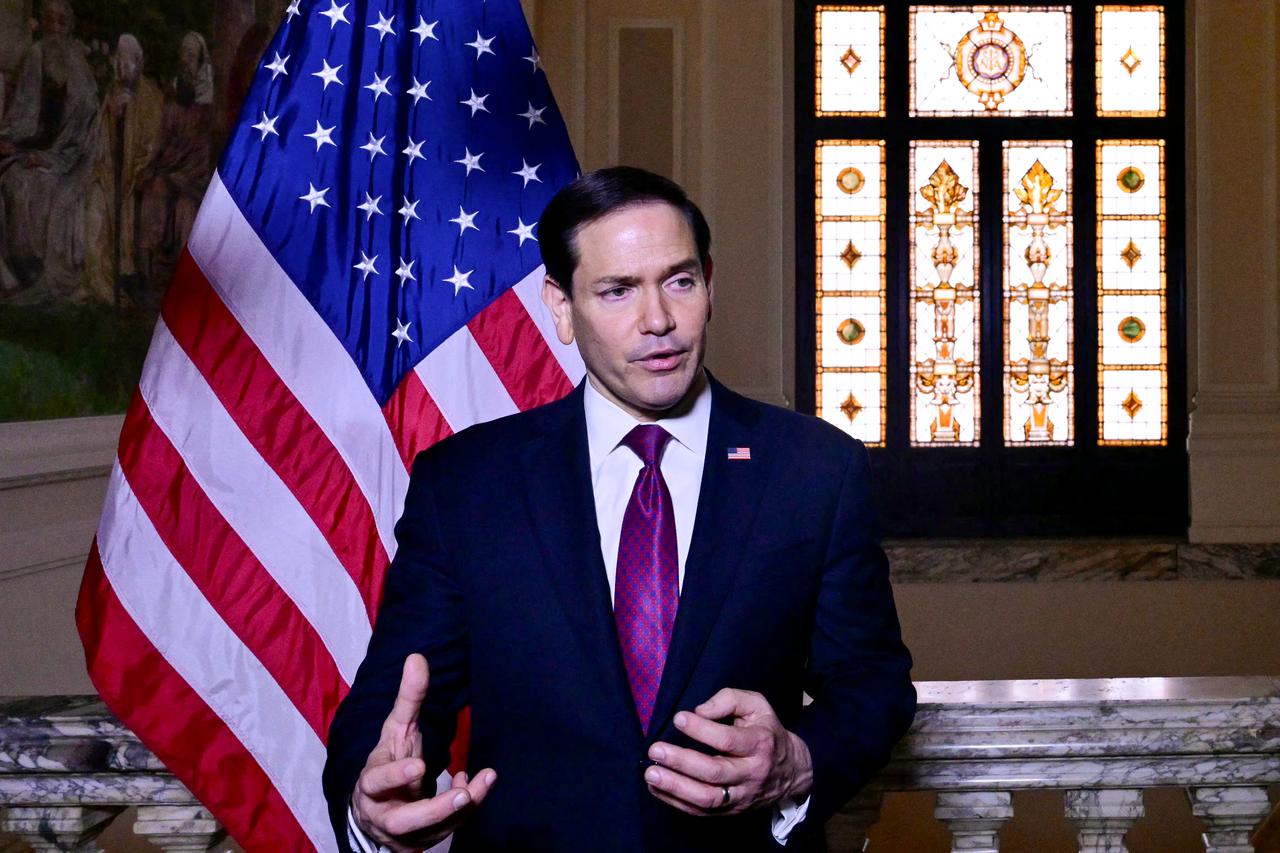


U.S. Secretary of State Marco Rubio urged European countries Friday to help secure the Strait of Hormuz as he concluded a two-day visit to Rome, where he also sought to ease tensions with Pope Leo XIV and held talks with Italian Prime Minister Giorgia Meloni.
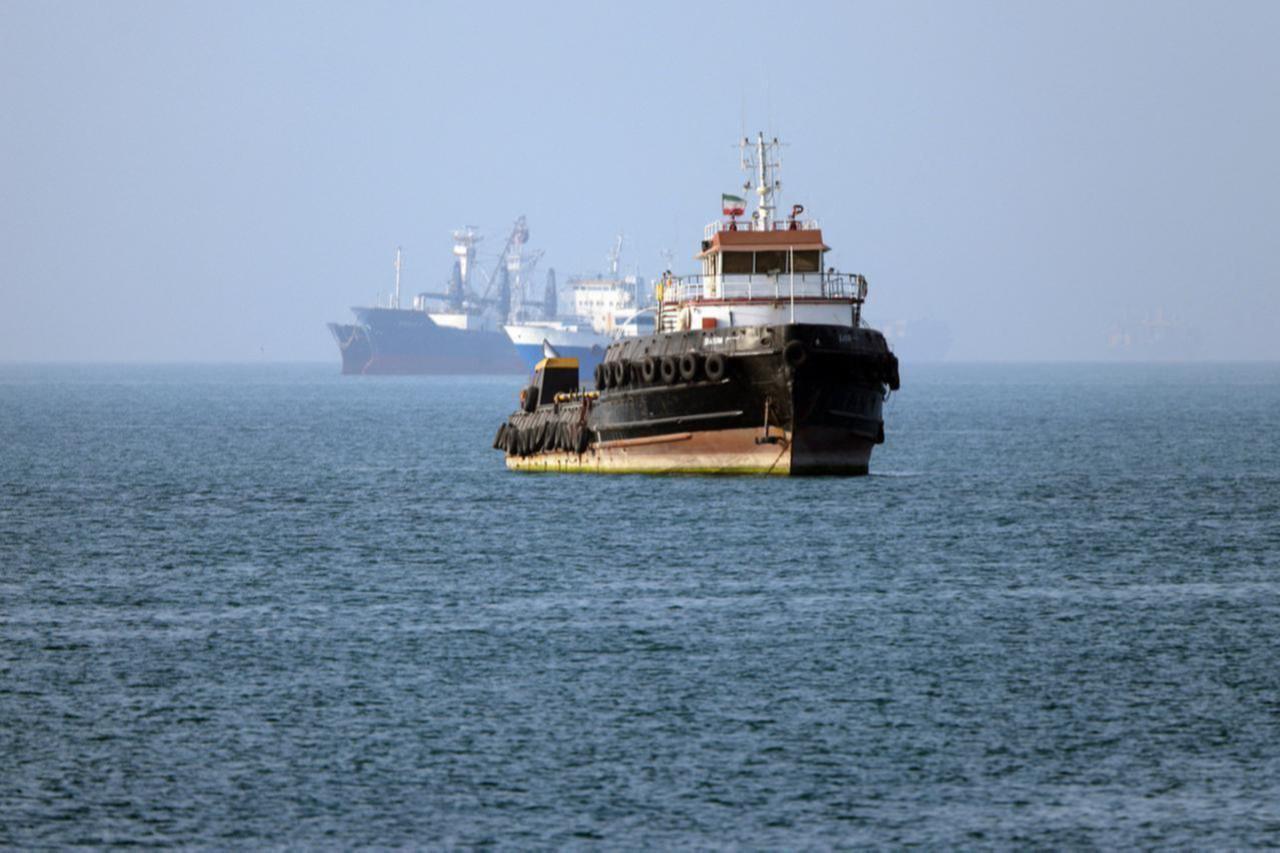
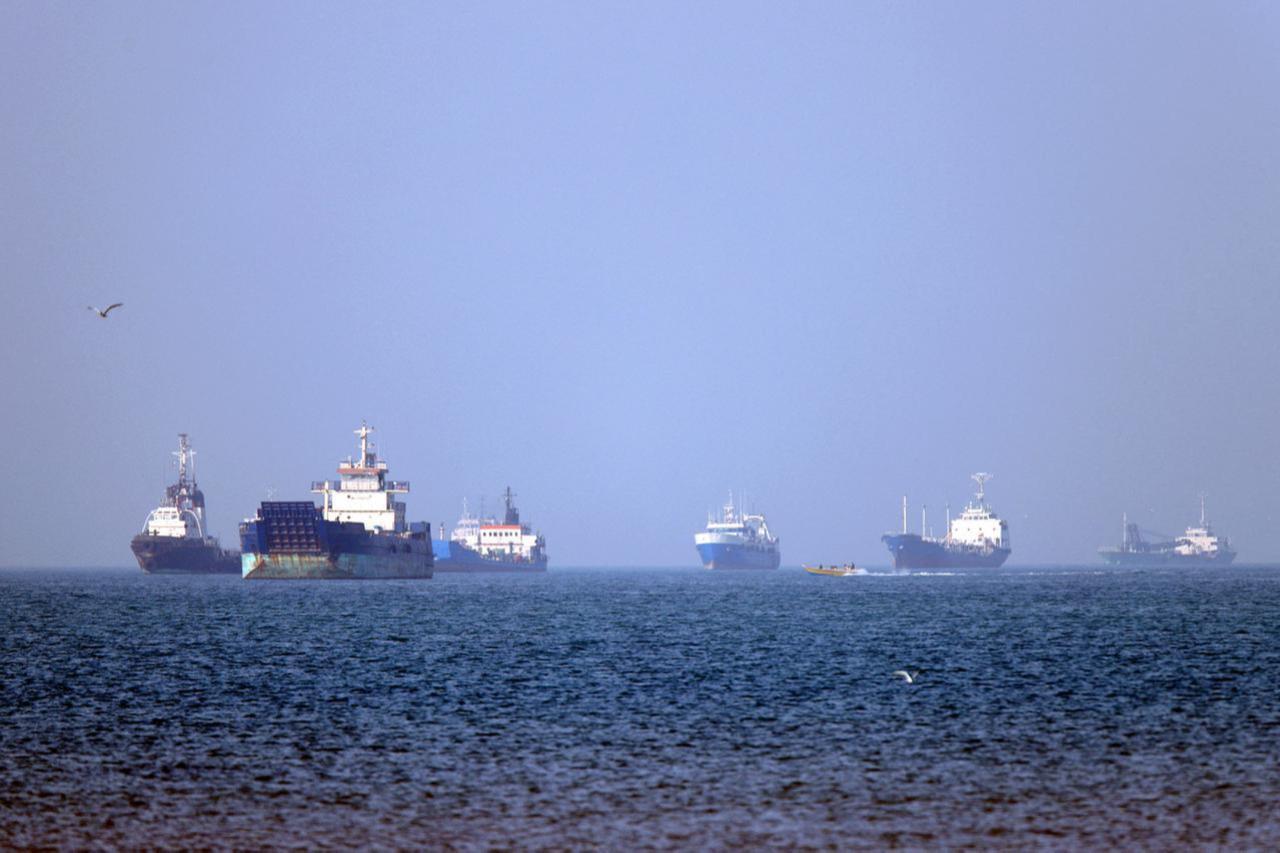
Rubio’s appeal came after U.S. President Donald Trump criticized European countries for not helping the United States protect the strait, a key transport route for oil, gas and fertilizer.
“The world has to start asking itself, what is it willing to do if Iran tries to normalise a control of an international waterway? I think that’s unacceptable,” Rubio told reporters after meeting Meloni.

The appeal was directed at Italy and other European countries, as Washington seeks greater support in protecting the Strait of Hormuz.
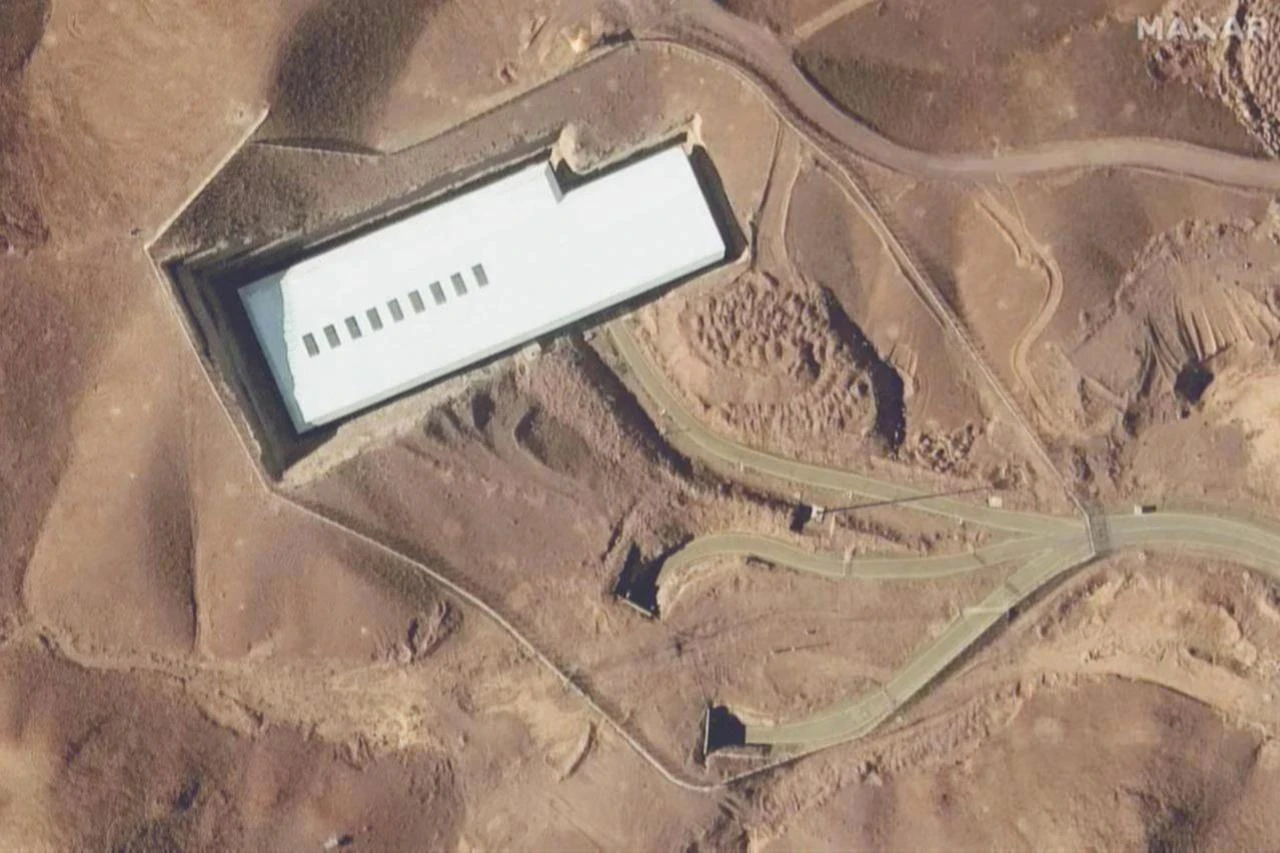
Tehran seized control of the narrow chokepoint to the Gulf after U.S. and Israeli forces attacked Iran on Feb. 28, triggering the Middle East war.
Trump has threatened to pull U.S. troops from Italy and Spain over their refusal to get involved in the conflict. He has also questioned U.S. membership in NATO.
Rubio said the issue raised questions about the purpose of U.S. forces deployed in Europe.
“If one of the main reasons why the U.S. is in NATO is the ability to have forces deployed in Europe that we could project to other contingencies, and now that’s no longer the case, at least when it comes to some NATO members, that’s a problem, and it has to be examined,” Rubio said.
He added that Trump had not yet decided how to reprimand those countries.
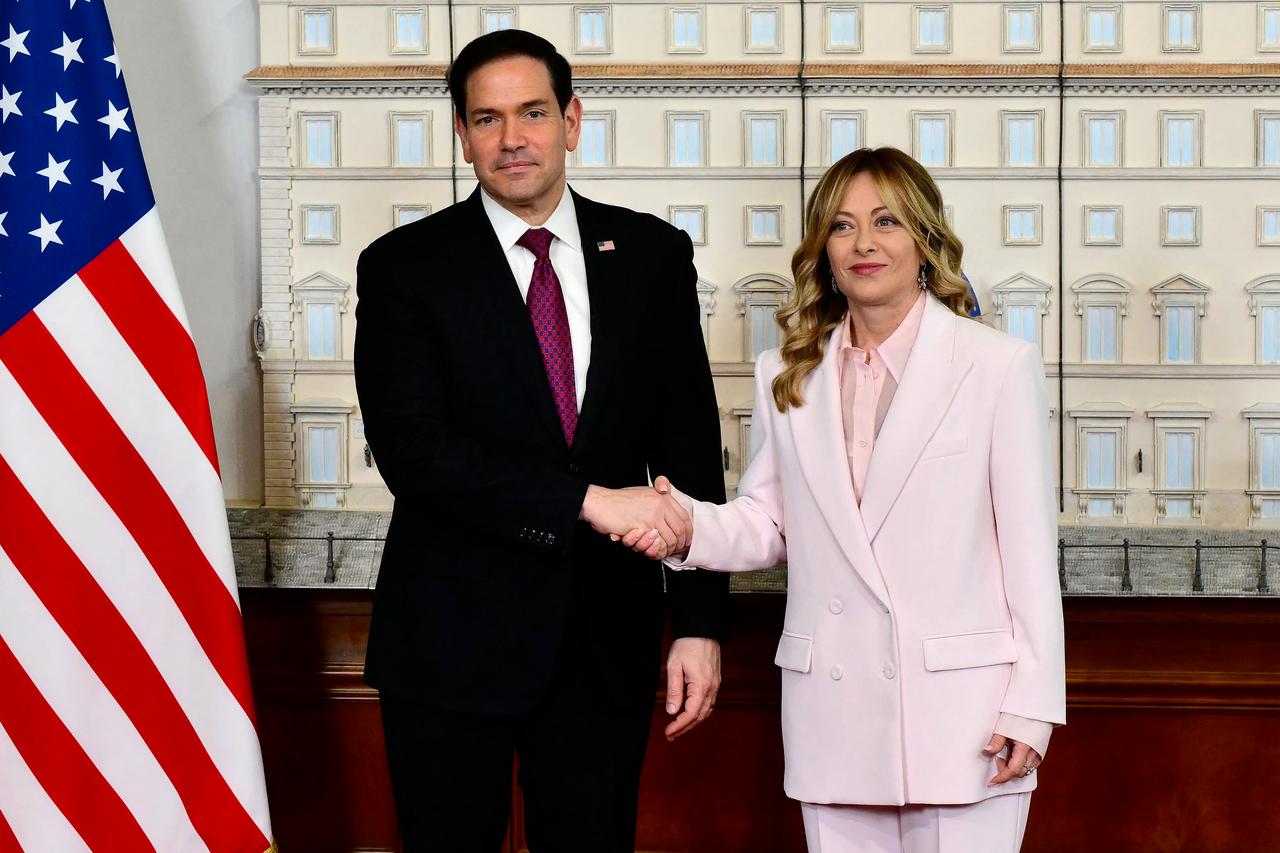
Meloni and Rubio met for nearly 90 minutes at her Palazzo Chigi office after Rubio held talks with Italian Foreign Minister Antonio Tajani.
Earlier this week, Meloni said any withdrawal of U.S. troops from Italy was “a decision that does not depend on me, and one that I personally do not agree with.”
Meloni’s office described her meeting with Rubio as “broad and constructive,” but also “frank.” It said the talks covered bilateral relations, the Middle East, Libya and Ukraine.
“It was a frank dialogue between allies defending their own national interests, but both recognising the value of Western unity,” the statement said.
“We both understand how important the transatlantic relationship is, but we also both understand how necessary it is for each side to defend its national interests,” it added.
Trump said in an interview with an Italian newspaper last month that he was “shocked” by Meloni’s position.
“I thought she had courage, but I was wrong,” Trump said.
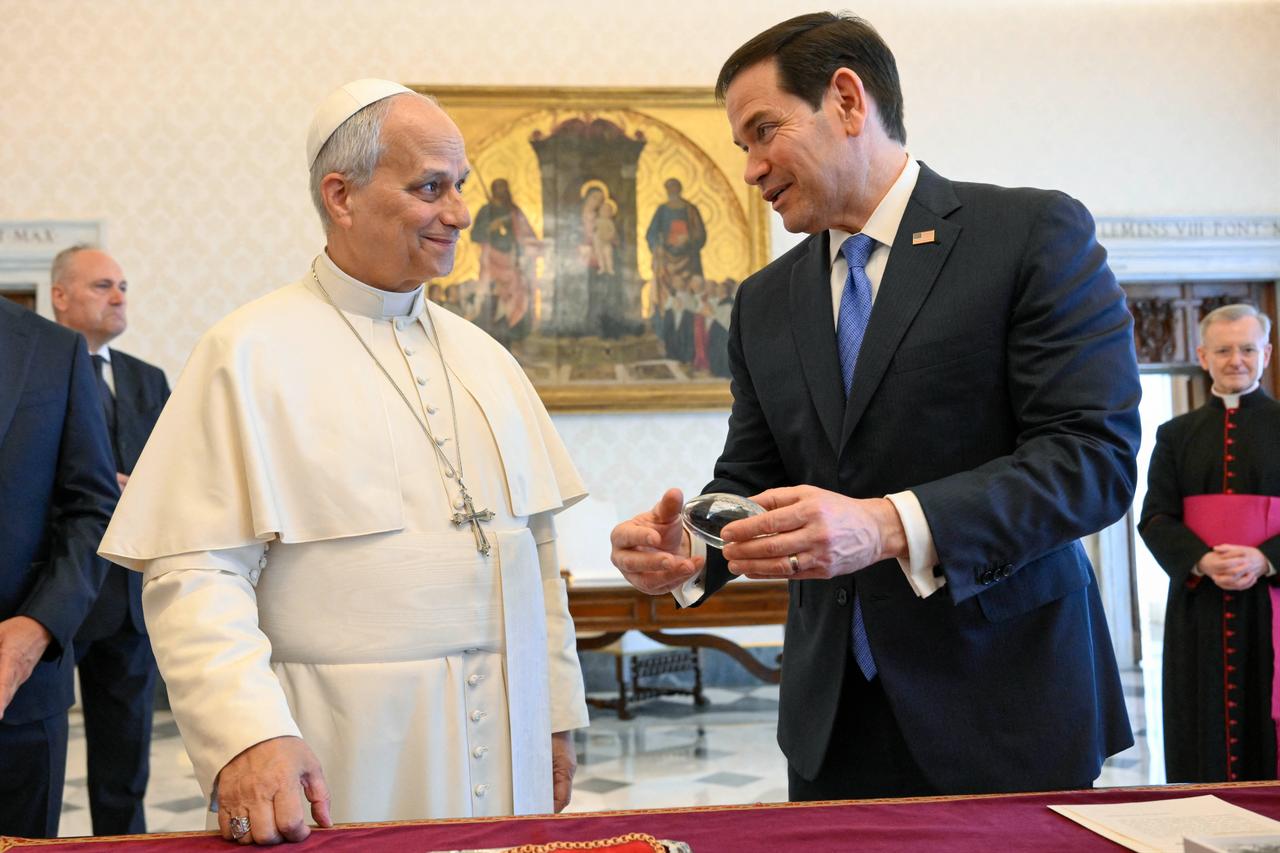
Rubio, a devout Catholic, also met Pope Leo XIV, the first U.S. pope, during the visit.
Rubio said Friday that his meeting with the pope the previous day was “very good.”
Trump last month accused Pope Leo, the head of the world’s 1.4 billion Catholics, of being “weak on crime and terrible for foreign policy” after the pope made critical comments about the Middle East war.
Rubio said he and the pope discussed religious freedom, the threat posed by Iran and the role of the Catholic Church in delivering U.S. humanitarian aid to Cuba.
“It’s important to share our points of view and an explanation and an understanding of where we’re coming from. And I thought it was very positive,” Rubio said.
Rubio also met Vatican Secretary of State Pietro Parolin.
“I updated them on the situation with Iran, expressed our point of view about why this is important, and the danger that Iran poses to the world,” Rubio said.
The Vatican said the discussions between the pope, Parolin and Rubio addressed “the need to work tirelessly for peace.”
Asked whether Trump would call Pope Leo, Rubio said: “Maybe. I don’t know, I mean, it could happen.”


 Set as preferred source
 Set as preferred source


 1 min read
 1 min read