Newsletters


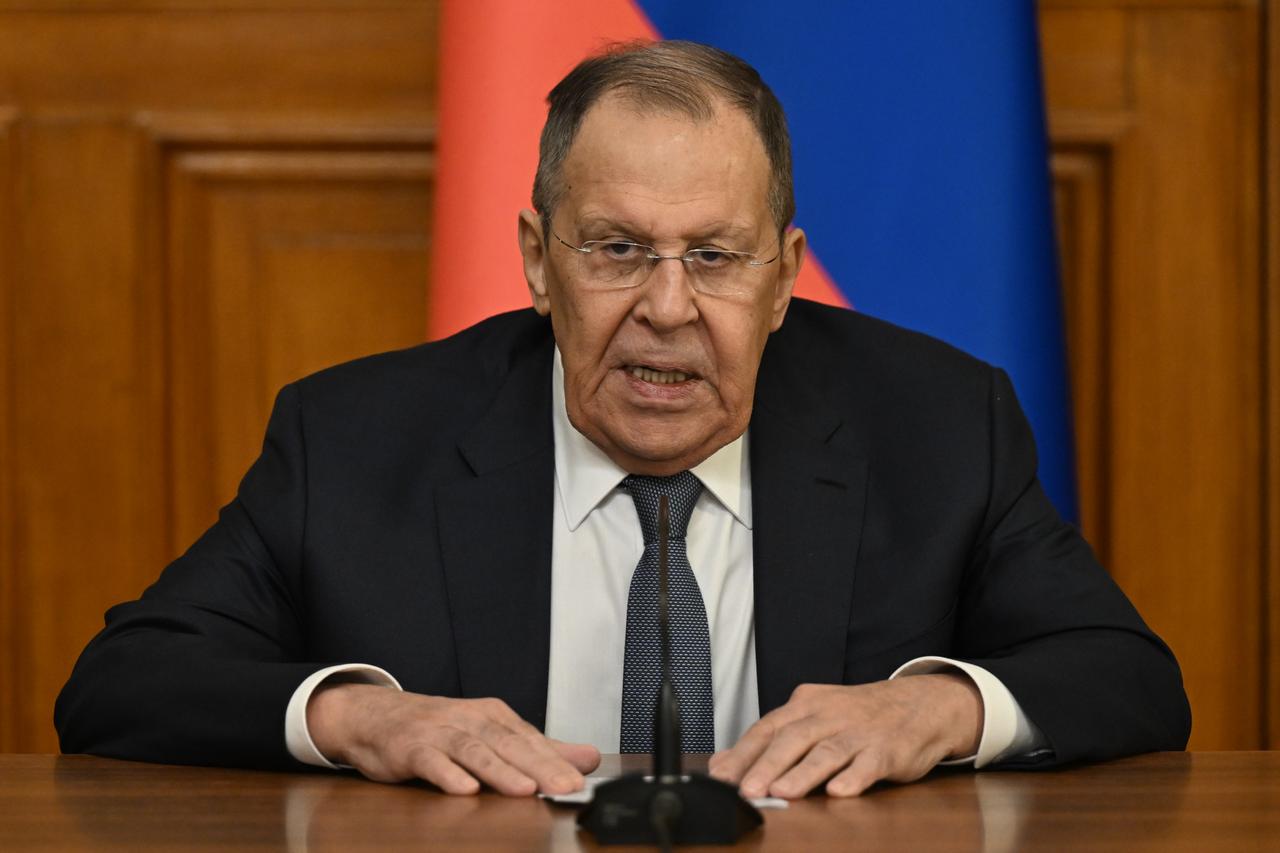


Russian Foreign Minister Sergey Lavrov warned Tuesday that the war against Iran could trigger a nuclear arms race across the Middle East and beyond, saying the risk of nuclear proliferation spiraling out of control was growing, as U.S. President Donald Trump declared it was "too late" for Iran to negotiate.
Lavrov said the conflict risked empowering forces inside Iran that would favor acquiring a nuclear bomb—the exact opposite of what Washington claims to be pursuing.
"This way, forces in Iran that are in favor of having a nuclear bomb, completely contrary to the demands of the United States, will emerge.
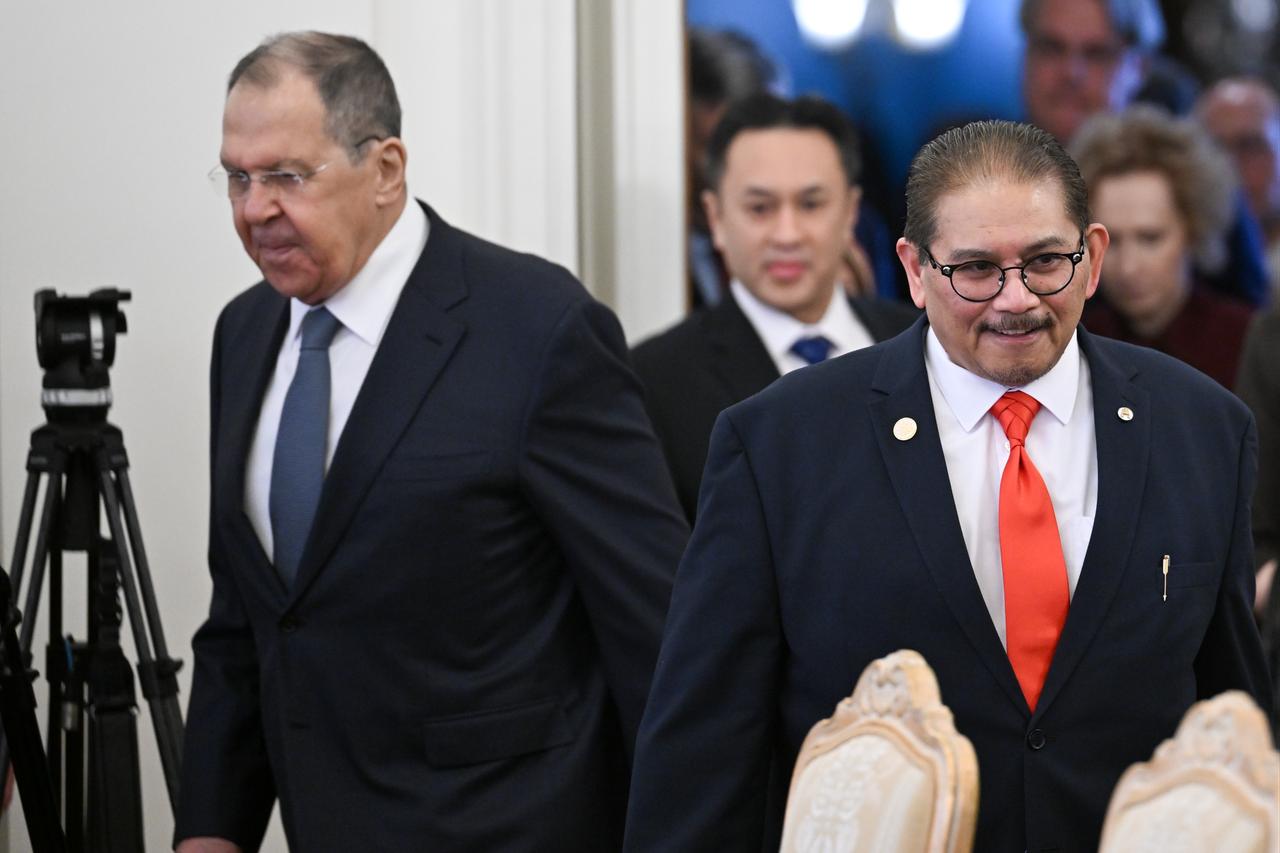
The war launched against Iran could revive actions aimed at producing nuclear weapons. This is not only true for Iran. Such a movement could also begin in neighboring Arab countries," Lavrov said at a press conference with Brunei Foreign Minister Dato Erywan Yusof in Moscow.
Lavrov pointed to similar trends in Europe, warning that "the risk of nuclear proliferation spiraling out of control is growing."
He said Russia would defend nonproliferation principles and oppose actions that could trigger a nuclear arms race.
He reiterated that Moscow had seen no evidence Iran was developing nuclear weapons, noting the war in the Middle East was launched on the pretext of Iran's nuclear program despite the absence of proof. Lavrov said there was no clarity on U.S. objectives regarding Iran and that all issues should be resolved through political and diplomatic means.
Lavrov recalled that Russian President Vladimir Putin had previously proposed a summit of leaders from the nuclear-armed permanent members of the U.N. Security Council.
"The time has come for such a consultation. The time has come for a comprehensive consultation on where the U.S. sees the world and itself in it and what role it assigns to other countries," Lavrov said.
Describing the U.S.-Israeli assault as "essentially a war," Lavrov called for an end to all actions causing civilian casualties in both Iran and Gulf countries as a first step toward de-escalation.
Brunei's Yusof condemned the attacks on Iran, saying it was distressing that such actions were taking place during the month of Ramadan while diplomatic processes were still underway.

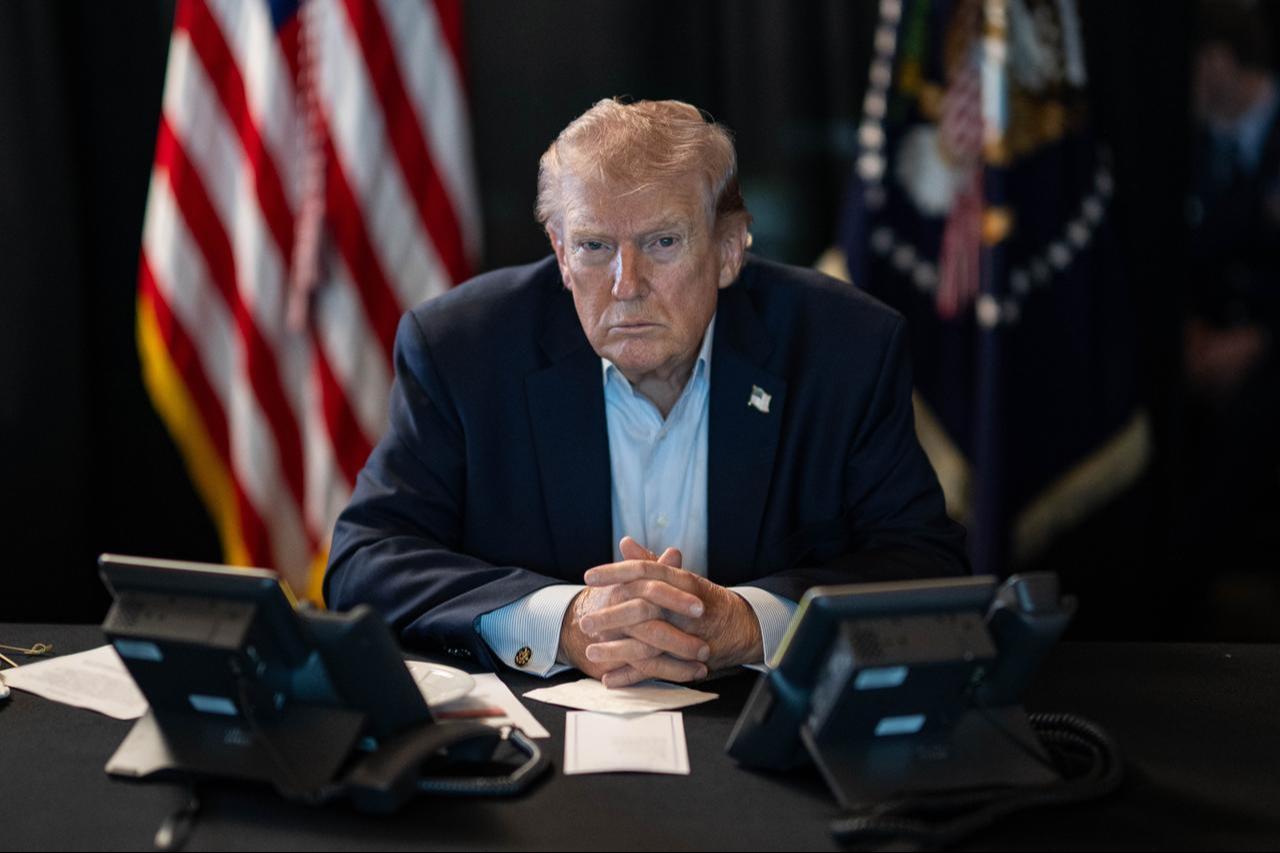
Trump dismissed Iran's attempts at communication in a post on Truth Social, responding to a user who described the strikes as "the birth of the Trump Doctrine."
"Their air defense, Air Force, Navy, and leadership are gone. They want to talk. I said, "Too Late!" Trump wrote.
Trump was the first to announce that Supreme Leader Ali Khamenei had been killed in the strikes on Saturday, hours before Iranian state media confirmed the death.
Speaking at the White House on Monday, Trump said the attacks would probably last four to five weeks. U.S. Secretary of State Marco Rubio warned that the "hardest hits are yet to come."
Republican Senator Lindsey Graham, a Trump ally, went further, hinting that Cuba could be the next target.
"The Iranian regime, the mother ship of international terrorism, is about to collapse," Graham told Fox News.
"The captain of the ship, the ayatollah, is stone-cold dead," he stated, adding that "Cuba's next." They're going to fall. This communist dictatorship in Cuba, its days are numbered."
Britain is considering deploying HMS Duncan, a Type 45 destroyer and the only vessel in the British arsenal capable of shooting down ballistic missiles, to Greek Cyprus to help defend RAF Akrotiri from Iranian drone and missile threats.
"Nothing is confirmed yet," a Whitehall source said. The Times reported that Defense Minister John Healey discussed the potential deployment with senior military figures on Tuesday. Britain has yet to make a final decision, a source close to the matter told Reuters.
An Iranian-made drone struck a runway at RAF Akrotiri in the early hours of Monday, and Britain has said U.K. assets were targeted by Iran.
France plans to send anti-missile and anti-drone systems to Greek Cyprus, according to the semi-official Cyprus News Agency.
Meanwhile, the head of Russia's state nuclear corporation Rosatom said the Bushehr nuclear power plant in Iran was under threat from the escalating conflict.
"There is certainly a threat to the plant," CEO Alexei Likhachev said. "Explosions can be heard just kilometers away," he added, though the plant itself was not being targeted.
Rosatom evacuated nearly 100 people from Iran on Saturday, but personnel have remained at the plant, which was built by Moscow in the Iranian port city of Bushehr.
Likhachev said the next stage of evacuations involving 150 to 200 people would happen when the situation permits.
Russian President Putin said last year that hundreds of Russians were working at the facility.


 Set as preferred source
 Set as preferred source


 1 min read

 1 min read