Newsletters


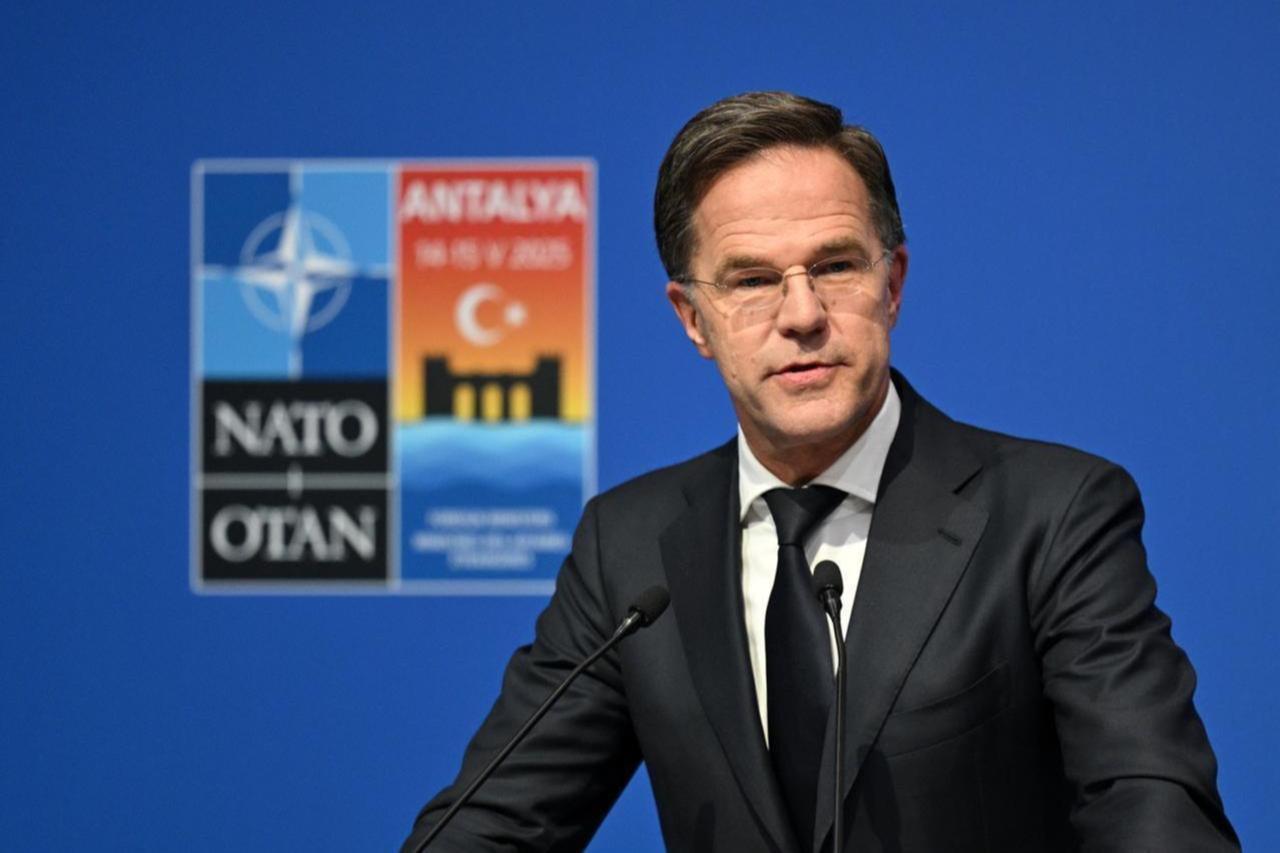


NATO Secretary General Mark Rutte on Wednesday cautioned against any attempt to disentangle the defense industrial connections between Türkiye and the United States, arguing that the two allies are bound together by a web of cross-border corporate investments and collaborative projects that cannot be cleanly separated.
The remarks came as Rutte wrapped up a high-stakes visit to Washington aimed at steadying an alliance under severe strain.
Speaking on Wednesday, Rutte noted that numerous Turkish companies have invested and operate in the United States, and that the transatlantic defense base is a deeply integrated structure, one that he said it is simply impossible to divide.
Rutte's comments on Türkiye-U.S. defense ties arrived amid the most turbulent period in NATO's recent history. The secretary general spent two and a half hours at the White House on Tuesday meeting President Donald Trump, Secretary of State Marco Rubio and Defense Secretary Pete Hegseth, before delivering a public address at the Ronald Reagan Presidential Foundation and Institute on Wednesday.
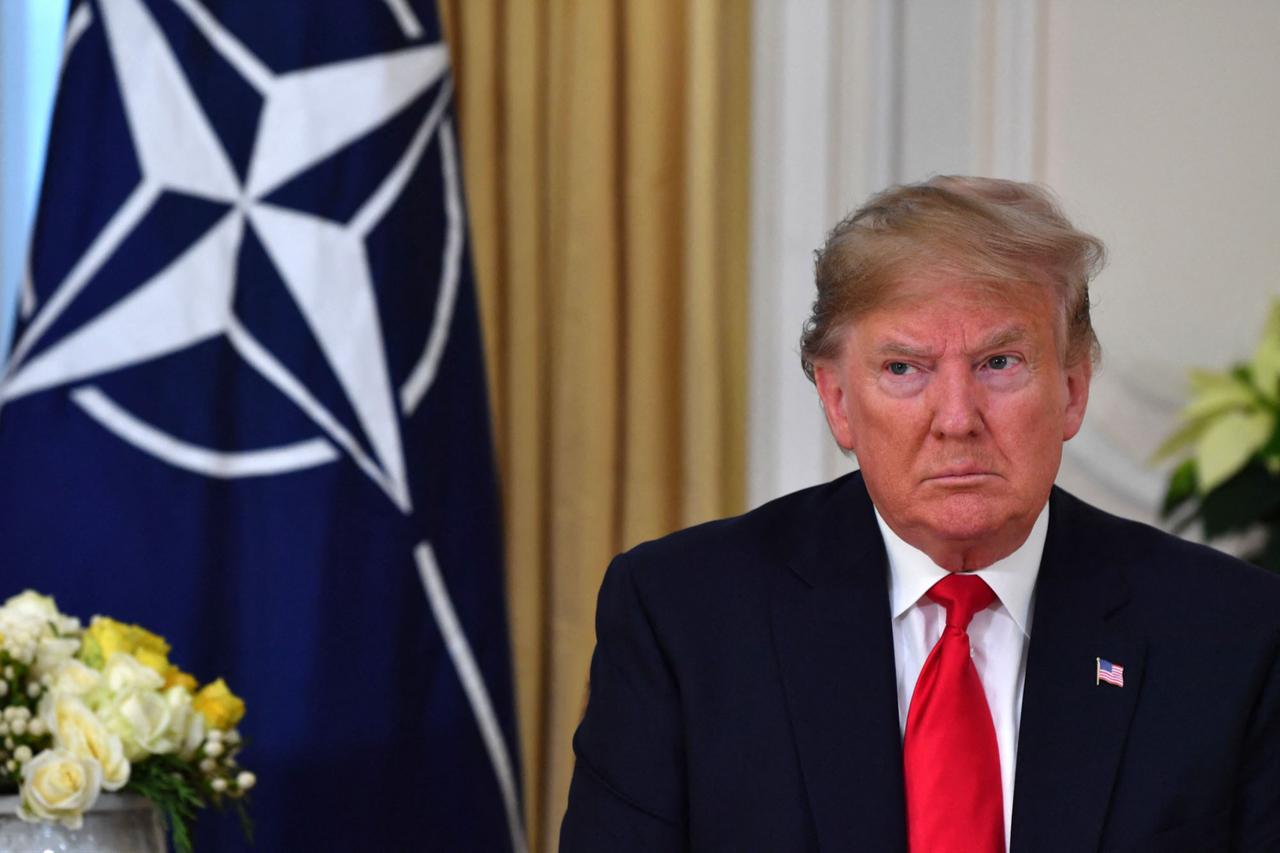
Trump, speaking through White House press secretary Karoline Leavitt before the meeting, was blunt in his frustration with the alliance: "They were tested, and they failed." Following the session, the president took to his Truth Social platform and wrote that NATO "wasn't there when we needed them."
The anger centers on the Iran conflict, known as Operation Epic Fury, during which several NATO members refused to open their airspace to American military aircraft or commit naval forces to help reopen the Strait of Hormuz, a waterway that carries roughly a fifth of global oil supply and that Iran effectively closed.
After the meeting, Rutte described the discussions as frank and open, saying Trump was clearly disappointed with many allies, while adding that he had pushed back against some of the broader criticism, noting that the large majority of European nations had been helpful with basing, logistics and overflights.
Bloomberg reported Thursday that Rutte, speaking at the Reagan Institute, framed the moment as NATO moving away from what he called an "unhealthy co-dependence" on the United States toward a transatlantic alliance grounded in genuine partnership.
 1 min read
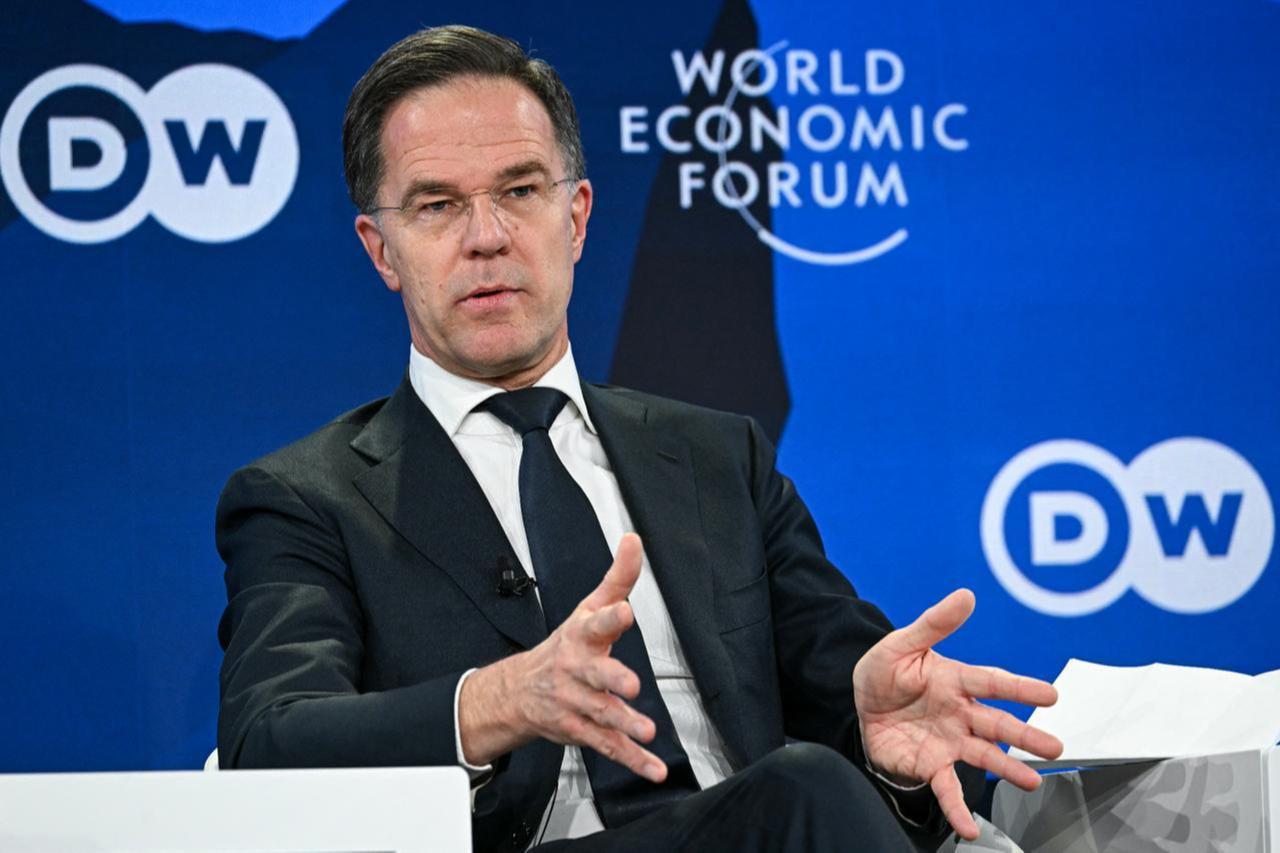
Rutte's defense of Türkiye's integration into the transatlantic industrial base comes amid Ankara's expanding role in NATO at a moment when the alliance is scrambling to demonstrate its value to Washington.
Türkiye, which joined NATO in 1952 and commands the alliance's second-largest army, has transformed into a significant defense exporter over the past decade. Turkish-made armed drones now account for around 65 percent of the global UAV market, and more than 3,500 defense companies operate in the country, a number that exceeds the combined total across 29 European NATO members.
Experts at the Atlantic Council have noted that Türkiye's role in the defense industrial domain is emerging as a producer of capabilities NATO actually needs at scale, citing drones, munitions and sensors in particular.


 Set as preferred source
 Set as preferred source


 1 min read