Newsletters


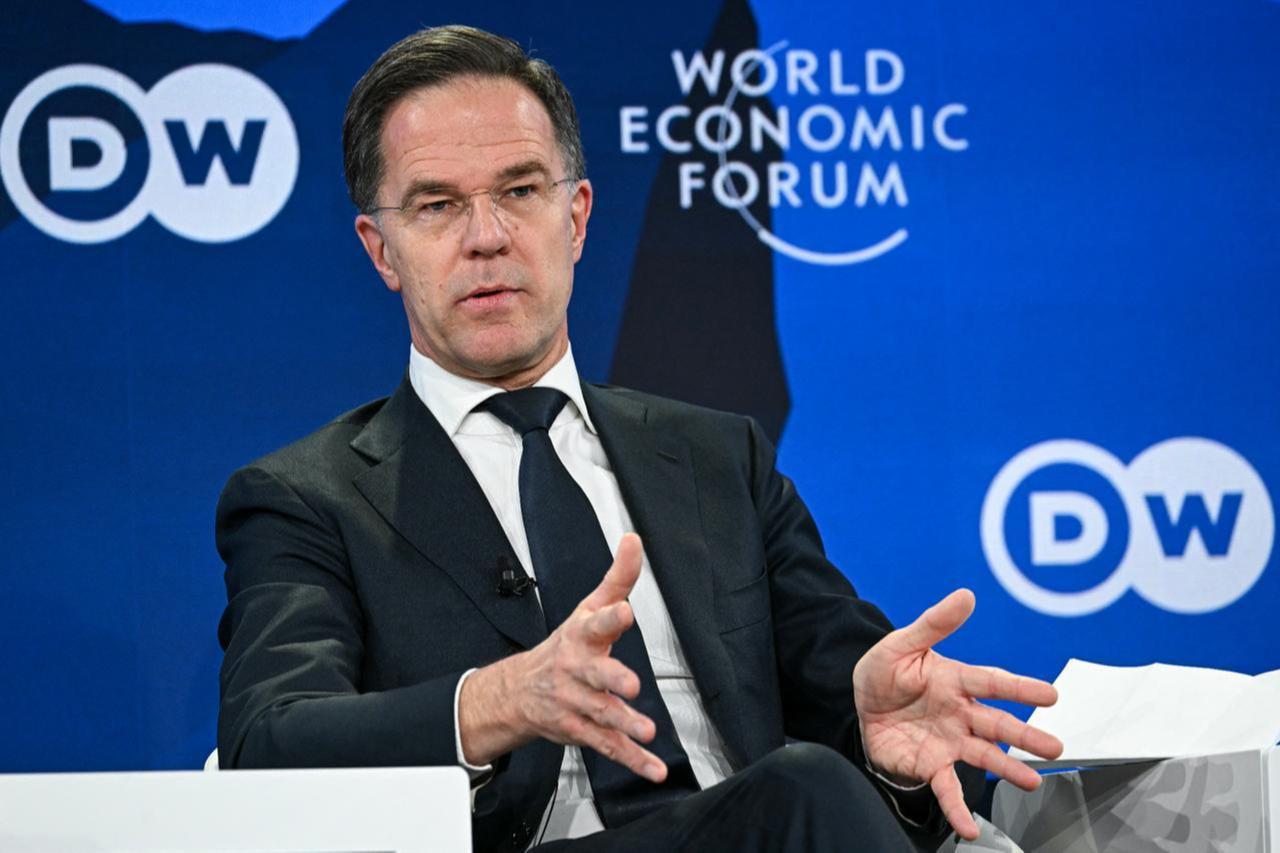


NATO Secretary-General Mark Rutte said Wednesday the alliance is "willing to play a role" in a possible Strait of Hormuz mission, as he sought to smooth over a turbulent stretch in transatlantic relations following the U.S.-Israeli war on Iran, telling his Washington audience that European allies understand the need for the major changes President Trump has demanded.
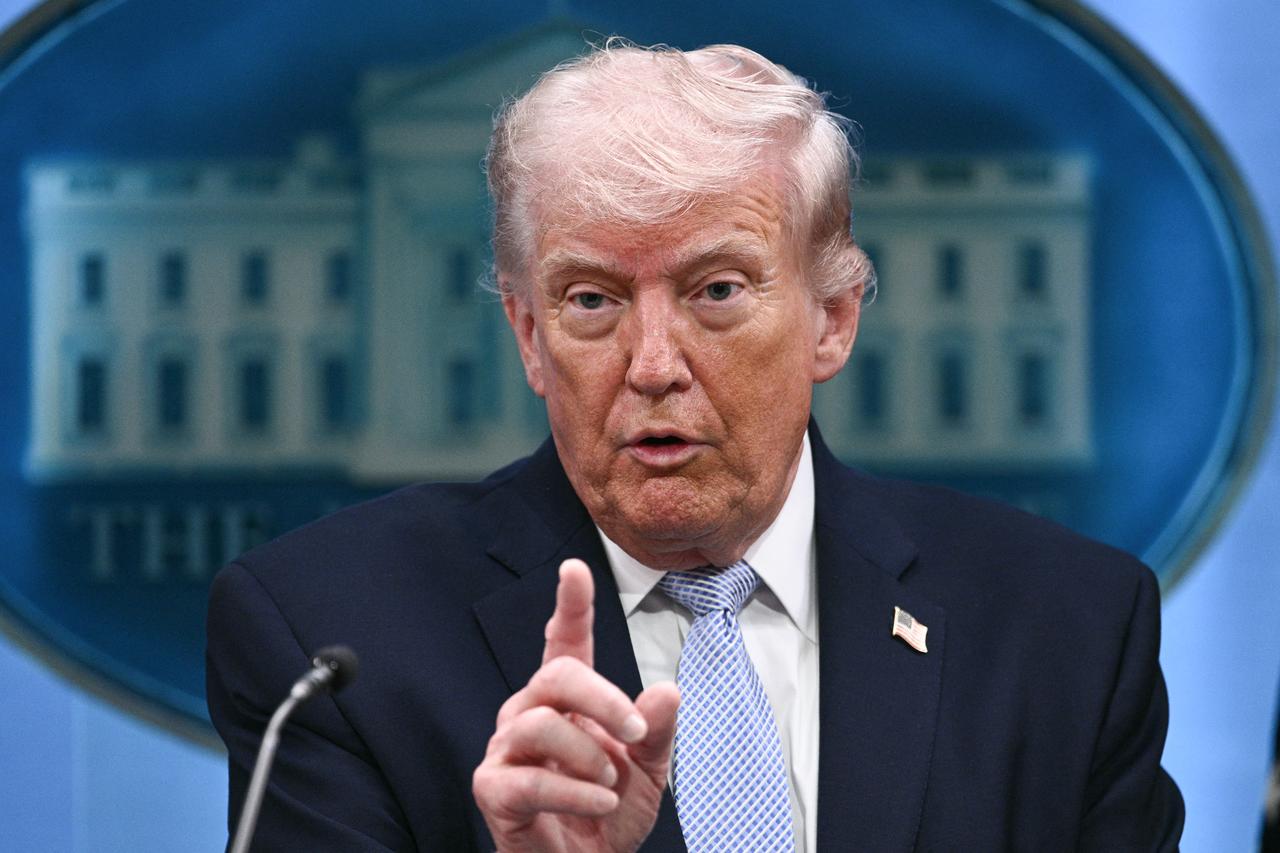
Speaking at the Reagan Center a day after meeting Trump at the White House, Rutte described the session as a "frank" and "candid" exchange and said he could sense the president's disappointment that European members of the alliance had not done more to back U.S. strikes on Iran. He acknowledged that some allies "were a bit slow" in providing logistical support, though he offered a partial explanation, noting they had also been caught off guard because Trump had not informed them of the operation in advance.
"To maintain the element of surprise for the initial strikes, President Trump opted not to inform allies ahead of time, and I understand that," Rutte said.
He said several European countries had since stepped up, offering bases and logistics to support the U.S. military.
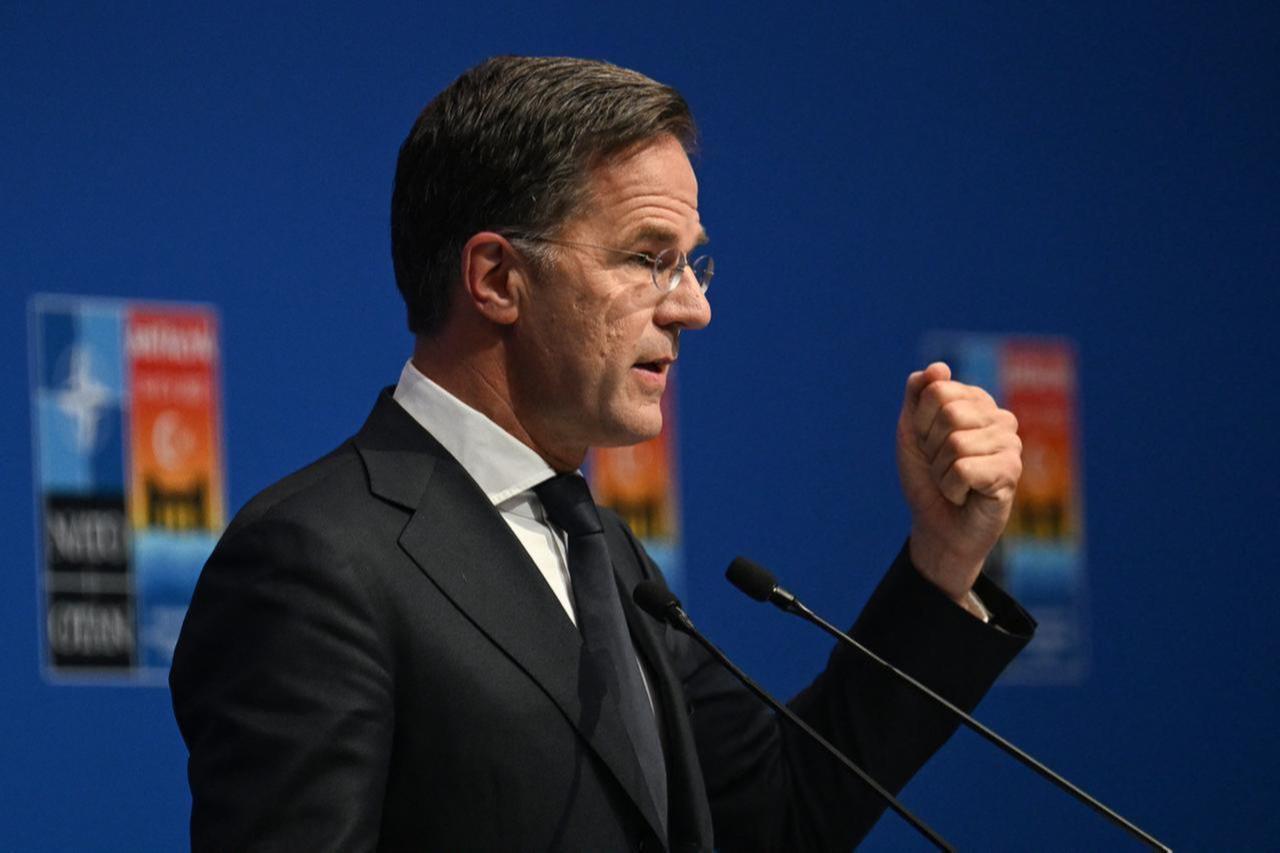

The secretary-general pushed back firmly against suggestions that the alliance is in denial about its internal tensions, insisting that allies are not "whistling past the graveyard." He said Europe has accepted the need for significant changes and is actively moving toward a more equitable burden-sharing arrangement with Washington.
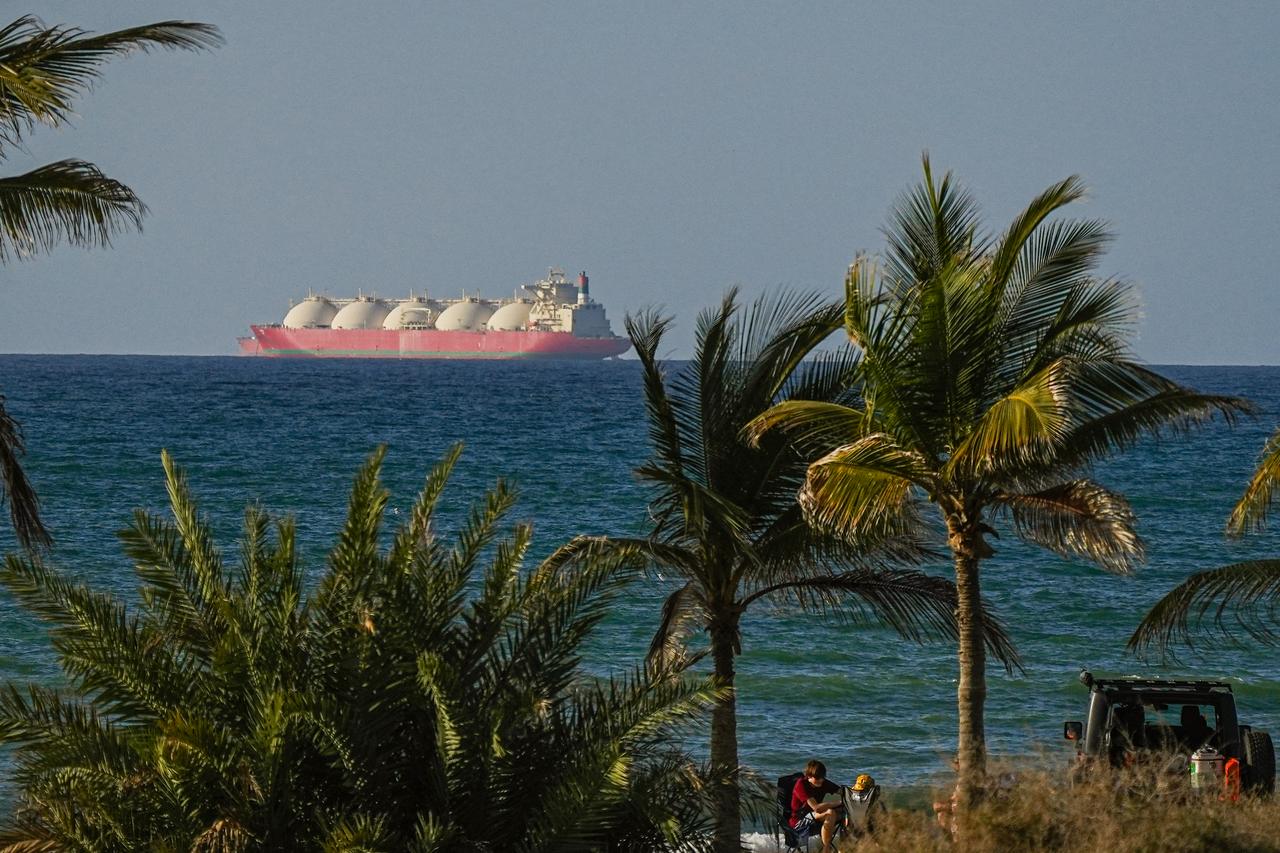
The remarks came at a delicate moment for NATO. Trump has grown increasingly vocal in his frustration with European members over their reluctance to assist in reopening the Strait of Hormuz, the narrow waterway between Iran and Oman through which roughly one-fifth of the world's oil supply passes. Iran effectively closed the strait following the launch of U.S. and Israeli strikes on Feb. 28. The closure sent energy prices sharply higher and intensified pressure on alliance members to act.
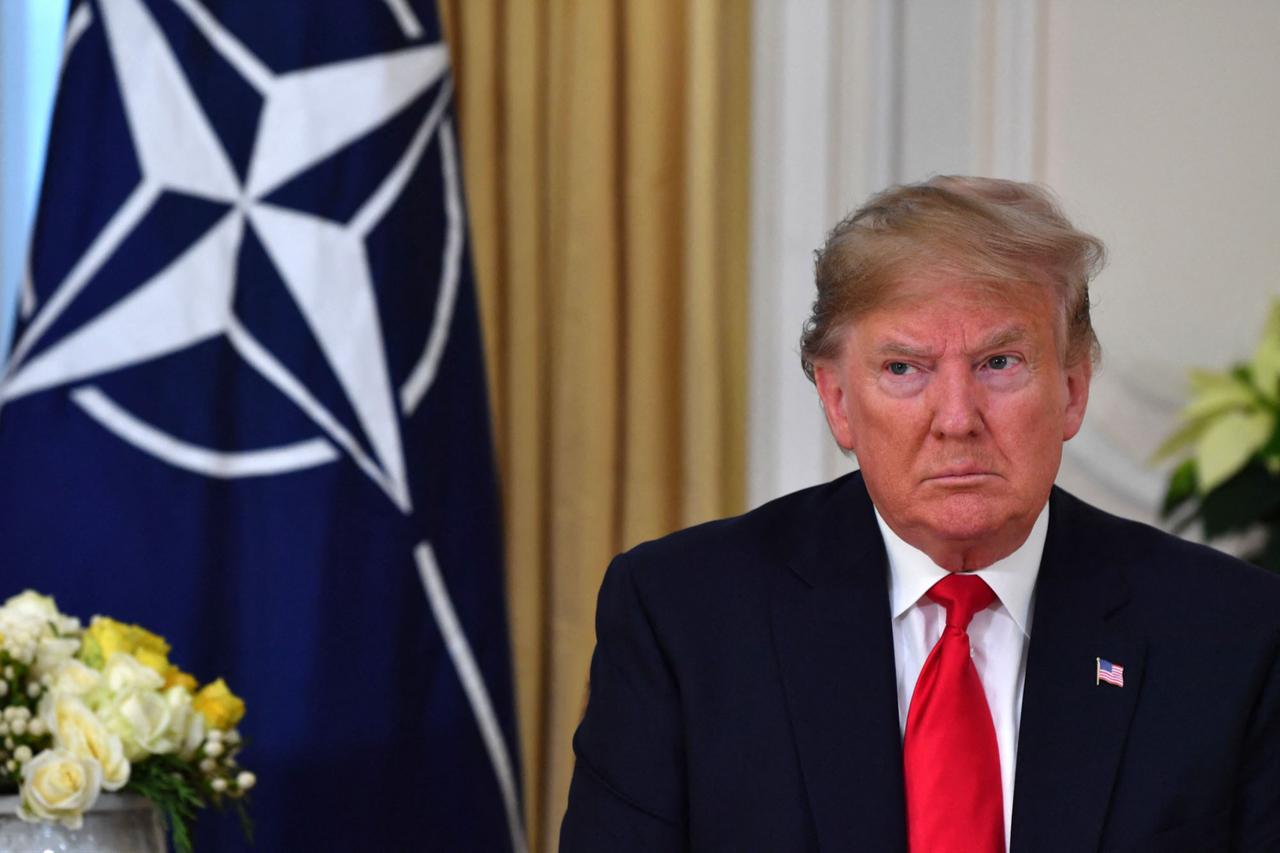
Trump has at times floated the possibility of withdrawing the United States from NATO if allies continue to resist his calls for action, a threat without modern precedent from an American president. He has also accused European governments of freeloading on American military power while refusing to share the costs when U.S. interests are directly at stake.
 1 min read
The alliance's response to the Iran conflict has exposed deep divisions. Several European governments have indicated they will not join any military operation to reopen the strait while active combat continues, preferring to hold any commitment for a post-conflict stabilization phase. Others, including the United Kingdom and Romania, have allowed the U.S. to use bases on their territory to support operations.
Rutte has been working alongside British officials to assemble a broader coalition of countries willing to sign a political statement of support for a Hormuz security mission. France, which had initially opposed forming such a coalition before a ceasefire was in place, was later brought around after conversations with Rutte and British Prime Minister Keir Starmer. Germany, Italy, the Netherlands, Japan and Canada also signed on.
The Rutte-Trump meeting followed a two-week ceasefire agreement reached late Tuesday, which includes provisions for the gradual reopening of the strait, providing a potential opening for the alliance to advance discussions on a formal security role without the complications of joining an active war.


 Set as preferred source
 Set as preferred source


 1 min read