

 Newsletters


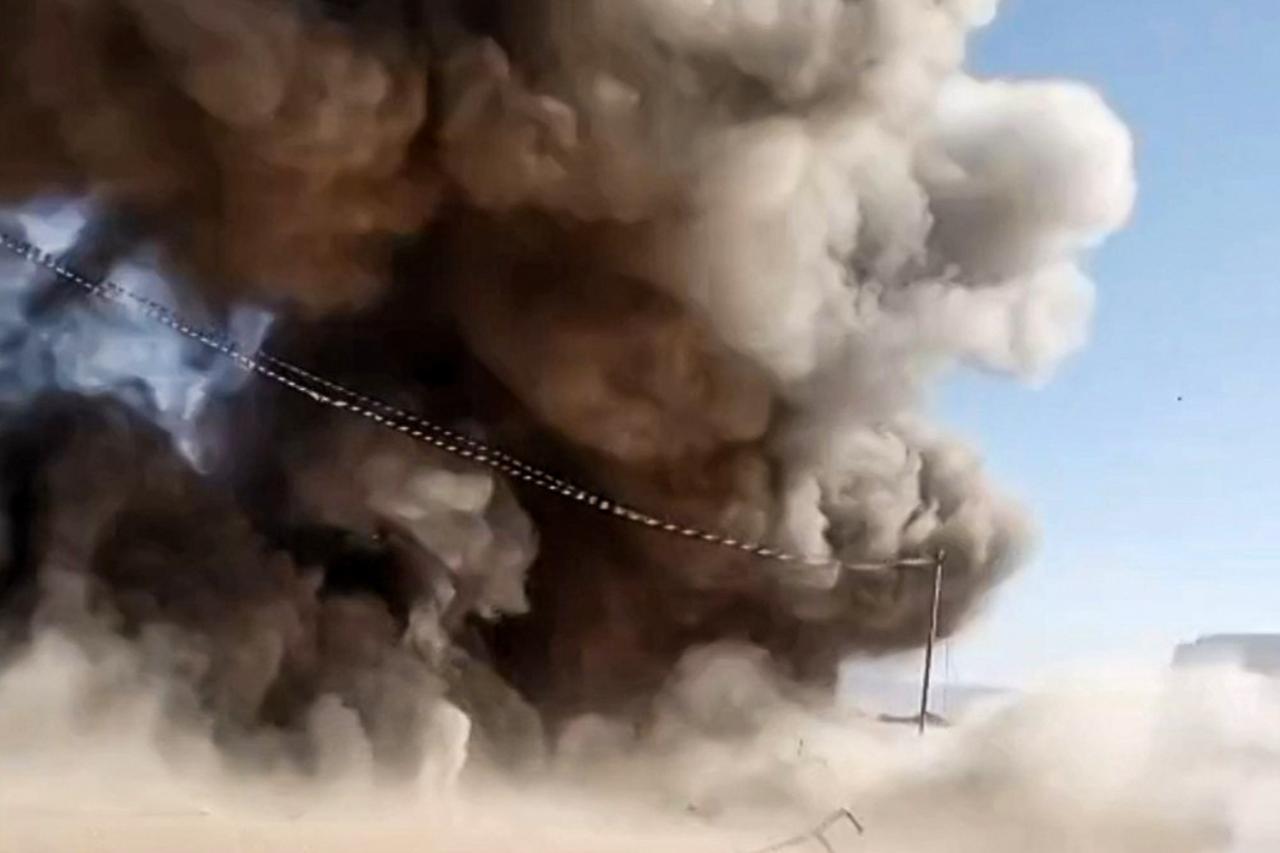


Saudi Arabia has launched air strikes against UAE-backed separatist forces in Yemen, exposing a deepening fracture between the two Gulf powers that have nominally operated as allies in the country's prolonged civil war. The attacks, which killed at least seven people in Dhale province on Wednesday, came after separatist leader Aidaros Alzubidi defied orders to attend negotiations in Riyadh and was expelled from Yemen's presidential body on charges of high treason.
More than 100 people have died in the recent clashes and air strikes, according to separatist sources, as the conflict between former coalition partners adds another layer of instability to what is already the Arabian Peninsula's poorest nation. The escalation marks a dramatic reversal in a war where Saudi Arabia and the United Arab Emirates once fought side by side against Iran-backed Houthi rebels.
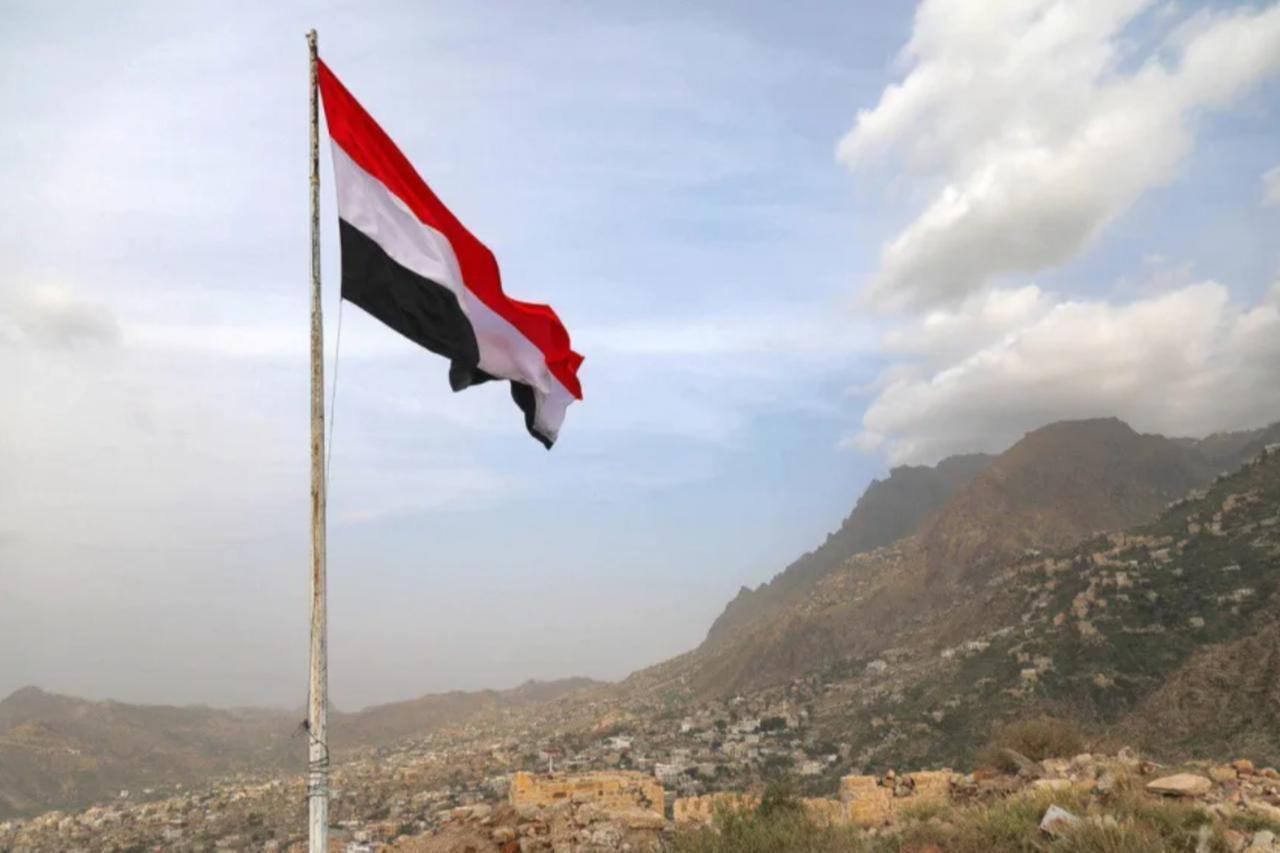

The Saudi-led coalition had given Alzubidi 48 hours to travel to Riyadh for talks after his Southern Transitional Council seized control of resource-rich Hadramawt province and neighboring Mahra last month. When Alzubidi failed to board the flight carrying his delegation in the early hours of Wednesday, coalition warplanes struck Dhale province, where he was accused of mobilizing forces. More than 15 air strikes hit the area, killing seven people, according to local officials and hospital sources.
Yemen's Presidential Leadership Council, chaired by pro-Saudi leader Rashad al-Alimi, formally removed Alzubidi and accused him of exploiting southern grievances to commit crimes against civilians. The council's statement said it had been established that Alzubidi "has abused the just cause of the South and exploited it to commit grave crimes against civilians in the southern governorates."
The separatist advance has been swift and strategic. On January 2, as Saudi-backed forces mounted a counteroffensive, Alzubidi announced a two-year roadmap toward the creation of a new country called South Arabia, reviving historical divisions that have never fully healed since North and South Yemen unified in 1990.
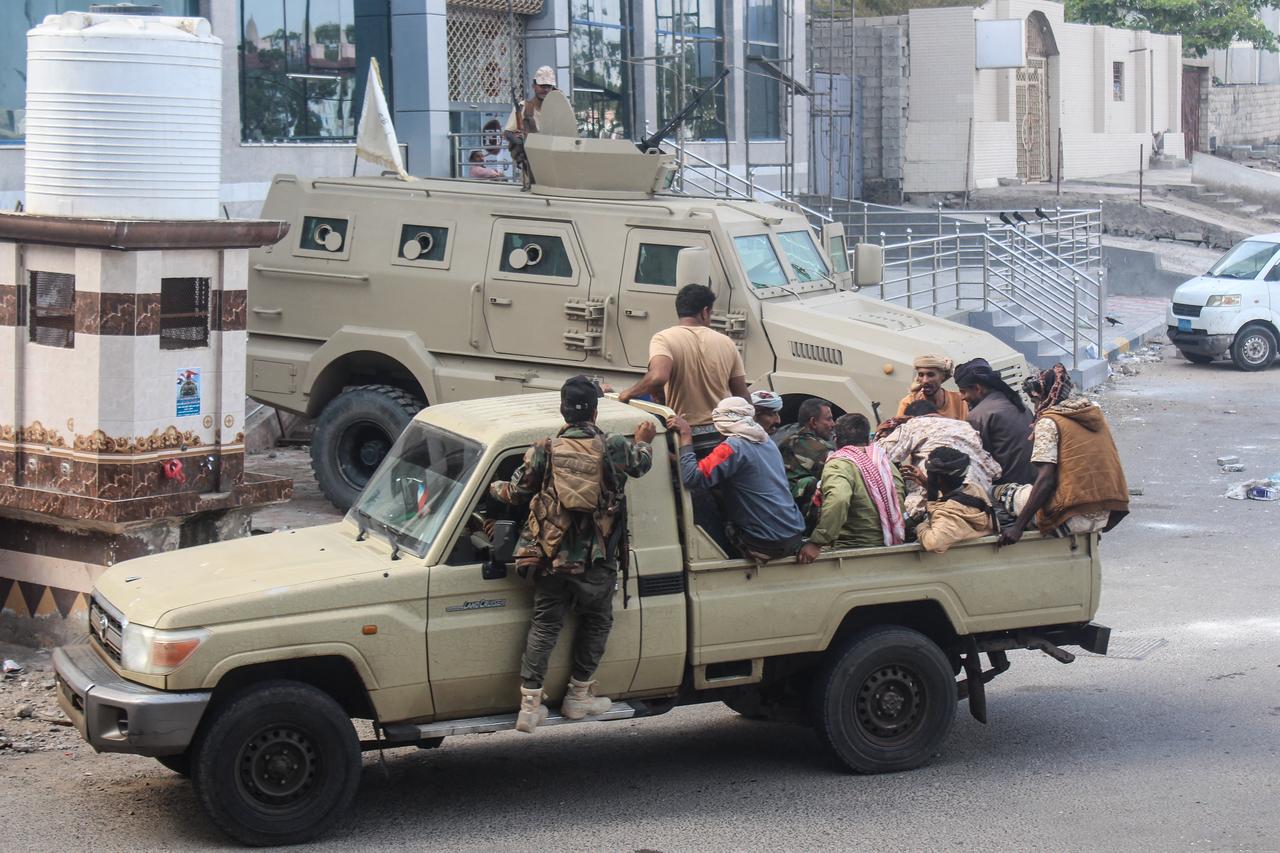
As air strikes pounded Yemen, the Southern Transitional Council reported losing contact with its delegation after the group arrived in Riyadh for the scheduled talks. The separatist organization expressed grave concern about the whereabouts of its representatives, whose phones appeared to be switched off or went unanswered when contacted by STC officials and journalists.
One delegation member posted on social media describing a positive atmosphere for negotiations before communications were severed. The incident has raised questions about the safety and status of the separatist representatives in the Saudi capital, even as their leader remains in Yemen defying coalition demands.
Before his expulsion, Alzubidi held one of eight seats on the Presidential Leadership Council, with two other STC members also serving on the body. The power-sharing arrangement came as an uneasy compromise in a government that ostensibly represents Yemen's internationally recognized authority but relies on militias with shifting allegiances to maintain control in the south.
Despite his removal from the presidential council, Alzubidi continues to operate from Aden, the southern port city that serves as both the separatist movement's stronghold and the government's de facto capital since Houthi rebels drove authorities from Sanaa in 2014. The coalition has now tasked STC deputy Abdulrahman al-Mahrami, who is in Riyadh and supported Alzubidi's dismissal, with enforcing security and preventing further hostilities in Aden.
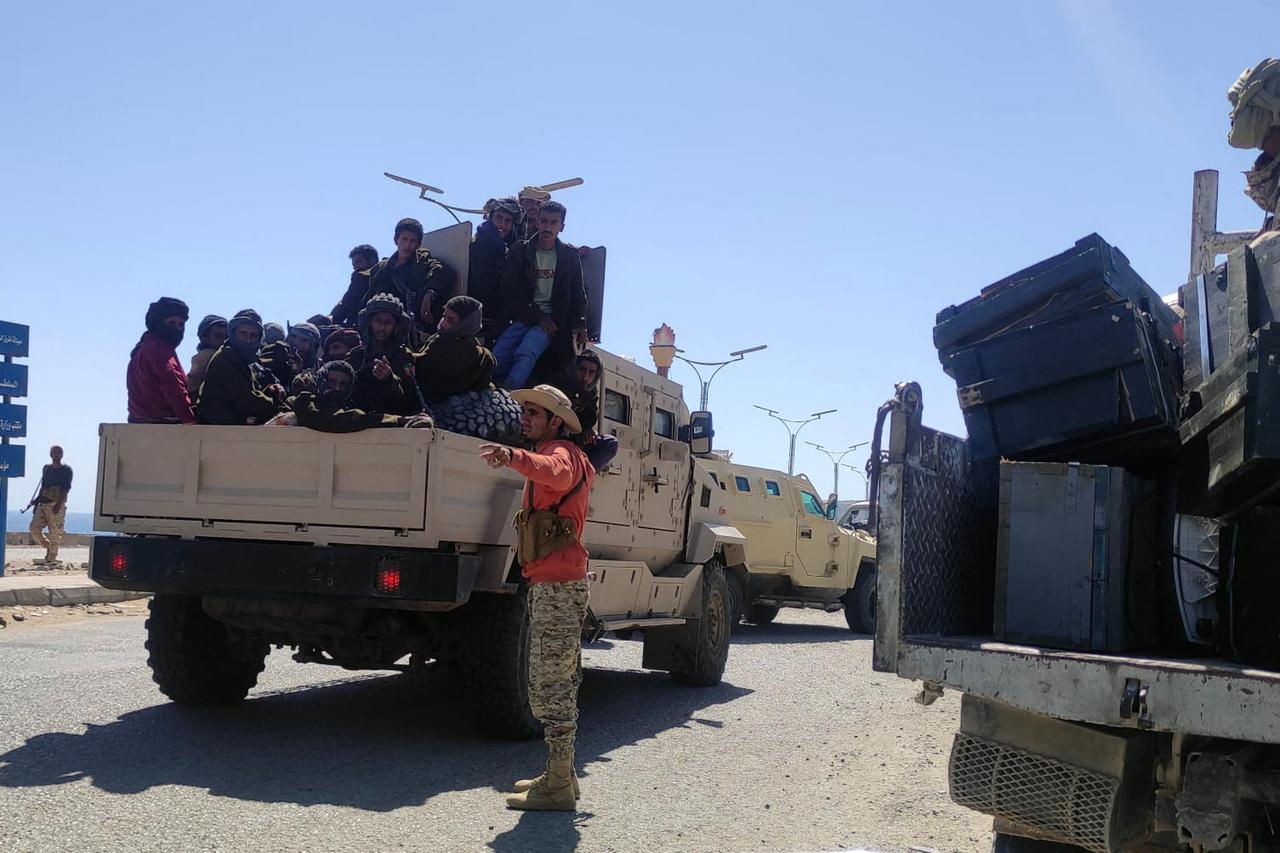
Mahrami imposed a curfew in the city from 9:00 pm to 6:00 am as forces loyal to him deployed in streets and government buildings, including the presidential palace. Meanwhile, units of the Saudi-backed National Shield Forces arrived in Ataq city in Shabwa province and were advancing toward Aden, approximately 400 kilometers away. Eyewitnesses reported seeing roughly 100 military vehicles on the road leading to the coastal city.
Security officials said the STC evacuated its headquarters in Aden two days earlier and relocated its television operations to an undisclosed location out of concern for potential Saudi bombing. The precautionary measures underscore the separatists' awareness that their former coalition partners may now view them as military targets.
The chaos has had ripple effects beyond the immediate conflict zone. A first group of 180 tourists stranded on the Yemeni island of Socotra landed in Jeddah on Wednesday, with the government pledging additional flights to evacuate hundreds more trapped by fighting on the mainland.
The confrontation between Saudi Arabia and the UAE represents a significant realignment in Yemen's multifaceted conflict. Both nations joined the coalition that intervened in 2015 after Houthi rebels, backed by Iran, seized control of Sanaa and much of Yemen's populous north, including most of its Red Sea coastline. The ensuing civil war has caused hundreds of thousands of deaths and triggered one of the world's worst humanitarian crises.
Yemen's historical division between north and south, which lasted from 1967 to 1990, continues to shape political dynamics. An attempt to reestablish southern independence was crushed by force in 1994, but separatist sentiment has persisted. The Southern Transitional Council has capitalized on these long-standing grievances, even as its alliance with the UAE has put it at odds with Saudi Arabia's vision for Yemen's future.
The oil-rich Gulf powers now find themselves backing opposing factions in southern Yemen, complicating efforts to present a unified front against the Houthis in the north. The fracture threatens to further fragment an already complex conflict where nominal allies compete for influence and control over strategic territory and resources.


 Set as preferred source
 Set as preferred source


 1 min read

 1 min read


