Newsletters





Saudi Arabia has executed 340 people in 2025, surpassing its previous annual record and reinforcing its position as one of the world's most prolific users of capital punishment despite efforts to project a modernized global image.
The kingdom broke its own execution record for the second consecutive year, according to a tally compiled from official announcements. Authorities executed 338 people in 2024, which itself marked a historic high since rights organizations began systematically documenting executions in the 1990s.
Three individuals were put to death Monday in the Mecca region following murder convictions, according to a statement from the interior ministry carried by the official Saudi Press Agency. The executions pushed the annual total past last year's figure with weeks still remaining in 2025.
Drug offenses account for the majority of this year's executions, with 232 of the 340 people killed facing narcotics-related charges. The surge directly correlates with the kingdom's intensified anti-drug campaign launched in 2023, analysts say, as defendants arrested during the crackdown complete legal proceedings and face capital punishment.


Saudi Arabia reinstated executions for drug crimes at the end of 2022 after suspending capital punishment in narcotics cases for approximately three years. The resumption came as the kingdom positioned itself as a major consumer market for captagon, an illicit stimulant that served as Syria's largest export under former president Bashar al-Assad, according to United Nations assessments.
Since launching its drug war, Saudi authorities have expanded police checkpoint operations along highways and border crossings, resulting in the confiscation of millions of pills and dozens of trafficking arrests. The Arab world's largest economy has made narcotics enforcement a domestic priority even as it pursues ambitious economic diversification plans.
Foreign nationals have disproportionately borne the consequences of the execution campaign. Saudi Arabia employs millions of foreign workers across its infrastructure projects, domestic service sector, and hospitality industry, creating a vulnerable population susceptible to harsh criminal penalties.
 2 min read
Human rights organizations have sharply criticized the kingdom's capital punishment practices as incompatible with international legal standards and contradictory to its stated reform objectives. "These are not violent criminals, and most are foreign nationals. Executing them is against international law mandating that the death penalty only be used for intentional homicide," said Harriet McCulloch of the advocacy group Reprieve.
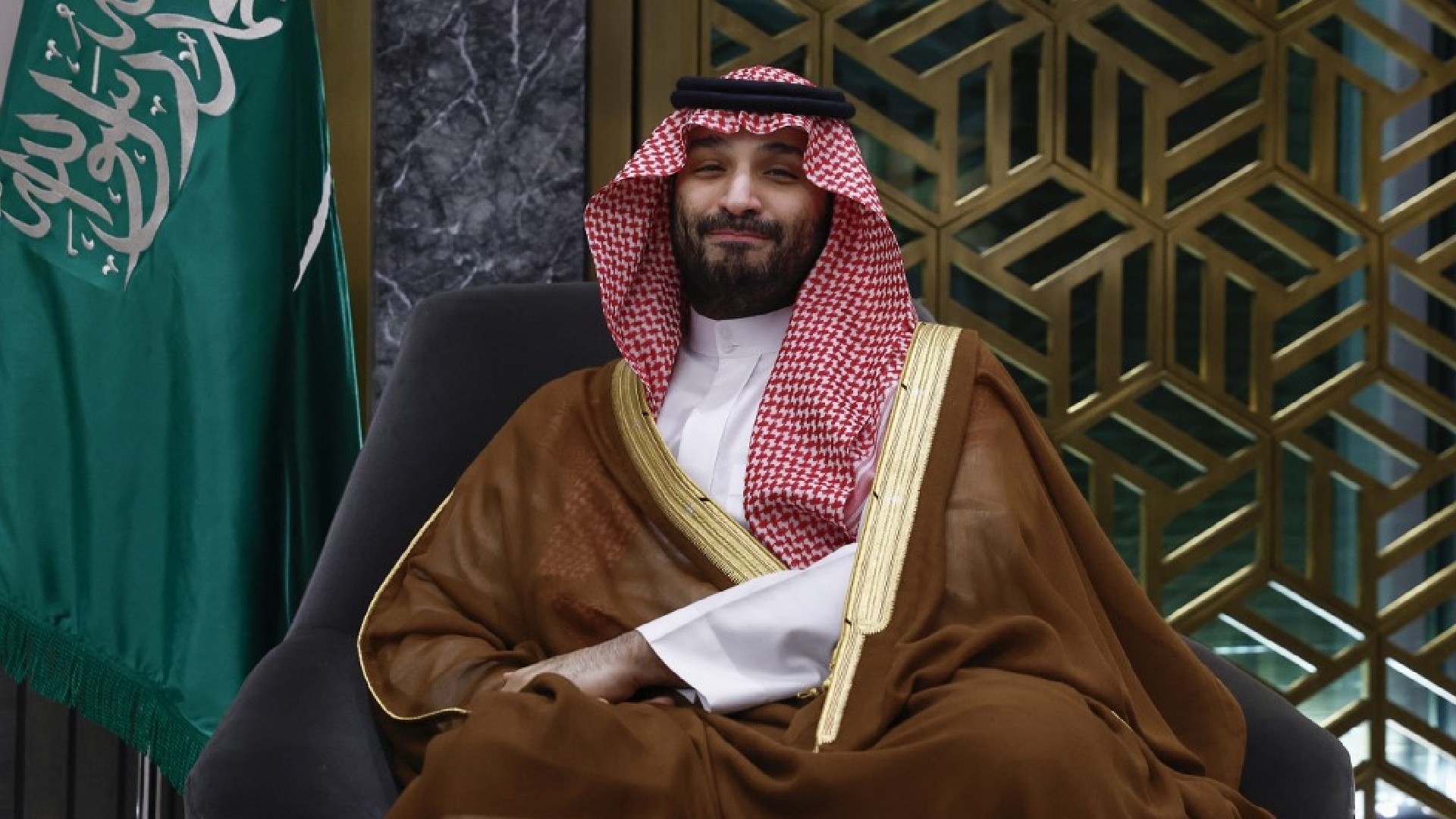
The continued reliance on executions poses a challenge to Crown Prince Mohammed bin Salman's Vision 2030 initiative, which seeks to present Saudi Arabia as an increasingly open and tolerant society. The kingdom has invested heavily in tourism infrastructure and secured hosting rights for major sporting events, including the 2034 World Cup, as part of efforts to reduce dependence on oil revenues.
Saudi authorities maintain that capital punishment remains necessary to preserve public order and emphasize that executions occur only after defendants have exhausted all legal appeals.
Saudi Arabia consistently ranks as the world's third-most frequent executor of death sentences, trailing only China and Iran, according to Amnesty International data covering 2022, 2023, and 2024. The human rights organization began systematically tracking Saudi executions in 1990, though reliable figures from earlier periods remain unavailable.
The kingdom's execution totals have climbed substantially in recent years, marking a departure from patterns observed during the brief moratorium on drug-related death penalties. Rights groups warn that the upward trajectory signals an enduring commitment to capital punishment that may persist regardless of international criticism or domestic reform rhetoric.


 Set as preferred source
 Set as preferred source


 1 min read