Newsletters


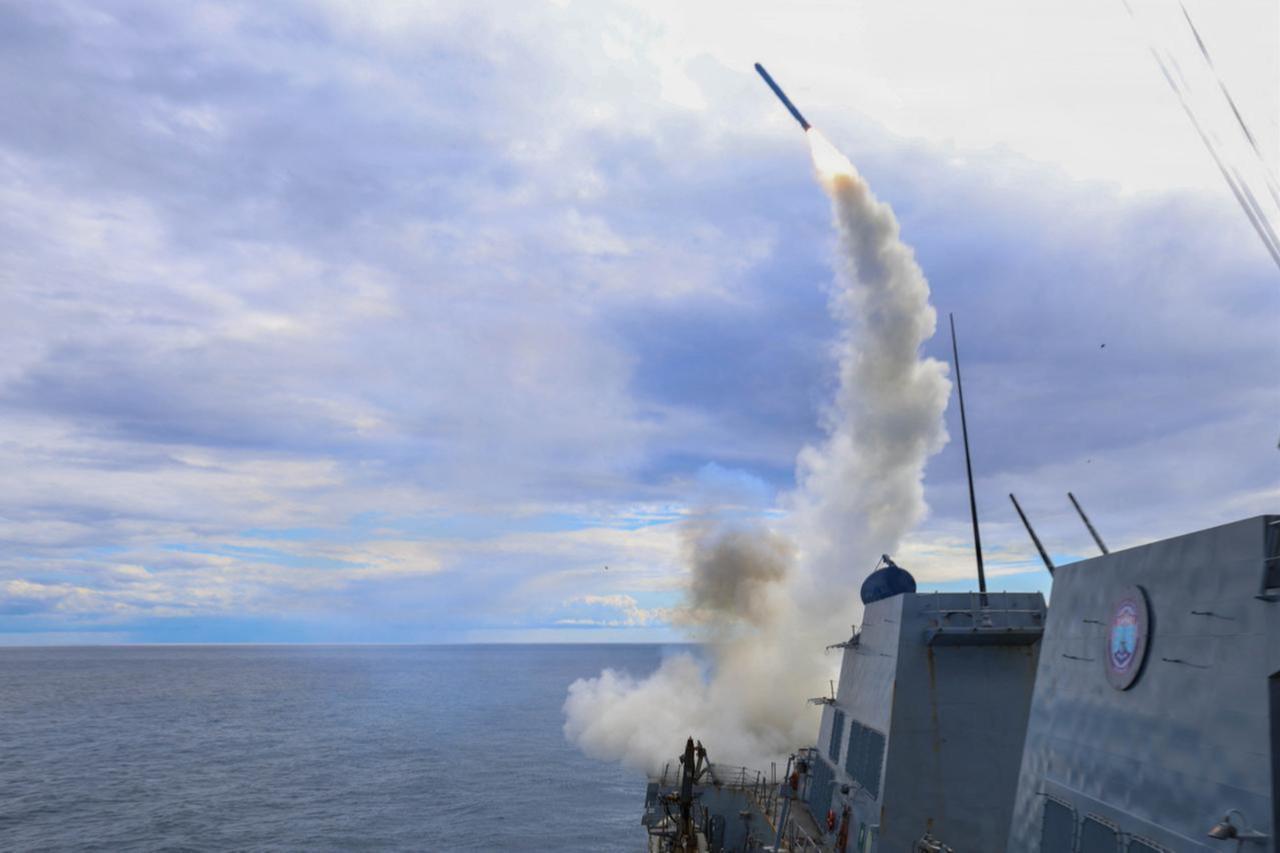


A U.S. Navy destroyer stationed in the eastern Mediterranean shot down an Iranian ballistic missile that was heading toward Turkish airspace on Wednesday, the Wall Street Journal reported, in what marks the first time a NATO member state has been directly targeted by Iranian fire since the conflict erupted last weekend.
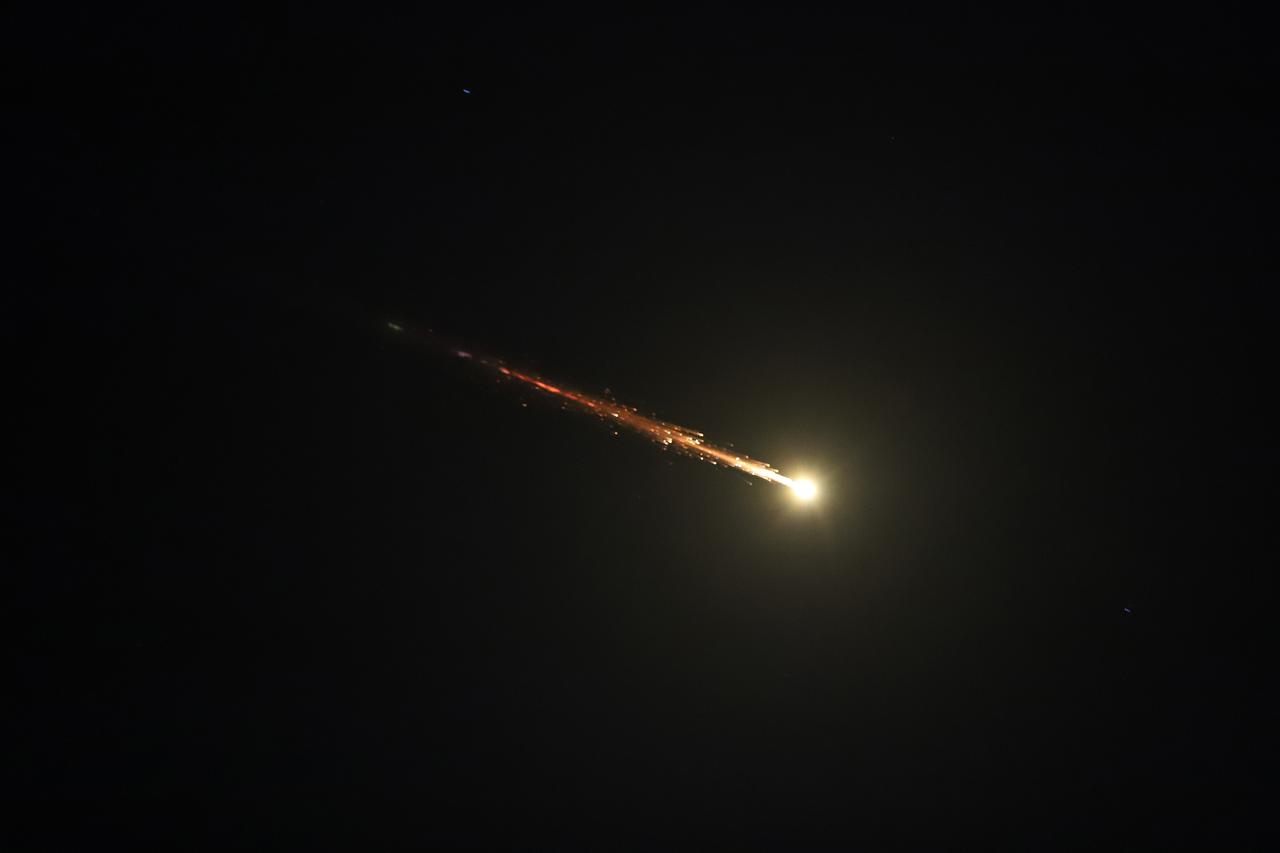
The missile, which traversed Iraqi and Syrian airspace before being intercepted, was destroyed using an SM-3 interceptor fired from the warship, a U.S. military source said, adding that the launch occurred at approximately 11:40 p.m. EST. Türkiye's Defense Ministry confirmed the interception in a statement, saying the projectile had been "engaged in a timely manner by NATO air and missile defense elements stationed in the Eastern Mediterranean."
No casualties or injuries were reported. Debris from the interceptor, not the incoming missile itself, fell in the Dortyol district of Hatay province in southern Türkiye, near the Syrian border, according to the Turkish presidency's communications directorate.
The missile's precise target has not been officially confirmed by any government. A Turkish official, speaking to AFP on condition of anonymity, said the missile had been aimed at a military facility in Cyprus but veered off course. Türkiye's Defense Ministry did not specify an intended target in its statement, saying only that the projectile had been detected heading toward Turkish airspace.
Middle East Eye reported that the missile may have been fired by "isolated" elements within the Iranian military, rather than on direct orders from Tehran's central command. The assessment is rooted in what is known as Iran's "Mosaic" doctrine, a decentralized military framework developed over two decades, primarily within the Islamic Revolutionary Guard Corps, that disperses command structures and empowers regional commanders to act autonomously, particularly when communications with central leadership are disrupted.
Iranian Foreign Minister Abbas Araghchi acknowledged the fragmentation earlier this week in an interview with Al Jazeera, saying some military units had become "independent and somewhat isolated," operating only on pre-issued general instructions. Araghchi added that strikes targeting Oman, for example, were "not our choice."
As of Wednesday, Iranian authorities had not publicly commented on the Türkiye incident specifically.


Türkiye responded swiftly through diplomatic channels. Foreign Minister Hakan Fidan called his Iranian counterpart Abbas Araghchi to formally protest the launch and warn that steps that could further widen the conflict must be avoided. Iran's ambassador to Ankara, Mohammad Hassan Habibullahzadeh, was subsequently summoned to the Foreign Ministry to receive the protest in person, Al-Monitor reported.
Burhanettin Duran, head of the Turkish presidency's communications directorate, called on all parties to de-escalate, saying Türkiye "will continue to fulfill its responsibilities with a constructive approach to help reduce tensions in the region and resolve disputes through peaceful means."
The Defense Ministry struck a notably firmer tone in its written statement, declaring that Türkiye would defend its territory and airspace "decisively and without hesitation" and reserves the right to respond to any hostile action, regardless of origin.
Türkiye has walked a careful line since the U.S. and Israel launched strikes against Iran on Feb. 28. President Recep Tayyip Erdogan has called those strikes "illegal" while simultaneously condemning Iran's retaliatory missile and drone attacks on Gulf states as "unacceptable."
In an interview late Tuesday, Fidan criticized Tehran's indiscriminate campaign across the region, characterizing the underlying approach as: "If I am going to sink, I will take the region down with me."
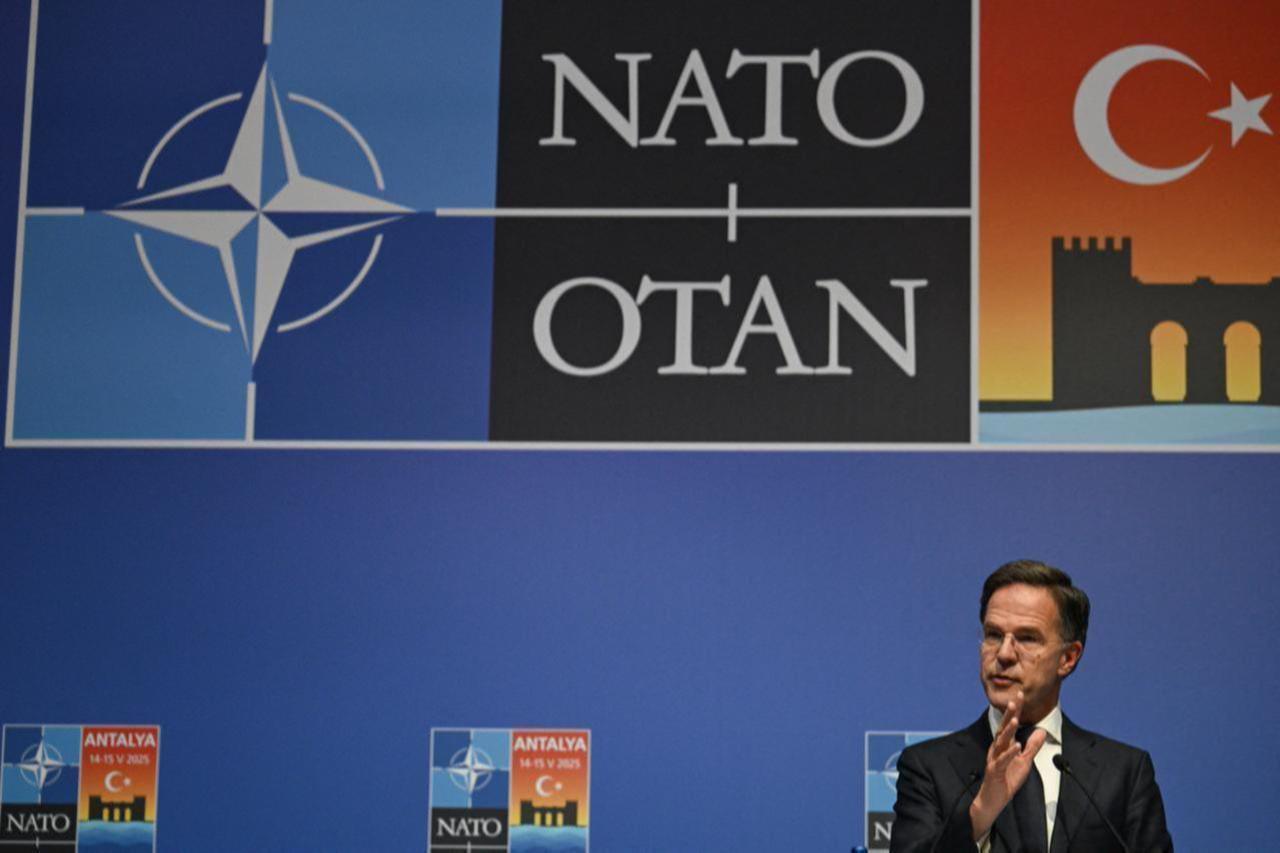
NATO moved quickly to back its member. "We condemn Iran's targeting of Türkiye," spokesperson Allison Hart said, adding that the alliance "stands firmly with all allies, including Türkiye, as Iran continues its indiscriminate attacks across the region."
However, U.S. Defense Secretary Pete Hegseth told reporters at a Pentagon briefing Wednesday that he had "no sense" the incident would trigger Article 5, the mutual defense clause that treats an armed attack on one NATO member as an attack on all. Ankara, for its part, showed no immediate inclination to invoke the provision either, with officials instead emphasizing restraint and diplomacy.
The interception is believed to be the first time NATO forces have shot down an Iranian missile heading toward a member country's airspace since the broader conflict began. At least nine countries have reported being targeted by Iranian fire since the hostilities started on Saturday, with the United Arab Emirates alone reporting interceptions of roughly 800 projectiles.
The SM-3 interceptor used to destroy the missile is a ship-based anti-ballistic weapon designed to engage short- to intermediate-range ballistic missiles during their mid-course flight phase, outside the Earth's atmosphere.
It operates on a "hit-to-kill" principle, physically colliding with its target rather than relying on an explosive warhead. TURDEF reported that debris recovered in Hatay was consistent with an SM-3 second-stage booster, confirming the intercept was carried out by an Aegis-equipped U.S. Navy destroyer rather than a land-based Patriot system as initially speculated.


 Set as preferred source
 Set as preferred source


 1 min read

 1 min read