Newsletters


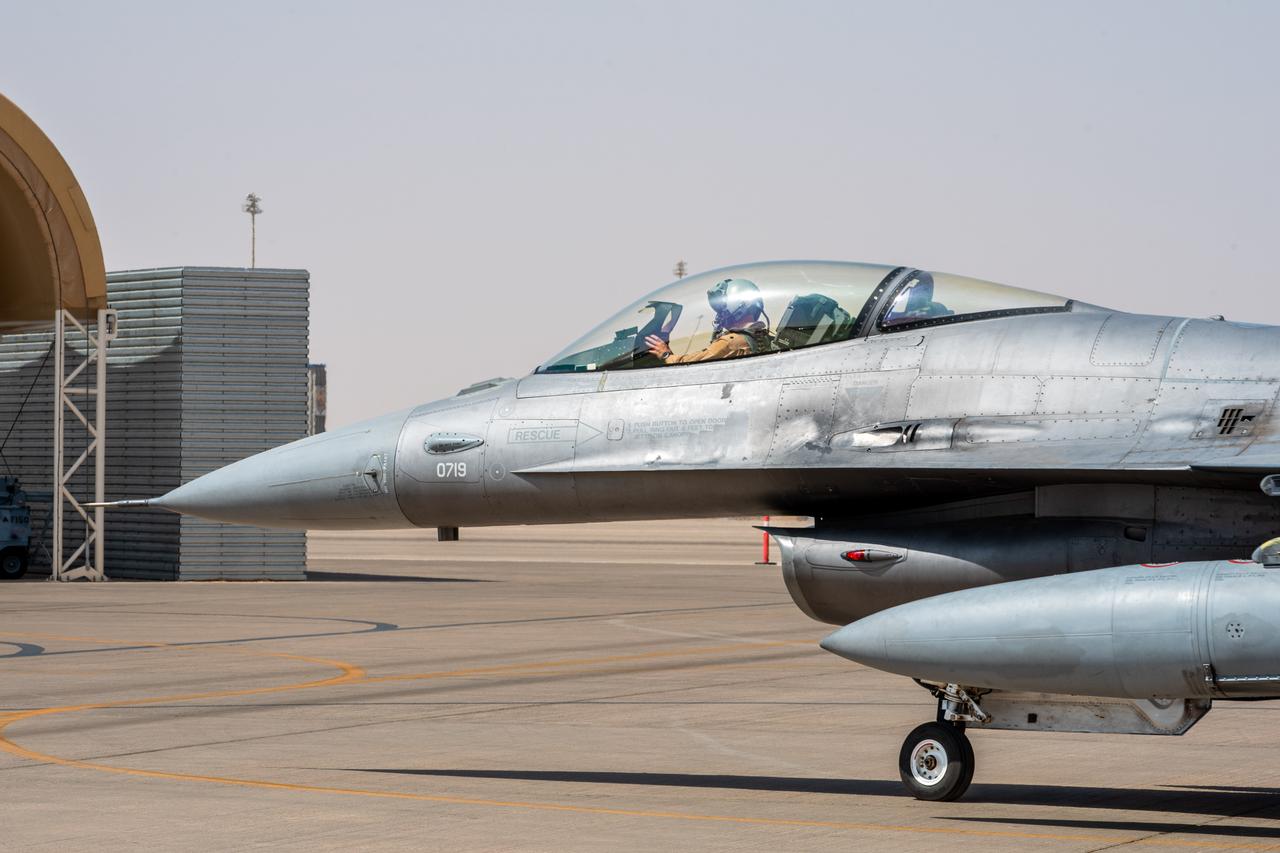


A conflicting narrative has emerged in the Gulf as Saudi Arabia denies the use of its airspace for strikes, while a Wall Street Journal (WSJ) report indicates that both Riyadh and Kuwait have lifted earlier restrictions on U.S. military access to their bases and airspace. This underlines the sensitivity of basing rights in the Gulf amid the ongoing U.S.-Iran confrontation in the Strait of Hormuz.
An unnamed Saudi source told Saudi broadcaster Al-Hadath that "the Kingdom did not allow the use of its airspace to support offensive military operations," and that Riyadh was supporting de-escalation and Pakistan's efforts to broker a peace agreement.
The source added that there are "parties seeking to give a misleading picture of Saudi Arabia's position for suspicious reasons."
Saudi Deputy Foreign Minister for Public Diplomacy Rayed Krimly echoed this on X, writing: "Saudi Arabia continues its position of supporting de-escalation, avoidance of escalation, negotiations and efforts related to them."
"Caution should be exercised regarding what is attributed in the media to anonymous sources, some of which are claimed to be Saudi, that contradict this," he added.
Krimly specifically flagged reports he said misrepresented Saudi Arabia's position, warning against anonymous sourcing attributed to Riyadh.
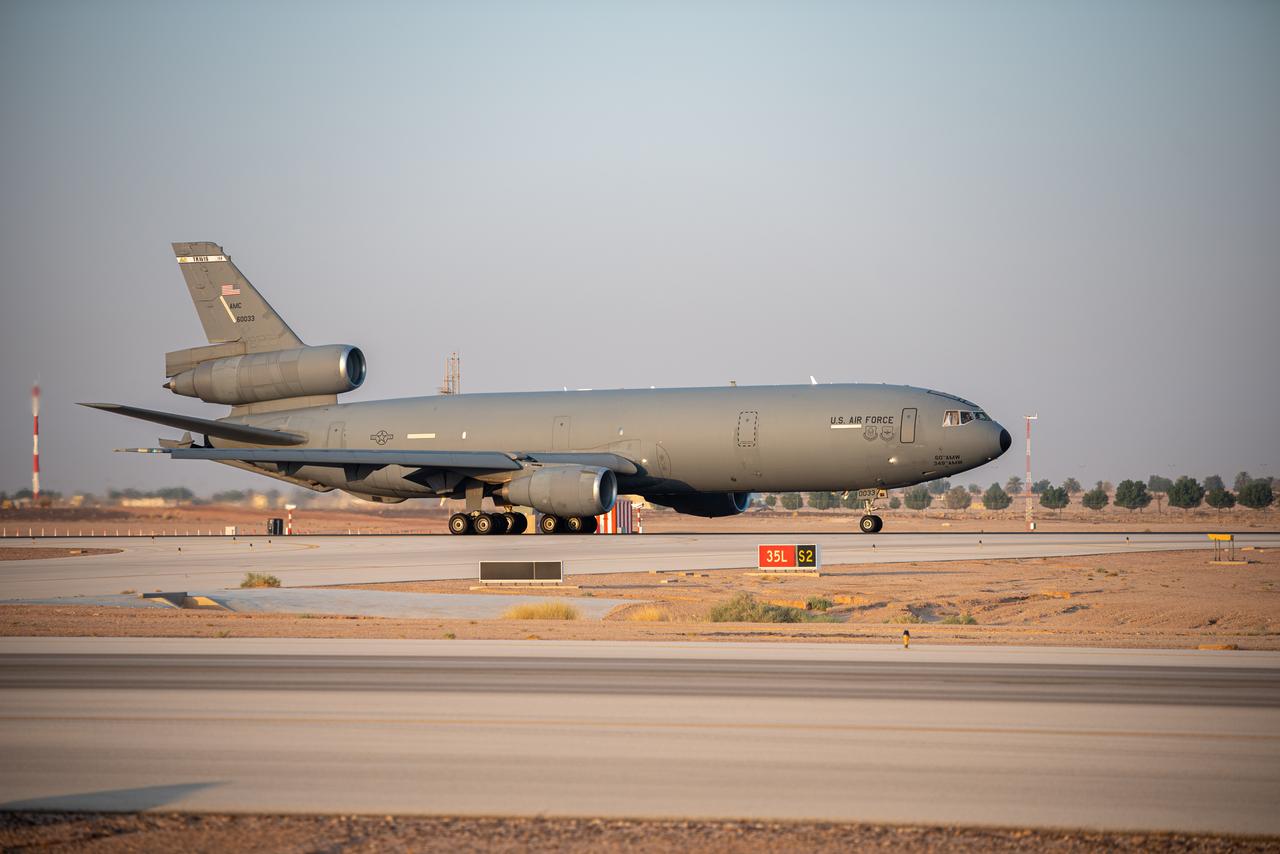

Citing U.S. and Saudi officials, the WSJ reported that Saudi Arabia and Kuwait had lifted the restrictions on U.S. military base and airspace access that were imposed following the surprise launch of Project Freedom, a reversal that it said removed a significant obstacle for Trump's effort to reopen the Strait of Hormuz to commercial shipping.
The report said Pentagon planners were assessing timelines for resuming the operation, with some U.S. officials indicating activities could restart as early as this week.
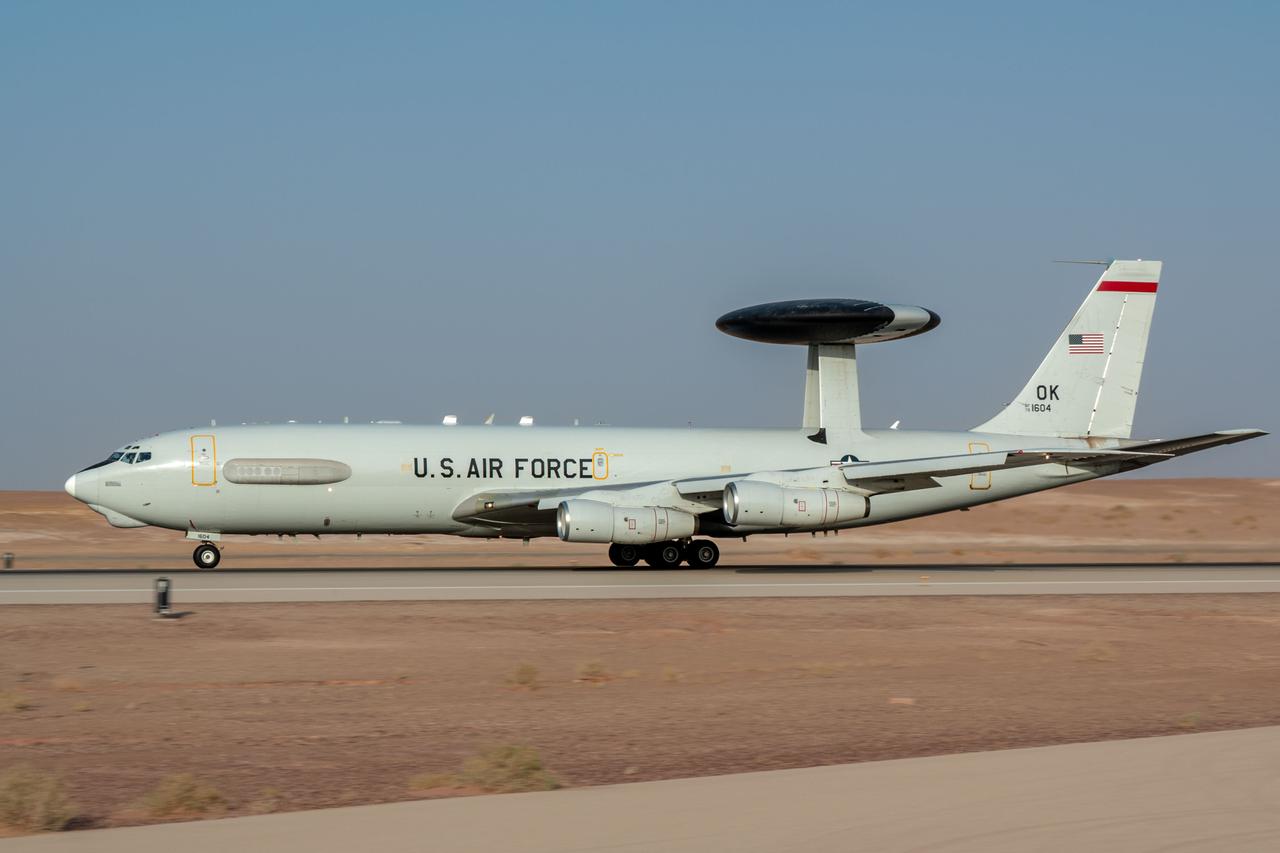
The restrictions had been imposed after Trump's uncoordinated announcement of Project Freedom on May 4 caught the Gulf allies off guard. Earlier, NBC News reported that Saudi Arabia had specifically blocked U.S. aircraft from Prince Sultan Air Base and Saudi airspace following the statement. Trump paused the operation after a phone call with Crown Prince Mohammed bin Salman failed to resolve the dispute.
A White House official maintained that regional allies were "notified in advance" of Project Freedom.
Saudi sources told NBC News that Trump and the crown prince "have been in touch regularly" and that Riyadh was "very supportive of the diplomatic efforts" by Pakistan.
The Kingdom has consistently said it supports a negotiated end to the U.S.-Iran conflict and has condemned attacks on civilian infrastructure. It also denounced the May 5 drone strikes on Sudan's Khartoum Airport.
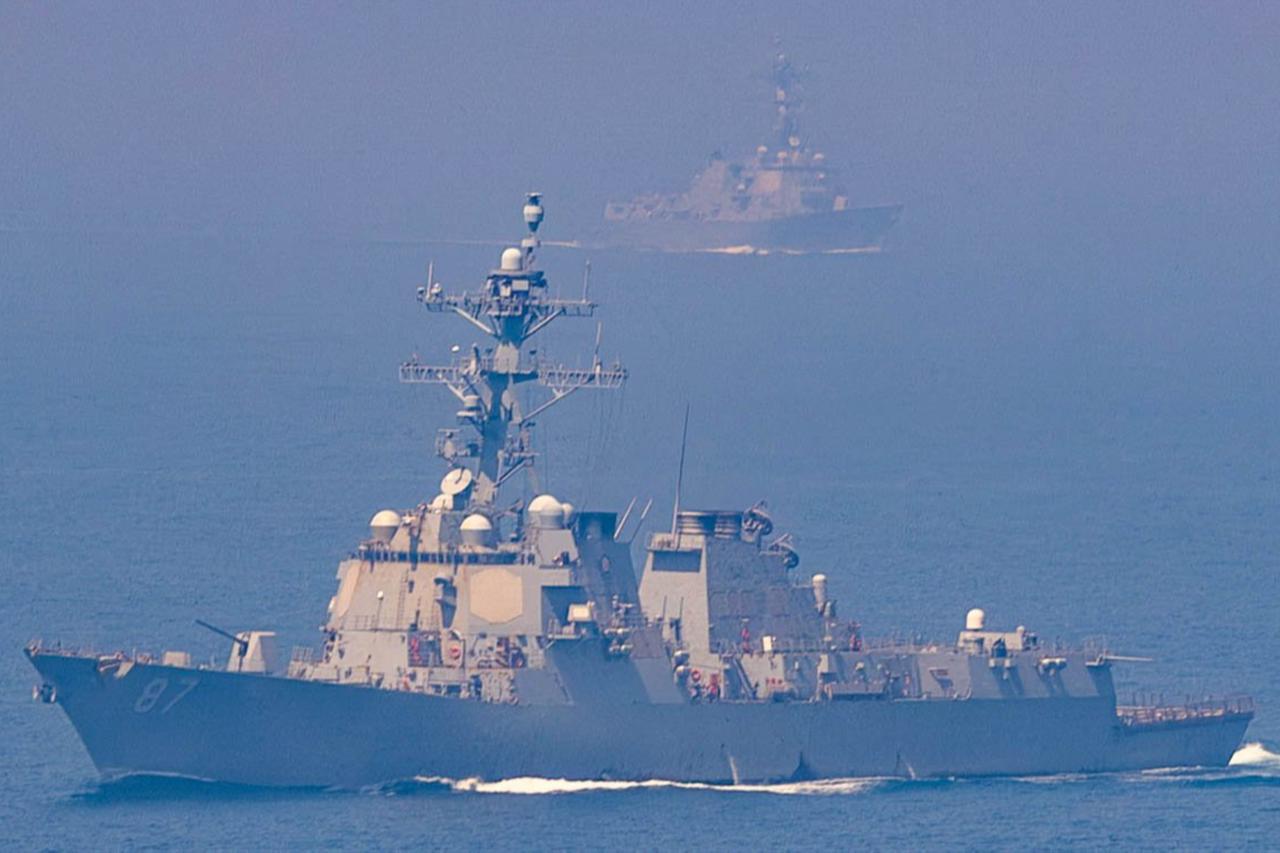
The Thursday U.S.-Iran clash emerged as the most serious exchange of fire between U.S. and Iranian forces since the April 8 ceasefire, with three U.S. destroyers transiting the Strait of Hormuz under Iranian missile and drone attack.
Trump described the exchange as "a love tap" and said the ceasefire remained in effect, while Iran's IRGC accused the U.S. of violating the ceasefire through strikes on an Iranian oil tanker near Jask and attacks on Qeshm Island.


 Set as preferred source
 Set as preferred source


 1 min read
 1 min read