Newsletters


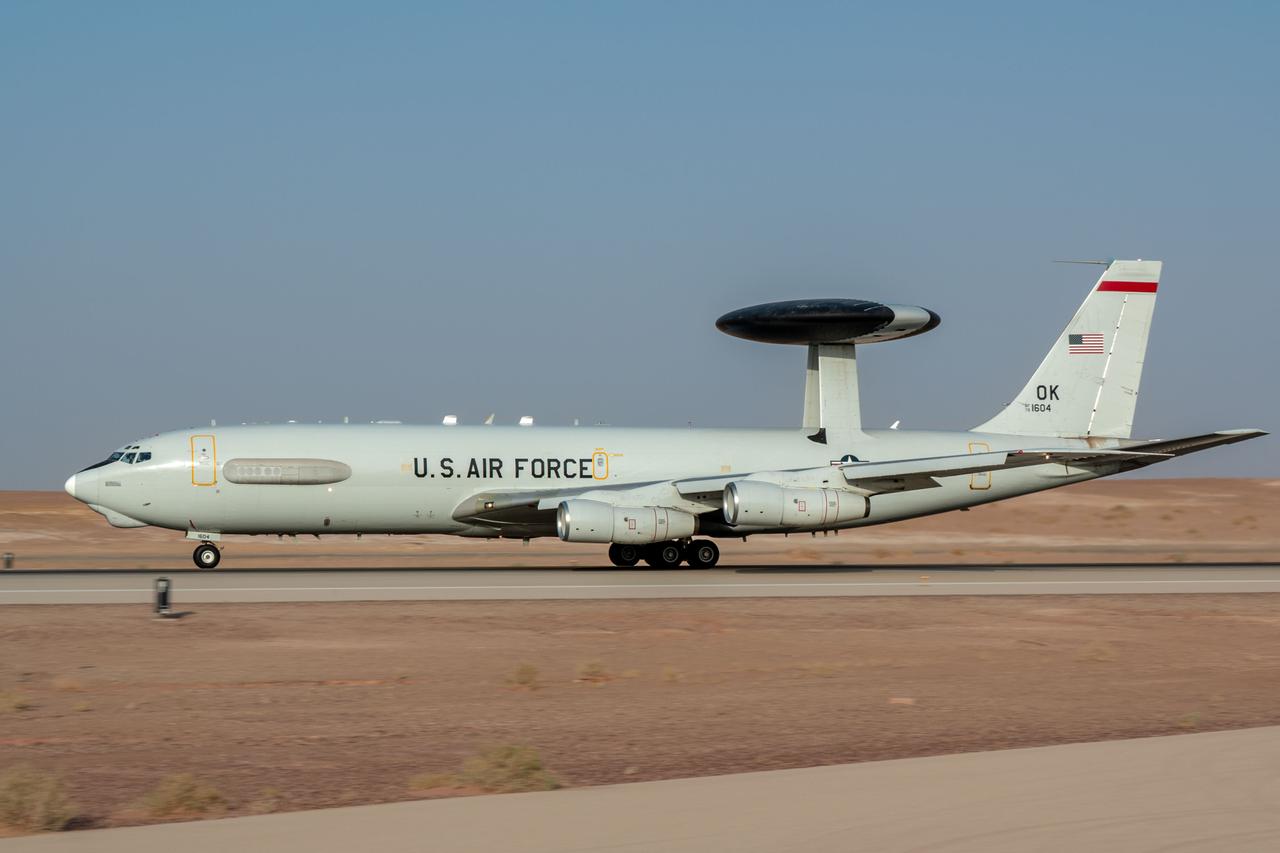


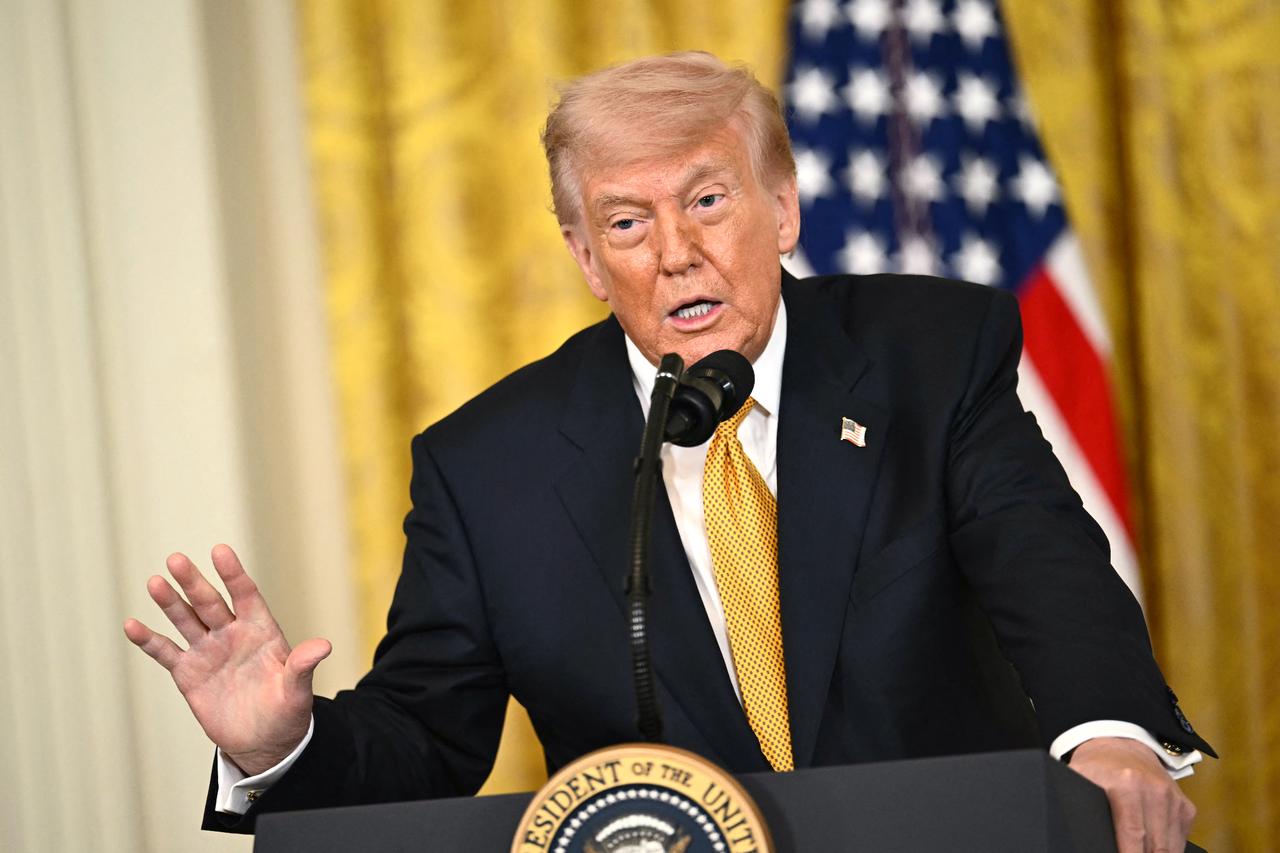
President Donald Trump's abrupt halt of Project Freedom, a mission to secure the Strait of Hormuz, came after Saudi Arabia blocked U.S. military flights and access to a critical regional air base, NBC News reported Thursday.
Trump surprised Gulf allies by announcing Project Freedom on social media Sunday afternoon without prior coordination, angering Saudi leadership, according to the officials.
In response, Riyadh told Washington it would not permit U.S. military aircraft to operate from Prince Sultan Air Base or transit Saudi airspace to support the effort, NBC News reported.
A phone call between Trump and Saudi Crown Prince Mohammed bin Salman failed to resolve the dispute, two U.S. officials told NBC News, forcing the president to pause the operation in order to restore U.S. military access to the critical airspace.
Trump suspended Project Freedom roughly 36 hours after it began.

One U.S. official told NBC News that Saudi and Jordanian basing, Kuwaiti overflight rights and Omani naval logistics are operationally irreplaceable for Gulf operations.
"Because of geography, you need cooperation from regional partners to utilize their airspace along their borders," the official said, adding, "In some cases, there is no other way around."
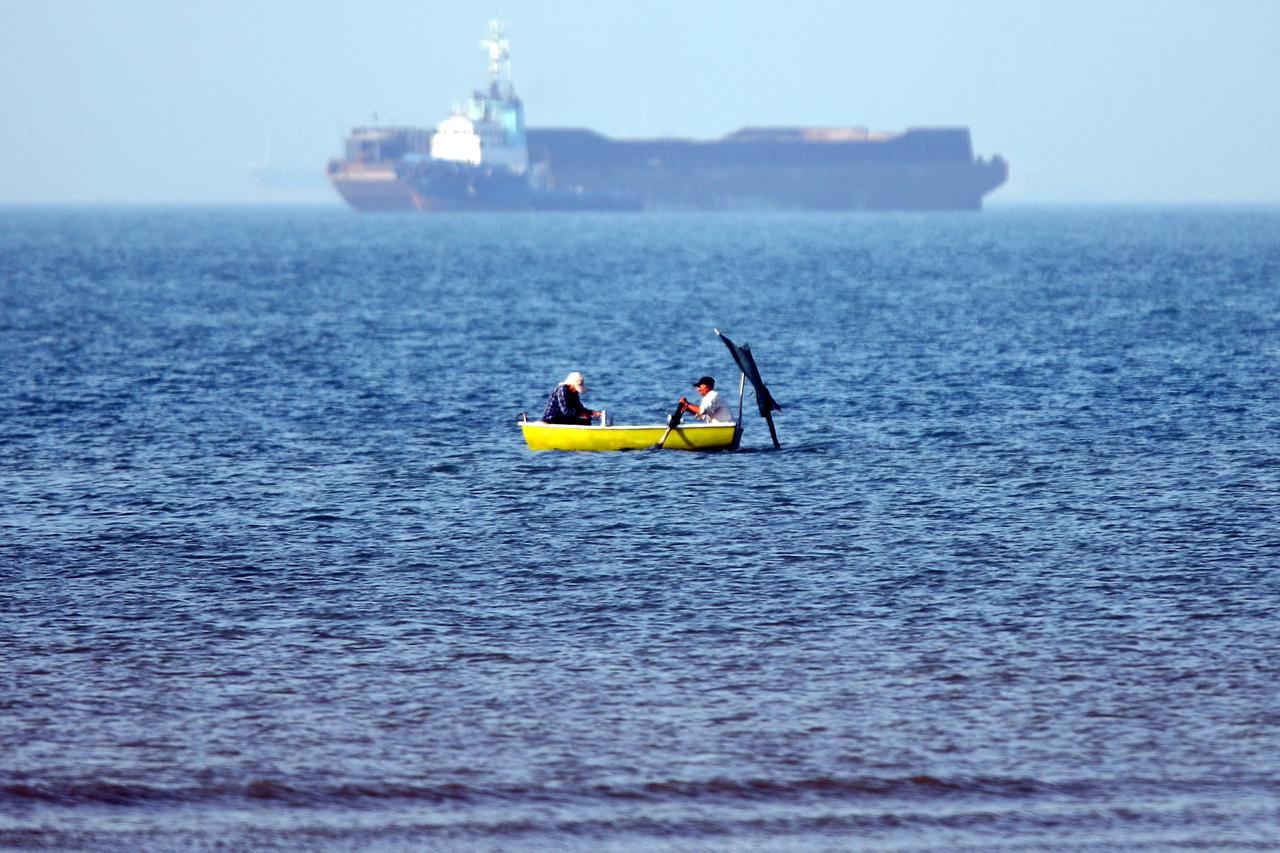
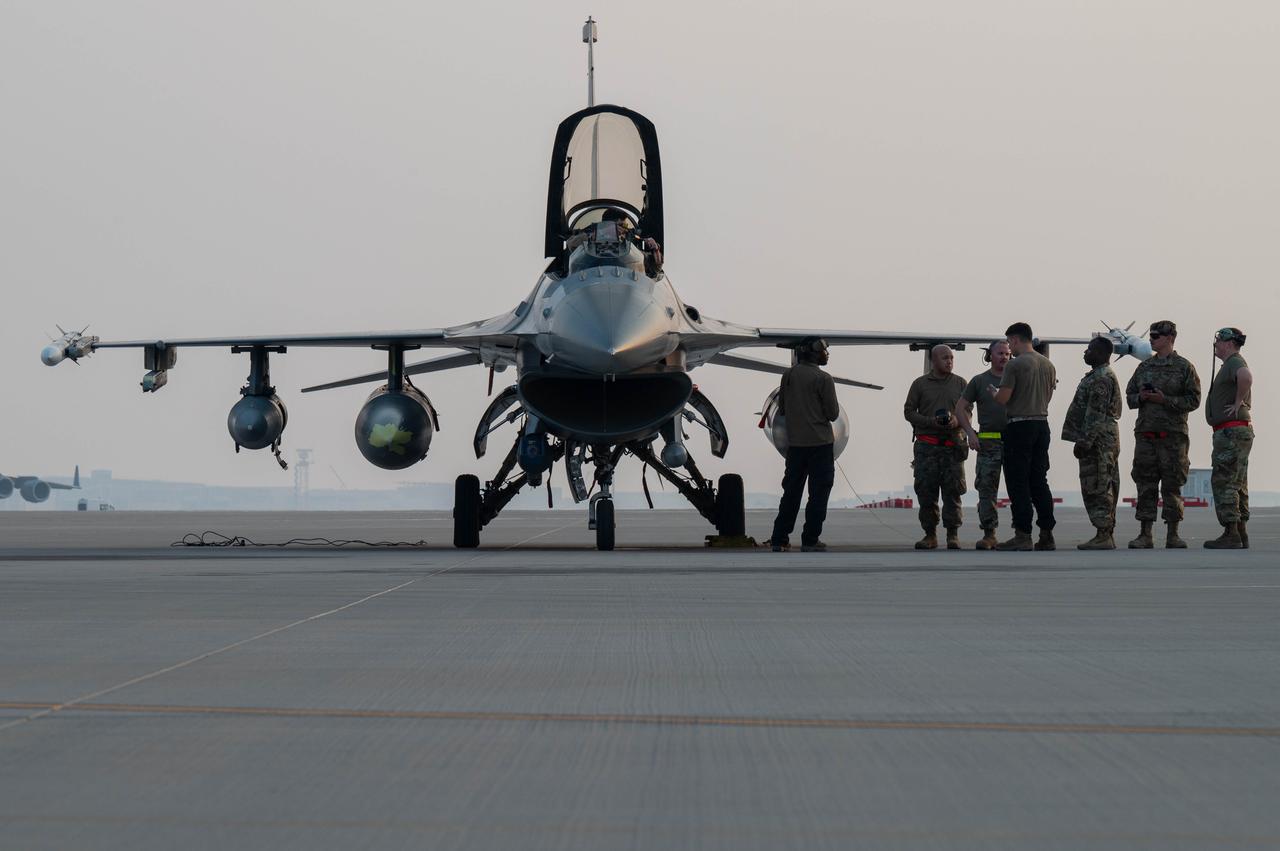
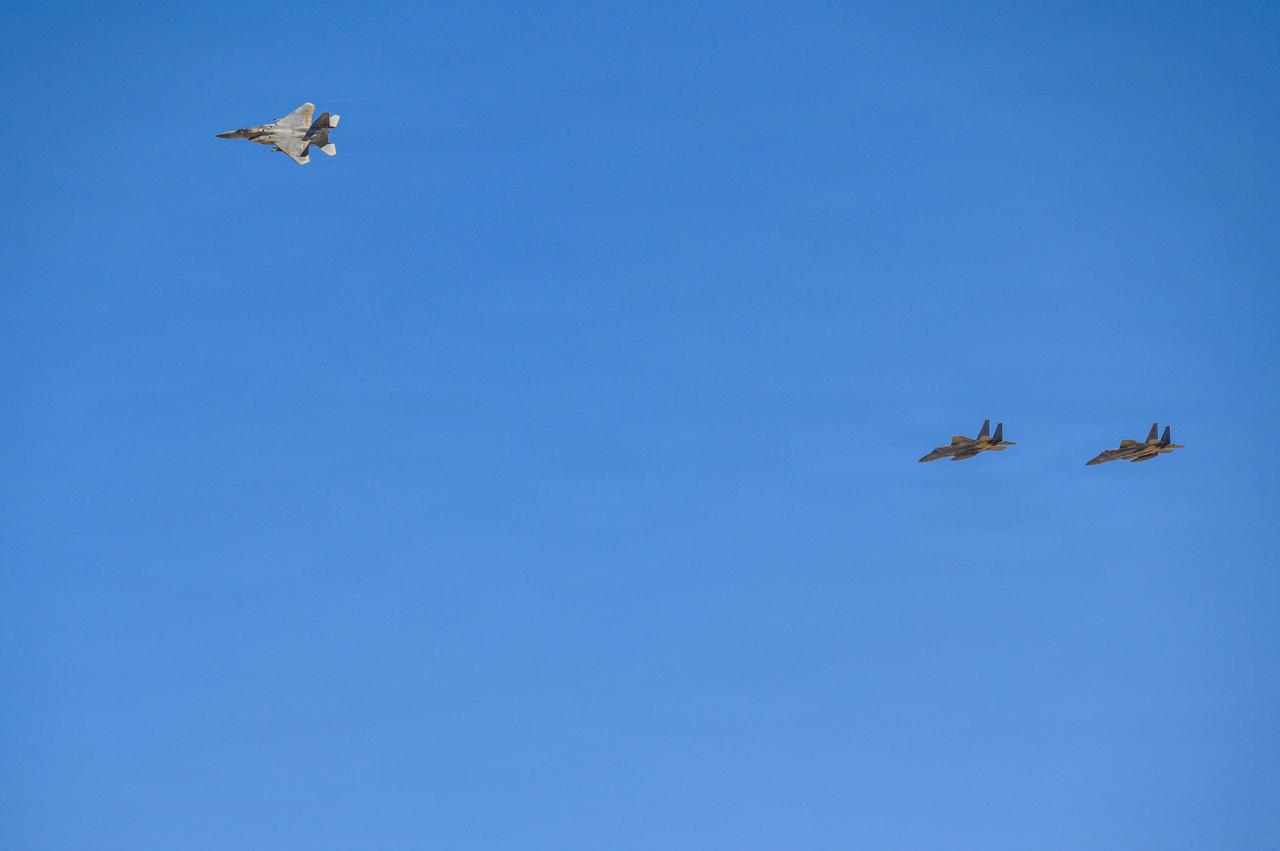
Military aircraft providing the defensive umbrella for ships transiting the strait, including fighter jets, refueling tankers and surveillance aircraft, were entirely dependent on that access.
The U.S. military refers to such permissions as ABO: access, basing and overflight.
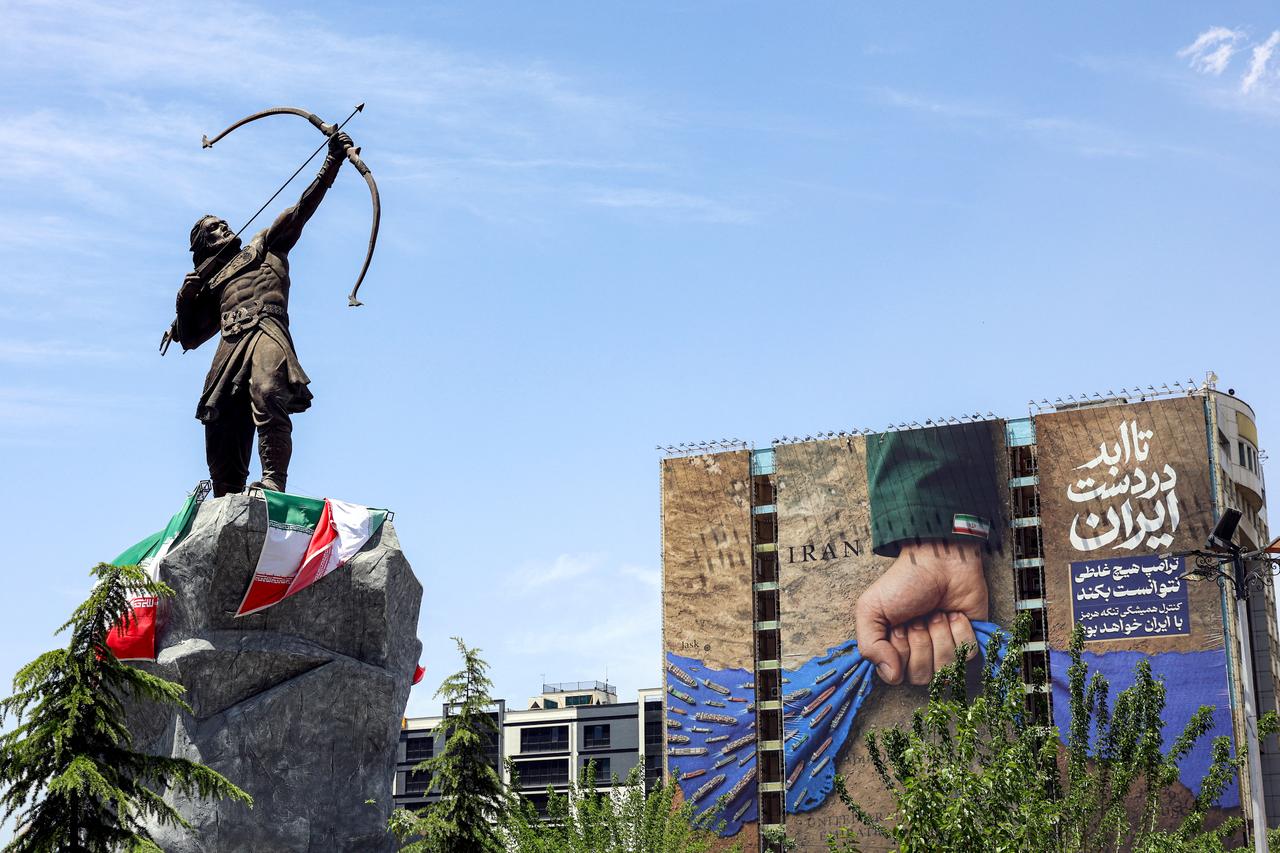
The U.S. military had been lining up additional ships in the Gulf for transit through the strait when the operation was stopped, a U.S. official told NBC News.
Other Gulf allies were similarly surprised. Trump spoke with Qatari leaders only after Project Freedom had already begun.
A Qatari official said in a statement that the emir and Trump discussed the ceasefire and "implications for maritime security and global supply chains," with the emir emphasizing de-escalation.
A Middle Eastern diplomat told NBC News that the U.S. did not coordinate with Oman until after Trump made the announcement.
"The U.S. made an announcement and then coordinated with us," the diplomat said, adding: "We were not upset or angry."
A White House official said in a statement that "regional allies were notified in advance."
A Saudi source told NBC News that Trump and the crown prince "have been in touch regularly" and that Saudi Arabia was "very supportive of the diplomatic efforts" by Pakistan to broker a deal between Iran and the U.S.
Despite the operational setback, Trump told PBS on Wednesday that the Iran war had "a very good chance of ending," adding: "If it doesn't end, we have to go back to bombing the hell out of them." He said there had been "very good talks over the last 24 hours" and indicated that a deal could be reached before his May 14-15 Beijing summit with Chinese President Xi Jinping.
Iranian Foreign Ministry spokesperson Esmail Baghaei confirmed Tehran was reviewing the latest U.S. proposal and would communicate its response through Pakistan.
A senior Iranian parliament official described the U.S. proposal on social media as "a wish list until it becomes a reality."
A Jordanian official told NBC News that diplomatic efforts were serious, adding, "The Iranians don't have the economic means to keep this going. Their economy is failing, they can't pay salaries."
China's Foreign Minister Wang Yi, who met with Iranian officials Wednesday, said, "We believe that a comprehensive ceasefire is urgently needed, that a resumption of hostilities is not acceptable, and that it is particularly important to remain committed to dialogue and negotiations."


 Set as preferred source
 Set as preferred source


 1 min read
 1 min read