Newsletters


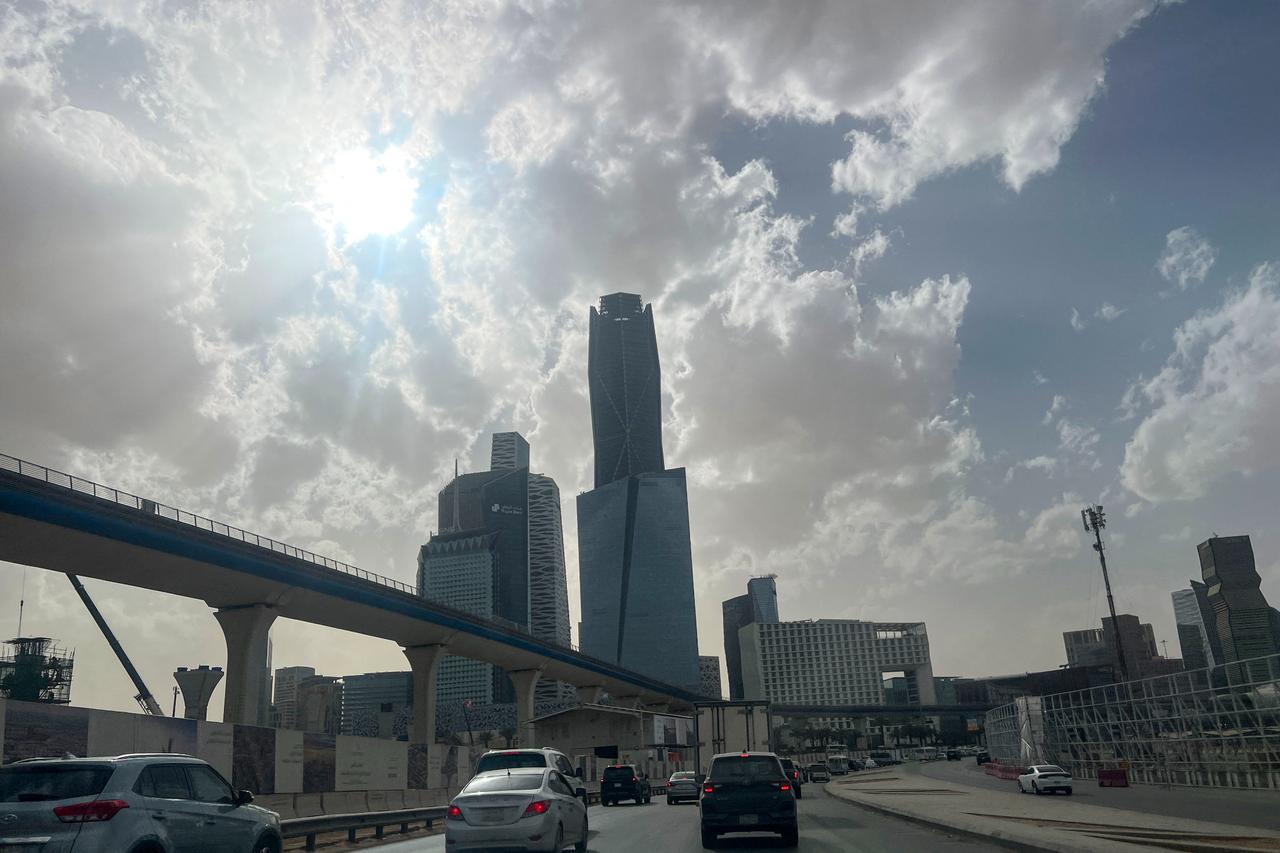


Saudi authorities have instructed businesses to keep employees out of Riyadh’s main financial district amid concerns that the area could be a target for Iranian missile or drone attacks, according to a report by Semafor.
The directive to vacate office towers in the King Abdullah Financial District (KAFD) signals growing difficulty in maintaining a “business as usual” environment as regional tensions persist.
Hostilities in the region have escalated since the US and Israel launched a joint offensive on Iran on Feb. 28, killing over 1,340 people to date, including the then-supreme leader, Ali Khamenei.
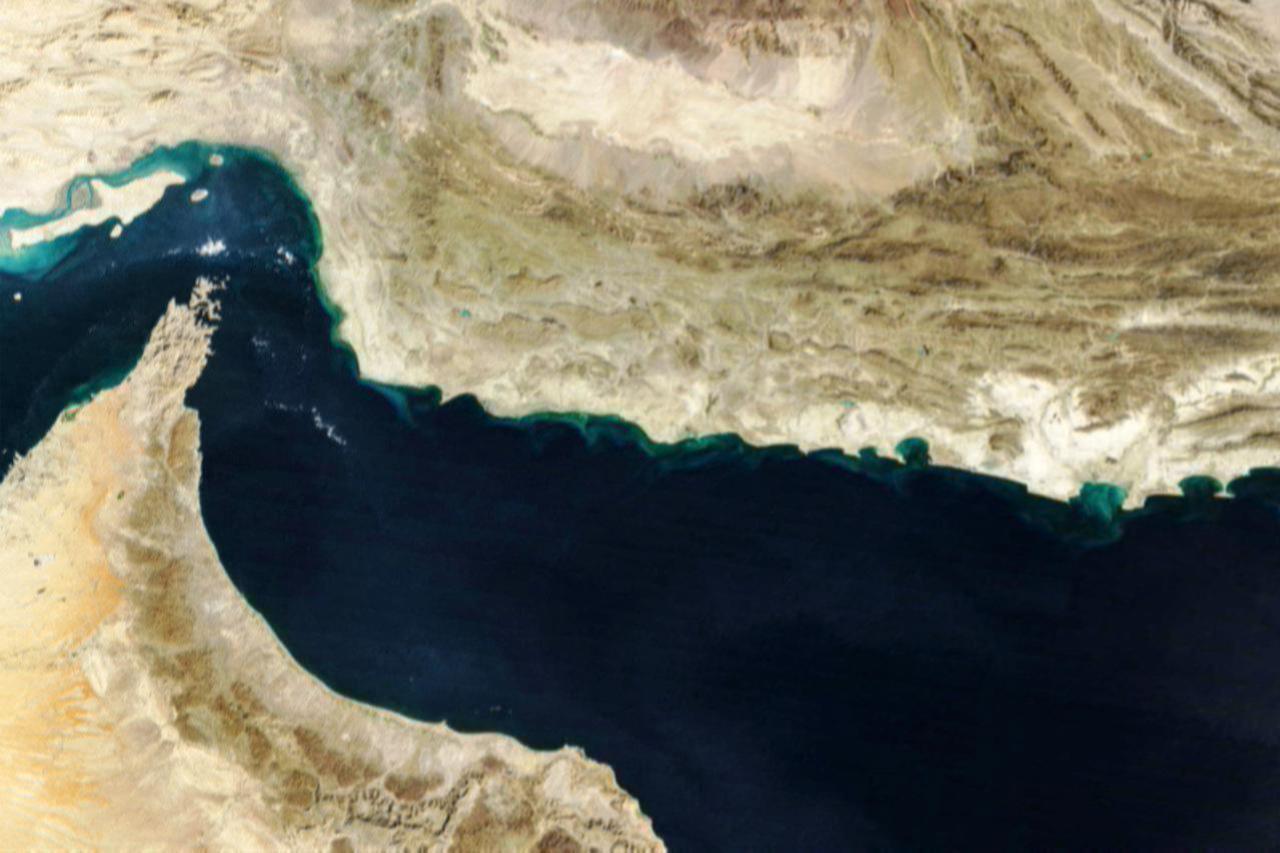
Tehran has retaliated with drone and missile strikes targeting Israel, as well as Jordan, Iraq, and Gulf countries hosting US military assets. Iran has also restricted the movement of ships through the Strait of Hormuz.
Semafor reports that on April 2, KAFD told companies to evacuate immediately and not allow staff to return until at least April 6, citing people familiar with the situation and a notice it reviewed.
The order affected major institutions, including the kingdom’s sovereign wealth fund and offices of international firms such as Goldman Sachs and Deloitte.
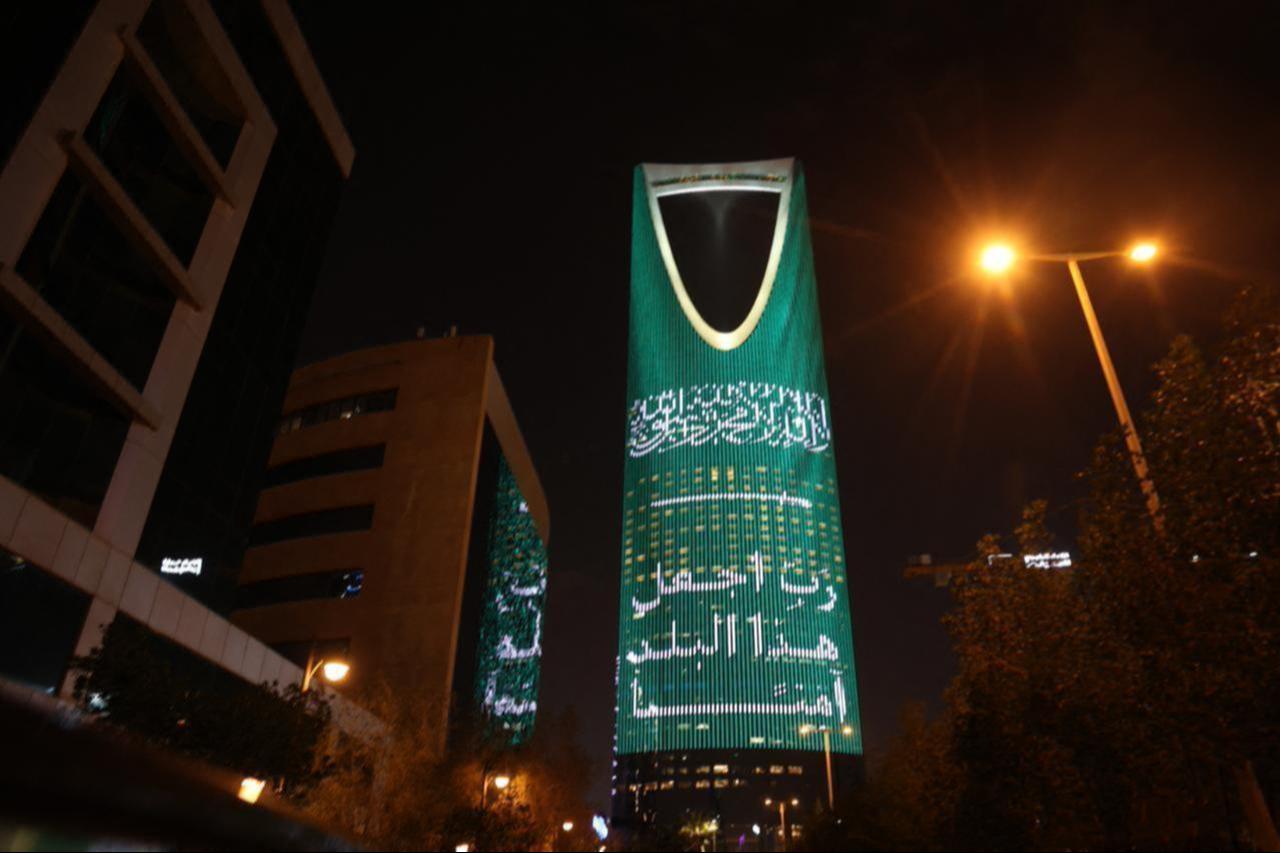
Residents in KAFD’s residential towers were advised to remain indoors. The outlet also reported that other prominent buildings in Riyadh, including Al Faisaliah Tower, home to companies like JPMorgan and Apple, were evacuated over the weekend, following earlier reporting by The Wall Street Journal. Some companies have received informal guidance to keep employees away from the financial district for several weeks.

Five weeks into the US-Israeli war against Iran, analysts say the conflict is drifting toward a costly stalemate, with neither side able to convert battlefield gains into a decisive outcome.
Both sides have secured tactical advantages while absorbing mounting military, economic, and human costs, raising the risk of a prolonged conflict.
"Five weeks into the conflict, there are no clear winners, only an emerging pattern of asymmetry and endurance," Gulf security analyst Leonardo Jacopo Maria Mazzucco told Türkiye's state-owned Anadolu news agency.
Mazzucco said the war is exposing limits, particularly for airpower, which has yet to deliver a clear victory.
"It has exposed weaknesses in Iran’s air defense architecture, which cannot withstand sustained pressure from a superior conventional force. Yet it has also underscored the resilience of Iran’s missile and drone ecosystem,” he said.
He added that while the US and Israel have achieved tactical success in degrading Iranian assets and targeting senior leadership, translating those gains into a strategic outcome remains elusive.
"As long as the Iranian regime retains political control and its forces can still threaten US military personnel and assets, as well as its regional partners, the conflict points more toward a protracted stalemate than a clear victory," said Mazzucco.
Analysts say Washington has demonstrated the ability to sustain high-tempo, large-scale air operations, targeting Iranian naval assets, strike platforms, and elements of its radar network.
According to US Central Command (CENTCOM), the US has struck more than 12,300 targets inside Iran, including dozens of naval vessels, since Feb. 28.
Mazzucco said that while Washington has degraded significant portions of Iran’s military infrastructure, the gains have come with growing operational and financial strain.
The US military campaign has cost an estimated $26.74 billion as of March 28, 2026, according to data from CENTCOM and the Center for Strategic and International Studies.
The spending includes roughly $10 billion in air defense interceptors alongside thousands of strike operations across the region.
The US has also sustained material losses, including three F-15 fighter jets lost to friendly fire in Kuwait, the destruction of forward-deployed radar systems, the loss of an E-3 Sentry aircraft, and multiple MQ-9 Reaper drones.
CENTCOM says a total of 13 U.S. service members have been killed and about 303 others have been injured since the operation began.
However, a report by The Intercept suggests higher figures, reporting at least 15 deaths. The report also said the U.S. bases in Bahrain, Iraq, Jordan, Kuwait, Qatar, Saudi Arabia, Syria, and the UAE have been targeted.
Analysts say the campaign is also placing pressure on high-end munitions stockpiles and broader military readiness.
"The daily burn rate is broadly assessed at around $1 billion per day, placing total operational costs after five weeks well into the tens of billions,” Mazzucco said, adding that precise estimates are impossible without knowledge of the type and volume of munitions expended.
The strain, he added, extends beyond direct costs.
"These include maintenance and logistical strain on naval assets, such as the USS Gerald R. Ford carrier temporarily repositioned to Souda Bay, Crete, for repairs after Red Sea operations, as well as the additional deployment of the USS George H.W. Bush to sustain operational tempo,” Mazzucco said.
“Such measures underscore the cumulative strain on readiness and force rotation."


 Set as preferred source
 Set as preferred source


 1 min read
 1 min read