Newsletters


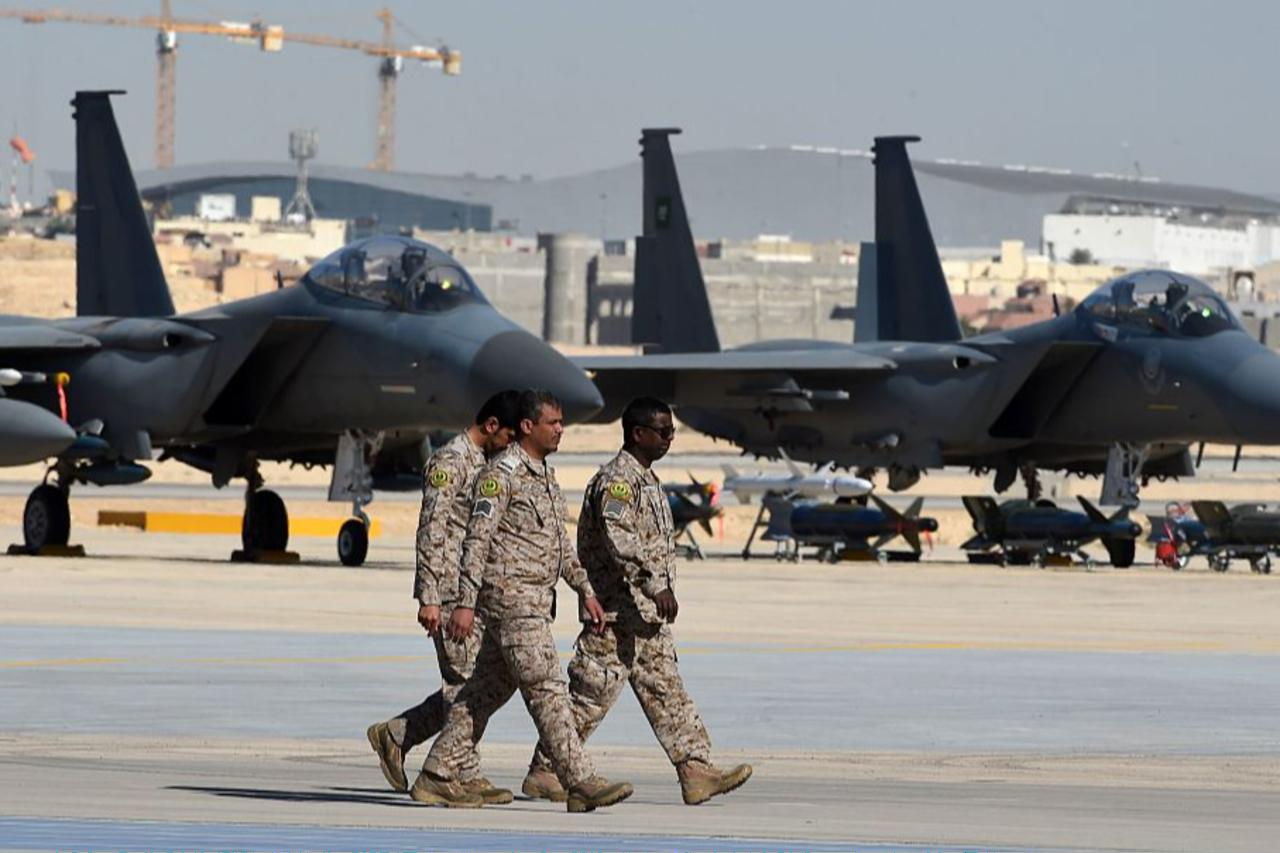


Saudi Arabia has granted the United States expanded access to military facilities as the war with Iran intensifies, signaling a shift in the kingdom’s approach, according to U.S. and Western officials, Middle East Eye reports.
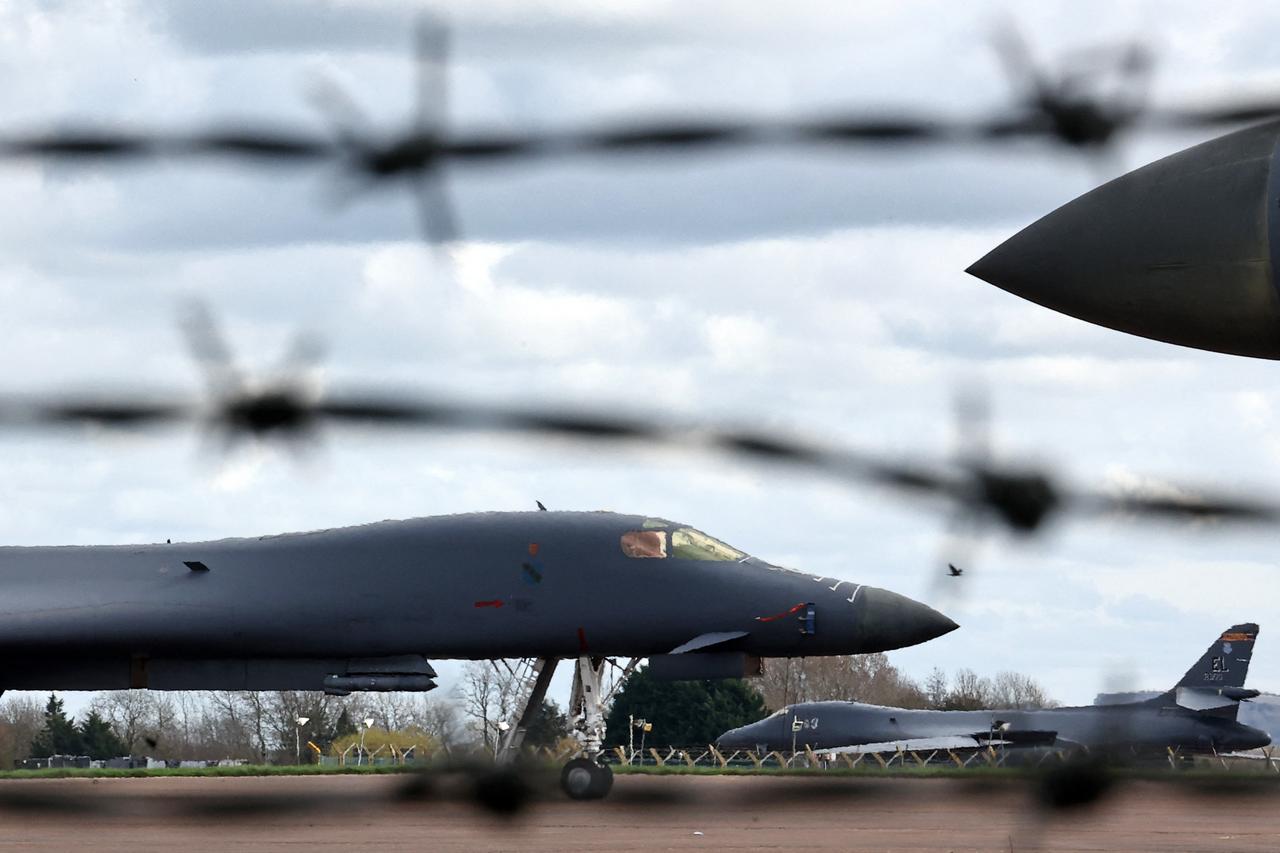
The kingdom agreed to open King Fahd Air Base in Taif to U.S. forces, providing a location farther from Iranian drone threats than Prince Sultan Air Base, which has faced repeated attacks.
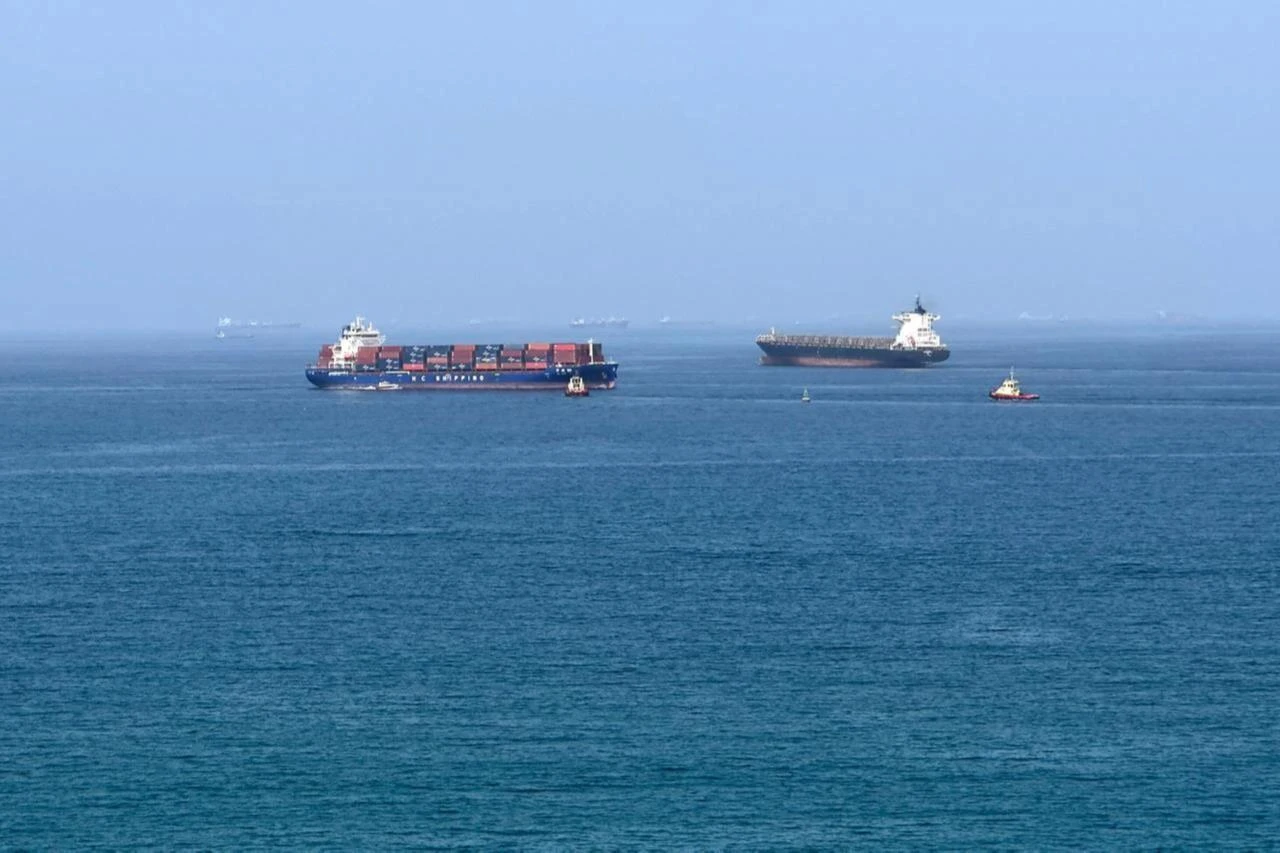
Officials said the move comes as U.S. forces increase deployments to the region, with thousands of ground troops en route from East Asia, and as Jeddah emerges as a key logistics hub following disruptions linked to Iran’s control of the Strait of Hormuz.
Western officials said the stance in Riyadh has shifted toward supporting the U.S. war effort as a way to respond to Iranian strikes.
The United Arab Emirates has also indicated readiness for a prolonged conflict, with officials saying the country is prepared for the war to last up to nine months.
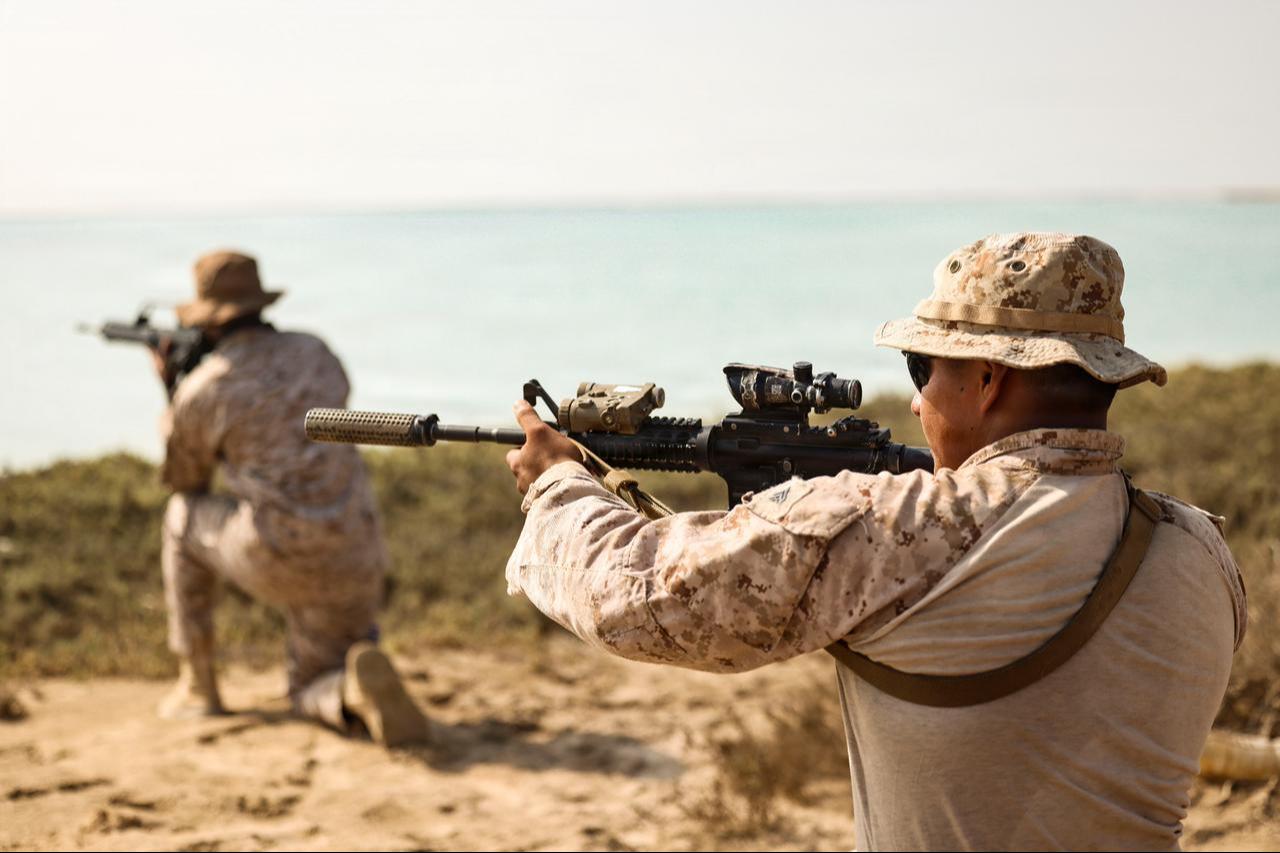

Despite hosting U.S. military bases, Saudi Arabia, the UAE, and Qatar had earlier lobbied U.S. President Donald Trump against attacking Iran and insisted their territories not be used as launchpads for strikes.
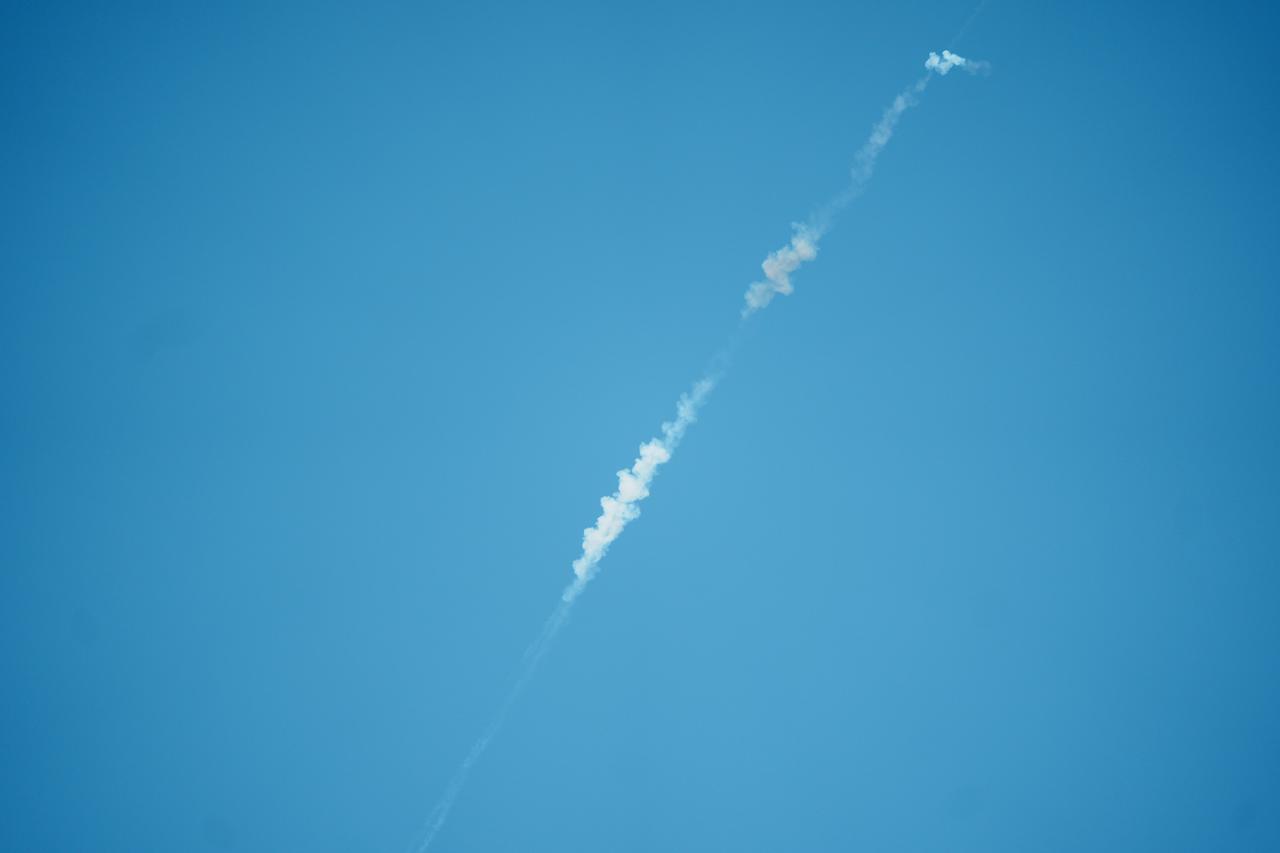
Since the war began, Gulf states have faced significant attacks, with the UAE intercepting 338 ballistic missiles and 1,740 drones, while Qatar suffered a major strike on its Ras Laffan refinery, affecting 17 percent of its gas production.
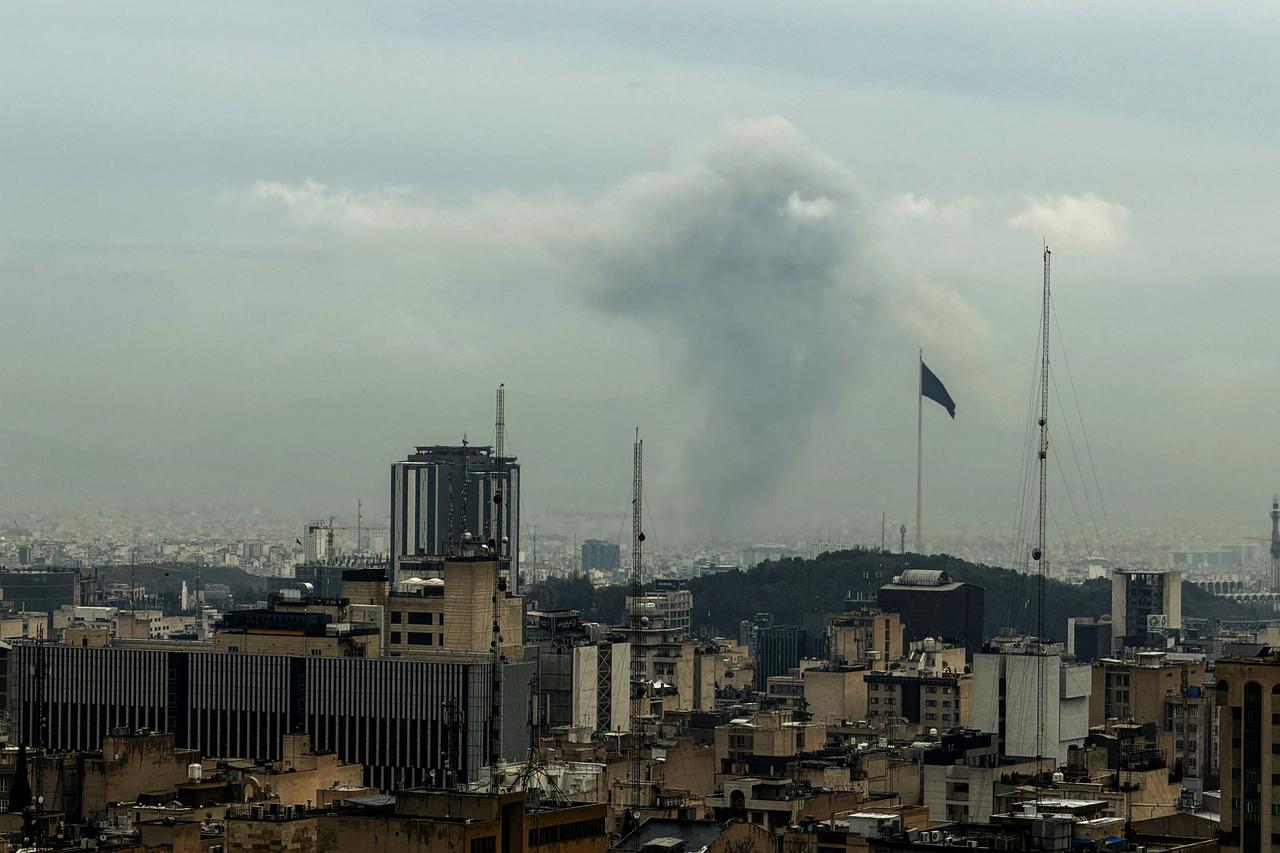
Iran has said it is retaliating against U.S. and Israeli strikes, while Gulf officials have accused Tehran of targeting civilian infrastructure.
Saudi Foreign Minister Prince Faisal bin Farhan said Iran had carried out “heinous attacks” and warned the kingdom reserved the right to take military action.
At the same time, some Gulf countries have expressed concern over U.S. involvement, with Oman’s foreign minister saying the conflict is “not America’s war.”
Experts say Gulf states are balancing between deterring Iran and avoiding deeper involvement in the war.
Saudi Arabia and the UAE, which were initially neutral, have shifted positions after coming under attack, while Oman has maintained a mediating role.
Analysts said Gulf states are wary that joining offensive operations could escalate the conflict further, with concerns that such actions could “open up a can of worms.”
At the same time, Iran’s attacks have been described as a violation of Gulf sovereignty, prompting discussions on strengthening collective defense and coordination among Gulf countries.
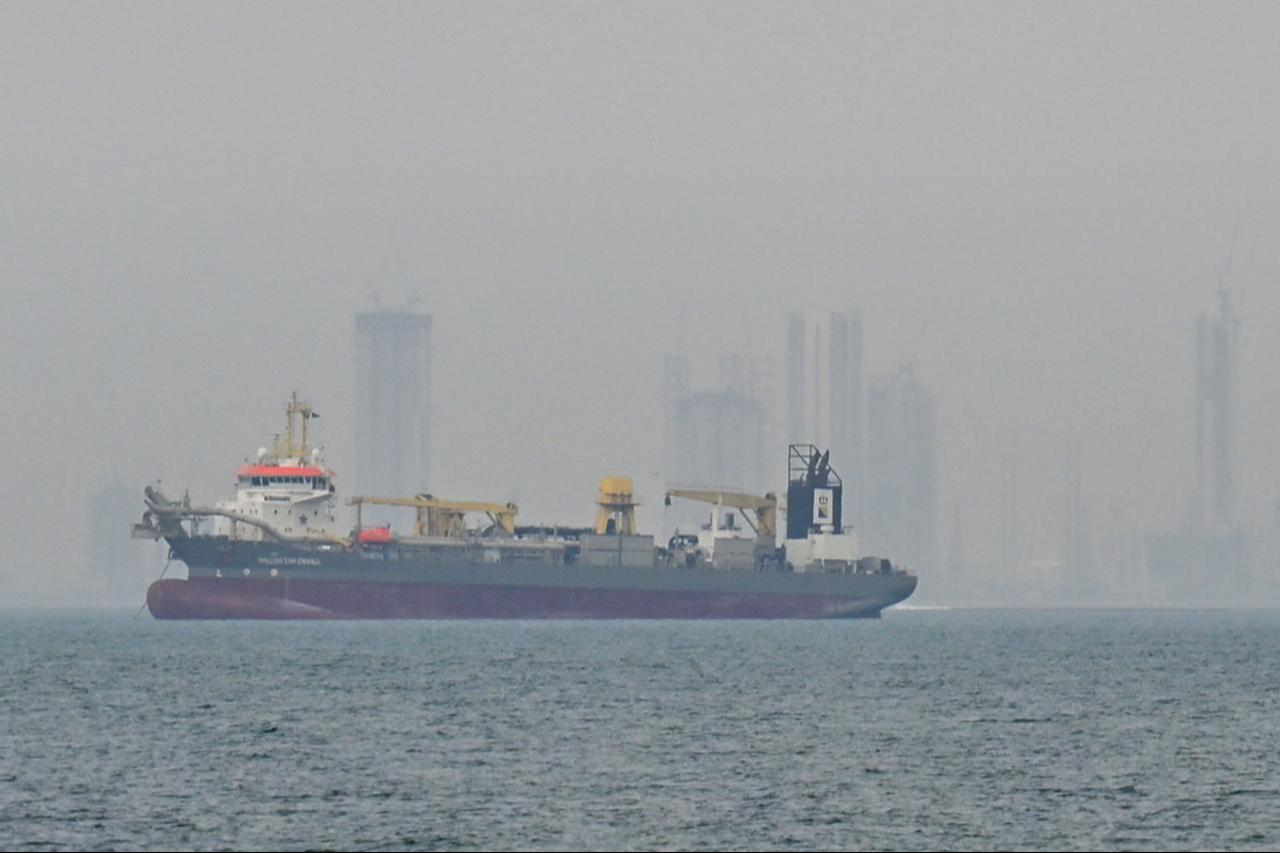
The Strait of Hormuz has become a central issue in the conflict, with Gulf states considering their role in securing the key energy route.
Experts said Gulf countries could enhance defensive coordination or take measures related to the waterway, though there is debate over what constitutes defensive versus offensive actions.
U.S. efforts to involve NATO and Asian allies in securing the strait have largely been rebuffed, while Gulf officials have indicated possible participation in operations to restore control.
Analysts said improved access to Saudi bases could be critical for U.S. operations, while Gulf states continue to weigh their options as the conflict evolves.


 Set as preferred source
 Set as preferred source


 1 min read
 1 min read