Newsletters


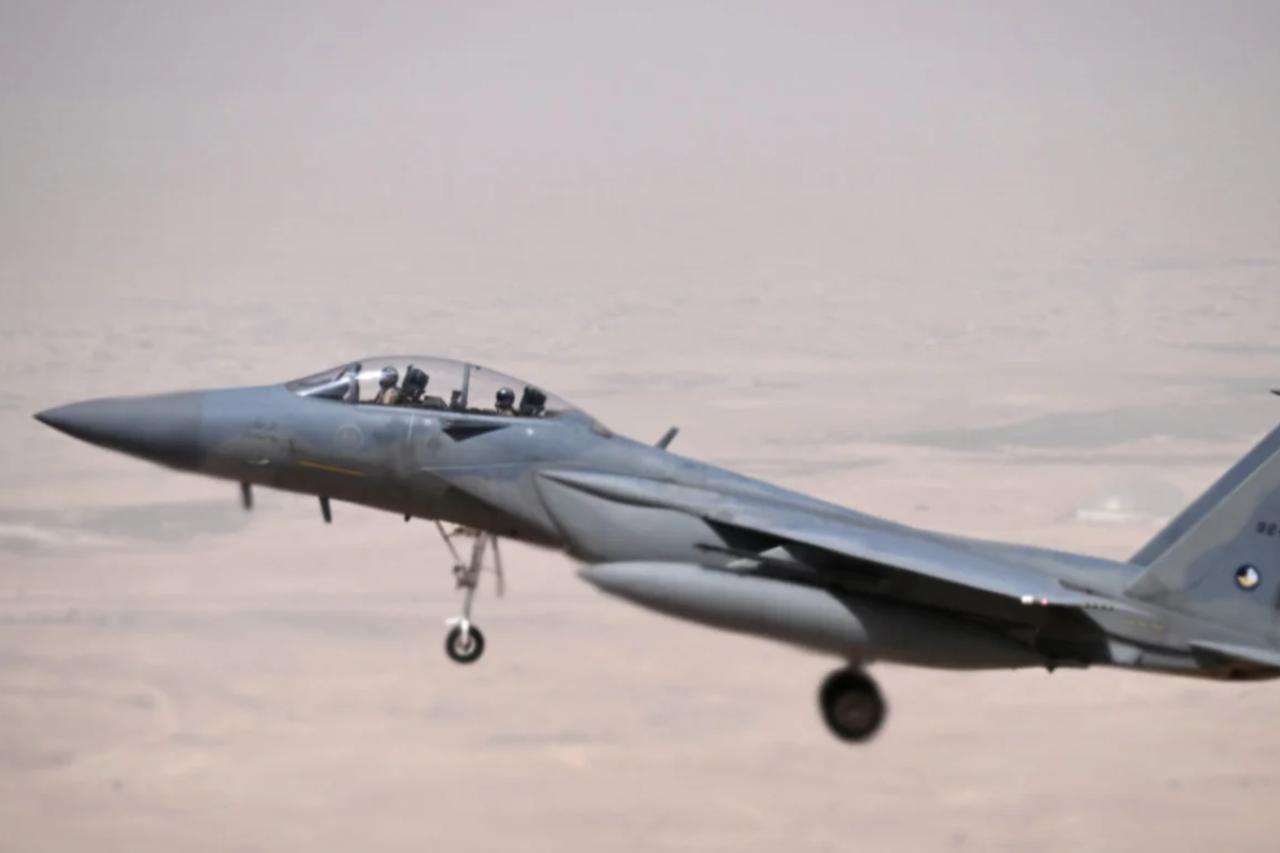


Saudi Arabia launched a series of undisclosed military strikes on Iranian soil in retaliation for attacks on the kingdom during the ongoing Middle East war, according to two Western officials briefed on the matter and two Iranian officials, Reuters reported.
The strikes, carried out by the Saudi Air Force and assessed to have taken place in late March, mark the first time the kingdom is known to have conducted direct military action against Iran.
One Western official described the operations as "tit-for-tat strikes in retaliation for when Saudi Arabia was hit," though specific targets could not be confirmed.
A senior Saudi foreign ministry official declined to directly address whether strikes had taken place. Iran's foreign ministry did not respond to requests for comment.
The disclosure reveals a conflict whose true dimensions have remained largely concealed from public view, one in which Gulf monarchies targeted by Iranian attacks have begun to strike back.

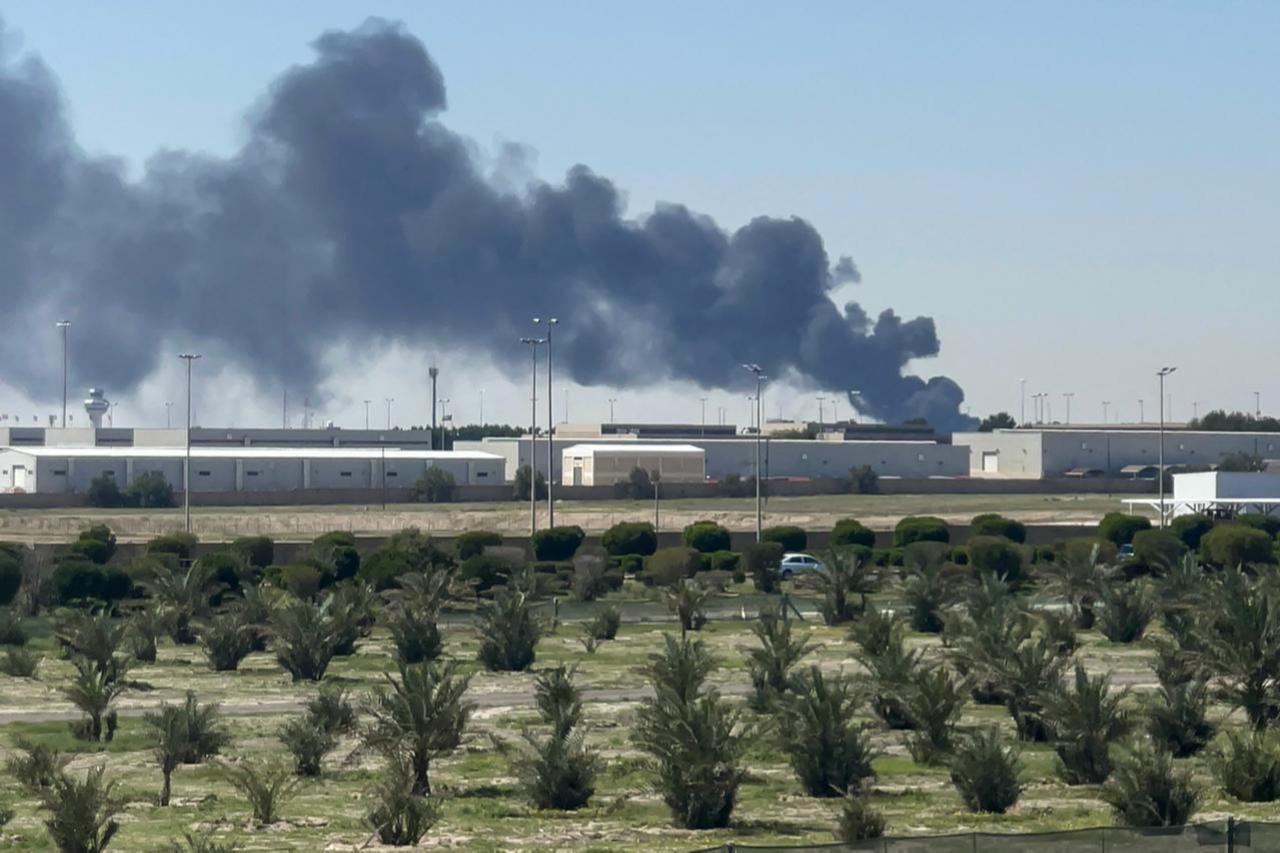
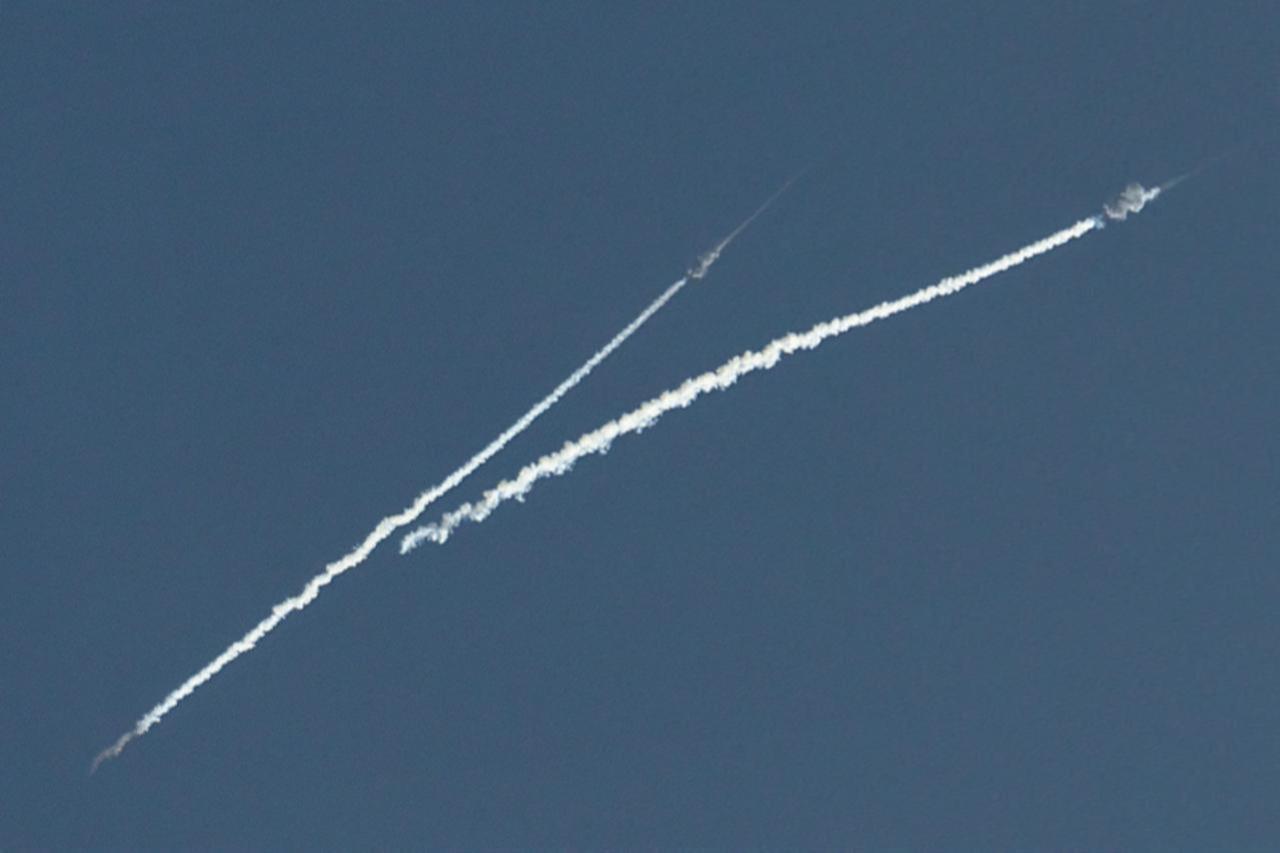
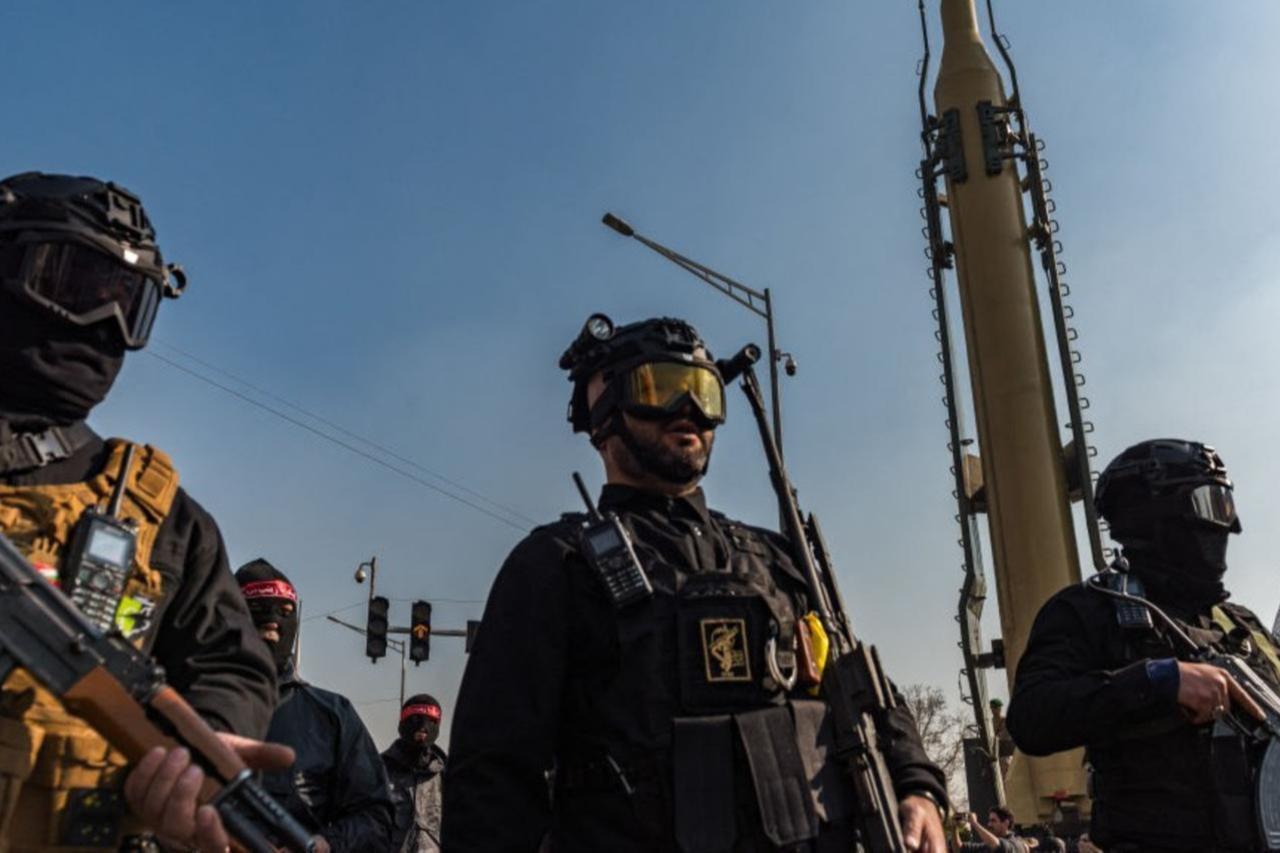
The broader war began on February 28, when the United States and Israel launched airstrikes on Iran. In the weeks that followed, Iran struck all six Gulf Cooperation Council states with missiles and drones, targeting not only American military installations but civilian sites, airports, oil infrastructure, and closing the Strait of Hormuz, a chokepoint through which a significant share of the world's oil supply passes.
The United Arab Emirates also carried out military strikes against Iran, the Wall Street Journal reported separately. The UAE adopted a more hawkish posture throughout the conflict, seeking to impose a cost on Tehran while engaging only rarely in open diplomacy.
Saudi Arabia, by contrast, pursued a dual track, conducting retaliatory strikes while simultaneously maintaining diplomatic channels with Iran, including through Tehran's ambassador in Riyadh.
Saudi Arabia has historically relied on the American military umbrella for protection, given its deep defense relationship with Washington. But the 10-week conflict exposed vulnerabilities that that umbrella could not fully cover.
 1 min read
Following the Saudi strikes, Riyadh made Iran aware of what it had done, the Western and Iranian officials said. That disclosure was followed by intensive diplomatic engagement and Saudi threats to escalate further if attacks on the kingdom continued, ultimately producing an informal understanding between the two countries to stand down.
Ali Vaez, Iran Project Director at the International Crisis Group, said such a sequence would reflect "pragmatic recognition on both sides that uncontrolled escalation carries unacceptable costs," adding that it would demonstrate "not trust, but a shared interest in imposing limits on confrontation before it spiraled into a wider regional conflict."
The informal de-escalation took effect in the week before Washington and Tehran agreed to a broader ceasefire on April 7. One Iranian official confirmed the bilateral understanding, saying it aimed to "cease hostilities, safeguard mutual interests, and prevent the escalation of tensions."
The trajectory of the de-escalation was visible in Saudi defence ministry data. From more than 105 drone and missile attacks on Saudi Arabia during the week of March 25-31, the number dropped to just over 25 between April 1-6.
By the final days before the ceasefire, projectiles fired at Saudi Arabia were assessed by Western sources to have originated in Iraq rather than from Iran directly, a signal that Tehran had pulled back while allied militant groups continued operating.


 Set as preferred source
 Set as preferred source


 1 min read