Newsletters


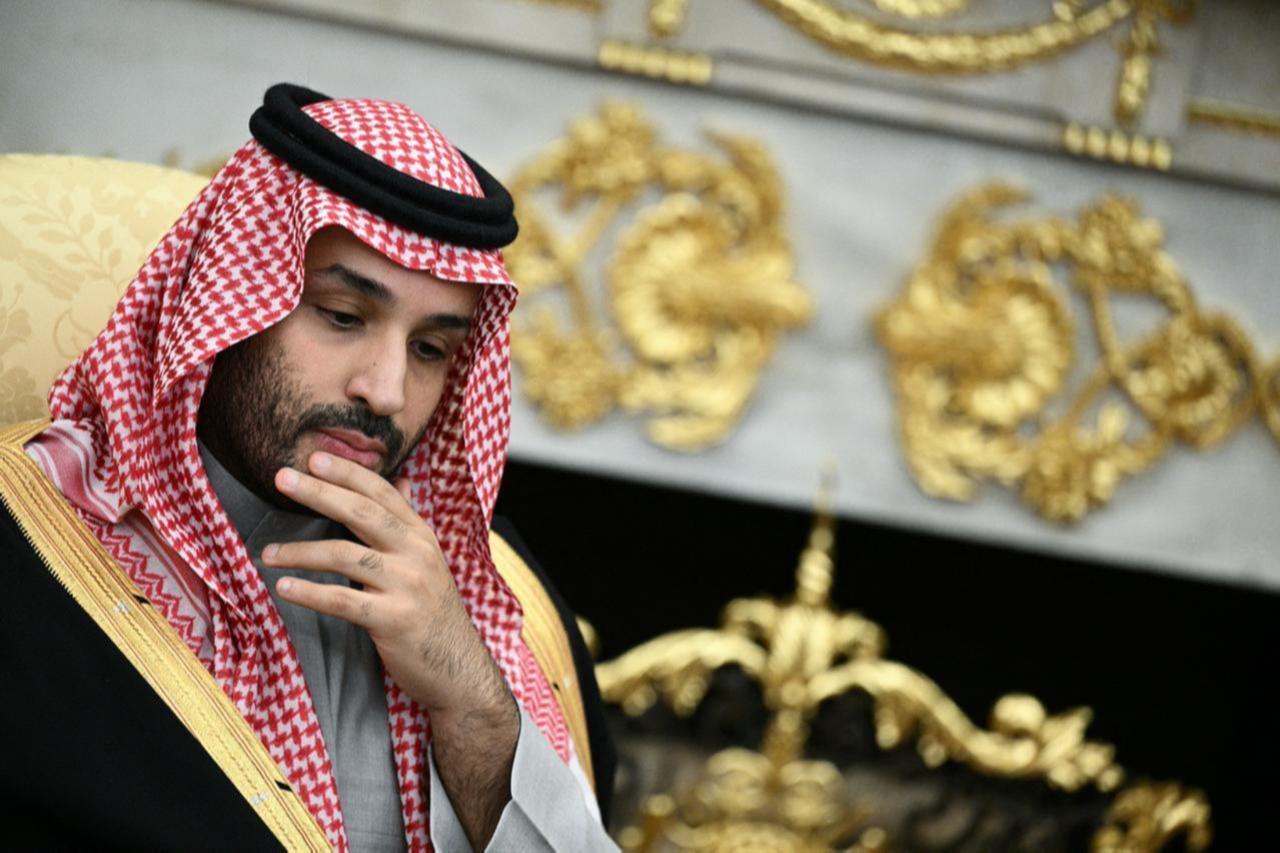


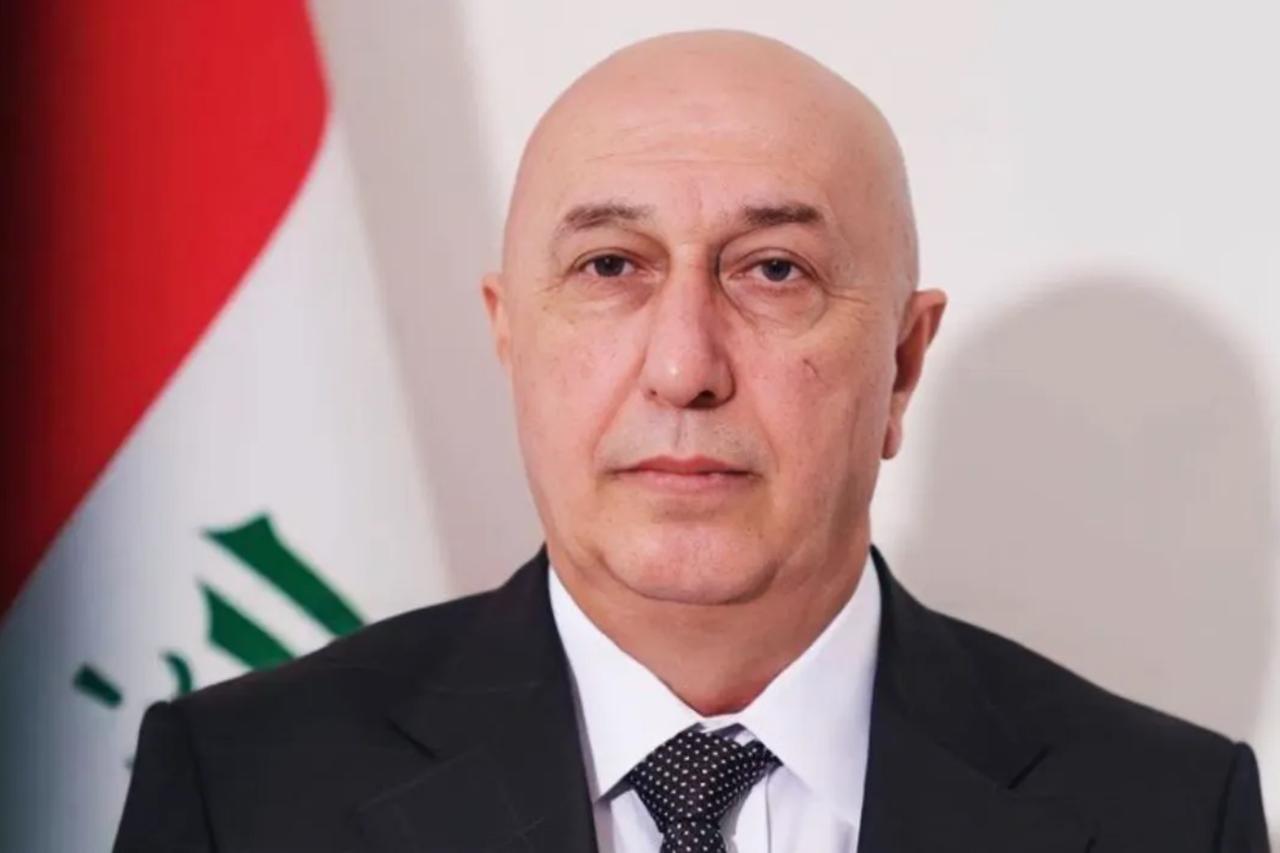
Saudi Arabia summoned Iraq's Ambassador Safia Taleb al-Suhail on Sunday, citing what the kingdom's foreign ministry described as "continued attacks and blatant threats" targeting the kingdom and neighboring Gulf states from drones launched from Iraqi territory, a diplomatic escalation that comes as the broader regional crisis deepens following the collapse of peace talks between Washington and Tehran.
The Saudi Foreign Ministry issued a brief statement announcing the summons but provided no further details on the timing, frequency, or scale of the reported attacks. Baghdad had not issued an immediate response.
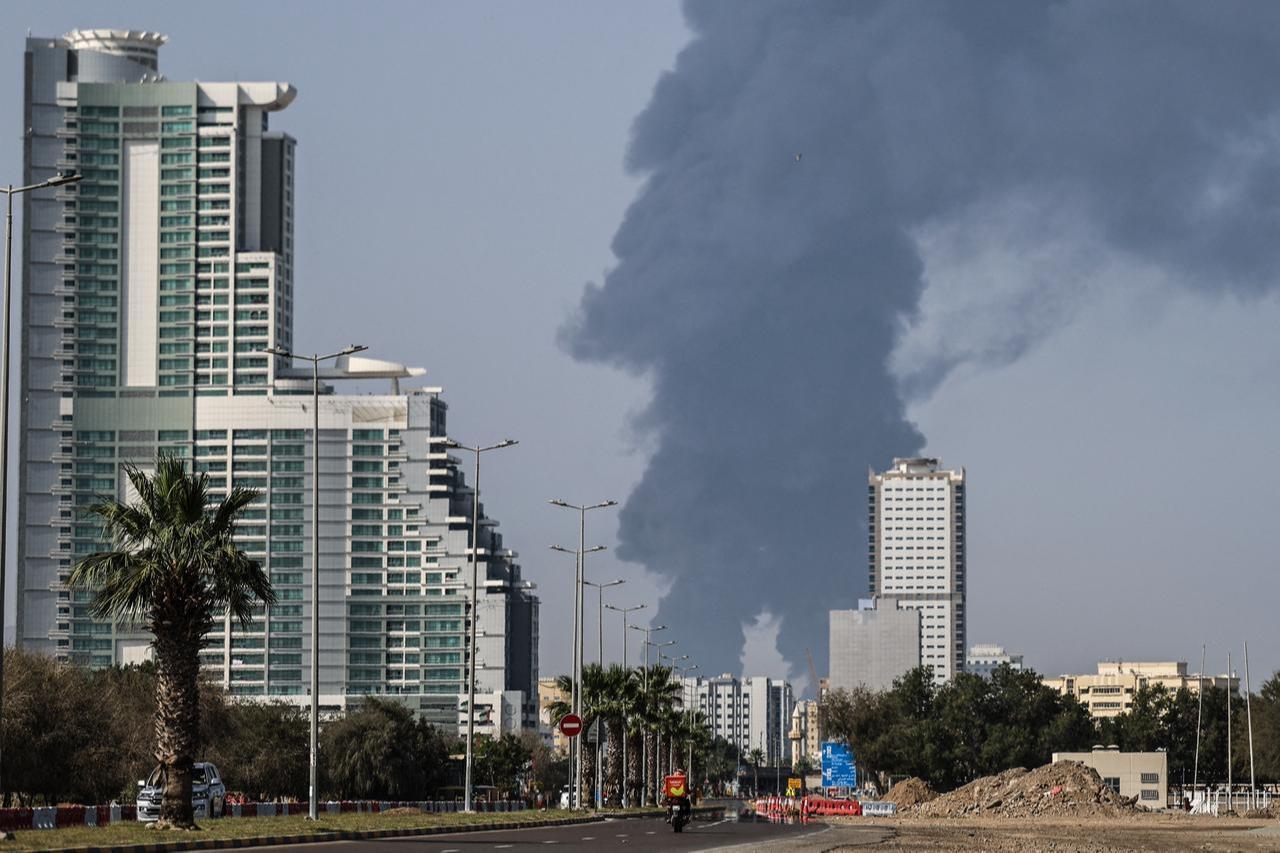

The move comes against the backdrop of six weeks of warfare that erupted on Feb. 28, when US and Israeli forces launched airstrikes on Iran, killing more than 3,300 people.
Tehran responded with retaliatory strikes across a wide arc, targeting Israel, Iraq, Jordan, and Gulf states hosting US military assets. A two-week ceasefire, brokered by Pakistan and announced earlier this week, has done little to quiet the region's volatility.
On Sunday, delegations from the United States and Iran wrapped up 21 hours of face-to-face talks in Islamabad, the first direct engagement between the two countries at that level since 2015, without reaching a deal.
Vice President JD Vance, who led the American side, told reporters the talks broke down primarily over Iran's refusal to commit to abandoning its nuclear weapons ambitions.
The status of the ceasefire remains uncertain following the breakdown.
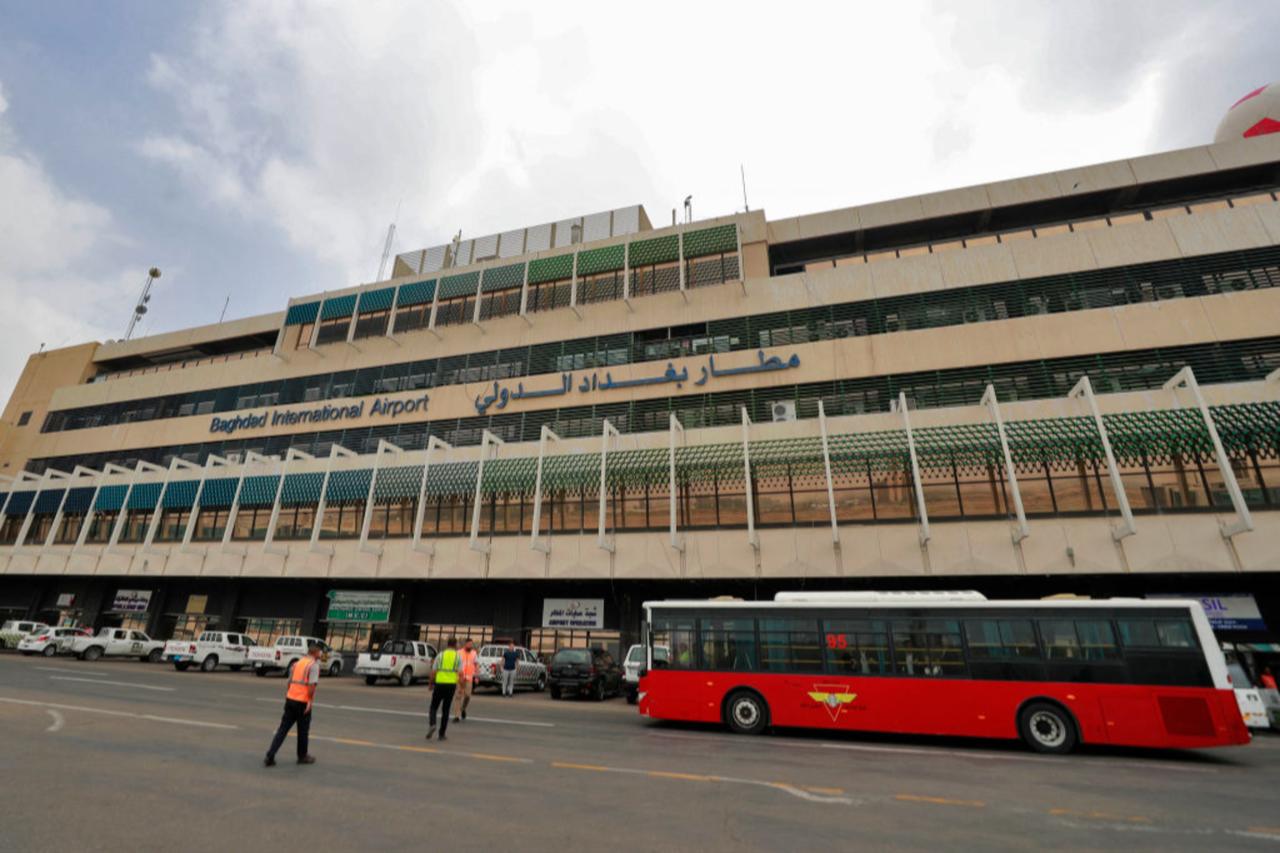
The Saudi summons sharpens a separate but related pressure point: Iraq's role as a staging ground for Iran-aligned militias.
Iraq has dozens of Iranian-backed Shia militia groups formally incorporated into its state security apparatus, known as the Popular Mobilization Forces, that legally fall under the Iraqi prime minister's command but have historically supported Tehran's objectives.
The groups have launched drone campaigns against Gulf and US targets throughout the regional conflict.
Earlier this week, Washington took a parallel step, with US Deputy Secretary of State Christopher Landau summoning Iraqi Ambassador Nizar Khirullah in Washington to condemn drone strikes on US diplomatic facilities in Baghdad carried out by what the State Department described as Iran-aligned Iraqi militias.
Landau emphasized the Iraqi government's failure to rein in the groups, and said Washington would not tolerate further attacks on US interests.
Saudi Arabia's own infrastructure has taken a significant toll during the conflict, with its air defenses intercepting waves of drones and ballistic missiles targeting oil facilities, military bases, and the capital's diplomatic quarter.
French energy major TotalEnergies confirmed that one of its refinery processing units at a Saudi facility was damaged during the fighting, while Saudi oil export capacity was reported to have fallen sharply following attacks on energy infrastructure.


 Set as preferred source
 Set as preferred source


 1 min read
 1 min read