

 Newsletters


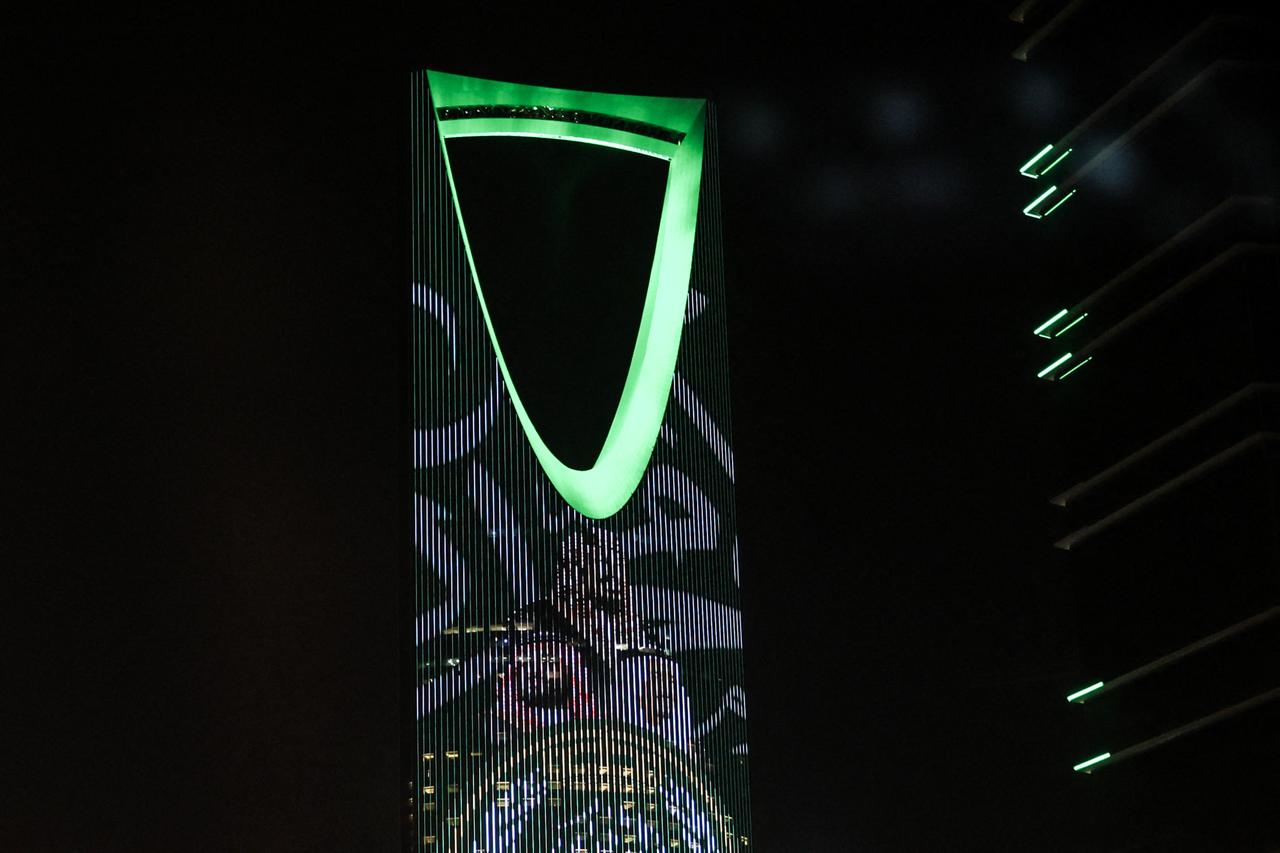


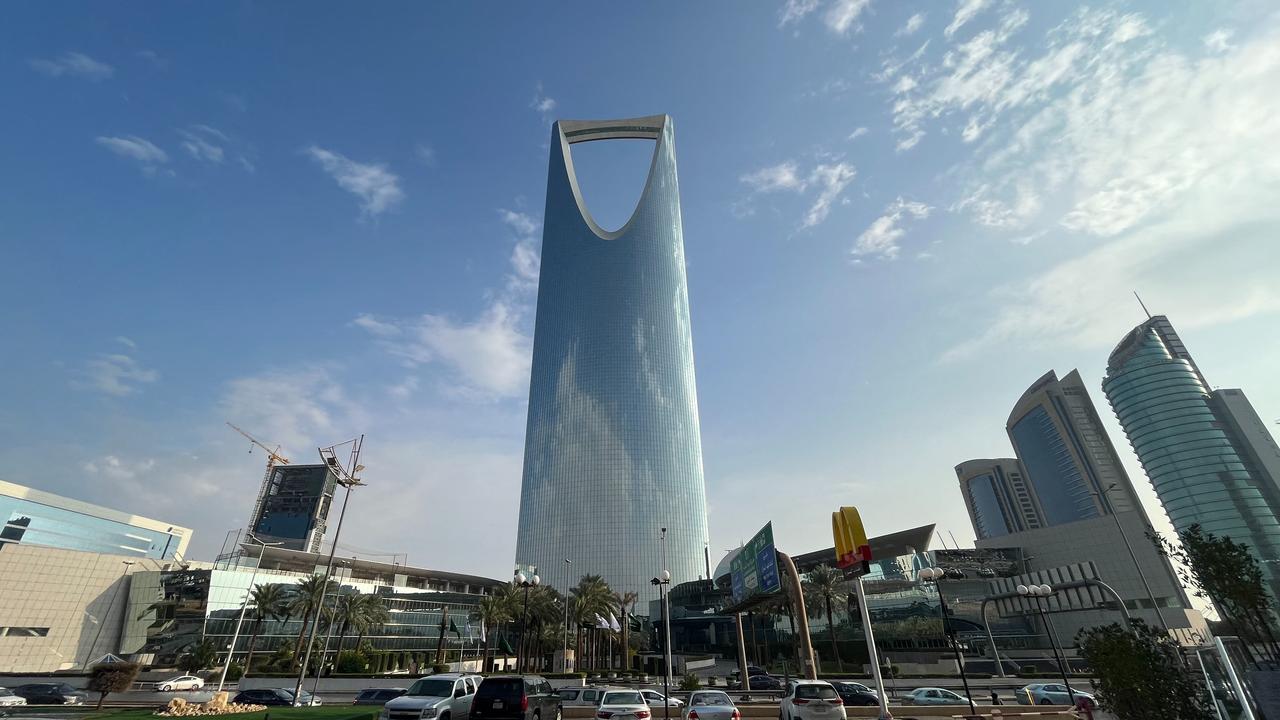
Riyadh's landmark Kingdom Centre skyscraper ordered office tenants to work remotely on Sunday until further notice amid escalating Houthi attacks on Saudi Arabia, while the Saudi-led coalition announced the deaths of two military pilots in a helicopter crash near the Yemeni border.
The 99-story skyscraper in central Riyadh issued a mandatory remote-work directive to all office employees, according to an email seen by AFP.
"Please be advised that remote working arrangements are mandatory for all office employees at Kingdom Centre, effective immediately and until further notice," the building's management said.
"Kindly refrain from attending the offices during this period," it added.
The management did not provide a reason for the decision, but it came a week after a major Houthi attack on Riyadh's King Khalid International Airport killed 13 people.
The airport remains closed, while schools in the Saudi capital have extended remote-learning measures.
Kingdom Centre houses offices for major international organizations and businesses, including financial services company Merrill Lynch, management consultancy McKinsey and the International Monetary Fund.
The shopping mall at the base of the skyscraper remains open.

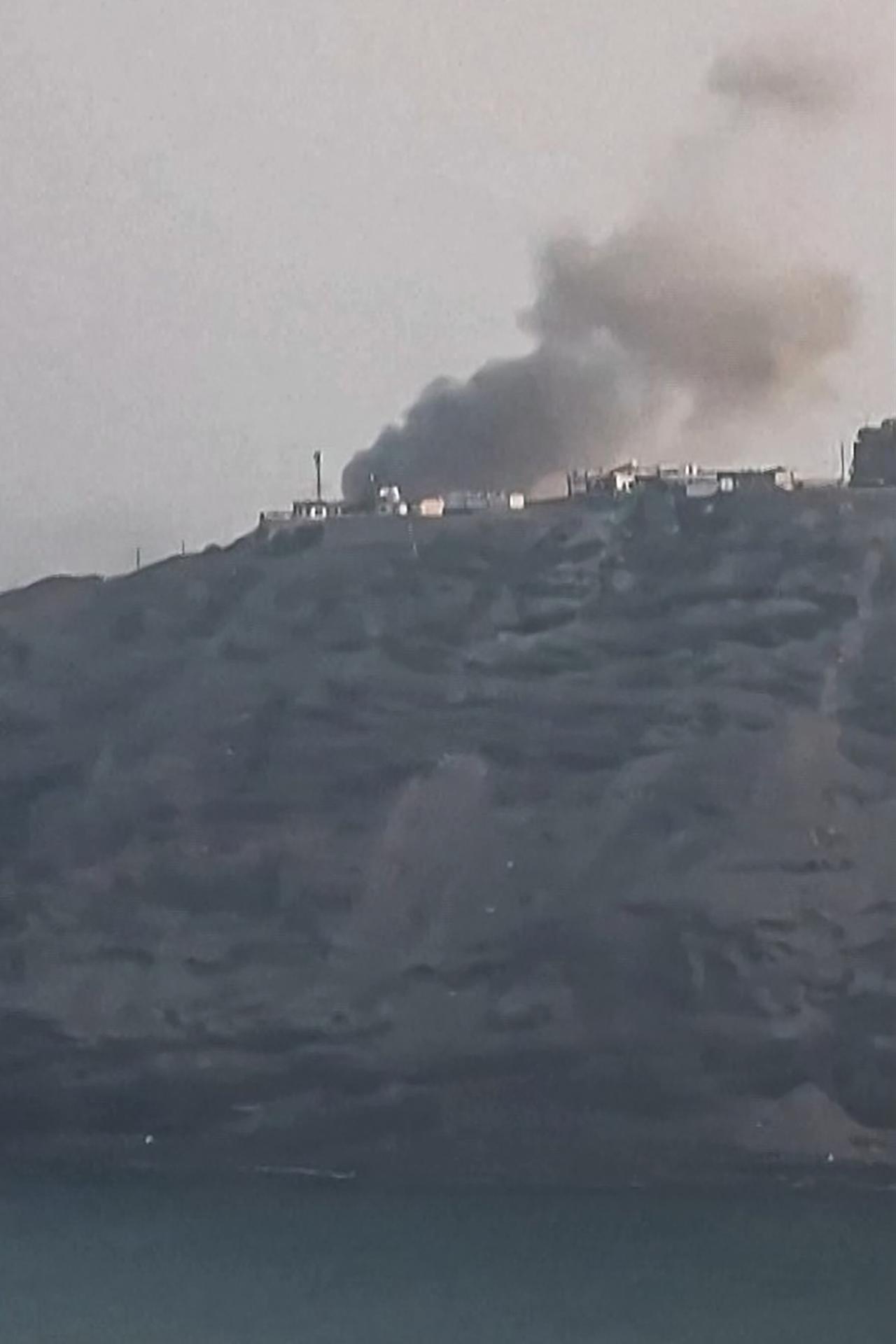
The remote-work order came as the Saudi-led coalition announced that two military officers had been killed in a helicopter crash in Najran, near the border with Yemen.
Coalition spokesperson Turki al-Maliki attributed the crash to a technical malfunction, contradicting a claim by Yemen's Houthi group that its forces had shot down a Saudi helicopter in the area.
"An AH-6i reconnaissance helicopter belonging to the Ministry of National Guard crashed inside Saudi territory in the Najran Region due to a technical malfunction," al-Maliki said, according to the official Saudi Press Agency.
"The accident resulted in the martyrdom of its aircrew, consisting of two officers."
Late Saturday, Houthi military spokesman Yahya Saree claimed that the group had "downed an Apache helicopter belonging to the Saudi enemy" in the same region.
The competing accounts could not be independently verified.
The Saudi-led coalition said early Sunday that its forces had intercepted and destroyed two ballistic missiles launched by the Houthis toward Khamis Mushait in southwestern Saudi Arabia.
Al-Maliki announced the interceptions in a statement on X.
Shortly before the announcement, Saudi Civil Defense issued "potential danger" alerts for Riyadh and the southwestern cities of Abha and Khamis Mushait through its national early-warning system.
Authorities later announced that the danger had passed.
The coalition also reported intercepting drones in the Riyadh region, the oil-rich Eastern Province and southern Saudi Arabia during operations Saturday and overnight.
Al-Maliki said four drones had been intercepted and destroyed over several hours Saturday, while the coalition separately reported two interceptions in the Riyadh area and another over the Eastern Province overnight.
The coalition also released footage it said showed airstrikes destroying two ballistic missile launchers in Saada, northern Yemen, after they had been used to fire missiles toward Saudi Arabia.
The Houthis, meanwhile, said Saudi strikes killed 12 people in Yemen on Saturday, including three children.
The casualty figures and circumstances of the reported strikes could not be independently verified.
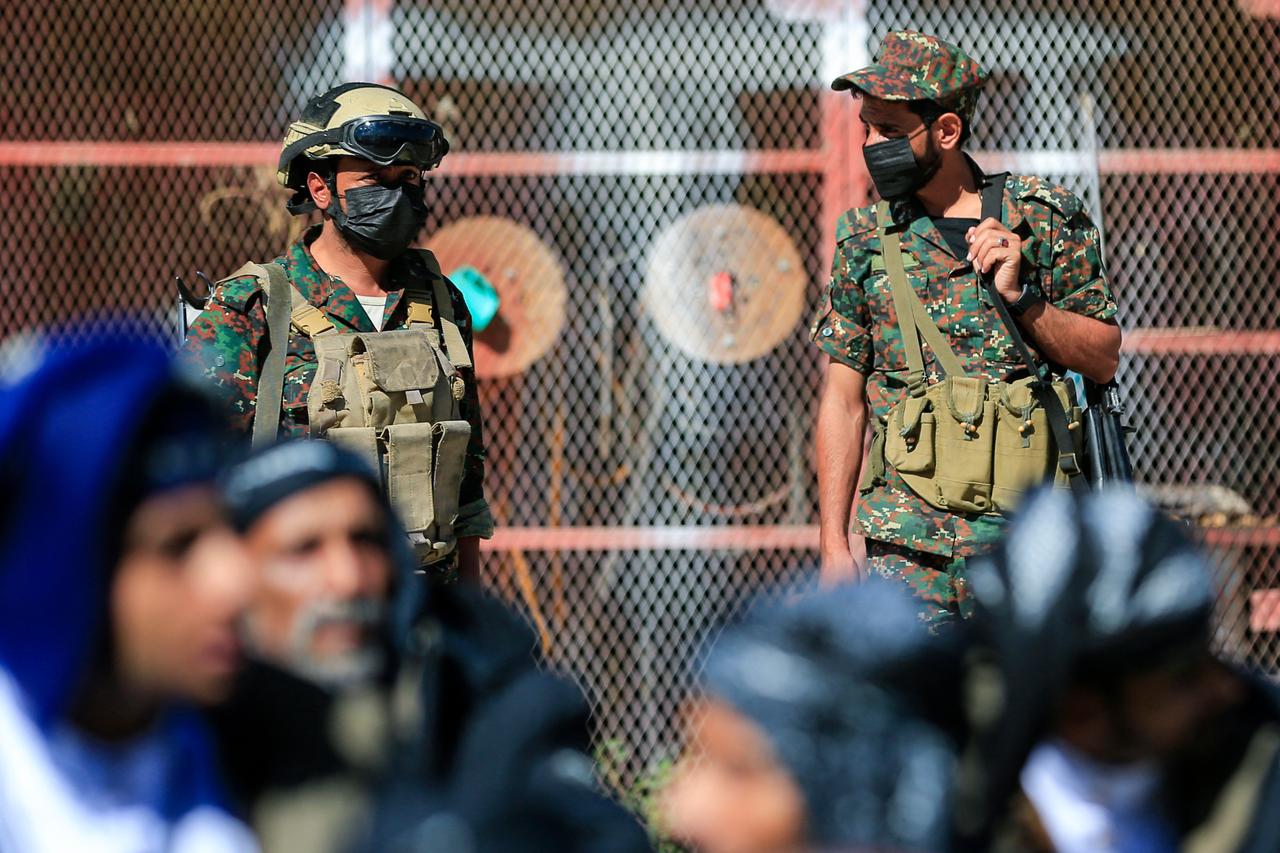
The renewed fighting comes as Yemen's conflict has intensified alongside the U.S.-Israeli war against Iran.
After an uneasy four-year truce, hostilities escalated further when the Houthis seized strategic territory along Yemen's Red Sea coast last month.
The group has targeted Saudi oil facilities, tankers in the Red Sea and civilian aviation infrastructure, including Riyadh's international airport.
The Saudi-led coalition, which supports Yemen's internationally recognized government, has responded with repeated airstrikes against Houthi-held territory.
The Houthis have also declared a maritime blockade on Saudi Arabia and captured territory around the Bab al-Mandeb Strait.
The narrow waterway connects the Red Sea with the Gulf of Aden and has become increasingly important for Saudi oil exports amid Iran's blockade of the Strait of Hormuz.
The Red Sea is also a major international shipping route linking Asia and Europe through Egypt's Suez Canal.
The escalating attacks have prompted Egypt to consider providing defensive assistance to Saudi Arabia.
Egypt's parliament was scheduled to hold an emergency session Sunday after President Abdel Fattah el-Sisi asked lawmakers to authorize support for the kingdom against Houthi attacks.
Sisi said Saturday that Egypt was prepared to "carry out any measure to protect" Saudi Arabia if its leadership requested assistance.
"I'm not talking about fighting anyone or attacking anyone," he said. "We are speaking only about defence."
His remarks came as Houthi attacks on Saudi territory raised concerns about regional security and the protection of critical infrastructure.
Saudi Arabia has led a military coalition supporting Yemen's internationally recognized government since March 2015.
The intervention followed the Houthis' seizure of the capital, Sanaa, in September 2014 and their subsequent expansion into other parts of the country.
The conflict has intensified since July 2026, with attacks increasingly targeting civilian aviation facilities, energy infrastructure and shipping routes.
The renewed escalation has added to wider regional instability linked to the U.S.-Iran conflict, with Saudi Arabia facing continued threats to its territory and vital oil export infrastructure.


 Set as preferred source
 Set as preferred source


 1 min read

 1 min read


