Newsletters


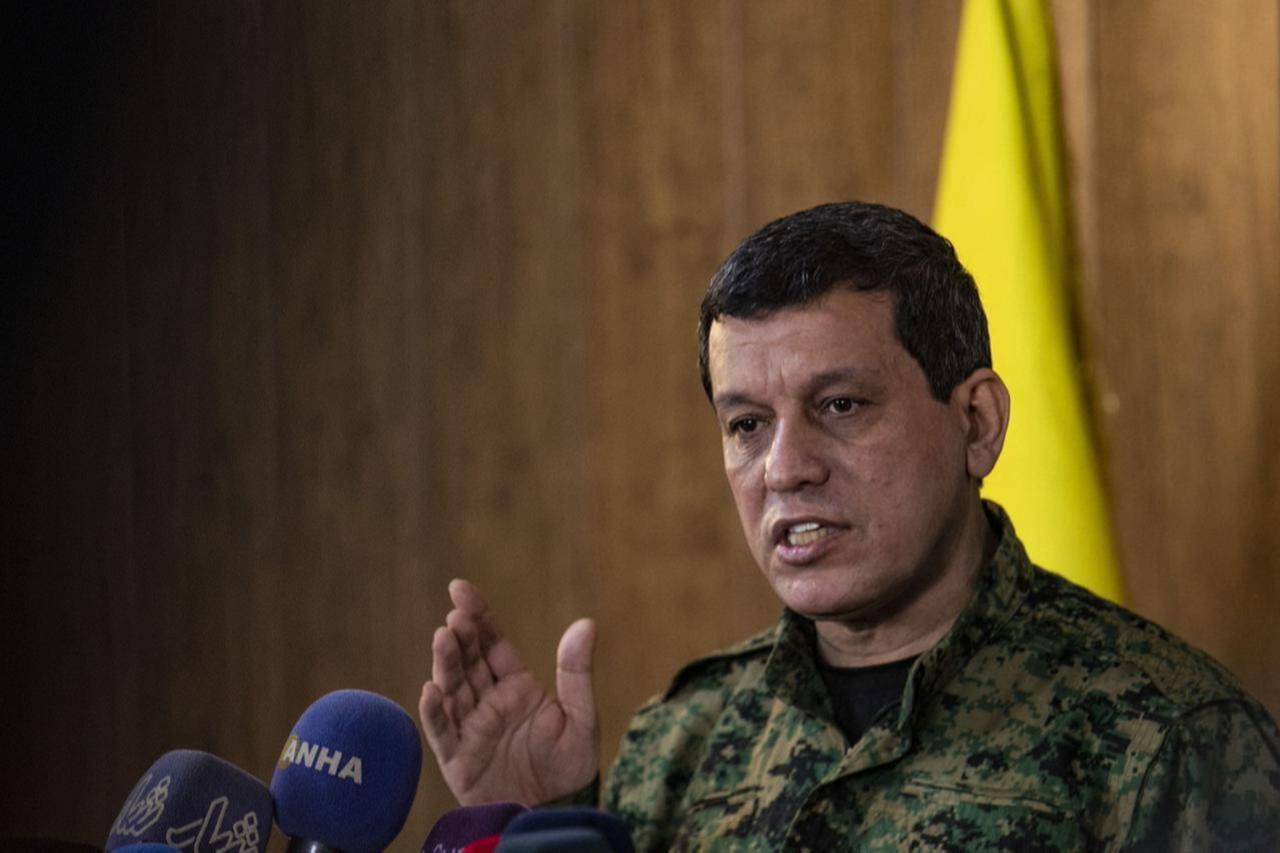


Following the expiration of the March 10 agreement’s deadline between the Syrian government and the YPG-dominated Syrian Democratic Forces (SDF), both sides held another round of negotiations in Damascus.
Despite American mediation, the meeting failed to produce any tangible outcome and once again highlighted the shortcomings of U.S. mediation efforts in Syria.
While both sides agreed to reconvene once more to discuss the implementation of the March 10 agreement, the gap between their positions remains far too wide for a deal in the near term.
The SDF has effectively backtracked from the original agreement and is now pursuing an agenda aimed at preserving all of its gains in Syria: maintaining control over Arab-majority territories, retaining oil revenues, and preventing the Syrian army from entering northeastern Syria.
In return for transforming itself into an “army within the army” and imposing territorial limits on the presence of non-SDF Syrian military units, the SDF demands that Damascus agree to decentralization for Syria’s coastal regions and for Sweida as well.
In essence, the SDF is offering Damascus a “Treaty of Versailles.” The posture it has adopted could be logical in a scenario in which a war took place, the SDF emerged victorious, and it is now imposing its political vision on all of Syria—irrespective of the will of the Syrian people or the positions of external stakeholders.
Reality, however, points in the opposite direction. The SDF’s control over northeastern Syria is fragile and persists largely at the discretion of Damascus and Ankara. Both capitals have extended an olive branch and preferred a peaceful resolution. Yet the SDF—emboldened by Israeli policies and misreading the implications of the PKK disarmament process—appears trapped in a self-inflicted delusion.
The only actor capable of puncturing this illusion is the United States. Washington has continued to mediate between Damascus and the SDF but has repeatedly failed to facilitate a workable agreement. The core reason for this failure lies in the American approach itself.
The United States continues to treat the SDF as an equal counterpart to Damascus in negotiations while simultaneously financing and enabling its continued control over northeastern Syria. There have been no costs to the SDF for not being constructive in the negotiations.
If the United States genuinely seeks a peaceful resolution between the SDF and the Syrian government, it must fundamentally recalibrate its relationship with the SDF. If it fails to do so, Ankara and Damascus are likely to take matters into their own hands.


 Set as preferred source
 Set as preferred source


 1 min read
 1 min read