

 Newsletters


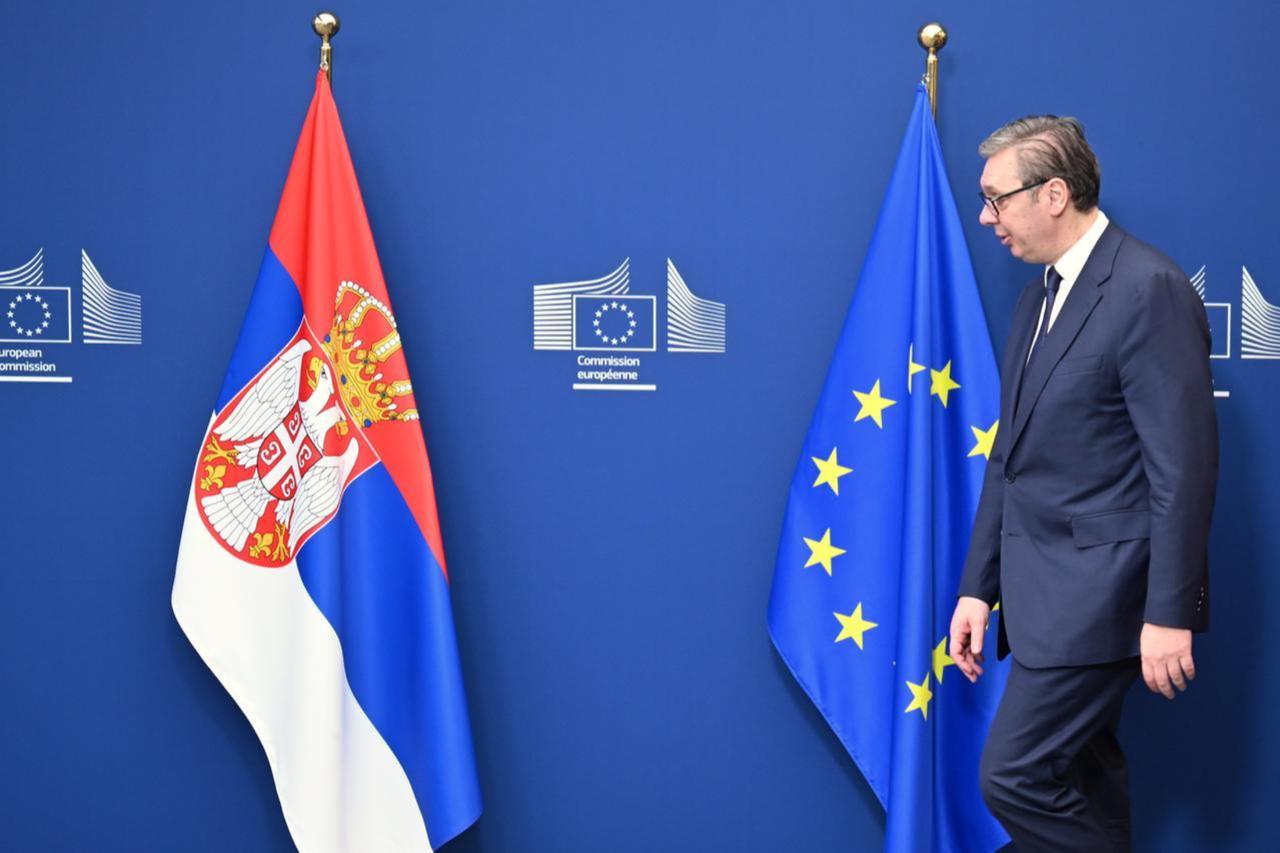


Serbian President Aleksandar Vucic announced significant military expansion plans and warned of growing security threats in southeastern Europe following a National Security Council meeting on Sunday declaring that international law exists "only on paper" as global order deteriorates.
The council, chaired by Vucic, addressed three primary issues: regional military and political security, energy security, and the recent U.S. action in Venezuela. The president outlined plans to double Serbia's military capacity within 18 months while expanding special forces units by 700 to 800 personnel.
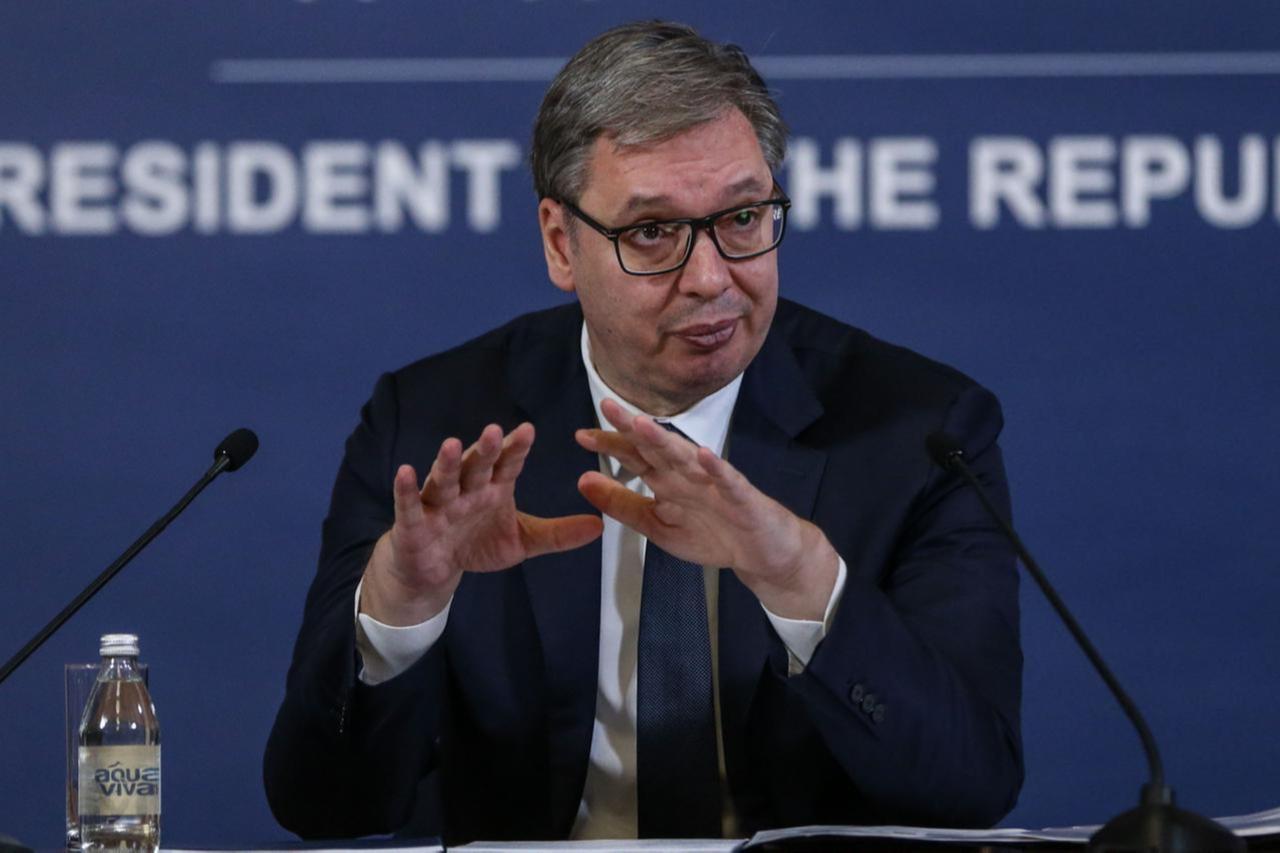

Serbia faces mounting security challenges as major Western powers and Türkiye have effectively suspended UN Security Council Resolution 1244, according to Vucic, enabling what he described as the accelerated armament of Pristina contrary to the UN Charter.
"Resolution 1244 has been de facto suspended, although not de jure, by major Western powers and certain regional players such as Türkiye," Vucic stated. "We are particularly concerned about the further arming of Pristina, contrary to the UN Charter."
The president expressed alarm over the formation of an alliance between Pristina, Tirana, and Zagreb that includes joint development of combat systems ranging from four-by-four vehicles to more sophisticated weaponry. He characterized this alliance as a direct threat to Serbia's territorial integrity and sovereignty.
"We are aware of the complexity of the position our country has in the southeastern Europe region," Vucic said. "That complexity will become more pronounced, especially considering that the old world order is collapsing and no rules apply anymore."
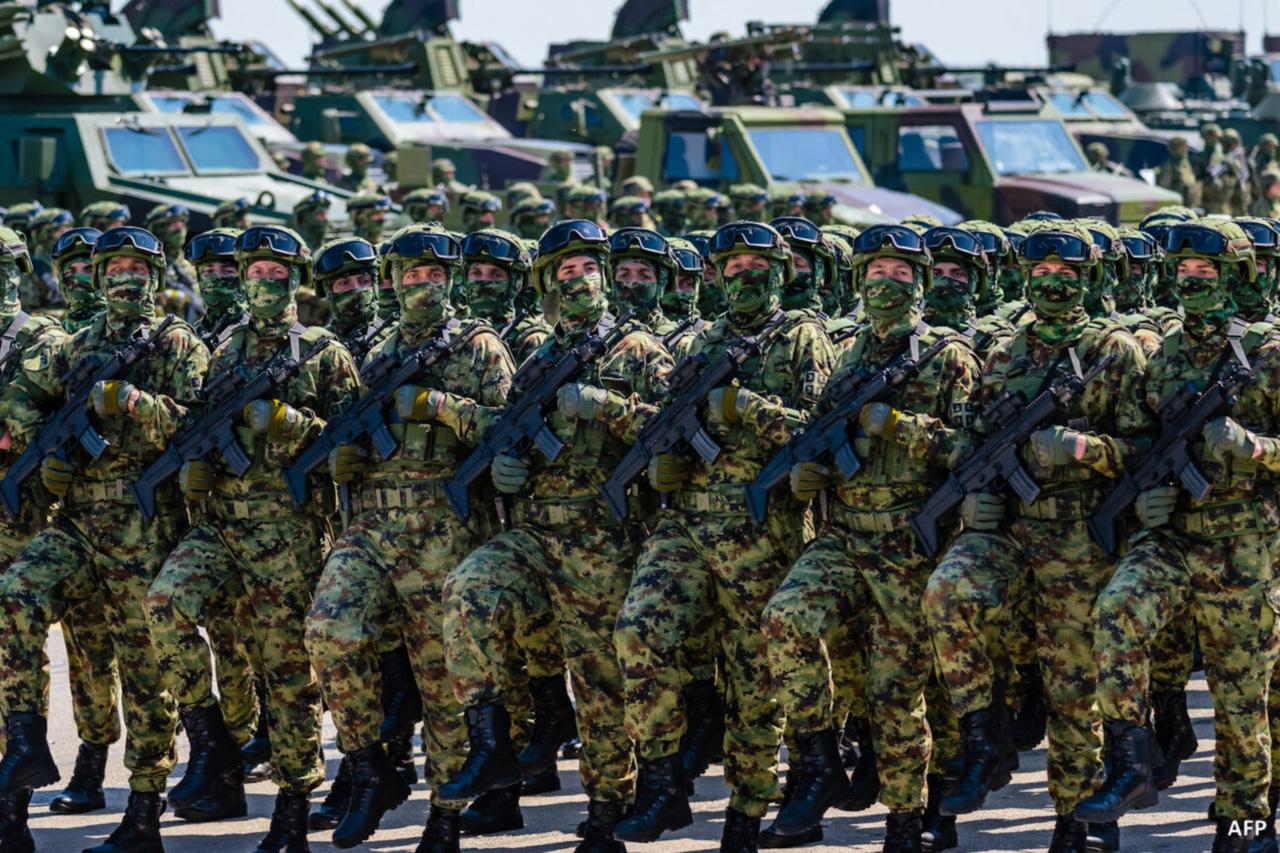
Serbia's response includes doubling military capacity within the next year and a half, with human resources increasing by 30 percent. Special forces units will receive improved working and living conditions alongside other police units including the Gendarmerie, SAJ, and brigade. The country will also invest in its military industry and significantly increase reserves of ammunition, food, water, and fuel.
"Our strength will be a sufficient factor, and what we have set as our first goal, preserving peace and stability in Serbia, we will succeed in achieving," Vucic emphasized, noting that Serbia's current defensive capabilities exceed those of potential regional aggressors.
"We must rely on ourselves," Vucic declared. "If they come from the region against us, no one will help us. The U.S. and great powers will not attack us. Those from the region have done this armament on someone's orders, and it has happened before that they turn from defensive to offensive. That's why we must be prepared."
On energy security, Vucic announced that Serbia expects the first 85,000 tons of crude oil to arrive by January 15, with the refinery operational by January 17-18 and producing petroleum products by January 25-26. The country has continued operating without oil deliveries through the JANAF pipeline for approximately 90 days.
Sanctions remain in effect against NIS and Chinese company Linglong, which employs 1,300 to 1,400 people in Serbia. Vucic called on Gazprom leadership, NIS, and Hungarian officials to complete a purchase agreement as soon as possible to enable Serbia to exit the sanctions regime.
The president highlighted that Serbia has been building new storage facilities over the past two years, ensuring adequate reserves of electricity, gas, and petroleum products. He credited government intervention with maintaining supplies despite the disruption, noting that citizens never faced shortages at fuel pumps.
Vucic also addressed the creation of a U.S. agency for American dominance in global energy, operating under the White House, which he said would work worldwide to displace competitor countries, primarily China and Russia, including in Serbia.
 1 min read
Regarding Venezuela, Vucic stated Serbia's position clearly supports international law while seeking friendship with the United States and all countries. He characterized the U.S. action as a clear violation of international public law and warned against the dominance of domestic legislation over international legal norms.
"It is completely clear that the international public legal order and UN Charter do not function at all," Vucic said. "The right of force dominates in the world, the right of the stronger, whoever is stronger oppresses, and that is the only principle of contemporary politics that exists in the world today."
The president noted that only three Latin American countries, namely Argentina, Ecuador, and Panama, supported the U.S. move, while major powers including Mexico and Brazil strongly opposed American intervention. He instructed the Ministry of Foreign Affairs, Security Information Agency, and Military Intelligence Agency to analyze the new American national security strategy.
Vucic emphasized Venezuela's historical support for Serbia on Kosovo and Metohija issues, expressing hope for the Venezuelan people's recovery while acknowledging the difficulty ahead. He drew parallels to Serbia's experience, mentioning the 1999 NATO intervention and the 2001 arrest of former Yugoslav President Slobodan Milosevic on Vidovdan as examples of national humiliation.
Russia's response to the Venezuela situation was described as expected and appropriate given Moscow's other conflicts. Vucic stated that Russia would present its position in the Security Council but emphasized that Serbia cannot expect military assistance from any external power.
The president concluded by asserting that Serbia must depend on its own strength, with a strong economy as the foundation for national security and confidence. He expressed pride in Serbia's ability to withstand what he described as significant external interference over the past year, predicting electoral victories for his Serbian Progressive Party in upcoming local elections in Nis and Novi Sad.


 Set as preferred source
 Set as preferred source


 1 min read



