Newsletters





Serbian President Aleksandar Vucic said Tuesday that the country’s main oil refinery, operated by Russia’s Gazprom Neft through the Petroleum Industry of Serbia (NIS), will shut down after failing to secure a US license needed to continue operating under sanctions.
Since Oct. 9, the NIS refinery has been unable to receive crude oil after being targeted by sanctions as part of Washington’s broader effort to curb Russian energy revenues following the invasion of Ukraine.
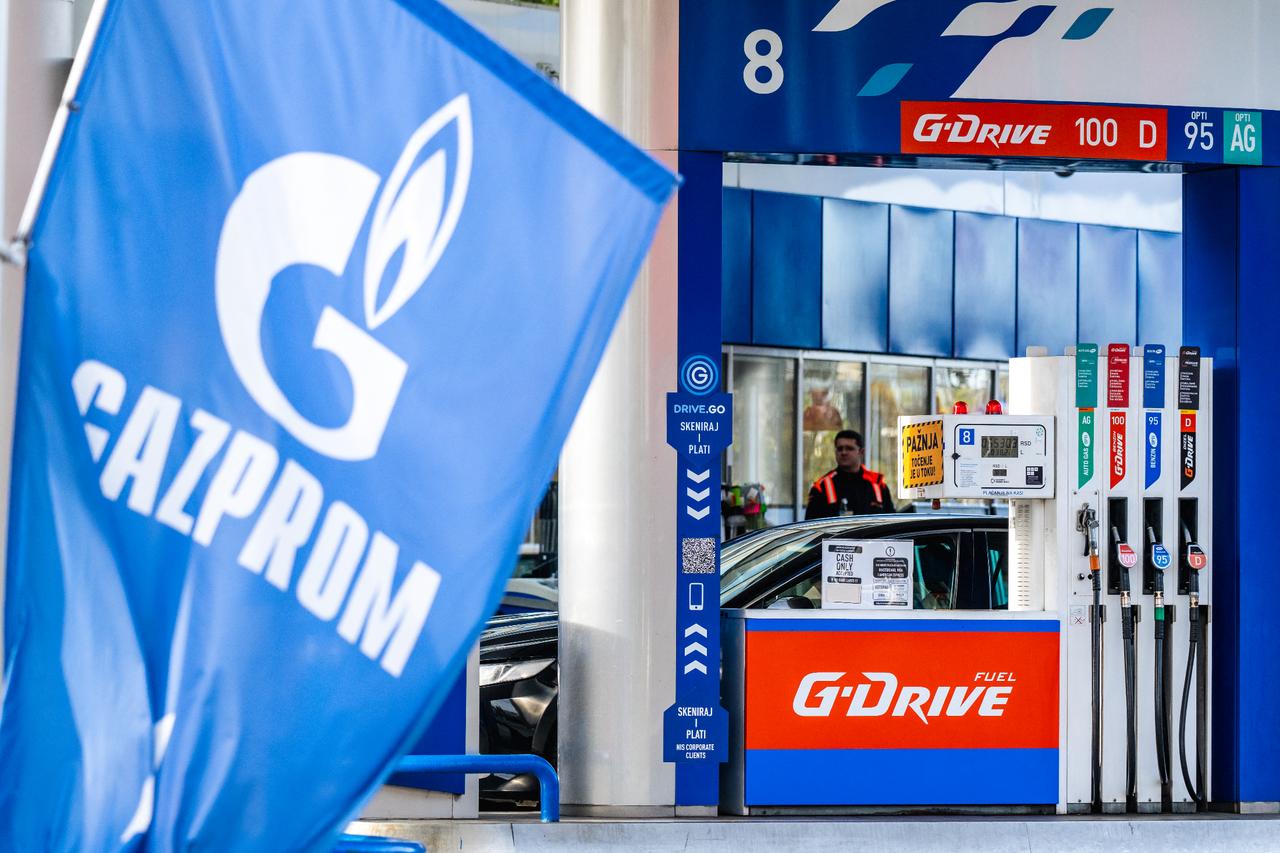
The company said Tuesday that the shutdown process at its Pancevo refinery had begun, though it will continue to supply fuel from existing stockpiles.
Speaking after a meeting in Belgrade with officials overseeing Serbia’s energy security, Vucic confirmed the decision to halt operations. He said that Serbia’s request for a U.S. license to allow the refinery to continue operating was rejected.
“I am disappointed. We have decided that the refinery will end its operations, but we also agreed that salaries and similar payments will be settled by the weekend. The refinery will determine the timing of the shutdown,” Vucic said.
He noted that existing fuel reserves would cover national needs until the end of the year and said Serbia hopes to finalize a new gas agreement with Russia by the weekend. If that fails, negotiations for alternative arrangements will begin Monday.
Vucic said NIS will be allowed to access payment services for the rest of the week to pay employees and settle with suppliers.
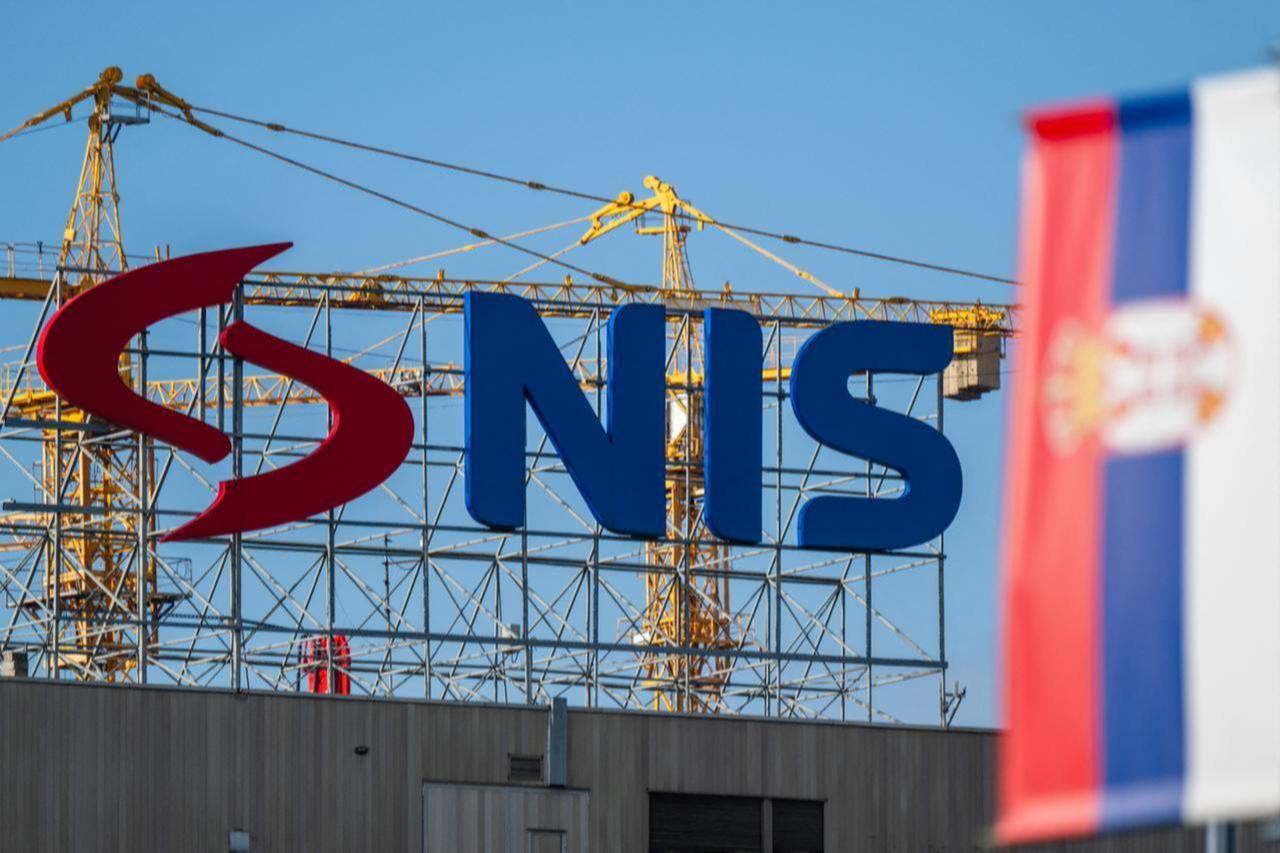

However, he warned that maintaining NIS’s financial links with the government could risk “secondary sanctions and the complete destruction of the Republic of Serbia’s financial system.”
The National Bank of Serbia last week expressed concerns over potential exposure to secondary measures.
NIS supplies about 80% of the country’s fuel, according to the Trade Ministry. Belgrade is awaiting Washington’s response to a request for a reprieve from sanctions as negotiations continue between the Russian shareholders and potential buyers.
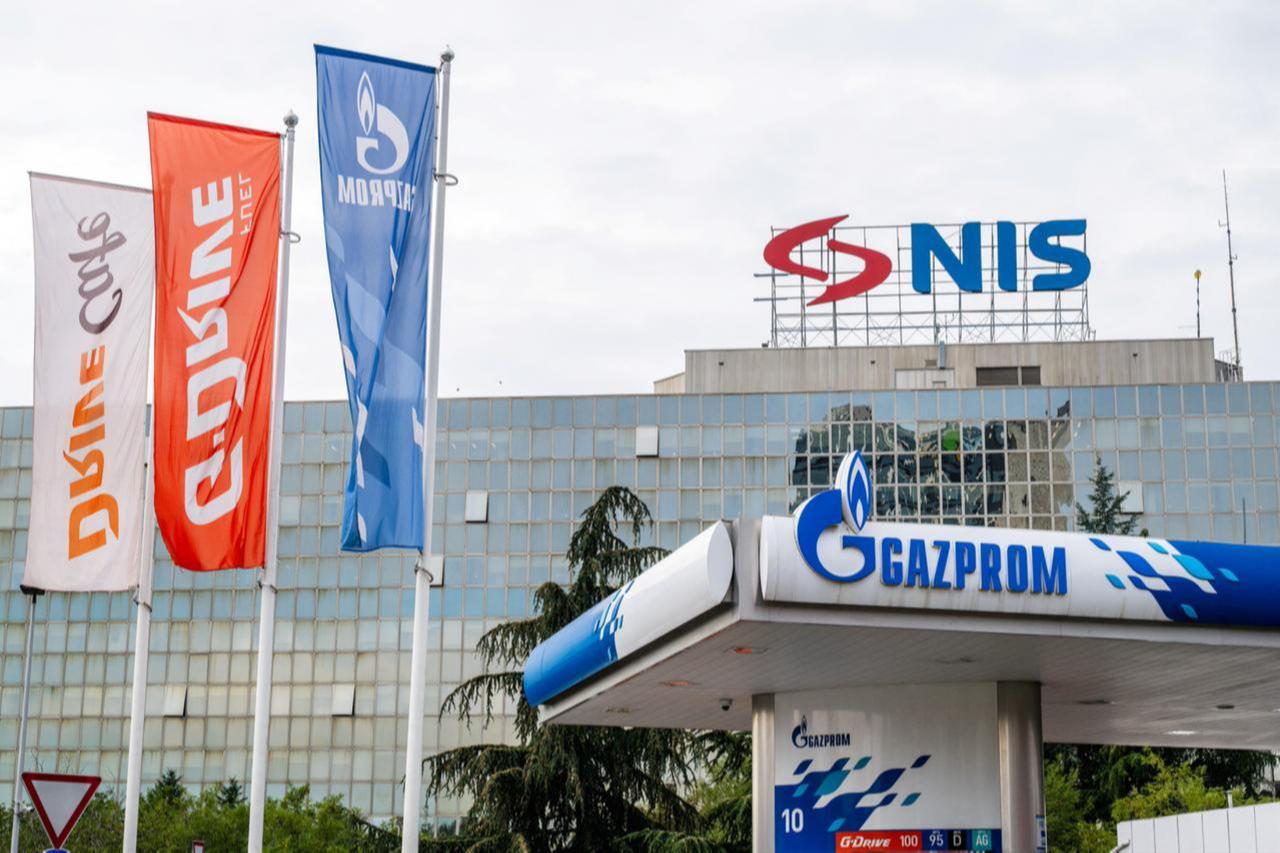
“We cannot mislead our Russian partners, and we do not wish to mislead anyone with false good news, because such good news from Washington simply does not exist,” Vucic said.
He had previously set a 50-day deadline for the sale of NIS, with potential bidders from Hungary and the United Arab Emirates, to meet U.S. demands for Russia to divest from the company.
As talks drag on, officials have hinted at a possible state takeover despite earlier reluctance due to Serbia’s close ties with Moscow.
Parallel negotiations on gas supplies are also underway with Russia, which provides around 90% of Serbia’s gas. The current contract expires at the end of December. Vucic said that if a new deal is not reached by Friday, Serbia will begin seeking alternatives.
On Jan. 10, the U.S. Treasury Department announced new measures aimed at reducing Russia’s energy revenues in coordination with G7 partners, adding Gazprom Neft, Surgutneftegas, and their subsidiaries, including NIS, to its sanctions list.
Belgrade had requested multiple delays, saying it needed more time to implement changes required by Washington. Serbia ultimately received nearly a year of extensions before the current deadline expired.


 Set as preferred source
 Set as preferred source


 1 min read
 1 min read