Sign in
 Newsletters


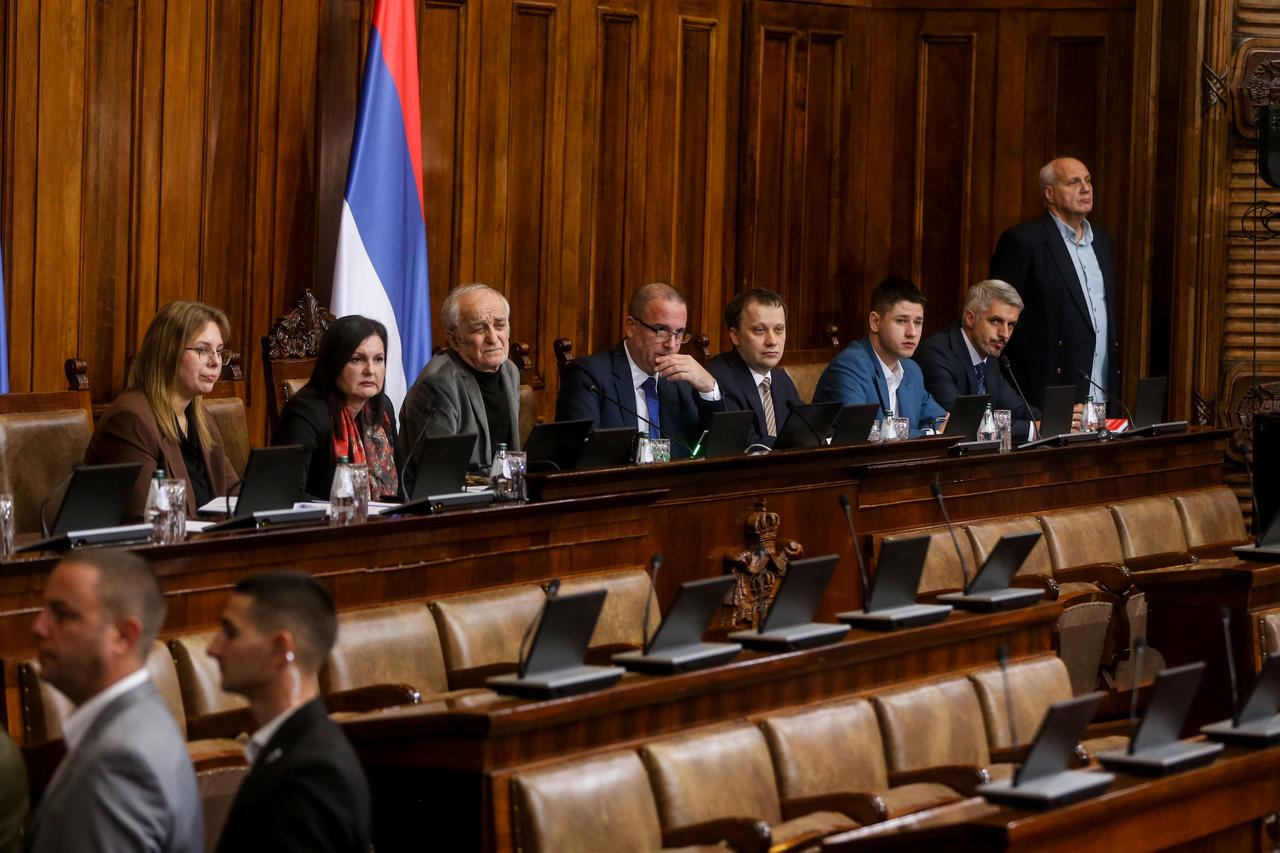
Serbia's student-backed movement formally entered parliament Tuesday, taking a majority of seats in the country's National Assembly following a historic election victory that ended 14 years of political dominance by Aleksandar Vucic's Serbian Progressive Party (SNS).
The inaugural parliamentary session in Belgrade marked the first formal step toward establishing a new government after the Students' List secured 140 seats in the 250-member assembly in the Oct. 25 snap election.
All 250 newly elected lawmakers had their mandates verified before taking the oath of office.
The SNS-led coalition, headed by former President Vucic, holds 103 seats, while minority parties secured the remaining seven.
"Today you witnessed the first day of liberating our institutions, a process that is not easy," Students' List lawmaker and University of Belgrade sociology professor Jovo Bakic told reporters after the opening session.
The newly elected lawmakers include academics, professionals and activists, many of whom have little or no previous political experience.
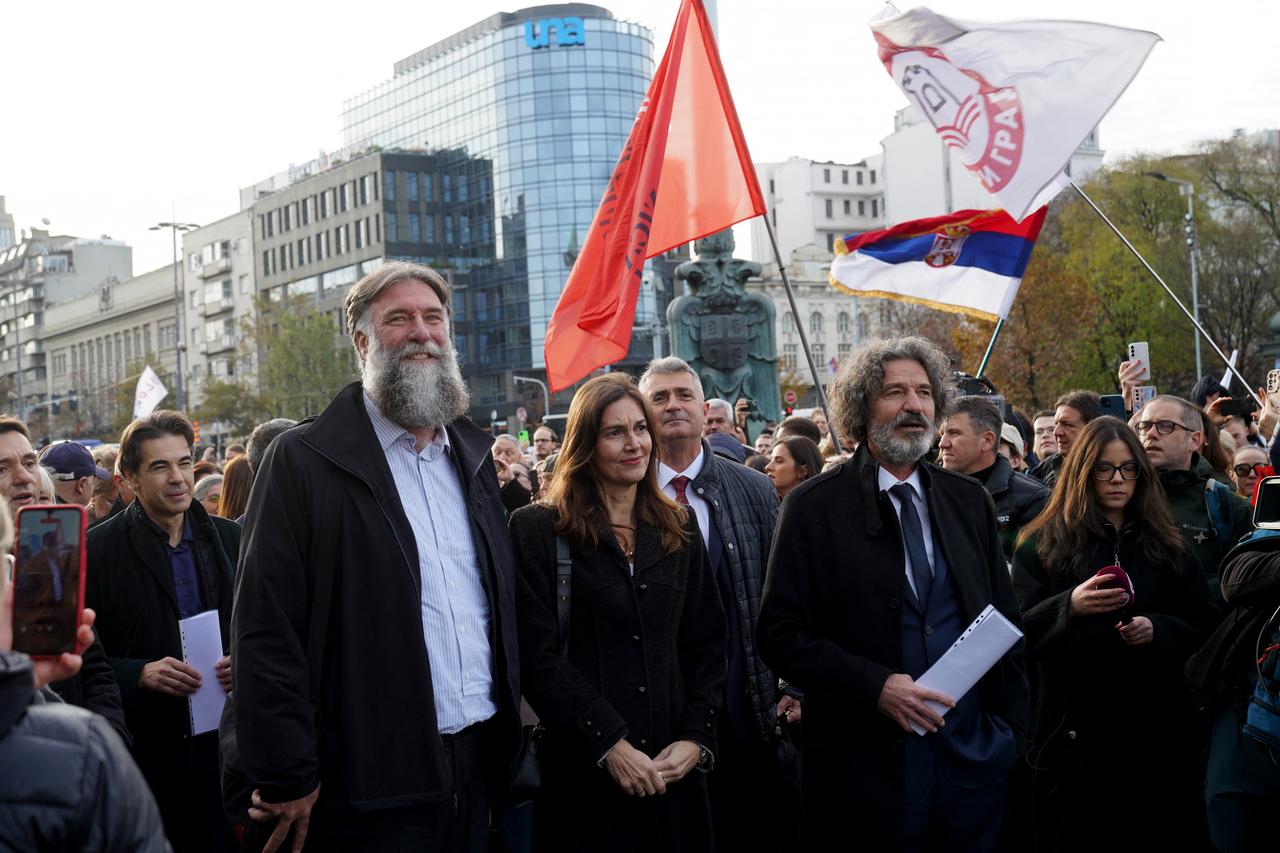

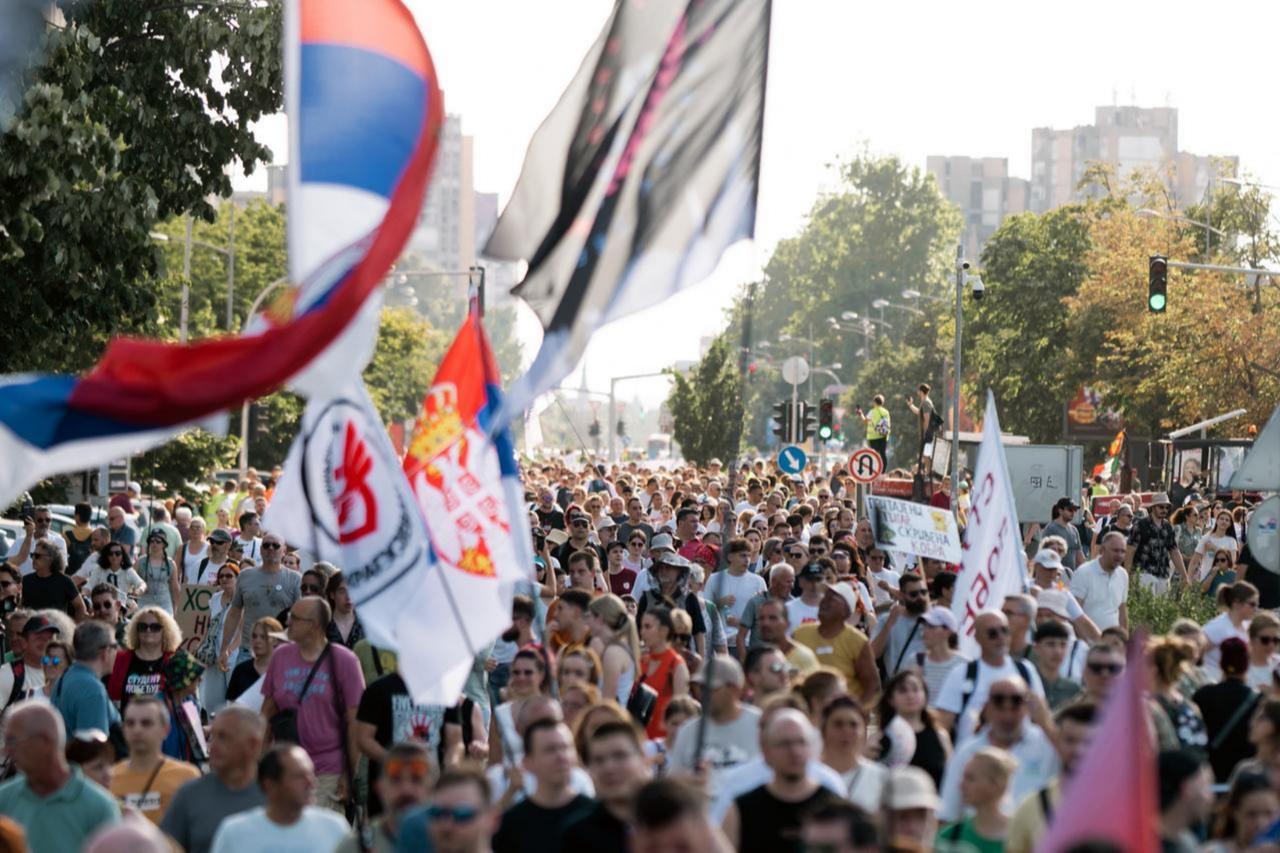
The movement's electoral victory followed nearly two years of student-led demonstrations sparked by the collapse of a railway station canopy in the northern city of Novi Sad on Nov. 1, 2024, which killed 16 people.
The disaster, widely blamed on corruption, triggered Serbia's largest protest movement since the overthrow of Slobodan Milosevic in 2000.
What began as student demonstrations against corruption and government accountability eventually developed into a broader political movement that challenged the SNS, which had governed Serbia since 2012.
Campaigning on a platform of restoring the rule of law, strengthening democratic institutions and combating corruption, the student-backed list secured enough seats to form a government without coalition partners.
Hundreds of supporters gathered outside parliament Tuesday to welcome the new lawmakers, applauding and chanting slogans associated with the protest movement.
Some carried banners wishing the newly elected representatives success, while SNS lawmakers were met with boos and jeers.
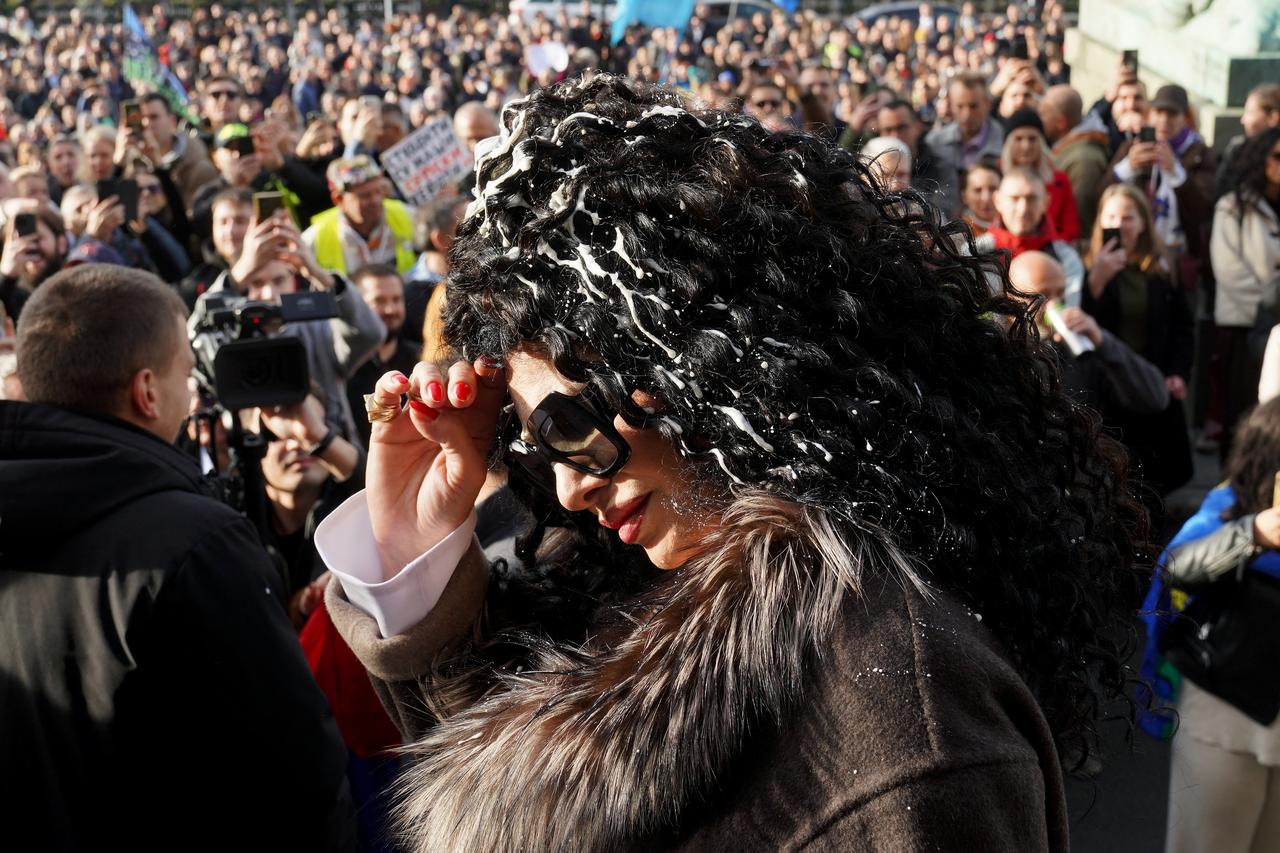
In one incident, a woman in the crowd poured yogurt over an SNS lawmaker as she approached the parliament entrance.
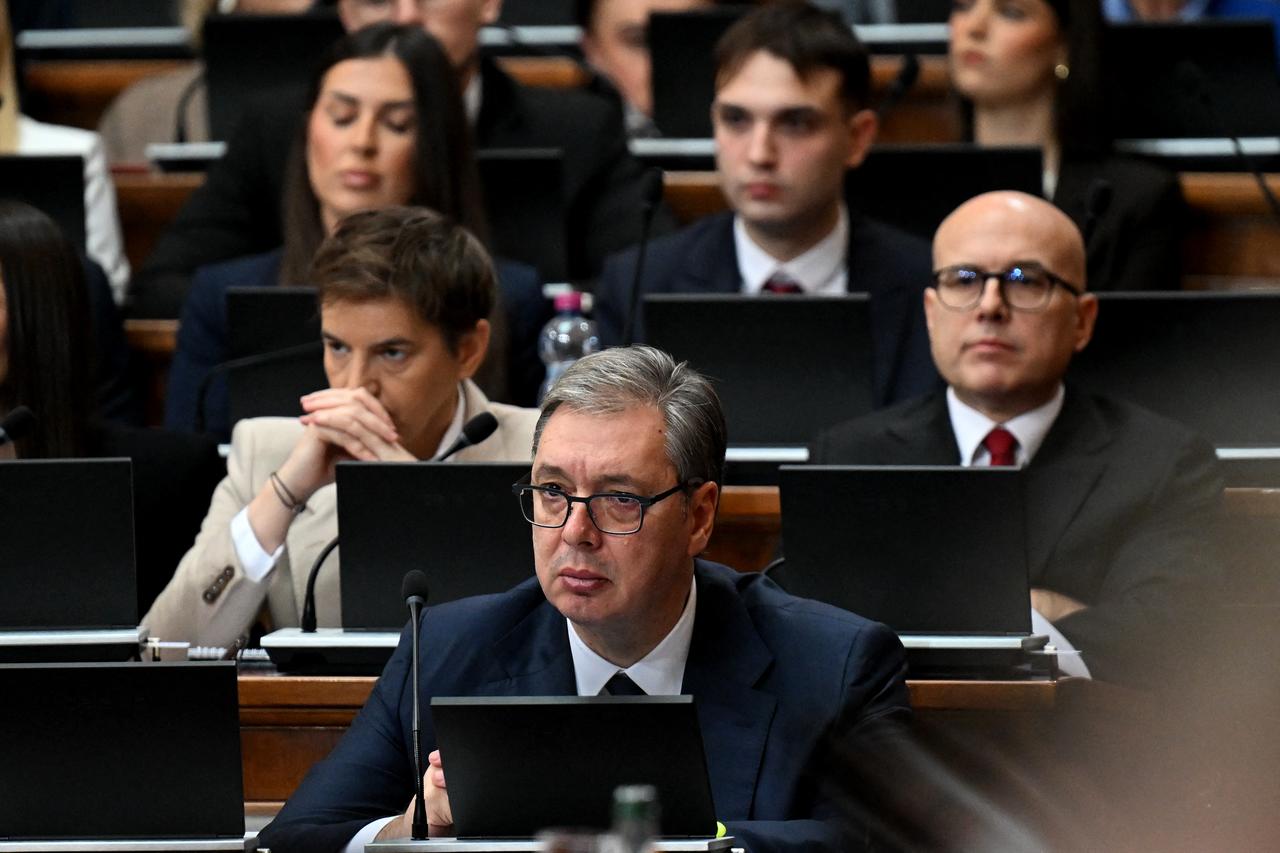
Vucic, who resigned as president before the election, also took his seat in parliament as an opposition lawmaker.
"You have nothing to offer the citizens of Serbia. You cannot offer them a better life," Vucic said during the parliamentary debate.
Despite its parliamentary majority, the Students' List must complete several institutional steps before assuming executive power.
The National Assembly must elect a speaker and other parliamentary officials before approving a new government.
Lawmakers have 90 days from the inaugural session to appoint a prime minister, approve a government program and form a Cabinet.
The movement has pledged wide-ranging reforms, including improvements to healthcare and education, stronger democratic institutions and a doubling of Serbia's defense budget.
Its government will also face major foreign policy challenges, including balancing Serbia's traditionally close relations with Russia against its longstanding ambition to join the European Union.
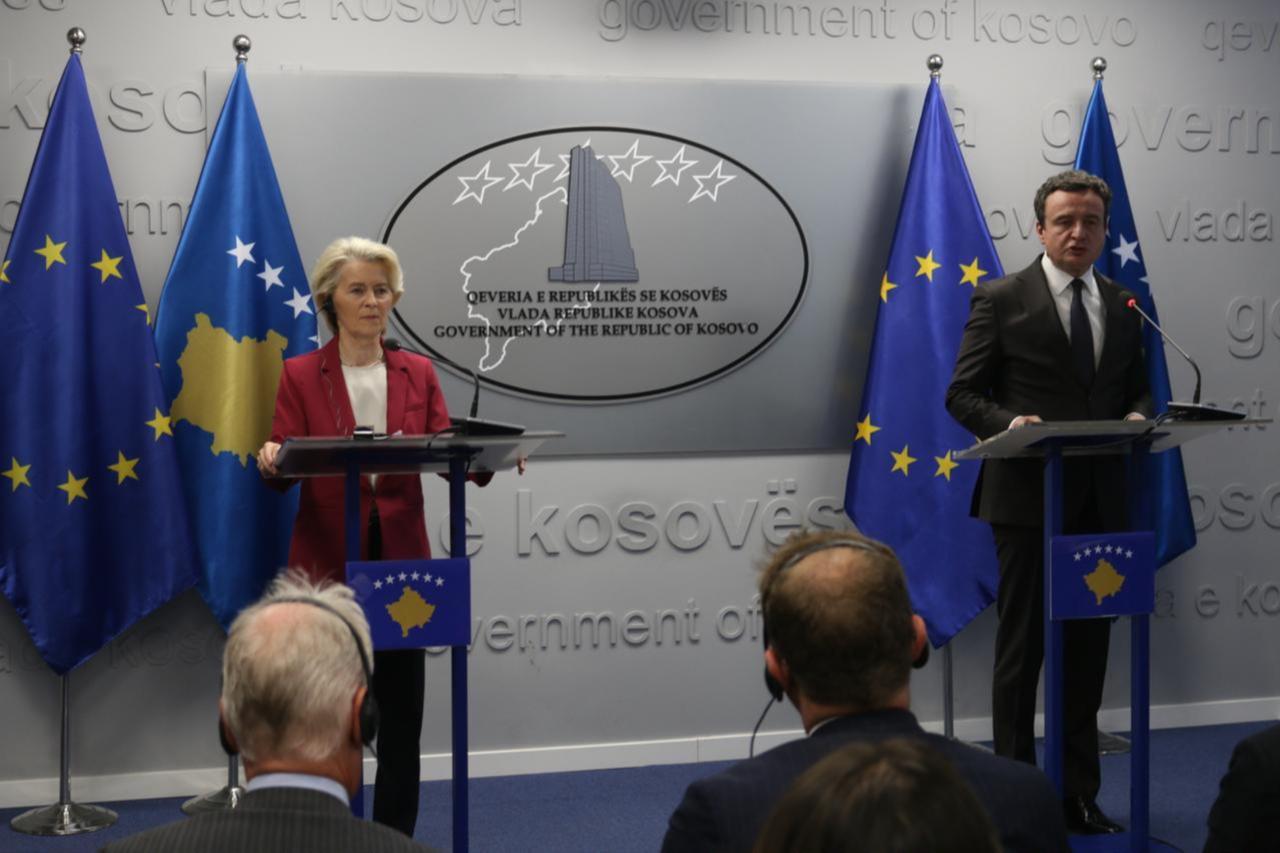
Relations with Kosovo, whose 2008 declaration of independence Belgrade does not recognize, will remain another significant issue.
The election of a new parliamentary speaker will also determine who serves as acting president following Vucic's resignation in September.
Vucic cut short his second presidential term before the parliamentary election, in which he sought to return to political office as prime minister.
Under the electoral timetable, a snap presidential election must be called by Nov. 27 and held by Dec. 27.
Both the student-backed movement and the SNS are expected to field candidates.
Vucic, however, is constitutionally barred from seeking another presidential term because of the country's two-term limit.
For the student-backed movement, Tuesday's session marked the transition from nearly two years of street protests to parliamentary politics, with the formation of a new government now its next major test.


 Set as preferred source
 Set as preferred source


 1 min read

 1 min read