Newsletters


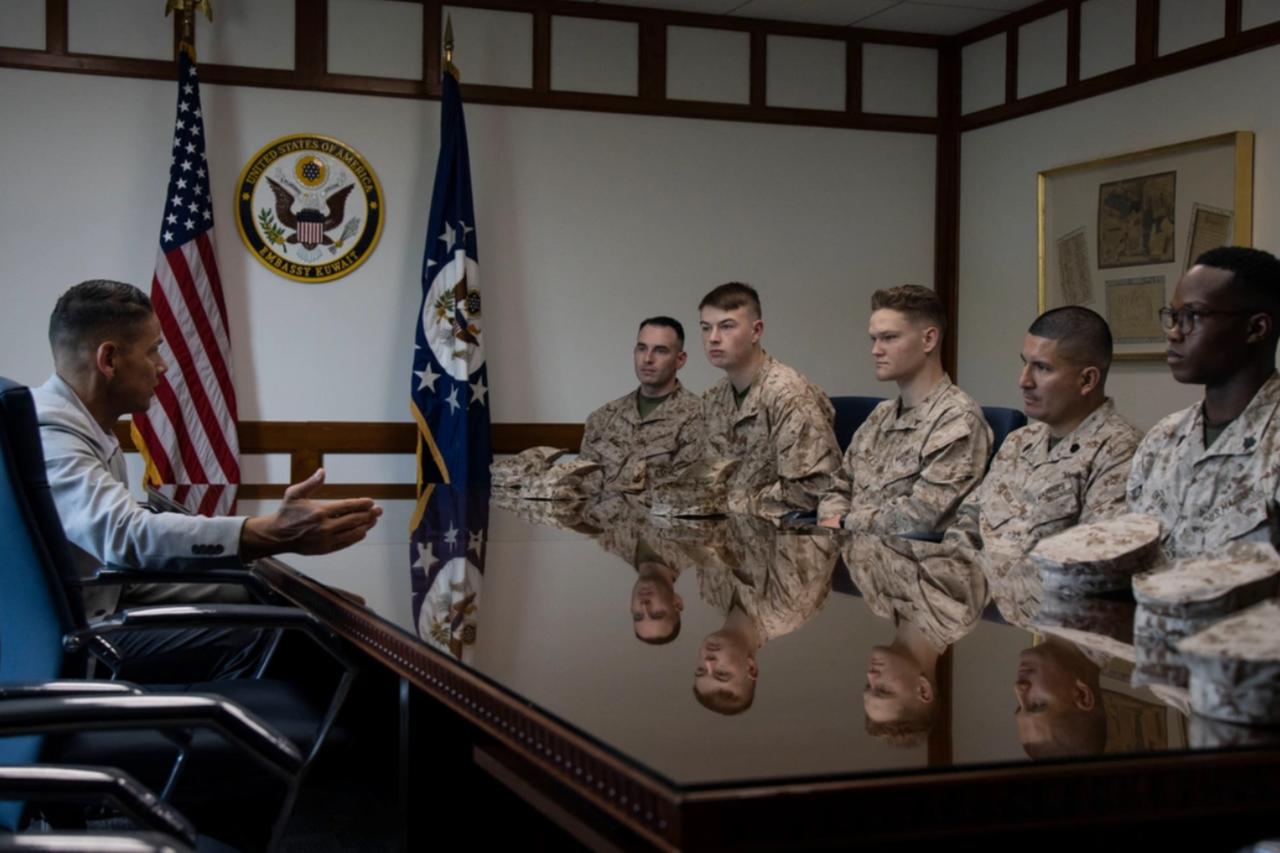


The United States has formally suspended operations at its embassy in Kuwait City, the State Department announced on Thursday, as air raid sirens continued to sound across the Gulf state and the conflict between the US, Israel and Iran entered its sixth day.
The move comes as a significant escalation in Washington's diplomatic drawdown across the Middle East, where multiple American missions have shuttered or scaled back amid sustained Iranian retaliatory strikes on Gulf countries hosting US military assets.
"The safety of Americans abroad remains the highest priority of the U.S. Department of State," the department said in a media note issued March 5, adding that no injuries to US personnel had been reported. The travel advisory for Kuwait remains at Level 3, urging Americans to reconsider travel to the country.
The State Department urged US citizens in Kuwait to leave the country using commercial or other available transportation, though the embassy acknowledged in a separate security alert that commercial flights are currently not operating out of Kuwait. The only viable departure route runs overland into Saudi Arabia, where commercial options remain available, though travelers need a valid passport and visa.
Americans unable to leave were told to shelter in place.
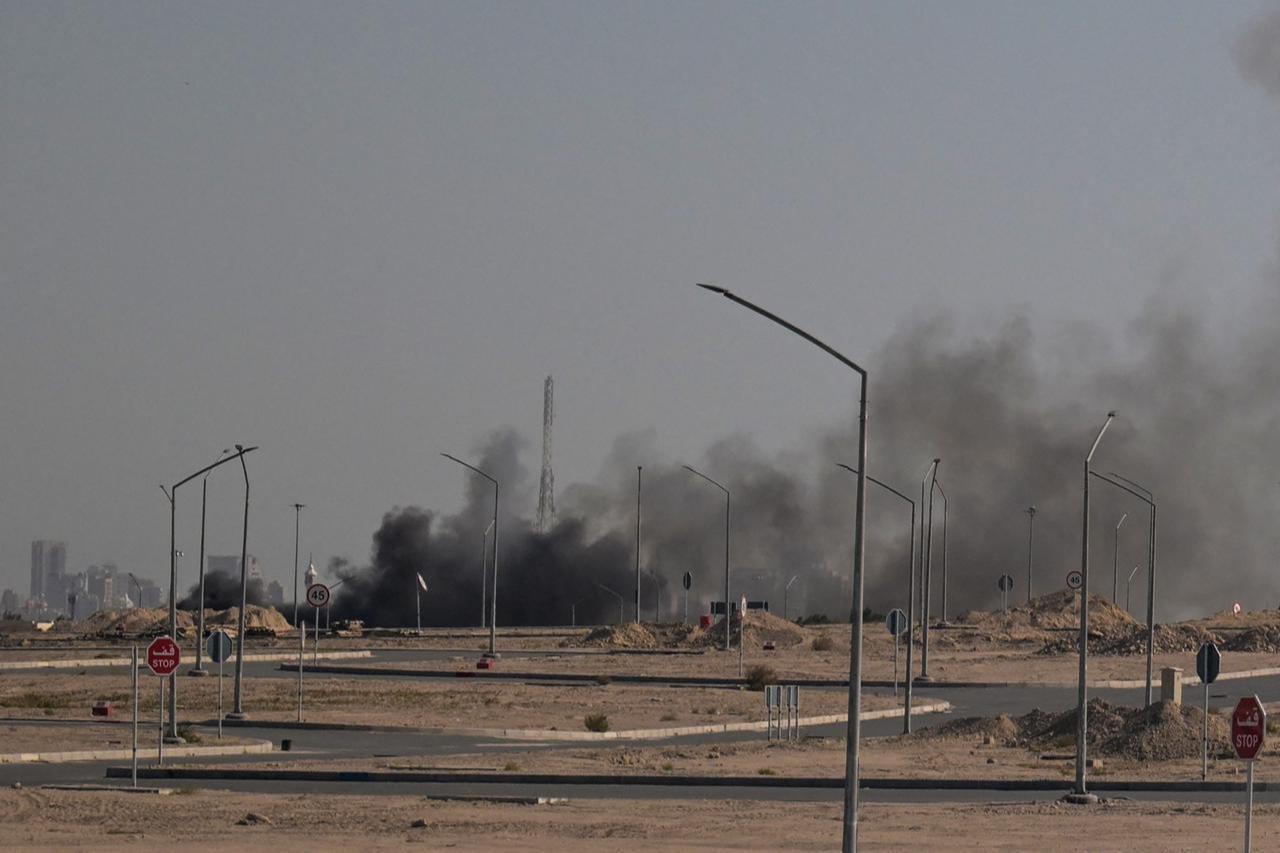
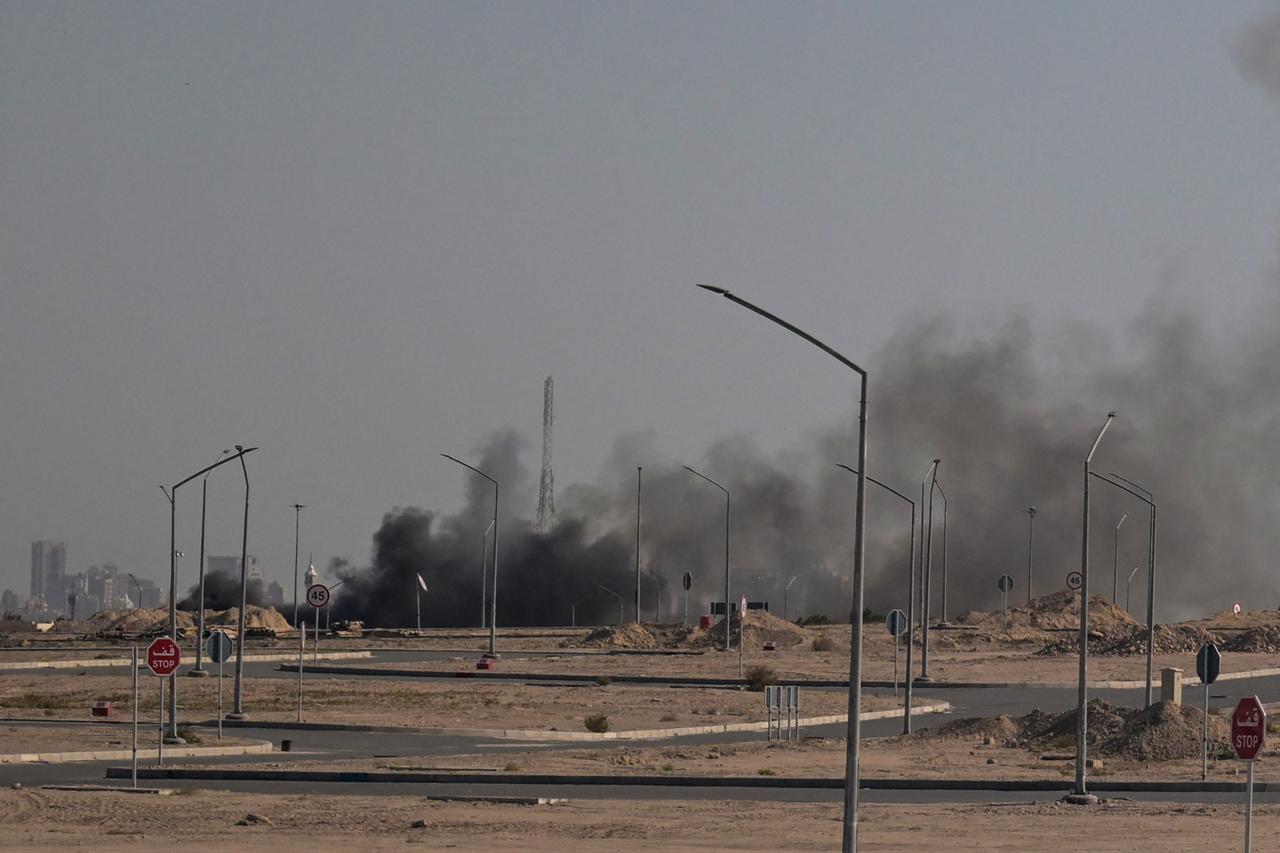
The embassy suspension caps a rapid deterioration of security conditions in Kuwait that began on February 28, when sirens were first activated across the country coinciding with the launch of joint US-Israeli strikes on Iran. Since then, Kuwait has faced repeated waves of Iranian drone and missile attacks targeting US military installations and surrounding areas.
On March 1, an Iranian drone struck a tactical operations center at Shuaiba Port, killing six American service members, the first US combat deaths since the operation began. The makeshift facility offered little overhead protection, and reports indicated that warning sirens either failed to activate or sounded too late to allow evacuation. The Pentagon has identified four of the six killed as Army reservists.
Kuwait's own defense forces have been actively intercepting hostile aerial targets. The country's air defenses shot down drones over the Rumaithiya, Salwa and Al Jahra districts, though falling debris caused limited damage in some residential areas. On March 4, an 11-year-old girl died from shrapnel injuries sustained in the Capital Governorate, the Kuwait Ministry of Health confirmed, and four of her family members remained under medical observation.
Three US fighter jets also crashed in Kuwait during the conflict, in what the US military described as an apparent friendly fire incident. All crew members survived.

Kuwait is far from alone in facing the fallout. The State Department ordered non-emergency US government employees and their families to leave Kuwait on March 3 due to the threat of armed conflict, part of a broader directive covering more than a dozen countries including Bahrain, Egypt, Iraq, Israel, Jordan, Lebanon, Oman, Qatar, Saudi Arabia, Syria, the United Arab Emirates and Yemen.
In Saudi Arabia, the US Embassy in Riyadh canceled all services after Iranian drones struck the facility, triggering shelter-in-place orders at American missions in Riyadh, Jeddah and Dhahran. The US Embassy in Iraq similarly ordered non-emergency personnel to depart. The Shuaiba Port facility in Kuwait is among at least 11 US military outposts across the region that have been hit by retaliatory strikes, along with bases belonging to France and Britain.
Iran has maintained that its strikes target US military assets rather than Gulf nations themselves. Iranian Foreign Minister Abbas Araghchi told Al Jazeera that Tehran has "no problem with the countries on the other side of the Persian Gulf" and is determined to continue friendly relations with its neighbors. But the damage has been widespread, with explosions, interceptions and civilian casualties reported in Qatar, the UAE, Bahrain and Saudi Arabia, including a drone attack on Saudi Arabia's Ras Tanura refinery near Dammam.
Kuwait's position as a longstanding host of major American military installations, including Ali Al Salem Air Base near the Iraqi border and Ahmad al-Jaber Air Base further south, has placed the country squarely in the firing line of Tehran's response. The bases serve as key hubs for US Air Force operations and logistics across the region.
Kuwait's Foreign Ministry condemned what it called an attack on the US Embassy in the strongest terms, describing it as a violation of international norms and laws. The Gulf states, alongside the US, Bahrain, Jordan and Qatar, issued a joint statement on March 2 affirming their right to self-defense and warning that they would take "all necessary measures to defend their security and stability."
Kuwait's Ministry of Interior has urged residents to remain calm and follow civil defense instructions, while the country's telecom regulator, CITRA, announced free internet and call services for citizens and residents stranded abroad. The Civil Service Commission also issued a circular exempting people with disabilities from work during the crisis.
For the thousands of American citizens still in Kuwait, the options are narrowing. With airspace closed and the embassy now dark, the State Department has set up a crisis intake form and is directing citizens to a 24/7 hotline. The government said it is working on a combination of military and chartered flights to help Americans leave the Middle East, but for those in Kuwait, the land border with Saudi Arabia remains the most immediate path out.


 Set as preferred source
 Set as preferred source


 1 min read
 1 min read