Newsletters


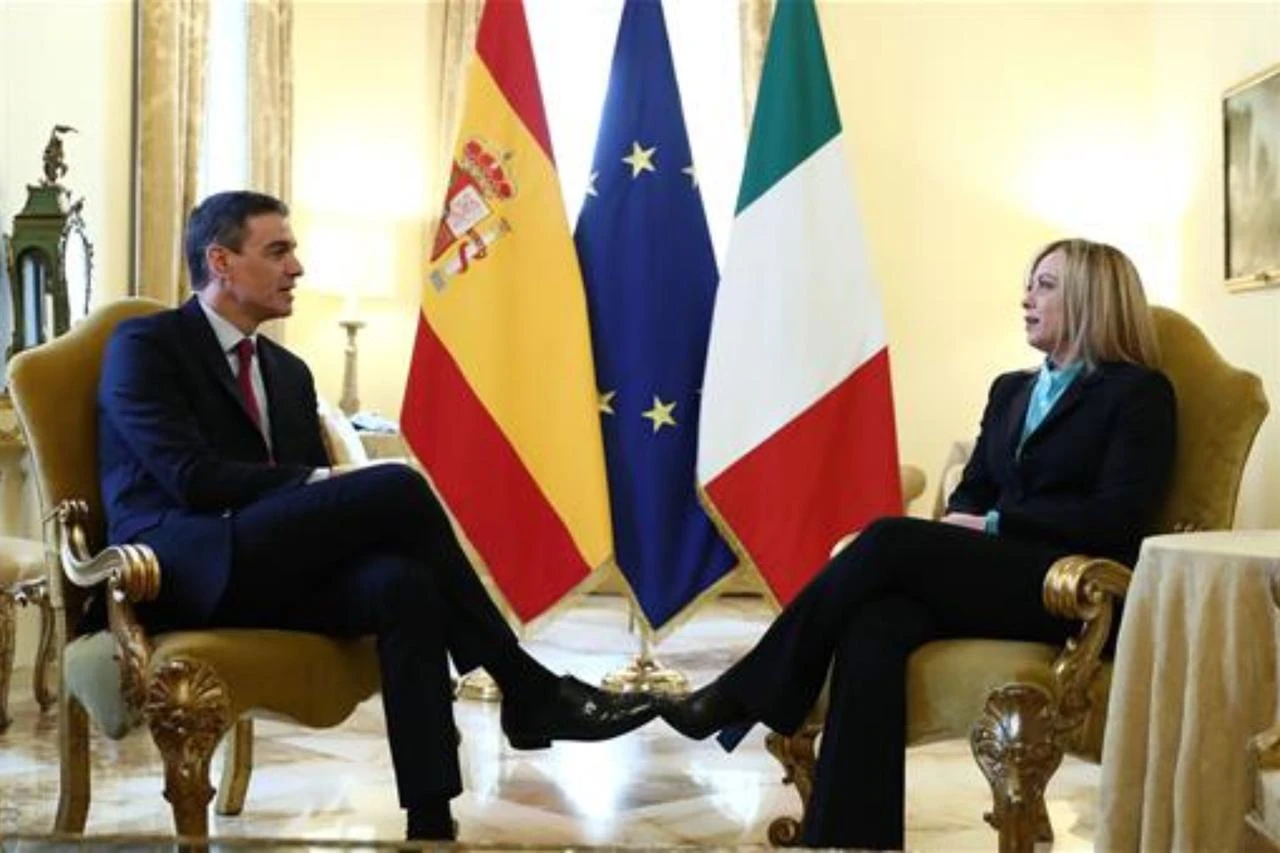


Spain summoned the Italian ambassador to Rome on Thursday after Italian Foreign Minister Antonio Tajani publicly called for Spain's suspension from the Schengen free-movement zone, setting off a sharp diplomatic confrontation between two European Union partners over a mass crossing of migrants into the Spanish exclave of Ceuta.
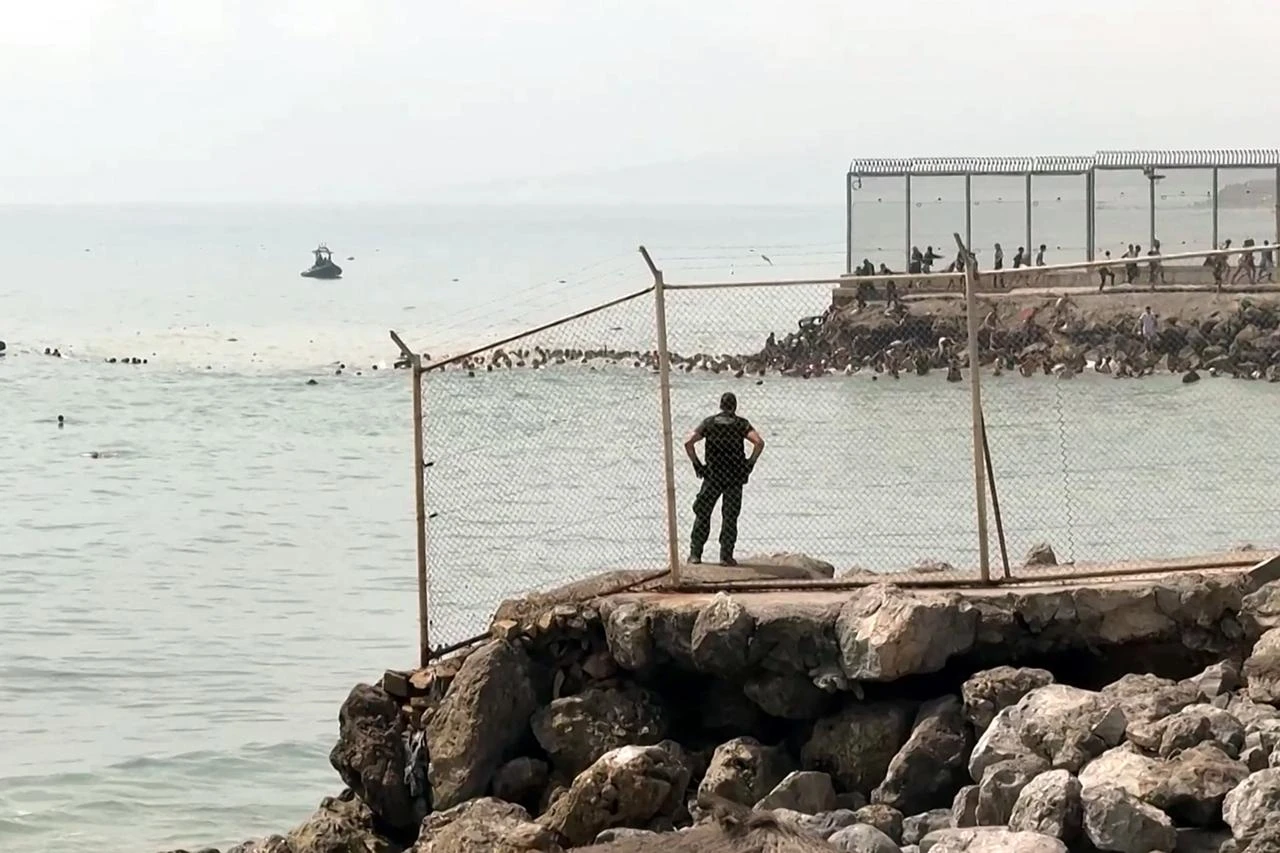
The flare-up came as hundreds of migrants entered Ceuta from Morocco, many of them swimming around the border fence separating the tiny North African territory from the kingdom.
Spain's government said it would deploy the army to reinforce security in the enclave, and Interior Minister Fernando Grande-Marlaska was expected to travel to Ceuta to meet with local officials. Nine people died attempting to reach the territory by sea.
Tajani, posting on X, said he was "in favour of closing the Schengen area with Spain," arguing that "irregular and uncontrolled immigration poses a danger to national security."
He linked the crisis to the Spanish government's decision to regularize the status of more than 500,000 undocumented migrants, calling that policy "profoundly wrong" and saying it "encourages human trafficking."
Italian Deputy Prime Minister Matteo Salvini, leader of the far-right League party, echoed the call, demanding the Schengen zone be suspended and Europe's external borders defended.
Prime Minister Giorgia Meloni also signaled Rome's readiness to pursue "extraordinary measures" to protect Italy's borders, including the possible suspension of the Schengen arrangement with Spain, according to Italian government sources.
The Schengen Area, which encompasses 29 European countries that have officially abolished frontier controls at their mutual borders, is a cornerstone of European integration, allowing the free movement of people across much of the continent.
A suspension, while legally provided for under exceptional circumstances, would represent an extraordinary and politically charged step between two EU member states.
Ceuta's regional president urged Madrid to declare a national emergency, warning that local authorities had been overwhelmed by the surge in crossings.
The Spanish Interior Ministry initially ruled out such a declaration but later announced military reinforcements to assist the Civil Guard. Spanish Prime Minister Pedro Sanchez was expected to visit Ceuta on Friday as opposition pressure mounted.
Spain and Morocco said they had agreed on a procedure to accelerate the return of migrants, though no timeline or specific figures were made public.
The Spanish Interior Ministry said human trafficking networks may be exploiting a recent court ruling to encourage undocumented migrants to attempt crossings, while Moroccan diplomatic sources attributed the increase to traffickers and denied any intention by Rabat's authorities to facilitate illegal migration.
The scenes drew comparisons to a 2021 crisis in which around 10,000 people entered Ceuta over the course of two days, a crossing widely attributed to Moroccan authorities relaxing border enforcement during a diplomatic dispute with Spain.
The Ceuta crossing has for decades been one of Europe's most politically charged migration flashpoints.
The enclave, along with Melilla, Spain's other territory on the North African coast, sits on the only land border between the European Union and Africa, making them frequent targets for migrants seeking entry to Europe.
Migration flows through both territories have long strained bilateral relations between Madrid and Rabat, with Morocco at times accused of using border enforcement as diplomatic leverage.


 Set as preferred source
 Set as preferred source


 1 min read
 1 min read