Newsletters


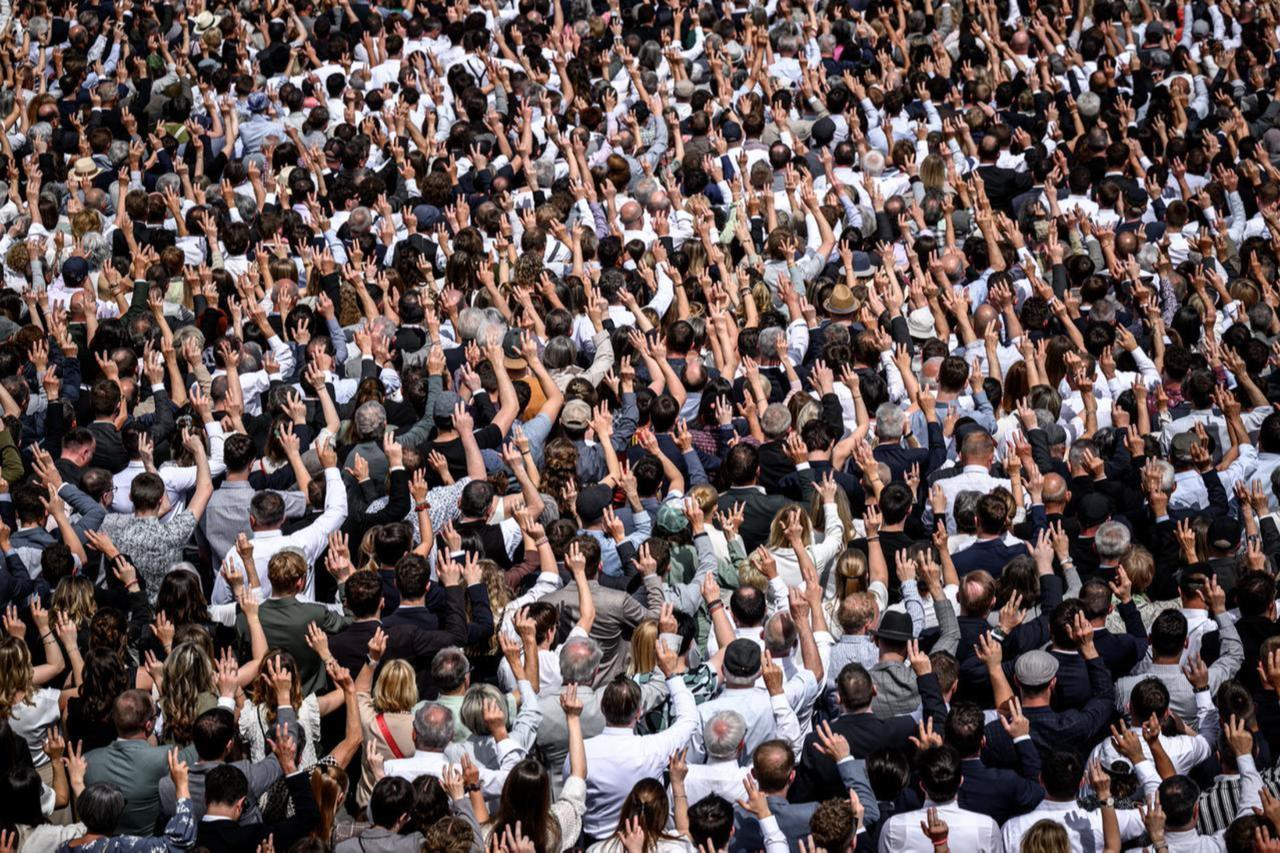


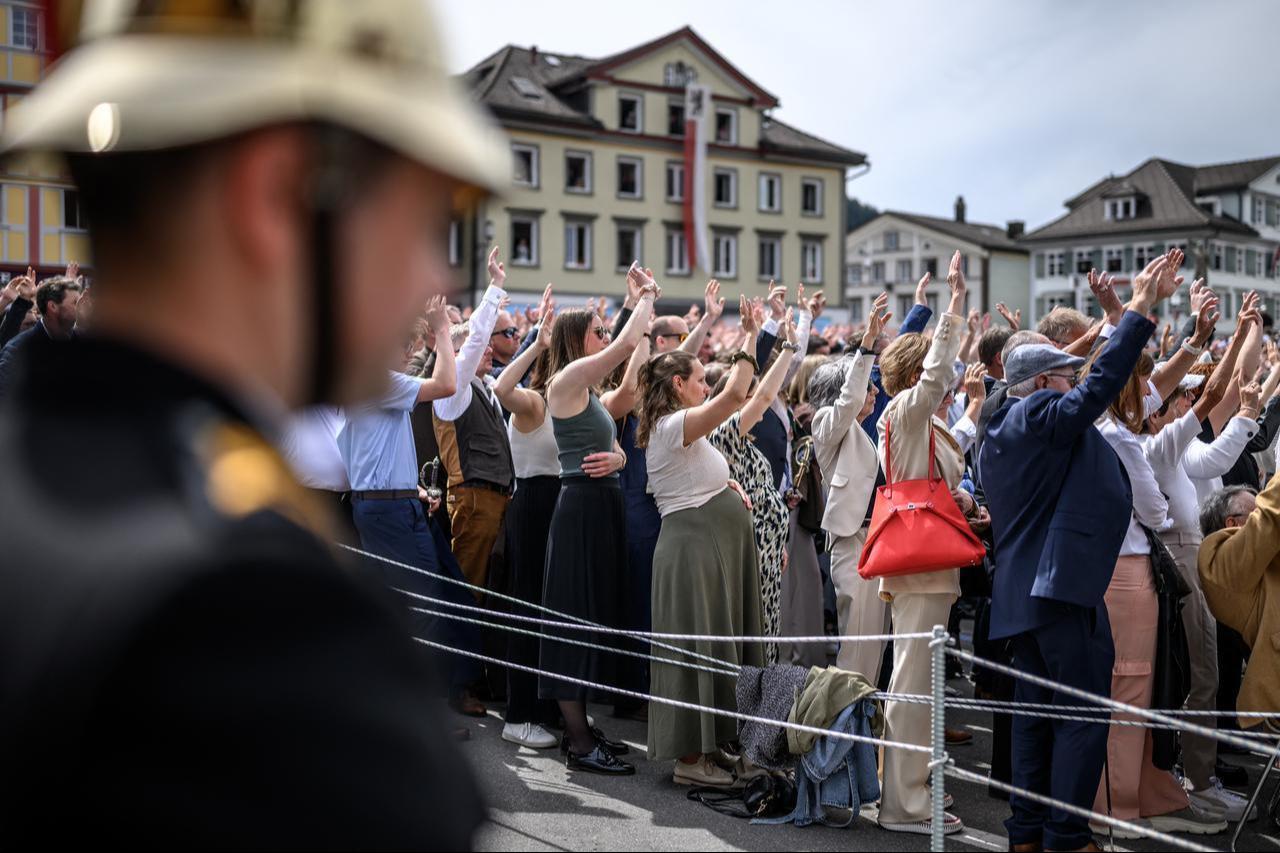
Every late April, the tiny Swiss canton of Appenzell Innerrhoden votes for local leaders and magistrates in accordance with a tradition dating back to the 15th century: a show of hands in the town square.
This year's Landsgemeinde open-air assembly, held as always on the last Sunday of April, drew several thousand people under the blazing sun in Appenzell, capital of the eponymous German-speaking northeastern canton of 17,000 inhabitants.
After a slow-paced ceremonial march through the town, thousands of citizens crowded into the roped-off voting perimeter inside the Landsgemeindeplatz square.
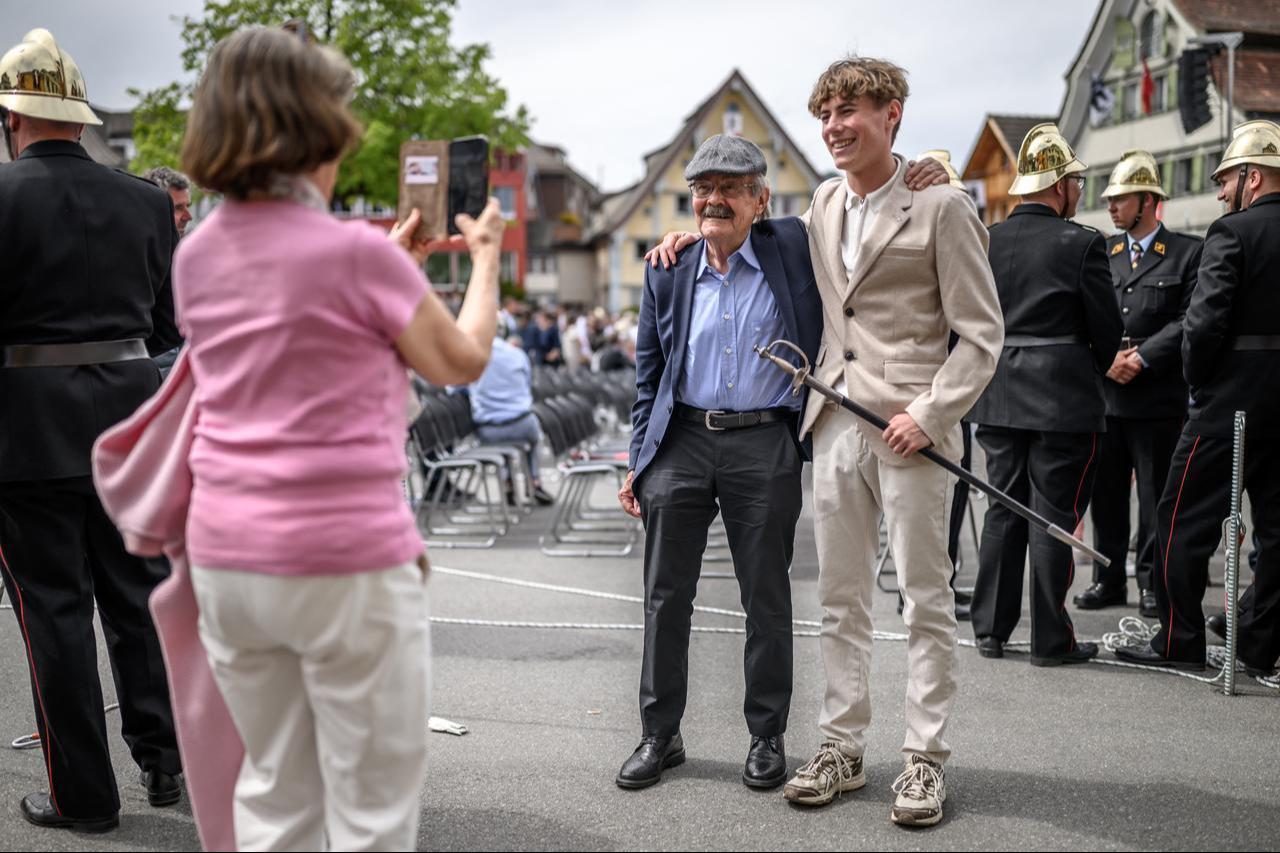
The tradition dates back to 1403, when only men willing to fight to defend their community had the right to vote.
As per custom, the majority of men carried their swords on Sunday, still effectively a voter ID.
Appenzell Innerrhoden's women have only participated in cantonal voting since 1991, more than 20 years after gaining the right to vote in national elections.
Over several hours this April, the citizens voted on the questions put to them, with curious tourists watching on from the restaurant terraces.

"Standing together with other people, you can experience politics with all your senses," said centrist lawyer Angela Koller, the Regierende Landammann, or head of the cantonal government, the first woman to hold the position.
"The issues are explained again, there's discussion, and I think you experience politics in a completely different way."
As it is not a secret ballot, the voting system "isn't perfect", she told AFP.
However, "I believe we have a culture here where people can tolerate that, where they know they have different opinions," the 42-year-old said.
Constitutional, legislative and financial issues are also discussed and voted on.
A revision of policing laws and a project on cycle paths were both approved.
 1 min read
Appenzell Innerrhoden and Glarus are the last of Switzerland's 26 cantons to practice this kind of annual direct democracy.
With its cultural heritage rooted in Catholicism and rural life, Appenzell Innerrhoden is Switzerland's smallest canton by population, with Glarus not much bigger, with 42,000 residents. Zurich and Bern, the two largest, each have over a million.
"Clearly it is no longer possible in the big cantons, but here we see the tradition of democracy and also the tradition surrounding the Landsgemeinde," Switzerland's Defence Minister Martin Pfister, a guest of honour, told AFP.
"There were lots of people who were passionate about the issues.
"That's great. It's what democracy is all about: having a discussion on the issues, then voting, and in a few seconds, it's decided."
Ursulina, a 31-year-old voter, said: "It's really important to take the rights we have and go vote. I think it's nice to have it direct and to talk with people about it and to hear arguments directly."


 Set as preferred source
 Set as preferred source


 1 min read