Newsletters


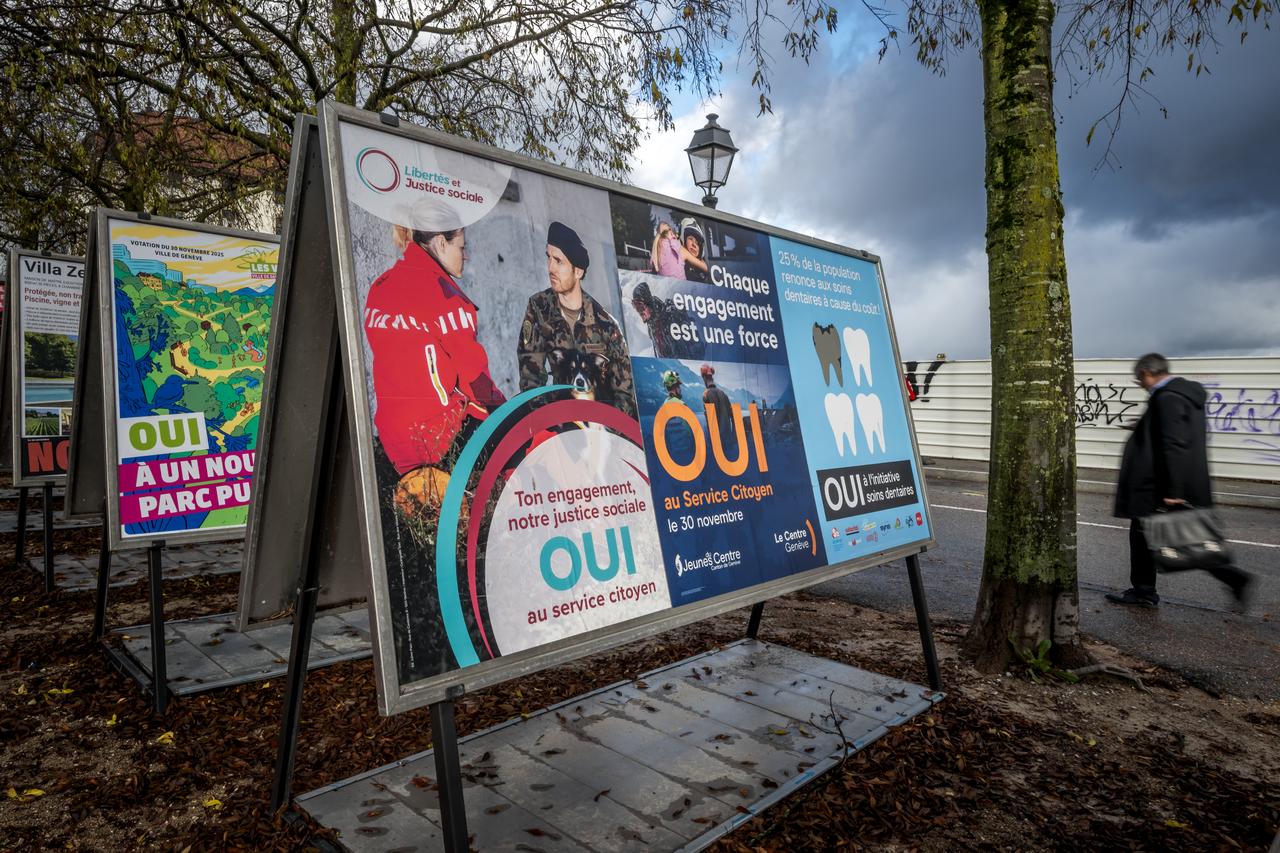


Swiss voters on Nov. 30 rejected two high-profile initiatives: a proposal to extend compulsory civic service to all citizens regardless of gender and a plan to impose a substantial inheritance tax on the country’s wealthiest households.
According to official results from Switzerland’s 26 cantons, the so-called Civic Duty initiative, which would have replaced the current men-only military conscription with mandatory national service for both men and women, was rejected by approximately 84% of voters.
The “Initiative for a Future”, advocating a 50% inheritance tax on fortunes exceeding 50 million Swiss francs (around $63 million) to fund climate action, was rejected by over 79% of voters. Voter turnout for the referendum was 43%.
The Civic Duty initiative aimed to promote “true equality” in national service by requiring both men and women to participate in military or civil service. Campaign leader Noemie Roten told AFP that the measure would foster social cohesion while giving women access to valuable networks and experiences that are currently largely available only to men.
Opponents, including the Swiss government and parliament, contended that the proposal would impose substantial financial and logistical burdens, effectively doubling the number of recruits without corresponding needs. Defence Minister Martin Pfister emphasized that women retain the option to participate voluntarily in military or civilian service and mandatory participation was unnecessary.
Despite the decisive defeat, Roten stated that the debate over universal civic duty was not over, noting that significant societal reforms in Switzerland often require time and multiple referendums to succeed. She cited the example of women’s suffrage, initially rejected in 1959 but approved in 1971.
The inheritance tax initiative, defended by the youth wing of Switzerland's Socialist Party, proposed a 50% levy on inheritances above 50 million Swiss francs. The initiative aimed to generate approximately six billion Swiss francs annually to support environmental initiatives such as renewable energy projects, building renovations and public transportation expansion.
Critics warned that the tax could prompt wealthy individuals to relocate, threaten family businesses and negatively impact Switzerland’s economic competitiveness. Swiss President and Finance Minister Karin Keller-Sutter described the proposal as sending a “bad signal” to potential investors and residents.


 Set as preferred source
 Set as preferred source


 1 min read



 1 min read