Newsletters


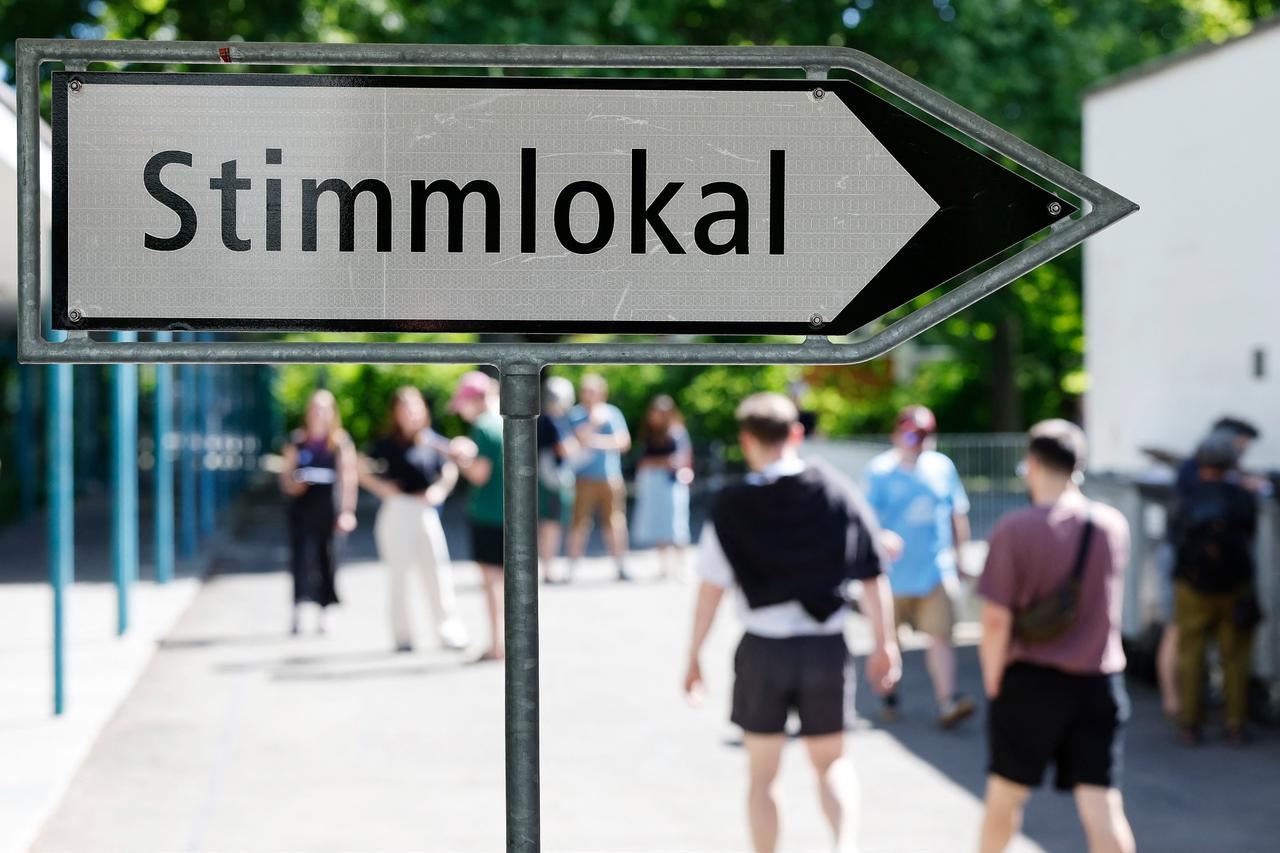


Swiss voters headed to the polls on Sunday to decide the fate of a divisive anti-immigration proposal to cap the country’s population, alongside a separate referendum on restricting access to conscientious objection to military service.
Opinion polls suggest both votes could be closely contested.
Polling stations were scheduled to close at noon local time (1000 GMT), although most ballots had already been cast by post. Initial results are expected later in the day.
The more controversial proposal, titled “No to a Switzerland with 10 million!”, was put forward by the right-wing Swiss People’s Party (SVP) and seeks to prevent the country’s population from exceeding 10 million before 2050. Switzerland’s population currently stands at around 9.1 million.
“There has to be a limit,” retiree Gilles Hirt told Agence France-Presse (AFP) at a polling station in Bern.
“If it is designed for 150 people and you put 250 on board, it becomes too small. If you put 350 onboard, it will sink,” he said, comparing the country to a ship.
In a nation where foreigners account for more than a quarter of the population, approval of the proposal would significantly restrict future immigration.


The Swiss People’s Party, the country’s largest political force, argues that “mass immigration” has contributed to housing shortages, rising rents and pressure on transport infrastructure.
“Switzerland is a small country that cannot be expanded,” SVP lawmaker Yvan Pahud told AFP, adding that the country did “not want to welcome all of Europe.”
Opponents, however, warned the initiative could damage the economy and strain relations with the European Union, Switzerland’s largest trading partner.
“The stakes are very high,” Swiss Justice Minister Beat Jans told the Tribune de Geneve, warning the proposal could amount to a Swiss version of Brexit.
The initiative is opposed by the government, parliament and several business sectors.

Teacher Josefina Luque, who voted against the proposal in Bern, said: “In a globalised world, it’s just stupid to try and close borders and put a number on the people that can be in here.”
She added that policymakers should nevertheless address public concerns to avoid similar initiatives resurfacing in the future.
To pass, the proposal must secure both a nationwide majority of votes and majorities in more than half of Switzerland’s 26 cantons.
Swiss voters are also deciding whether to approve legislation passed by parliament that would make civilian service less attractive and less accessible.
The referendum was triggered by left-wing groups, which argue the changes could ultimately undermine or eliminate the alternative to compulsory military service.
Switzerland maintains mandatory military service for men through a militia system requiring an initial period of service followed by regular refresher training over several years.
Since 1996, conscientious objectors have been allowed to perform civilian service instead. Access to that option was simplified in 2009, leading to a steady increase in participation.
The government argues that the growing number of people choosing civilian service has become problematic and supports tightening the system, while critics contend the proposed changes threaten the right to conscientious objection.


 Set as preferred source
 Set as preferred source


 1 min read

 1 min read