Newsletters


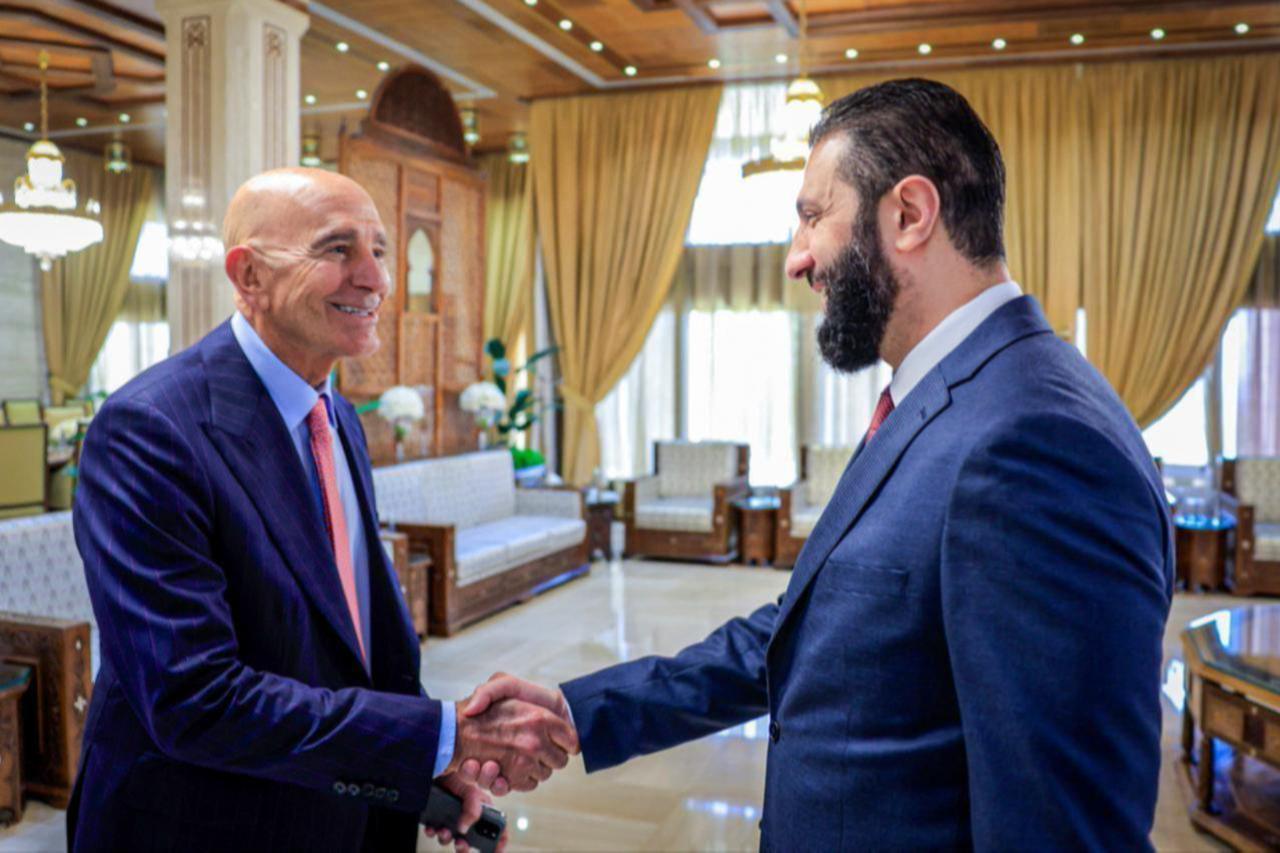


Syria and the United States agreed Sunday that a deadly Daesh attack targeting American forces was designed to sabotage their developing bilateral relationship, pledging to strengthen counterterrorism cooperation in response to the assault.
The coordinated message emerged during a phone call between Syrian Foreign Minister Asaad al-Shaibani and US Secretary of State Marco Rubio, marking a significant diplomatic exchange as both nations navigate their evolving partnership amid ongoing security threats.
Shaibani and Rubio characterized the attack as a "cowardly act" intended to disrupt the newly forming Syrian-American relationship, according to a statement from Syria's Foreign Ministry. The Syrian minister framed the assault as representing a renewed challenge in counterterrorism efforts and emphasized the need for closer collaboration with international partners, particularly Washington.
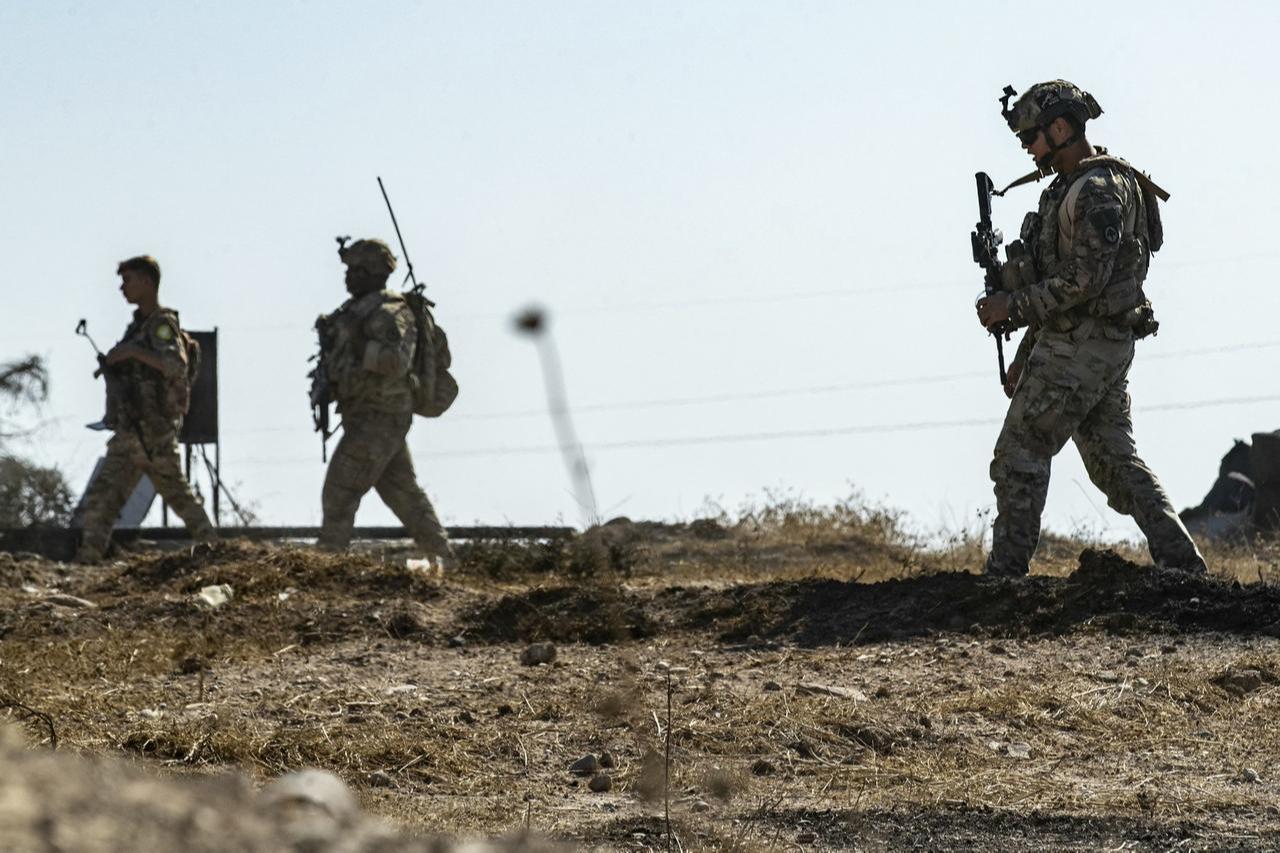

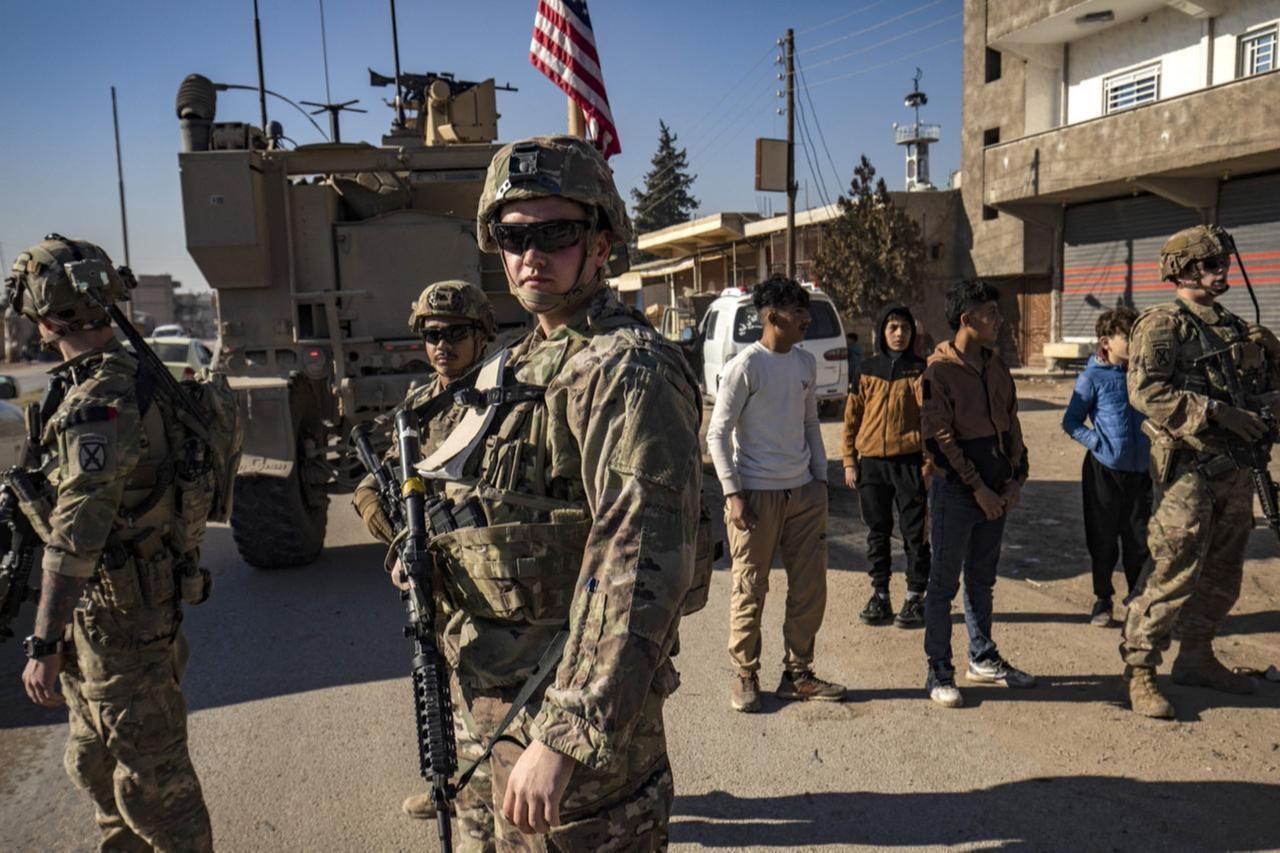
US Central Command announced Saturday that two American troops and one civilian died when an Daesh gunman ambushed their position in the Palmyra desert area. Three additional service members sustained injuries in the attack near the ancient city, a UNESCO World Heritage site that has repeatedly found itself at the center of Syria's conflicts.
Syrian authorities responded by launching a security operation Sunday targeting Daesh cells operating in the Homs province countryside, demonstrating the immediate tactical coordination between the two nations.
During the call, Shaibani conveyed condolences from Syrian President Ahmad al-Sharaa to US President Donald Trump and expressed gratitude for American support. Rubio reciprocated by reaffirming continued US backing for the Syrian government across multiple fronts, including counterterrorism operations, stability initiatives and efforts to establish conditions conducive to economic recovery.
The exchange represents a notable shift in US-Syrian relations, occurring just weeks after Syria formally joined the anti-Daesh international coalition on November 12. American forces have maintained a presence in Syria since 2014 as part of the broader coalition formed to combat the extremist group.
Syria's current administration has been working to restore security and stabilize conditions nationwide following the overthrow of Bashar al-Assad's regime in December 2024. The transition has created both opportunities for international partnership and vulnerabilities that militant groups have sought to exploit.
Daesh, also known as Daesh, once controlled vast territories across Syria and Iraq before losing its physical caliphate in 2019. However, remnant cells continue to operate in remote desert regions, launching periodic attacks against military and civilian targets. Palmyra's desert surroundings have historically provided cover for such operations due to the area's sparse population and challenging terrain.


 Set as preferred source
 Set as preferred source


 1 min read
 1 min read