Newsletters


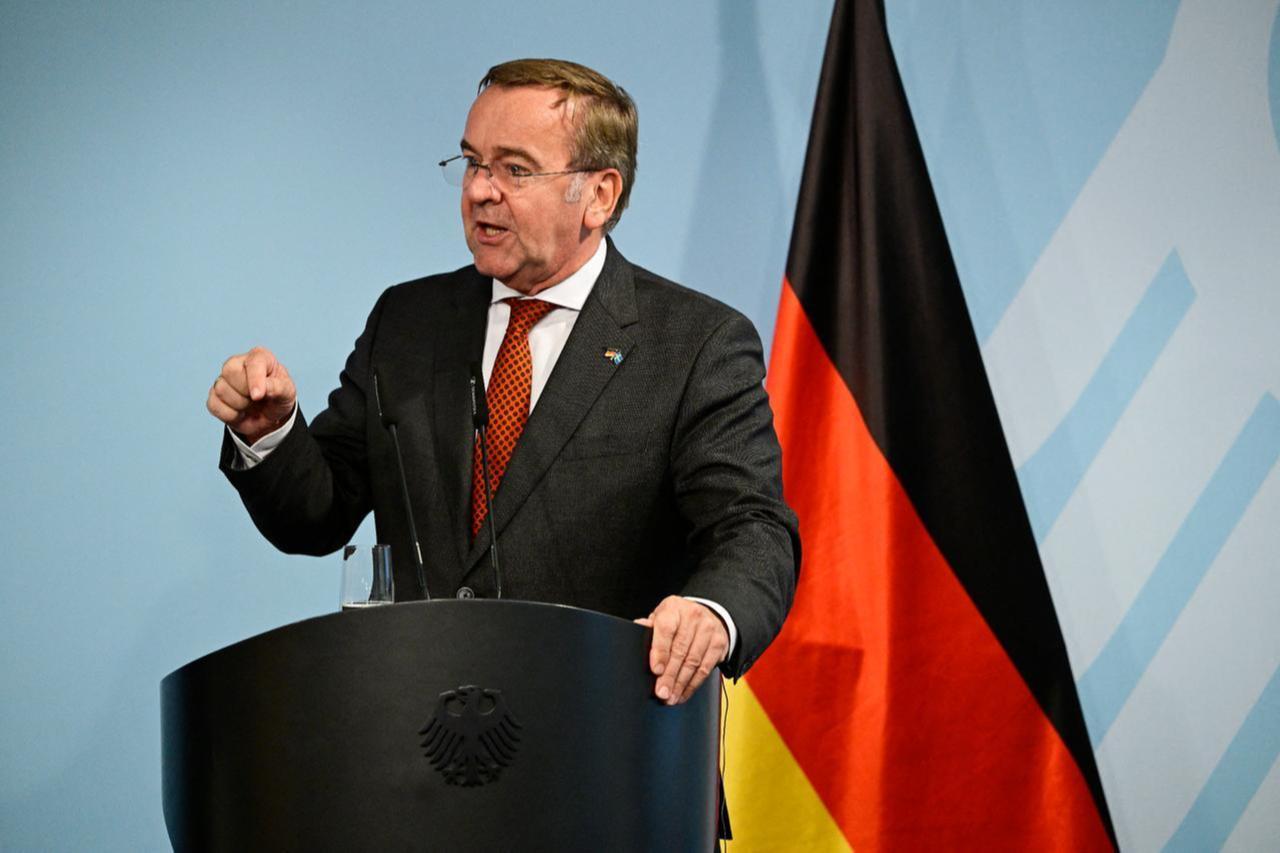


German Defense Minister Boris Pistorius firmly declared on Wednesday that Germany will not participate in the ongoing US and Israeli military campaign against Iran, positioning Berlin as a voice for de-escalation amid growing concerns about the conflict's trajectory.
"Germany is not a party to the war. The German Armed Forces will not participate in this war," Pistorius told lawmakers during a general parliamentary debate on the crisis. He pledged that Berlin would do everything in its power to contain the spread of violence.

While acknowledging that the strikes target a regime with a long record of repression, state-sponsored terror, and threats to Israel's existence, Pistorius delivered a pointed warning about the campaign's long-term viability. Without a reliable post-war strategy, he cautioned, the military operation risks failing to achieve its intended outcomes.
"History teaches us that starting wars is much easier than ending them," the Social Democrat minister said, adding that he does not currently see a solid exit strategy in place. He urged that work on post-war political scenarios should begin immediately rather than being deferred.
Pistorius struck a delicate tone, coupling his criticism with recognition of the threat posed by Tehran. He described the Iranian regime as one that has violated international law for decades and has long sought the destruction of Israel, both domestically repressive and internationally destabilizing.
At the same time, he signaled that Germany takes seriously the debate over whether the US-Israeli actions comply with international law, arguing that a stable global order depends on all countries adhering to legal norms. The framing suggested Berlin is unwilling to offer Washington and Jerusalem a blank check, even while acknowledging their security rationale.
Pistorius reserved some of his sharpest remarks for Europe's role, or lack thereof, in shaping the region's future. He called it an illusion to believe that military force and unilateral action alone could resolve the Middle East's deeply entrenched conflicts, and said Germany would continue pressing that message with its American and Israeli allies.
He urged European nations to move beyond the role of spectators, calling for immediate discussions on what the continent can contribute to a post-conflict settlement. The remarks reflected a broader push within parts of the German political establishment for Europe to assert greater strategic autonomy, particularly on questions of Middle Eastern security.
Germany, as NATO's largest European member and a close ally of both the United States and Israel, occupies a sensitive position in the crisis. Berlin has historically maintained strong defense ties with Israel, including submarine deliveries, while also advocating for Palestinian statehood and multilateral diplomacy in the region.


 Set as preferred source
 Set as preferred source


 1 min read
 1 min read