Newsletters




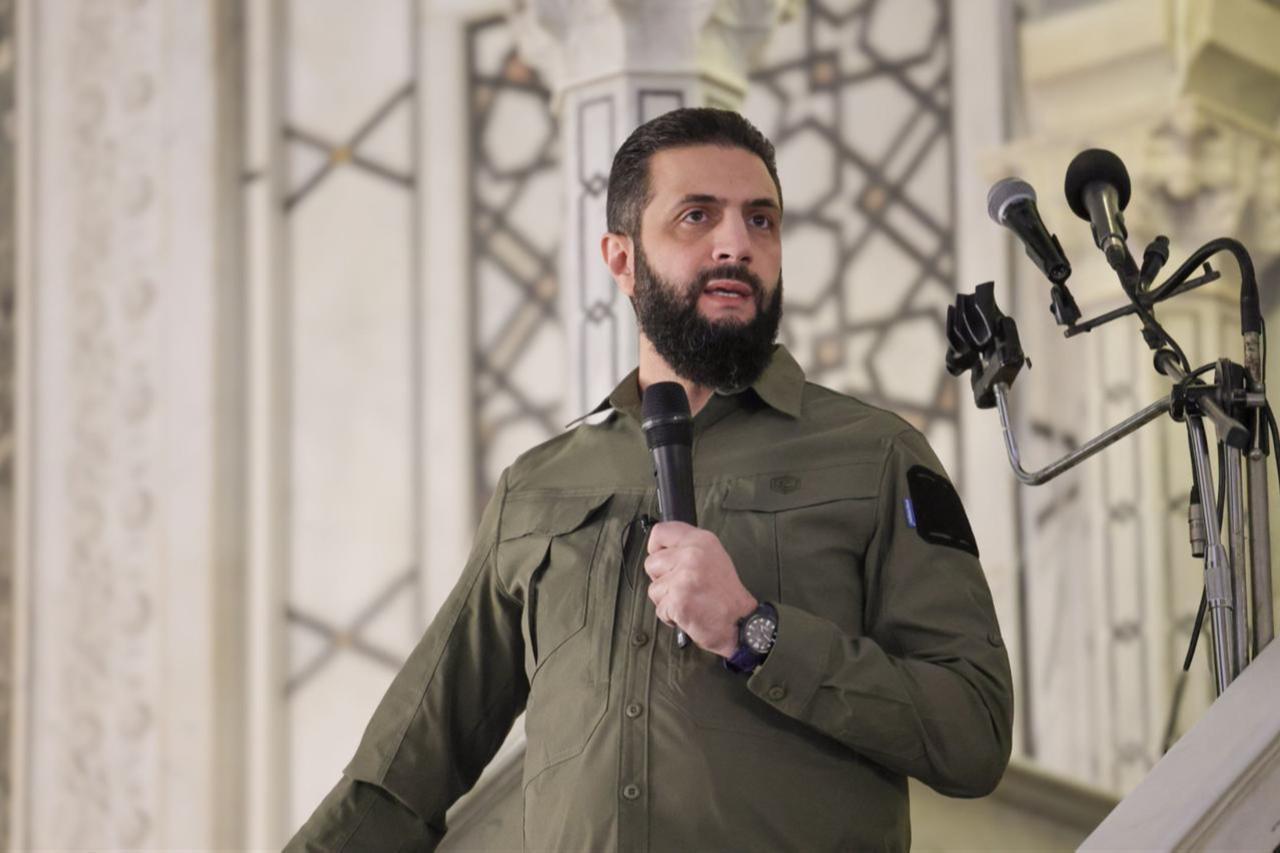
Syria’s interim President Ahmad al-Sharaa on Wednesday issued a decree declaring a general amnesty for crimes committed before the publication of the decision.
According to the decree, Law No. 39 of 2026 provides a general amnesty for offenses committed prior to its issuance.
Under the decree, life imprisonment and lifetime supervision sentences are commuted to 20 years of temporary imprisonment or supervision.
The amnesty covers all misdemeanors and criminal penalties, including offenses under certain special laws such as drug-related crimes, smuggling, financial control violations, illegal currency transactions, smuggling of subsidized goods and consumer protection offenses.
Temporary sentences are reduced by half, and rehabilitation and care measures imposed on juveniles are lifted.
For certain crimes, including kidnapping, conditional amnesty is granted if the victim is voluntarily released without compensation or harm. In weapons-related offenses, arms must be surrendered within three months.
In some cases, suspects must surrender within 60 days, waive personal rights or fulfill obligations to benefit from the amnesty. Specific deadlines are also set for personal claims.
The decree grants full exemption from permanent or temporary penalties for incurably ill patients requiring assistance or individuals aged 70 and above, regardless of the type or scope of the crime, within defined limits.

Crimes excluded from the amnesty include “serious violations against the Syrian people,” torture, human trafficking, prostitution, electricity and telecommunications theft, organized crime and certain drug offenses.
While the decree covers criminal fines linked to imprisonment, it does not include compensation-related financial penalties. Amounts paid before the decree will not be refunded.


 Set as preferred source
 Set as preferred source


 1 min read


 1 min read