Newsletters


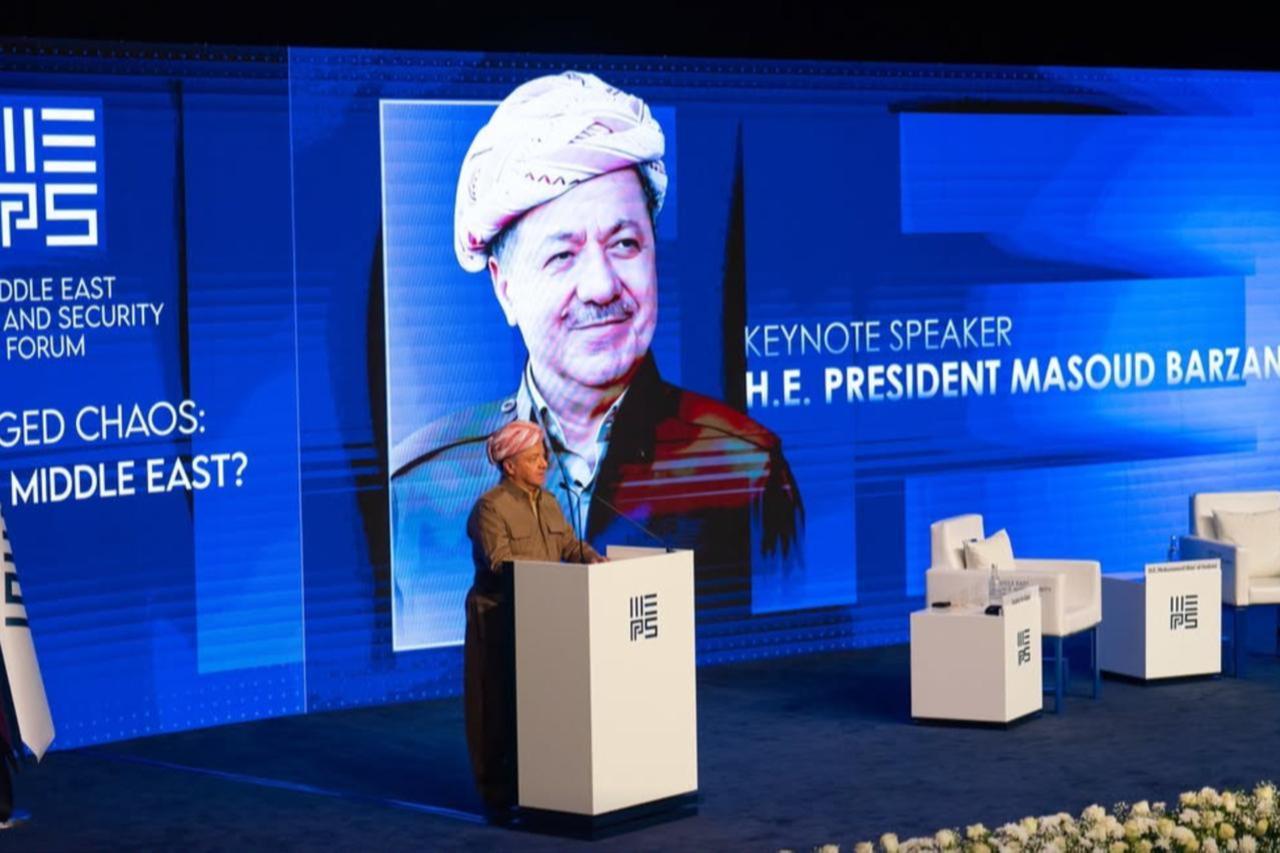


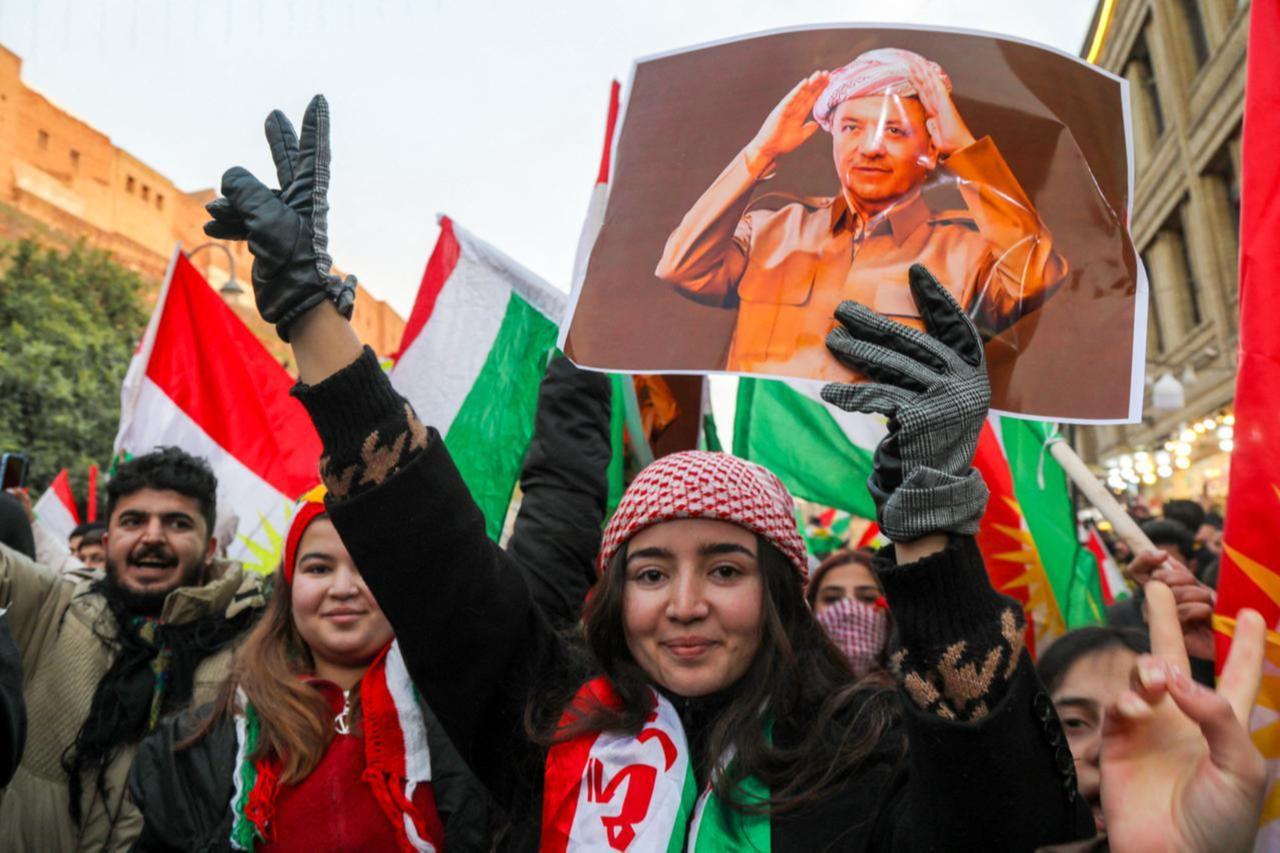
When fighting erupted in northeastern Syria, Iraqi Kurdistan adopted what many in Ankara and Damascus perceived as an alarmist posture—one that amplified anxiety among Kurds worldwide.
The steps taken by Erbil were met with deep disappointment in both capitals. Although Türkiye and Syria remained engaged with Erbil throughout the crisis, the Iraqi Kurdish government’s conduct resulted in a significant loss of trust.
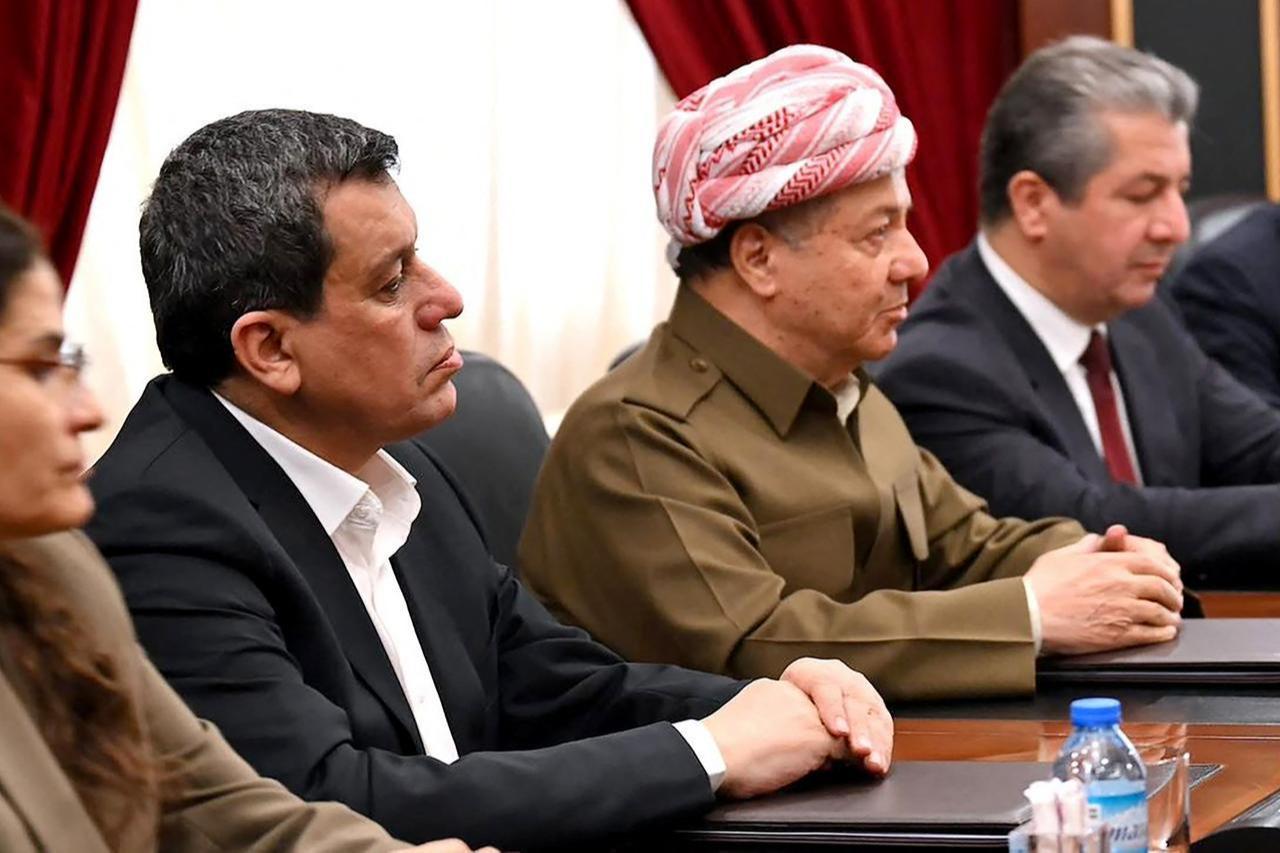
After tensions subsided and an integration deal was reached in Syria, Nechirvan Barzani, the president of Iraq's Kurdistan Regional Government (KRG), returned to the measured and constructive rhetoric long associated with Iraqi Kurdish diplomacy.

Neither capital could fully understand Erbil’s behavior. The clashes occurred solely in Arab regions of northeastern Syria. No Kurdish-majority towns or villages were directly attacked or drawn into the escalation. From the perspective of Türkiye and Syria, the crisis was territorial and political—not ethnic.
In the past, Erbil advocated for the withdrawal of Syrian Kurdish armed forces from Arab-majority areas. Yet for Ankara and Damascus, the solidarity displayed by Erbil with the YPG terrorist group did not appear purely ethnically motivated; rather, it was seen as politically charged and unnecessarily escalatory.
What puzzled both capitals most was why the Iraqi Kurdish leadership did not adopt a more mediating role. Erbil could have advocated for the YPG’s withdrawal into Kurdish-majority areas while positioning itself as a guarantor—ensuring that Syrian government forces would not enter Kurdish regions by force. Such an approach, in their view, would have reduced tensions rather than inflamed them.
But a recent statement by Nechirvan Barzani was notably firm and aligned with the traditionally pragmatic line of Iraqi Kurdish diplomacy. He emphasized Türkiye’s constructive role, urged Syrian Kurds to engage seriously with Damascus, and described the integration agreement as the most viable path forward. He also acknowledged demographic realities, stating that the Iraqi Kurdistan model cannot simply be replicated in Syria.
For both Ankara and Damascus, a constructive Iraqi Kurdish role remains strategically important. Erbil could help facilitate the integration of the YPG into the Syrian state and contribute to the broader disarmament and dissolution process of the PKK in Türkiye and Iraq.
However, the recent crisis revealed to both governments what they perceive as a structural vulnerability: in moments of heightened emotion, Erbil cannot be trusted. As a result, while Ankara and Damascus are likely to continue engaging with Iraqi Kurdistan, they may be more cautious about relying on Erbil as a partner in achieving their core policy objectives.
Whether trust can be fully restored will depend on consistent behavior from Erbil.


 Set as preferred source
 Set as preferred source


 2 min read
 1 min read