Newsletters


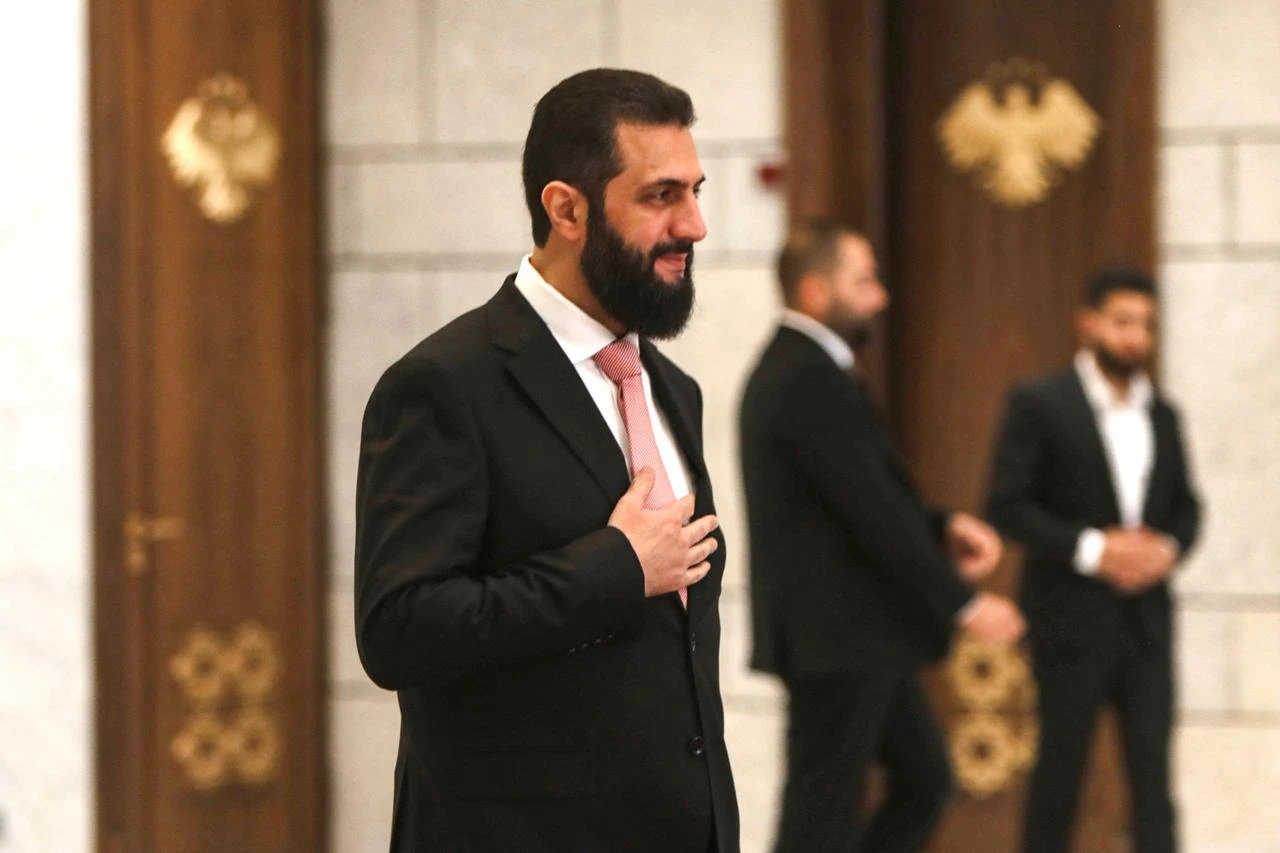


Syrian President Ahmed al-Sharaa said Damascus is working with several countries to reach a security agreement with Israel, expressing hope that the arrangement could open the way to a broader peace while preserving Syria’s claim to the occupied Golan Heights.
In an interview with Al Jazeera, al-Sharaa said Syria was seeking to avoid confrontation with Israel and did not believe the country had an interest in entering a military conflict.
He said the success of the security arrangements under discussion could create a path toward a more comprehensive settlement.
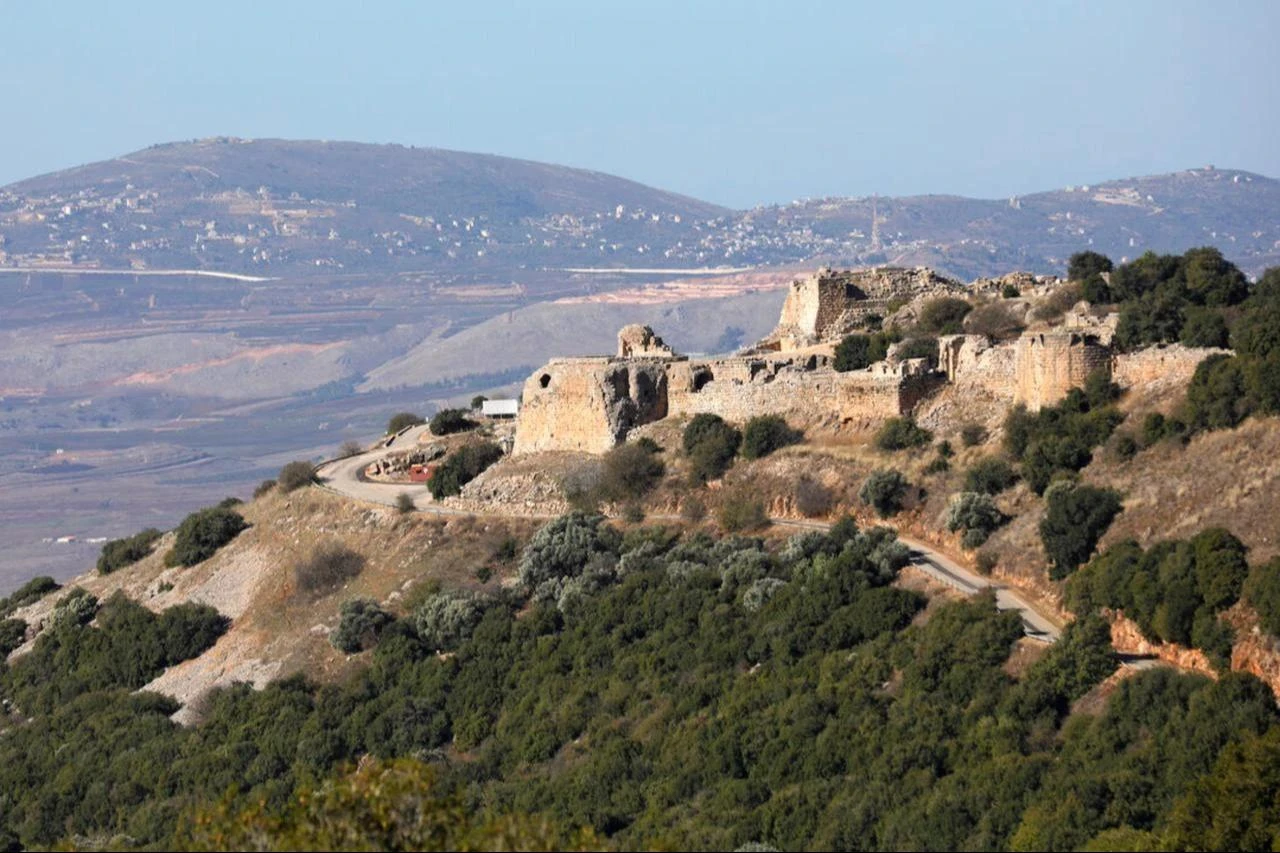
Al-Sharaa stressed that any agreement would not affect Syria’s right to the occupied Golan Heights.

On Lebanon, al-Sharaa said Syria had no intention of intervening militarily and was discussing with the Lebanese government how Damascus could help the country overcome its crisis and reach safety.
He said Lebanon’s crisis could not be addressed through a security approach alone and required a comprehensive solution covering its different political and social dimensions.
Al-Sharaa warned that any state of disorder in Lebanon would have a direct effect on Syria.
He said Damascus supported placing all weapons, as well as decisions on war and peace, under the sole authority of the Lebanese state.
The Syrian president also expressed concern that the conflict could spread further across the region and produce wider regional consequences.
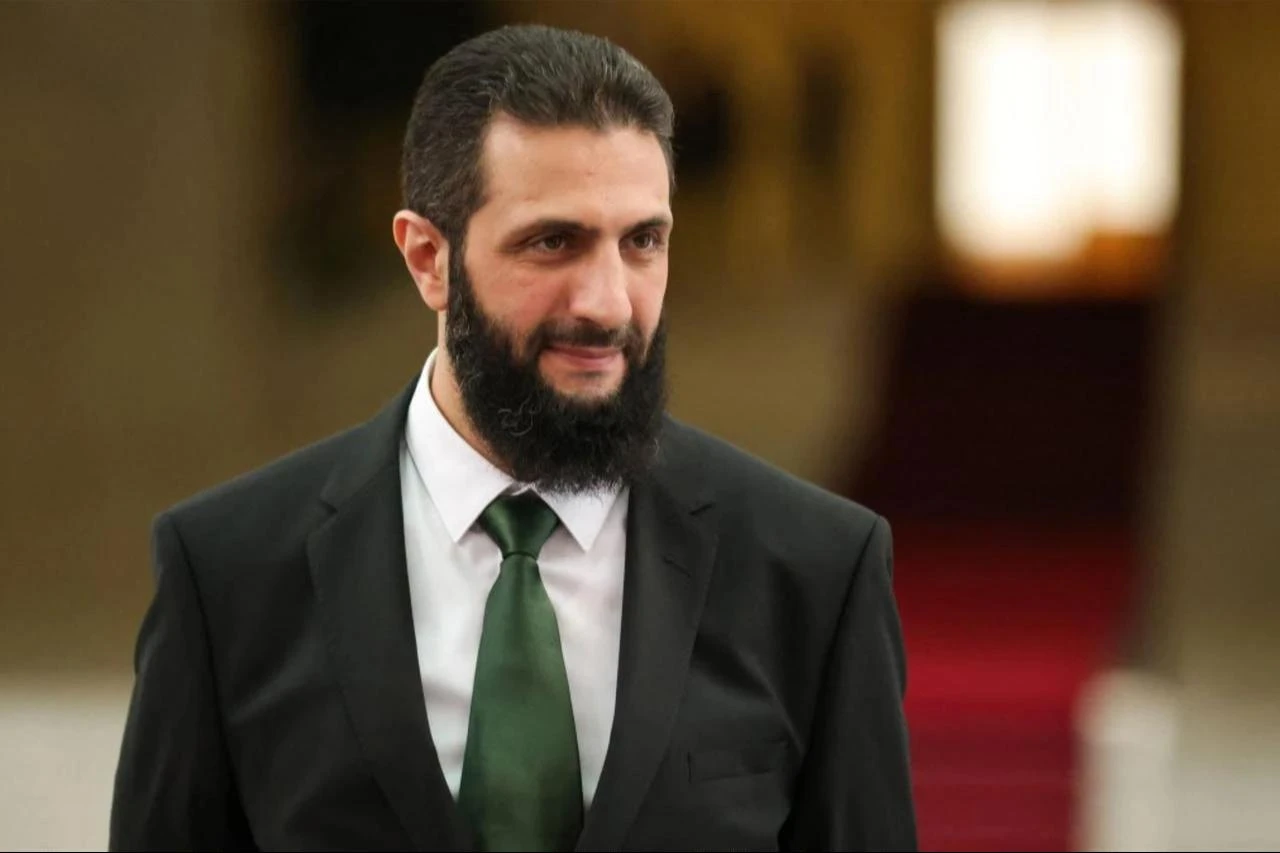
Al-Sharaa said the lifting of economic sanctions imposed on Syria would not have its full effect unless the country was also removed from the list of state sponsors of terrorism.
He also acknowledged delays in implementing the agreement reached with the Syrian Democratic Forces, or SDF.
Despite the slow progress, al-Sharaa said the Syrian government was continuing to rely on efforts to make the agreement succeed.
On the issue of missing persons, he said Syrian authorities had formed a special committee to manage the file according to international standards.
The committee would cooperate with countries that have specialized experience in handling missing-person cases, al-Sharaa added.


 Set as preferred source
 Set as preferred source


 1 min read
 1 min read