Newsletters


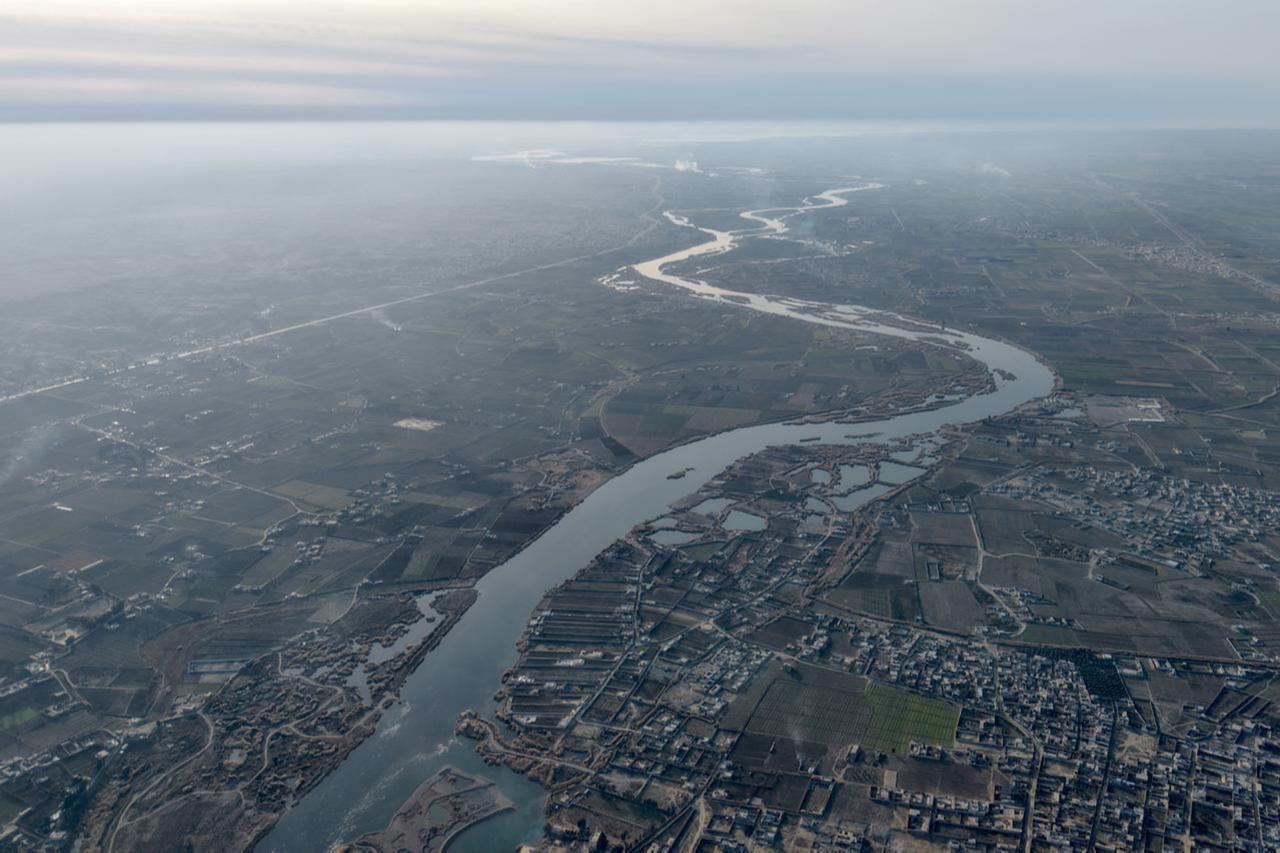


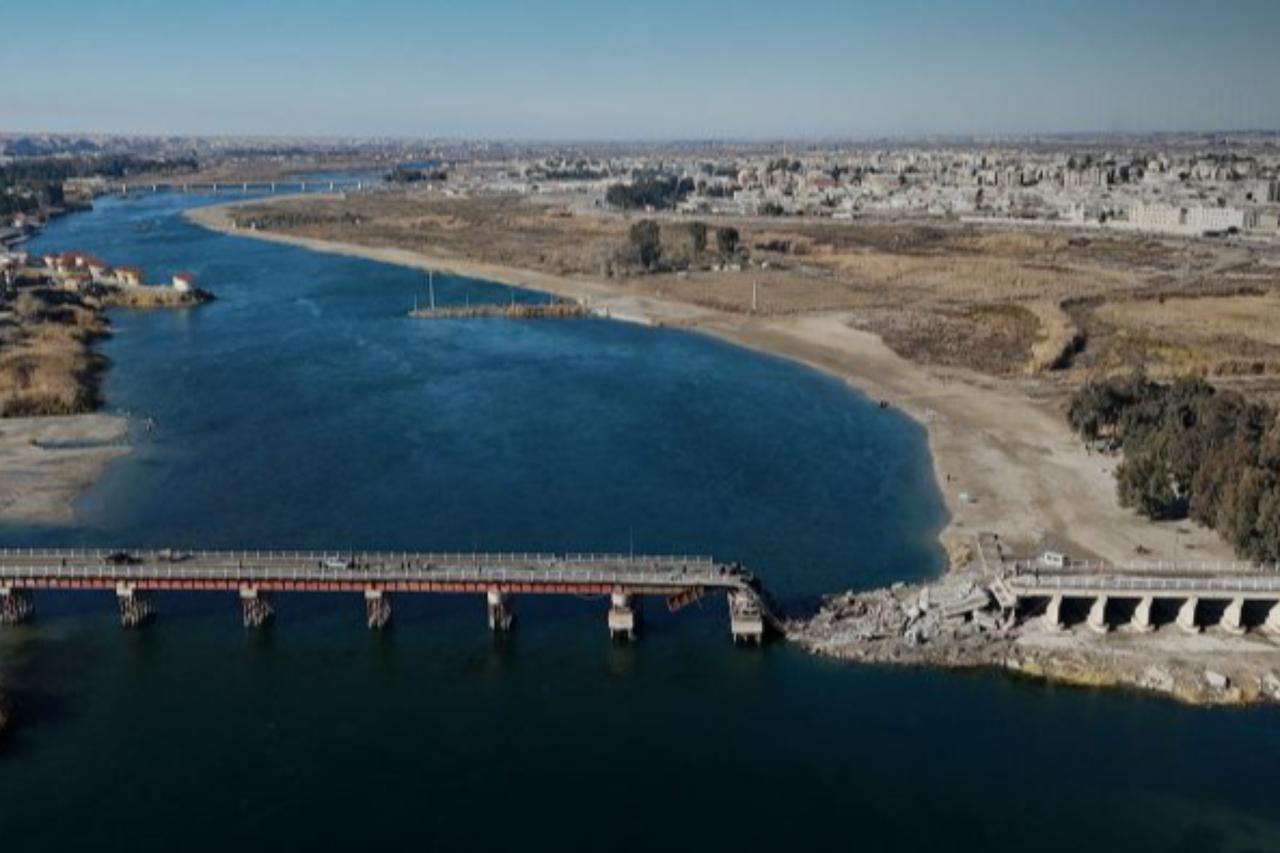
Syria's Emergency and Disaster Management Ministry issued an urgent flood warning on Monday for residents living along the Euphrates River in the provinces of Raqqa and Deir ez-Zor, ordering immediate evacuations after authorities increased the water discharge rate at the Euphrates Dam to levels that could push the river more than two meters above normal.
The ministry said discharge from the dam had been raised to 1,500 cubic meters per second, a volume it warned could trigger "an additional rise in water levels of up to one meter during the coming hours and days." Residents in riverside communities and low-lying areas were told to evacuate homes and commercial premises without delay and to move families, livestock, and agricultural equipment to higher ground.
The ministry's statement called for the "immediate evacuation" of properties near the river, urging residents to follow instructions from official authorities as conditions develop. The warning singled out those in low-lying areas as especially vulnerable to the anticipated flood wave.
Officials asked residents to relocate to "safe and elevated areas" while the situation remained active, signaling that water levels could continue to rise over multiple days.
Raqqa and Deir ez-Zor sit in northern and eastern Syria along the Euphrates basin, one of the country's most agriculturally and hydrologically significant regions. The Euphrates, which originates in eastern Türkiye and flows through Syria and Iraq before reaching the Persian Gulf, has historically served as the lifeblood of settlements and farming communities across the Syrian interior.
The Euphrates Dam, also known as the Tabqa Dam, is Syria's largest dam and sits upstream of both provinces in Raqqa governorate. Downstream, the Baath Dam functions partly as a floodwater control structure to manage irregular output from Tabqa, though sudden and significant increases in discharge can still place riverside communities at risk.
Both provinces endured years of conflict and displacement. Raqqa was the de facto capital of the Islamic State's self-declared caliphate before its recapture in 2017, while Deir ez-Zor saw prolonged fighting over its oil fields and river crossings. More recently, Syrian government forces reasserted control over the broader region in early 2026 following an agreement with the Kurdish-led Syrian Democratic Forces.
The flood alert comes as Syrian authorities work to consolidate governance across the country's northeast, adding a natural disaster dimension to the administrative and humanitarian challenges already facing both provinces.


 Set as preferred source
 Set as preferred source


 1 min read


 1 min read