Newsletters


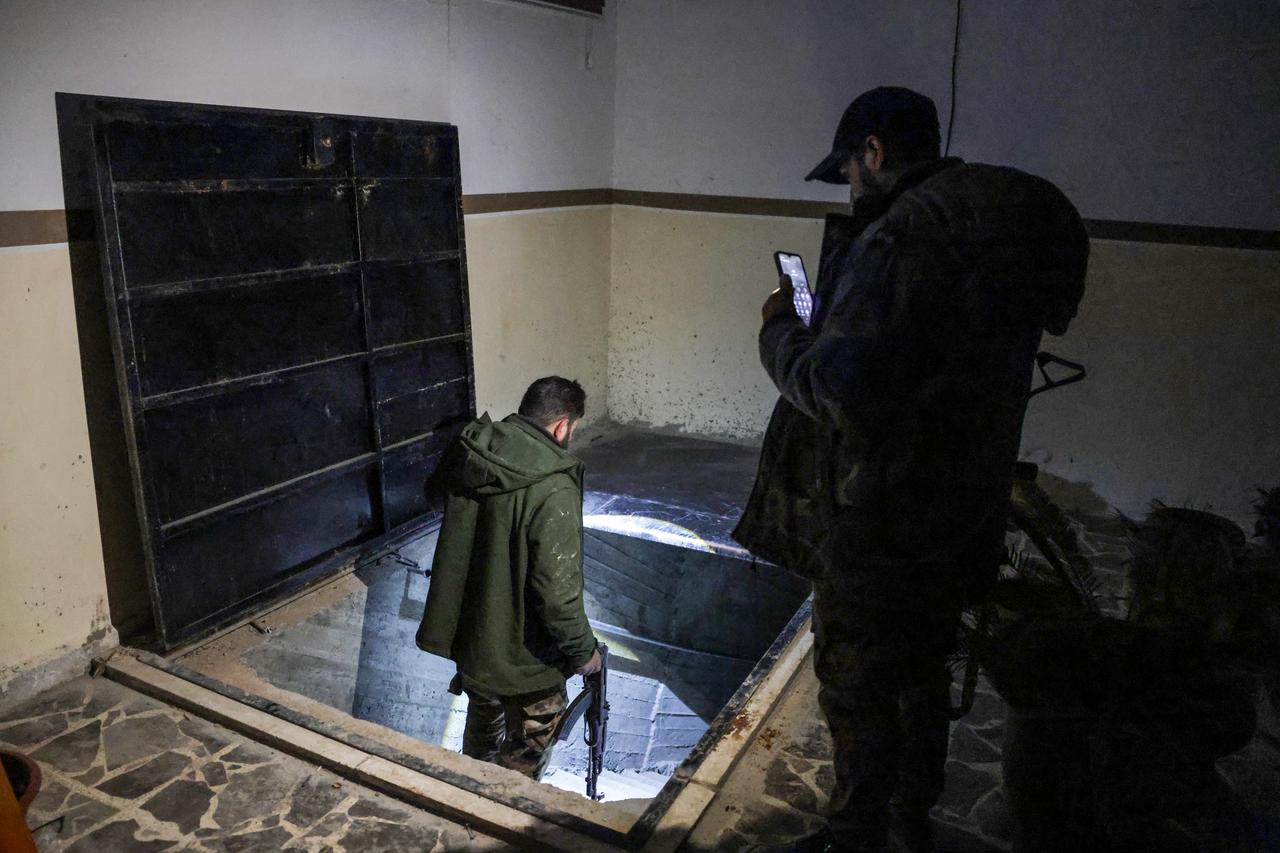


Syrian army forces have uncovered an extensive network of tunnels dug by the YPG terrorist group beneath civilian areas in the town of Tabqa, near the Euphrates River in Raqqa province, following an operation that cleared the area of the group earlier this month.
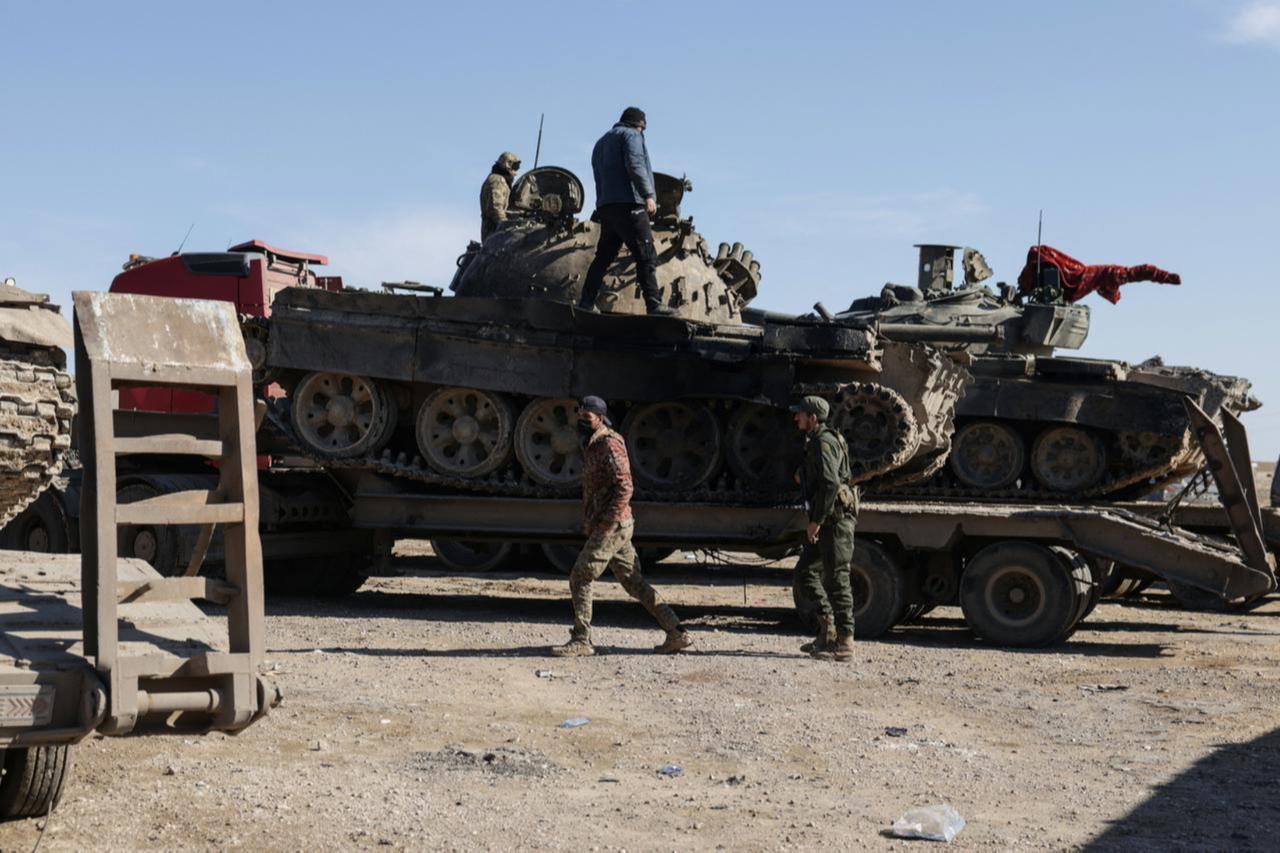
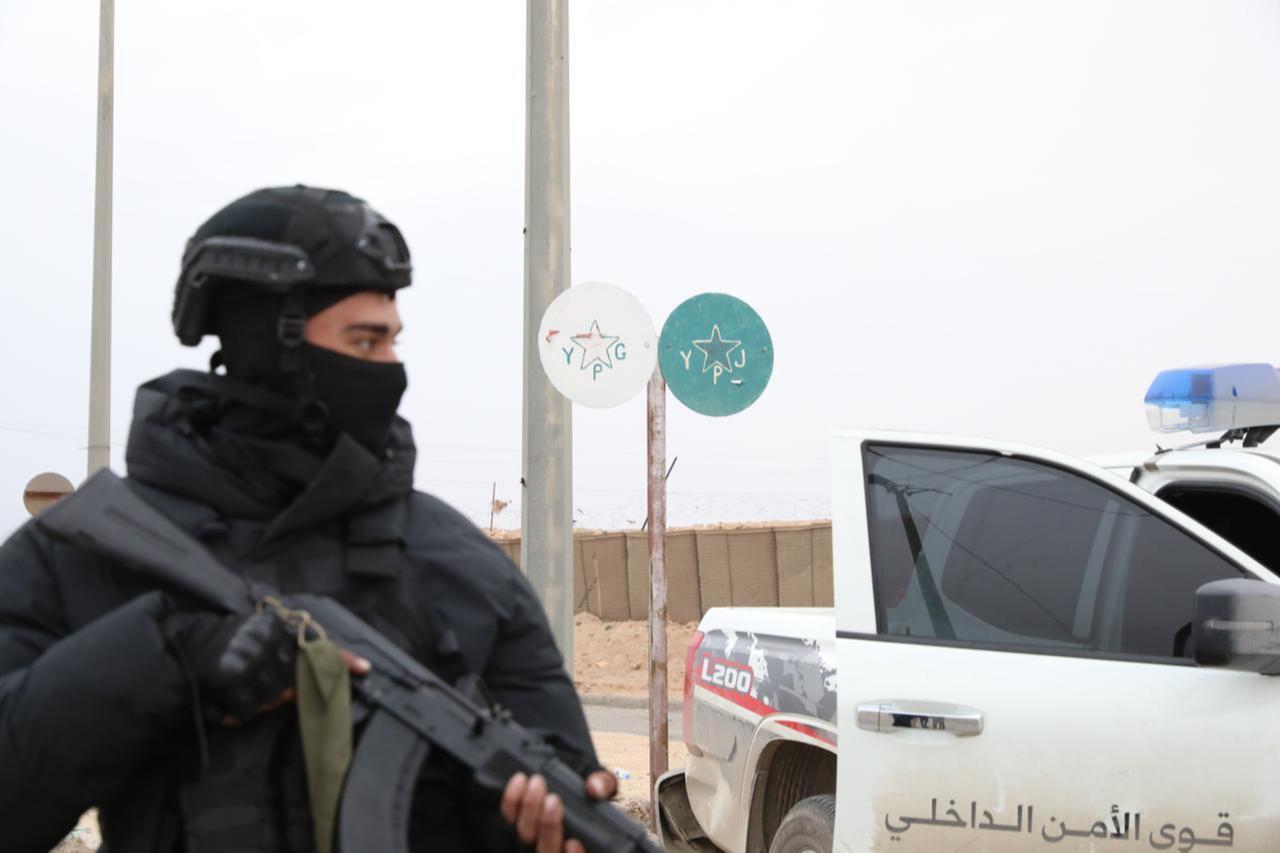
Tabqa had been under YPG control since 2017 and was retaken by Syrian forces on Jan. 18. The army has since assumed security responsibility for the town.
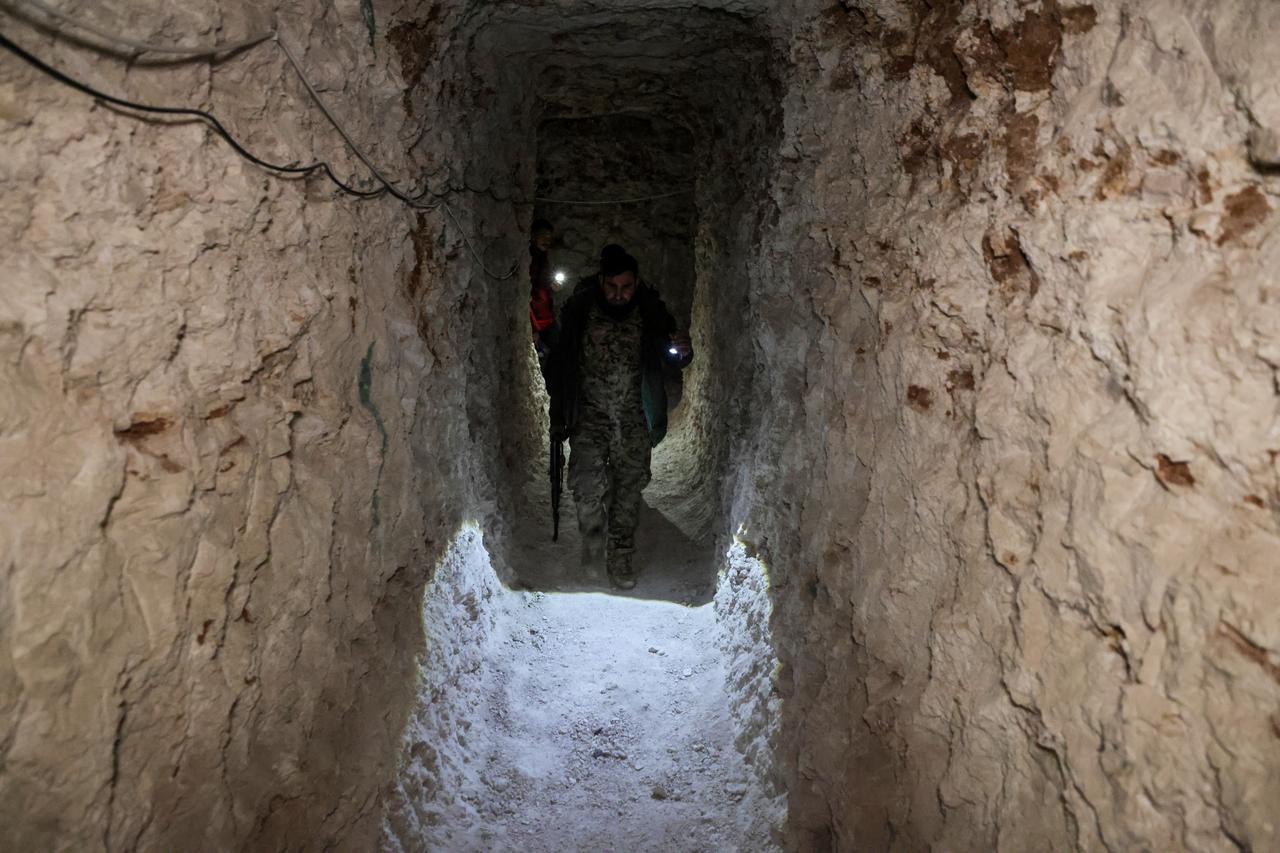

According to Syrian soldiers, the tunnel network stretches for kilometers beneath residential neighborhoods and key civilian structures, including a hospital, a church, municipal buildings and homes.
Some tunnel entrances are visible along roads in the town. Inside the tunnels, Syrian forces found rocket launcher warheads, large-caliber shell casings and passageways leading to multiple locations across Tabqa.
The tunnels are equipped with electricity and include areas furnished like living spaces.
Soldiers said some sections were used as operational rooms, with separate areas serving as kitchens, bathrooms and dormitories.
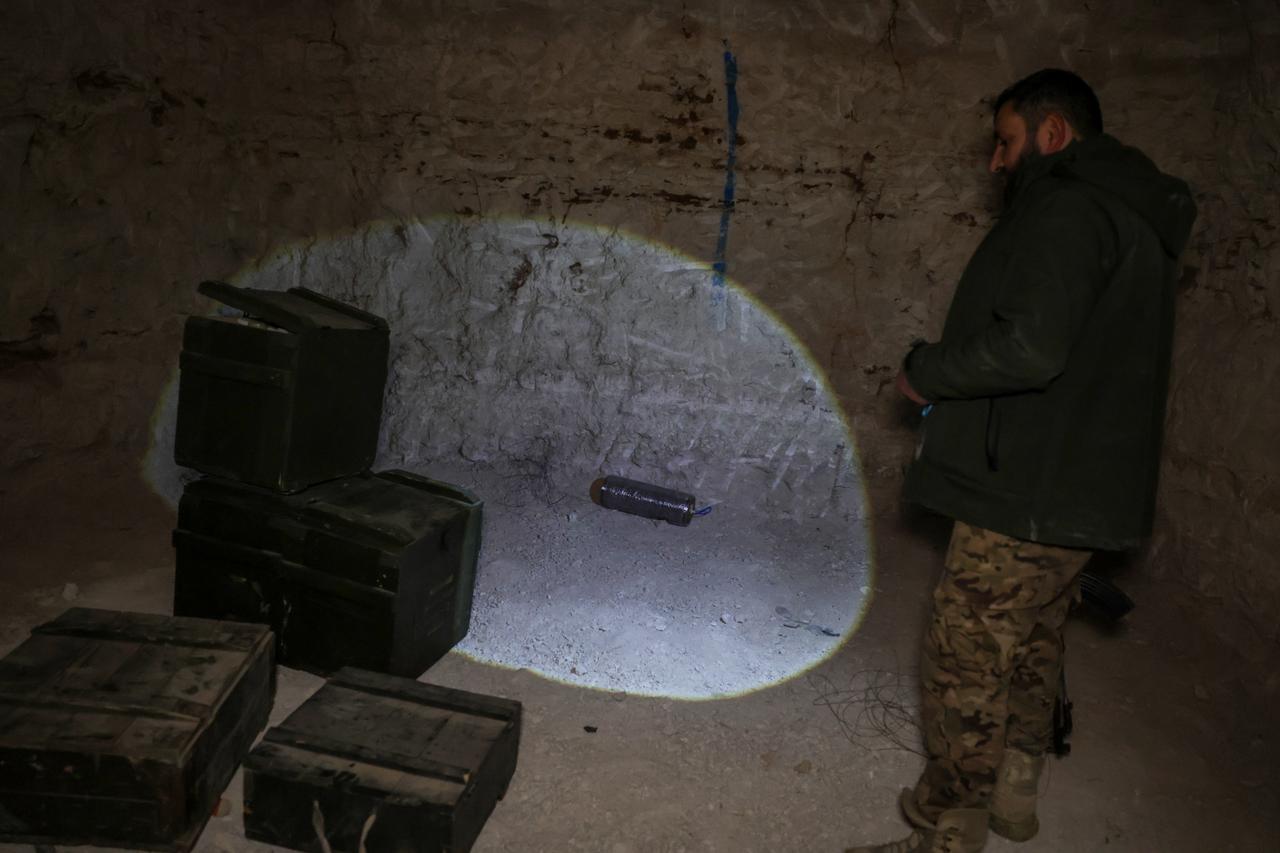
Syrian soldiers said the tunnel network includes positions overlooking the Euphrates River designed for rocket launchers, mortars and sniper fire. One tunnel was found to connect directly to the town’s hospital.
Parts of drones believed to have been used by the YPG in attacks were also found inside the tunnels. In one dormitory area, soldiers reported seeing a portrait of PKK ringleader Abdullah Ocalan.
Explosive ordnance disposal teams are continuing work to clear explosives that were planted inside the tunnels and in the surrounding areas.
Syrian soldiers said some sections of the underground network remain inaccessible due to explosive hazards.
Another tunnel entrance was found beneath a church that was destroyed in 2014 during Daesh’s takeover of the area.
While the church’s damaged structure remains standing above ground, soldiers said the tunnel beneath it links to the wider underground network.
Inside storage-like sections beneath the church, Syrian forces found drone-dropped munitions, mortar rounds and prepared improvised explosive devices.
Syrian soldiers said the YPG withdrew from Tabqa in a disorganized manner and did not have sufficient time to fully rig the town and tunnel network with explosives.
Clearance operations are ongoing to secure the area.


 Set as preferred source
 Set as preferred source


 1 min read
 1 min read