Newsletters


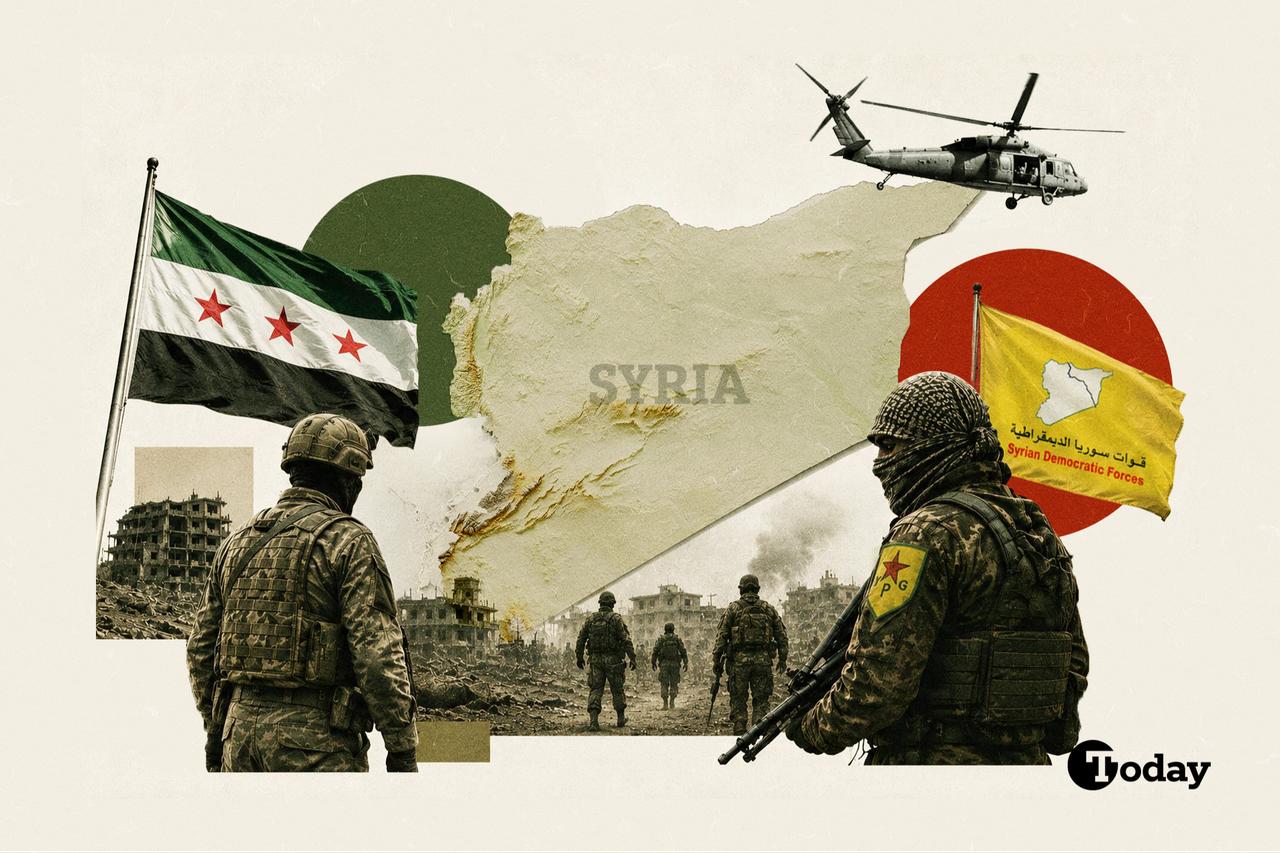


Once a daily topic of endless discussion and a driver of security hysteria even for everyday Turks, an armed organization tied to Türkiye's most hated terror group has declared its own end. They did so without violence, and with grace.
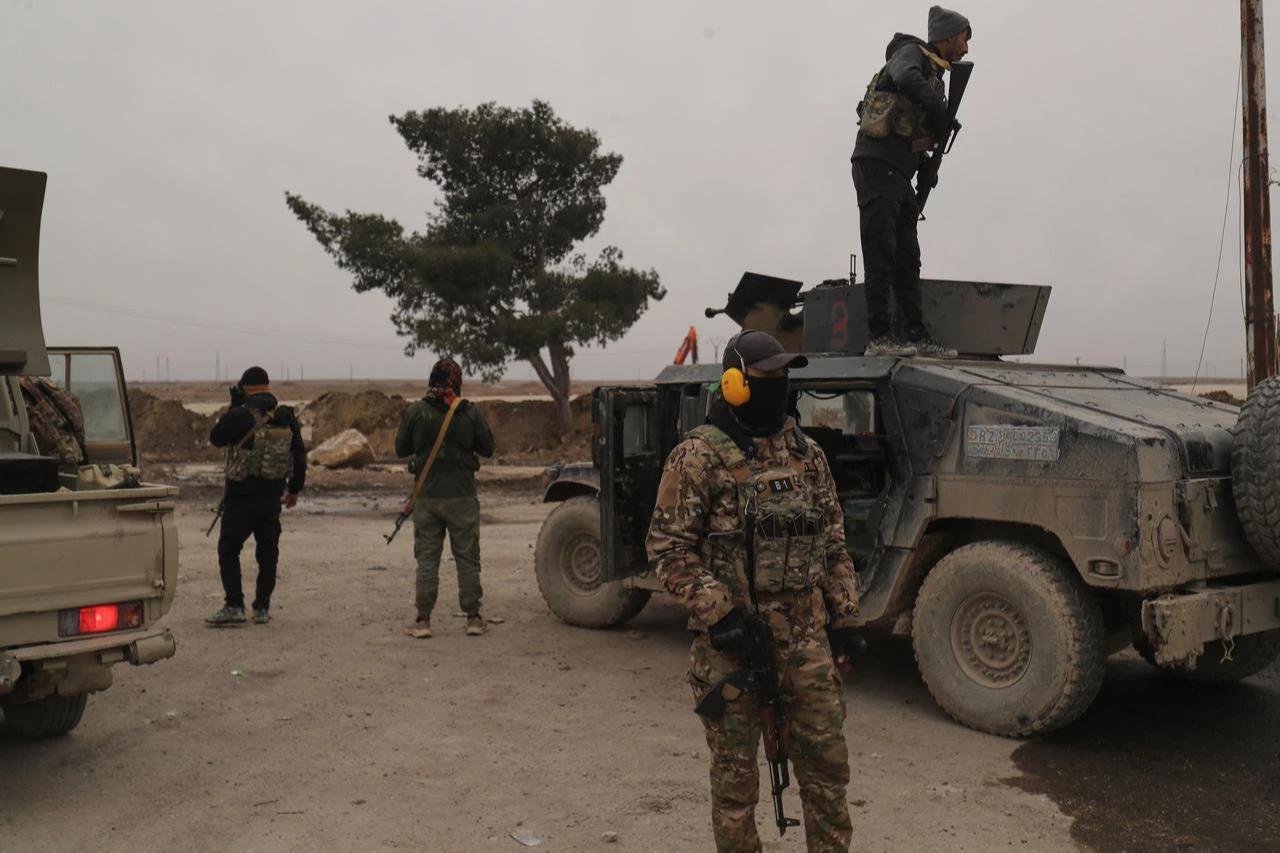
The SDF, one of the main armed actors in the Syrian civil war, was dissolved yesterday, Aug. 25, as the final stage in a process of political and military transformation underway for roughly two years.
Abdi Shahin (alias Mazlum Abdi), the founder of the YPG—the Syrian branch of the PKK, who was appointed by the U.S. to command the SDF—announced the dissolution.
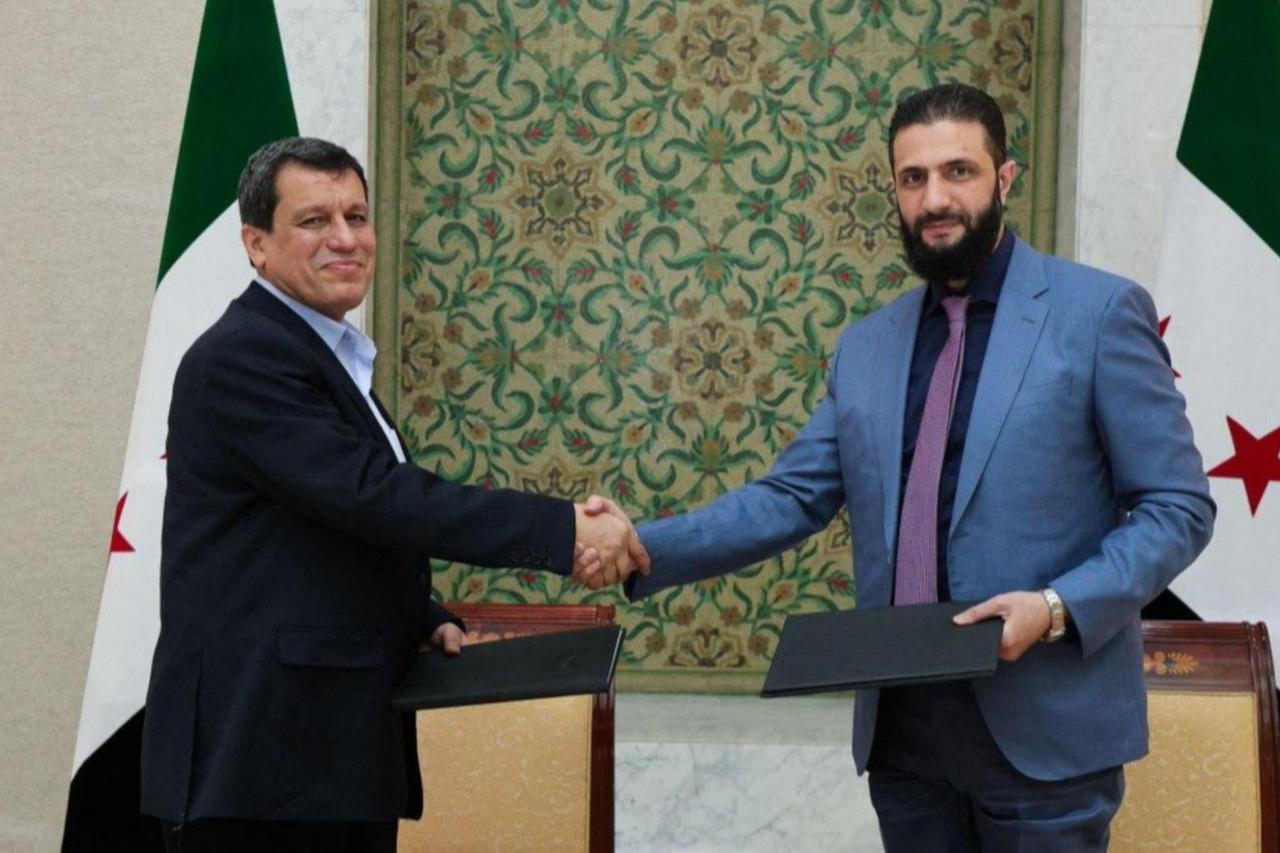
The process began with the fall of the Bashar Assad regime on Dec. 8, 2024. This was followed by an integration agreement signed between the SDF and the new Syrian administration on March 10, 2025. However, tensions between the new government and the SDF in Aleppo and the eastern regions persisted until the March negotiations.
Another regional shift during this period that altered the balance of power from Syria’s perspective was the PKK’s announcement in May 2025 that it had disbanded and disarmed. One of the symbolic and practical manifestations of this decision was a weapon-burning ceremony held in Iraq on July 11, 2025.
Although the PKK had declared its dissolution and disarmament, the integration process in Syria took about one year and proved painful. Tensions boiled over again in Aleppo at the very beginning of 2026, escalating into widespread clashes and an Arab tribal revolt. The fighting that broke out in Aleppo in January spread through Deir Hafir to the Maskanah–Hittin line.
First in Raqqa and then, following the uprising by Arab tribes, the SDF rapidly retreated west and north from the Iraqi border. The belligerent atmosphere of early January cooled on the final day of the month following an agreement between Syrian President Ahmad al-Sharaa and YPG/SDF commander Mazlum Abdi.
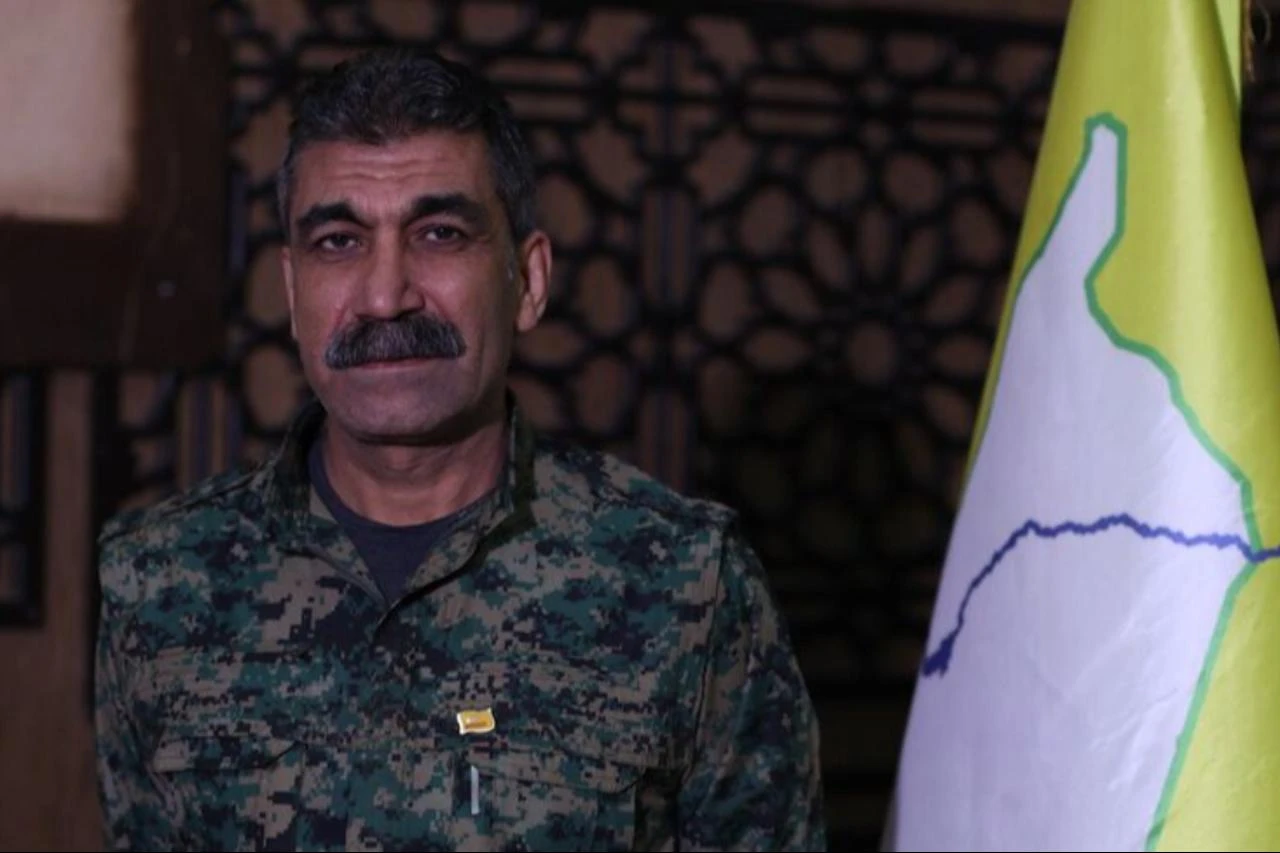
A clearer roadmap for the SDF's integration, facilitated by the U.S. and Türkiye, was subsequently drawn up. The Arab components of the SDF, followed by its Kurdish elements, were absorbed into the Syrian government. Sipan Hemo, a co-founder of the SDF, was appointed Syrian deputy minister of defense for the eastern sector. When the People’s Assembly was created, Kurdish representatives also took seats in it.
Ultimately, the SDF’s integration into the state apparatus was completed in August 2026, and on Aug. 25, 2026–yesterday–the organization was officially dissolved.
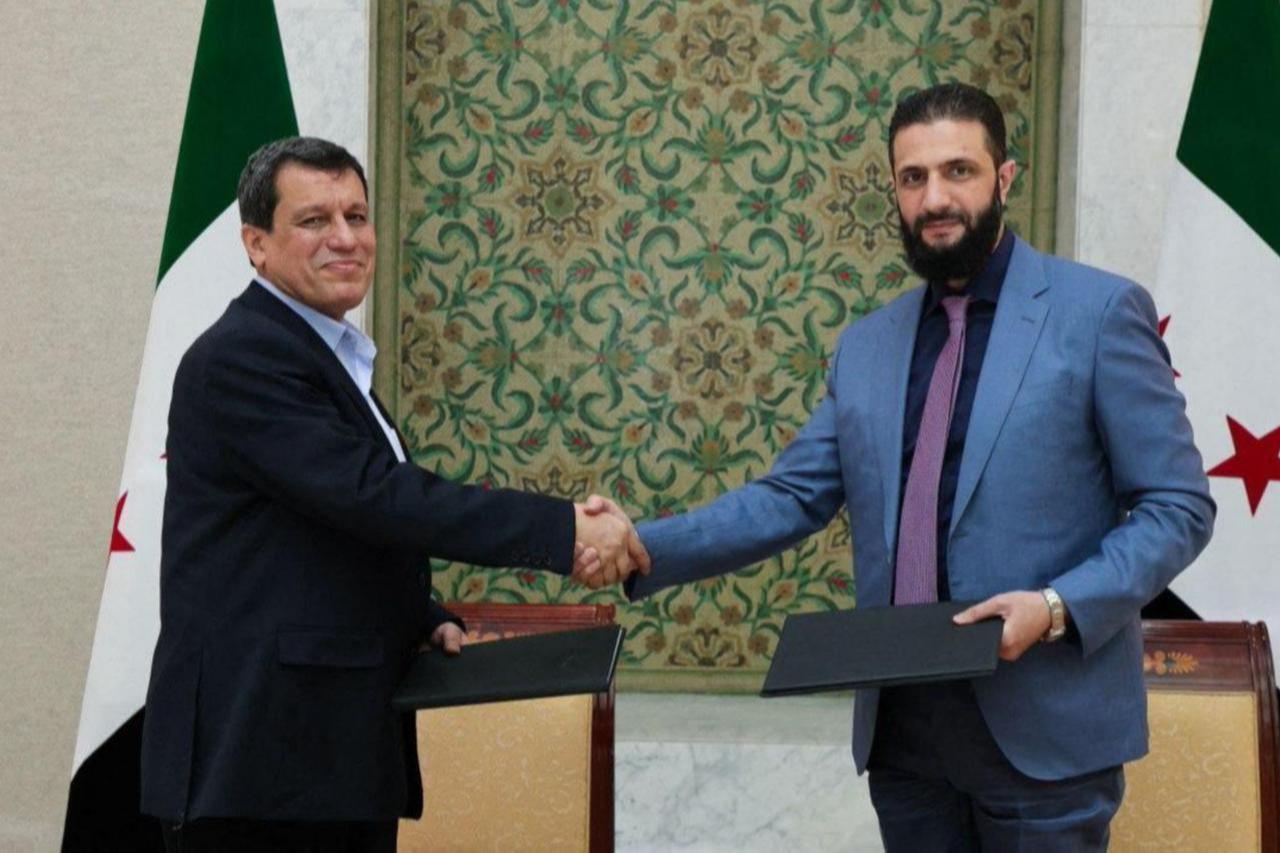

The inclusion of the YPG and SDF, which opposed Syrian revolutionaries during the civil war with the backing of the U.S. and, at times, Russia and the Assad regime, following their marginalization during the Baath regime in Syria, is a historic turning point for Syria’s new era.
The laying down of arms among Arabs, Turkmens, and Kurds, who had fought one another throughout the Baath and civil war periods, is a development for Syria that cannot be underestimated in terms of many perspectives–demographic peace, reconstruction, democratization, and equal citizenship rights.
Yet it is in Türkiye that this development has generated the most curiosity, debate, and excitement. This development in Syria will also force many groups opposed to the process to reassess their positions. Meanwhile, discussions—largely positive and constructive—continue regarding the legal framework for the peace and integration process with the PKK, which has been underway since 2024 and was approved by President Recep Tayyip Erdogan after passing through parliament with a large majority.
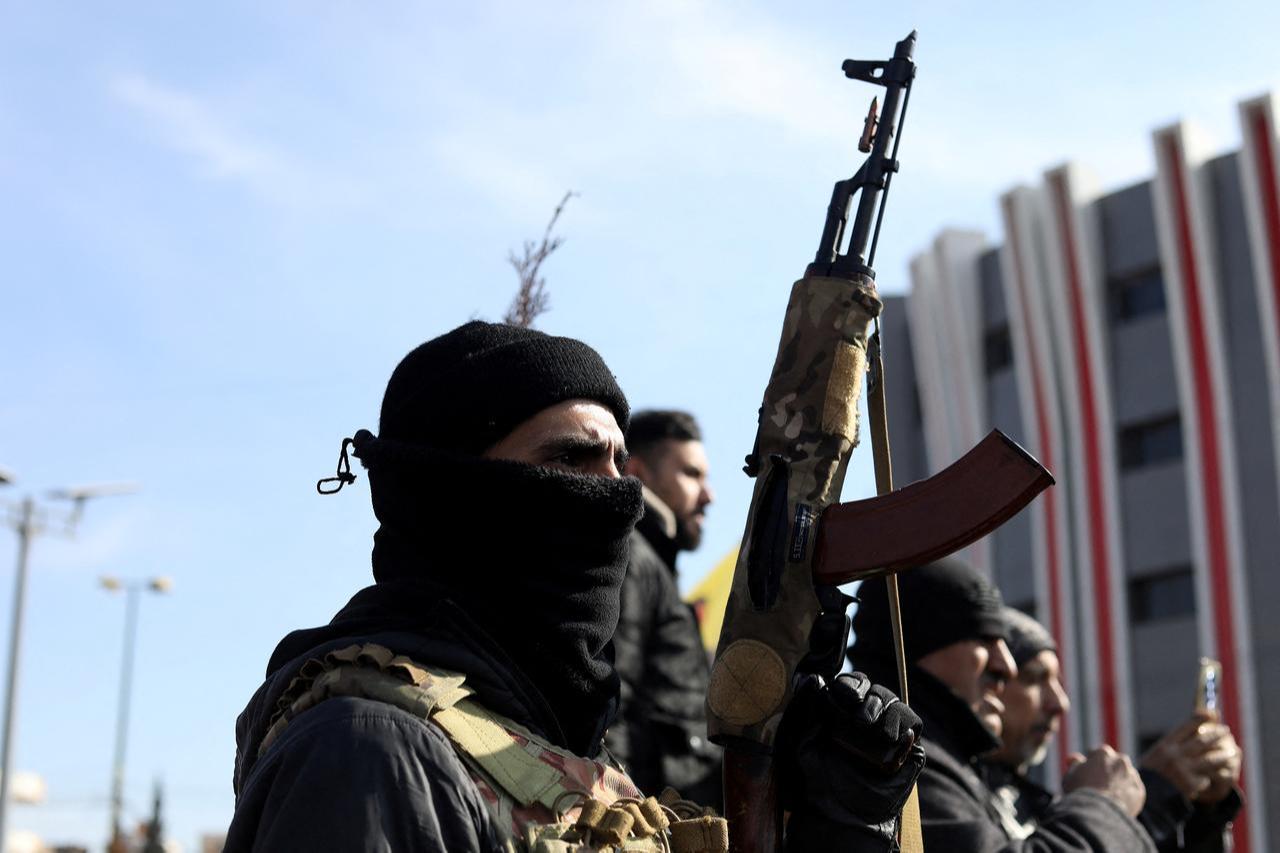
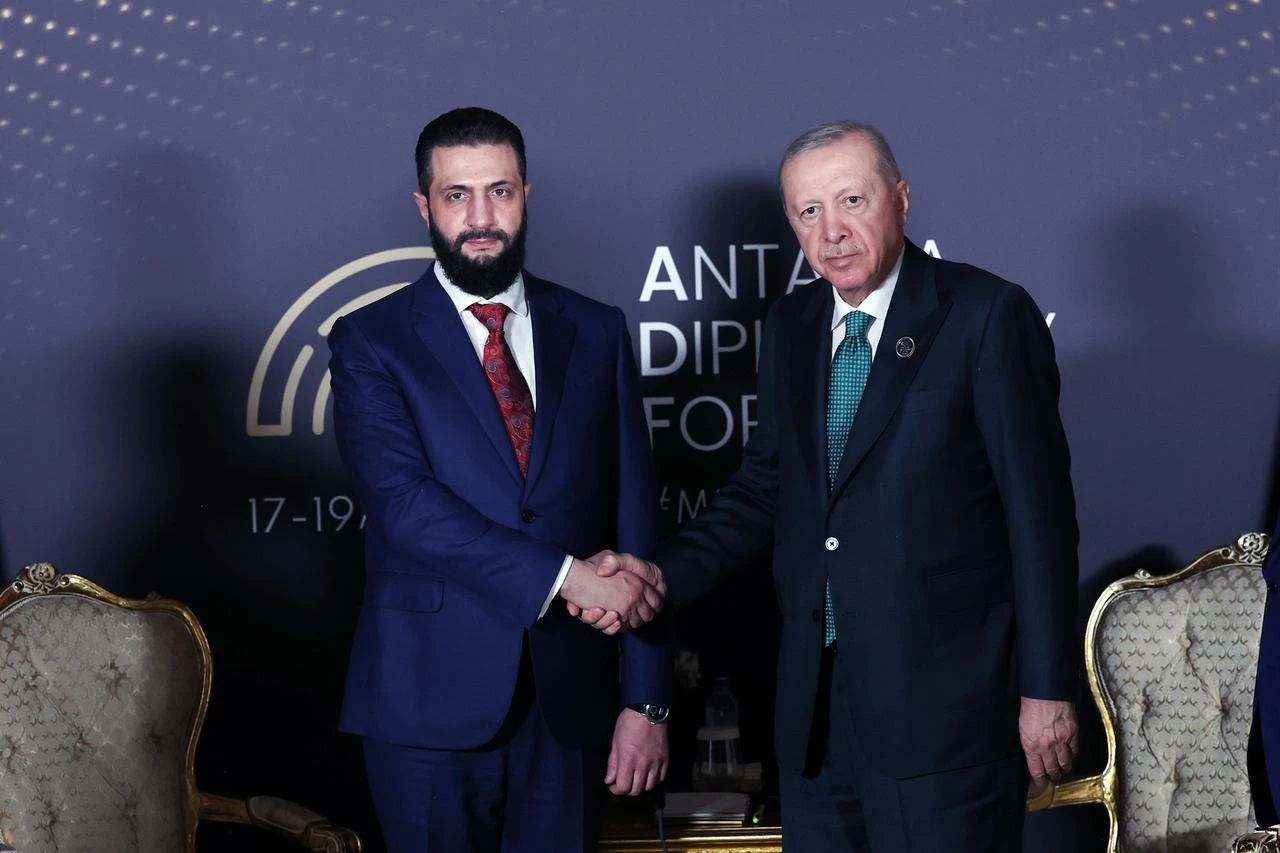
For Ankara, the SDF process was a major test, wherein Türkiye positioned itself as a moderate mediator in the conflicts throughout 2025 and January 2026. For the time being, Ankara appears to have passed this test. It should also be noted here that since March 2025, the issue of Syria and the YPG/SDF, which has been a particular security concern for Türkiye throughout the civil war, has quickly turned into a field of disarmament, demobilization and reintegration.
In my opinion, the real importance here goes beyond political change and all other day-to-day issues. While this field of experience will bring much more to the background, it is powerful enough to change the music and the dialogue on the stage.
The SDF/YPG issue, in terms of its existence, geographical scope and scale, is tied to the KCK and PKK, but as far as Ankara is concerned, it was a more stable issue considering the current situation on the ground and the regional context. In this sense, it acted as a test bed that could provide a micro-level model for at least the disarmament and demobilization phases of the process in Türkiye.
And, clearly, this testing ground has been used rather effectively. Backed by a multi-pronged, multi-layered approach from the Turkish security bureaucracy, there is little doubt that this experience will positively influence the ongoing process between Türkiye and the PKK.
The dissolution of the SDF was not the end of Kurdish organization in Syria—nor does anyone expect or want it to be. We will see in time what route organizations such as the PYD and ENKS will take to political engagement, and what Syrian Kurds will do for Syria.
However, certain issues need to be clarified now so that the frequent mistakes about Syria, due to discussions in Türkiye on the peace process, will not be used as a pretext.
The issues such as the mother tongue of Kurds in Syria, local autonomy, and legal status involving positive discrimination in political representation are no longer matters to be tied to the peace process inside Türkiye. These are all problems for the Syrian people to solve through the constitution and other legal structures to be rewritten in Syria. Indeed, everyone expects that in fair elections in Syria, the Kurdish parties will win in the areas where they have a strong demographic presence–just as it has been the case in Türkiye for many years.
From this point of view, it is impossible to say that Ankara is worried.
The question of the mother tongue is now a matter for the Syrians themselves to discuss and resolve, whether they are Arab, Turkmen or Kurdish. In Syria, like in Türkiye for many years, the right to education, publication and freedom of expression in one's mother tongue will be recognized. Ahmad al-Sharaa has also made clear statements to this effect.
We will find out from parliamentary and constitutional debates whether this will become a binding constitutional provision or be recognized through local-demographic implementation.
Ankara also feels quite comfortable on this matter and is doing its best to guide both sides in a fair and conciliatory manner.
We can even see that Türkiye's own experience and process have served as a basic model contributing to the developments in Syria. For now, the experience Türkiye has gained from integration efforts in Syria, and the scope given to Syria by the situation in Türkiye, can be broadly described as a model involving the two countries.
In this sense, to witness the dissolution of the SDF and the processes unfolding in Türkiye as two inseparable forms is to witness a truly exciting and historic period, even amid objections based on certain ideological preconceptions and rooted in emotions and subjective intuitions.


 Set as preferred source
 Set as preferred source


 1 min read
 1 min read